











Fleet Management Driver Behavior System
Fleet Management Driver Behavior
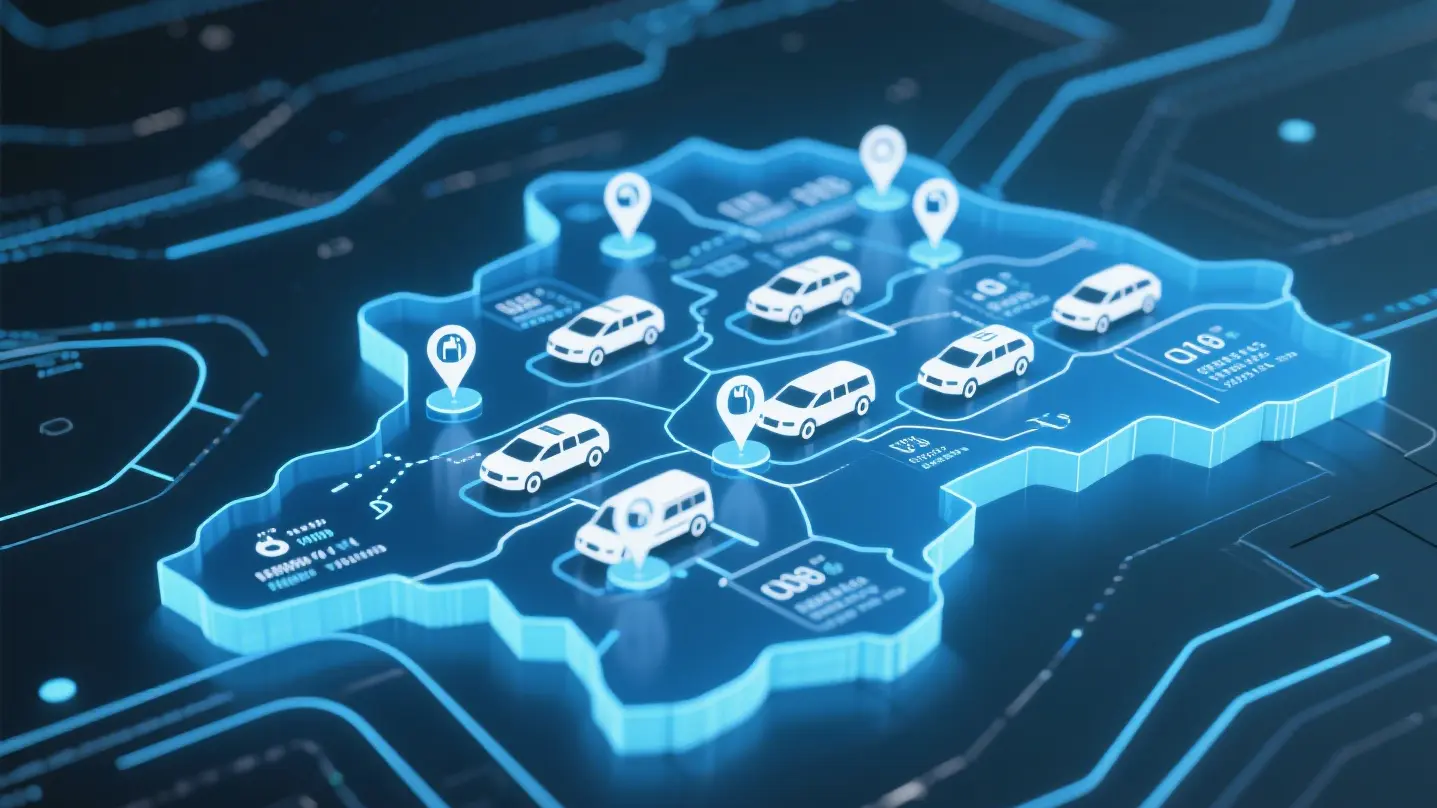
In 2026, driver behavior management systems have become the core of fleet operations. Integrating telematics, AI vision and big data analytics, they comprehensively improve fleet safety, efficiency and cost control.
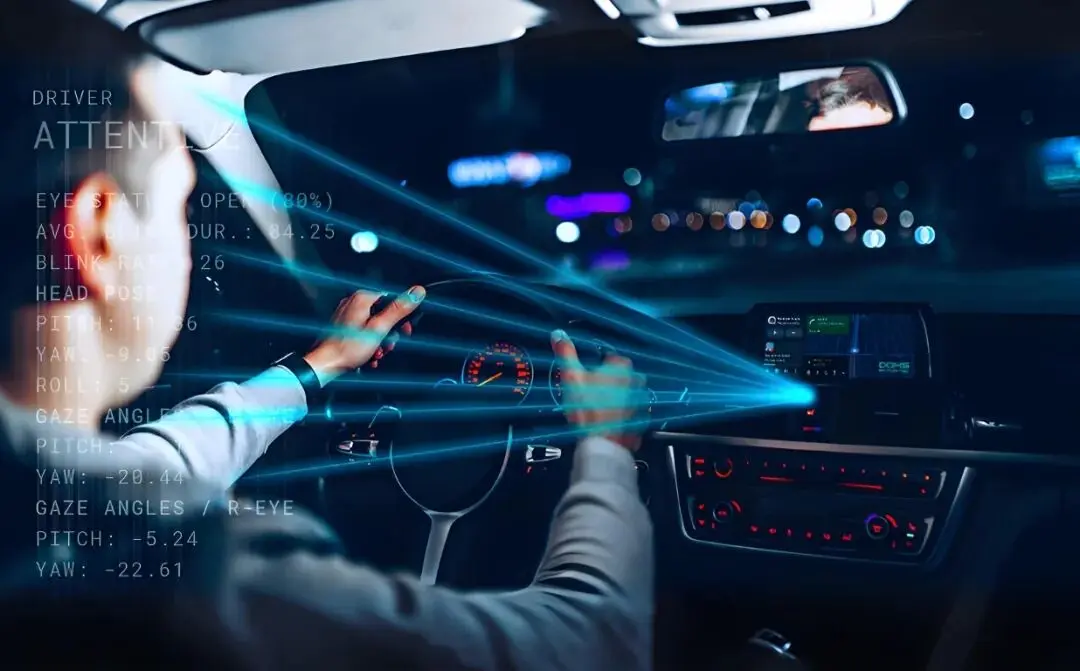
System Core: Data-Driven
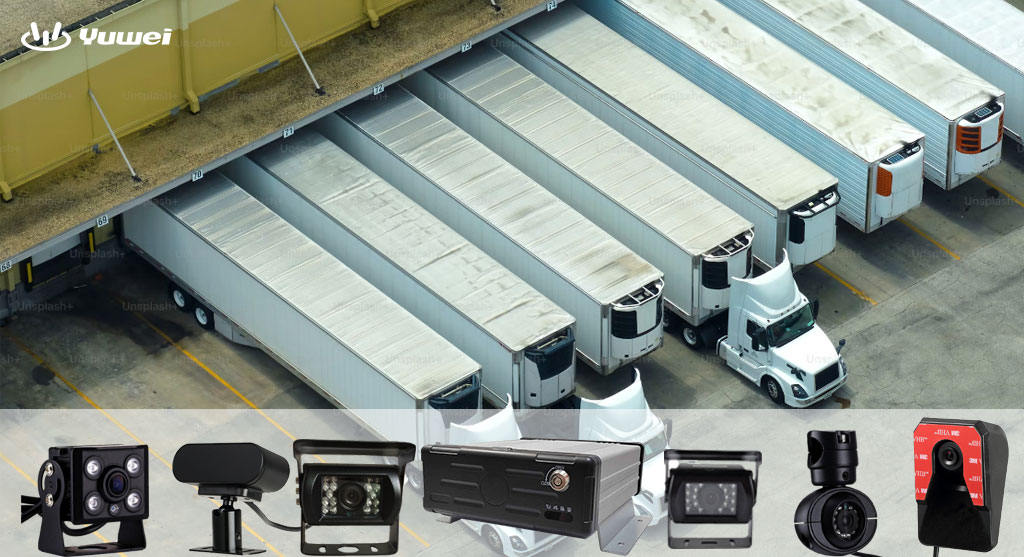
The system collects real-time data through an in-vehicle device network:
1. Vehicle dynamic data: GPS and sensors capture speed, rapid acceleration/braking, cornering and idling.
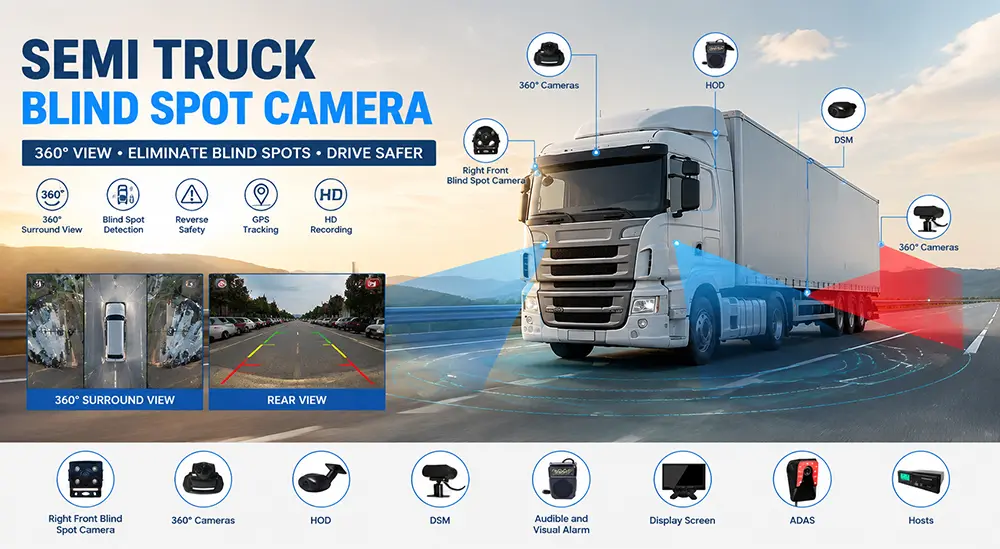
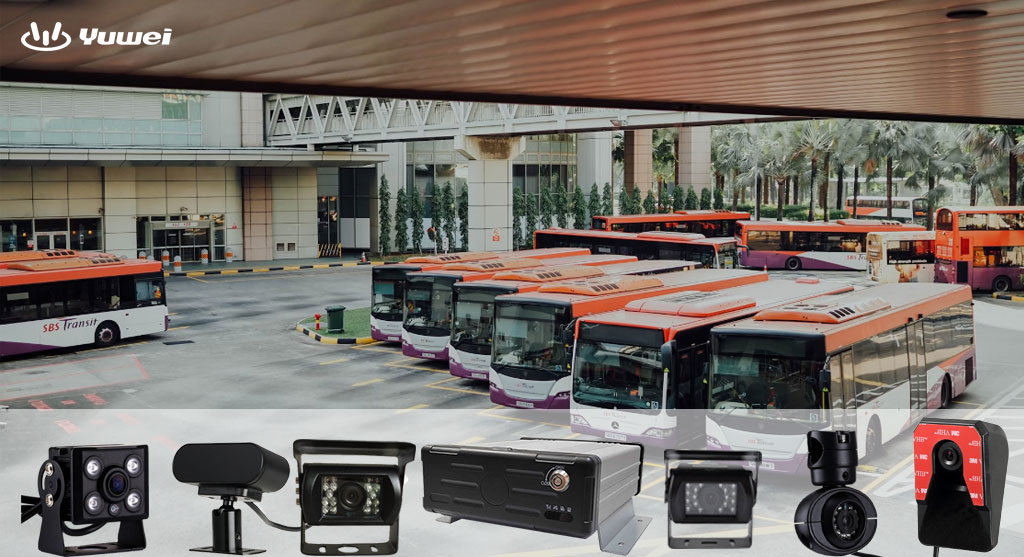
2. Visual and biometric data: AI cameras, especially Driver Monitoring System (DMS) cameras, are critical. Their dual lenses analyze the cab in real time; algorithms monitor driver fatigue (e.g., closed eyes) and distraction (e.g., mobile phone use), and issue instant alerts when risks are detected.
Core Functions: From Monitoring to Empowerment
After platform analysis, data is converted into actionable outcomes:
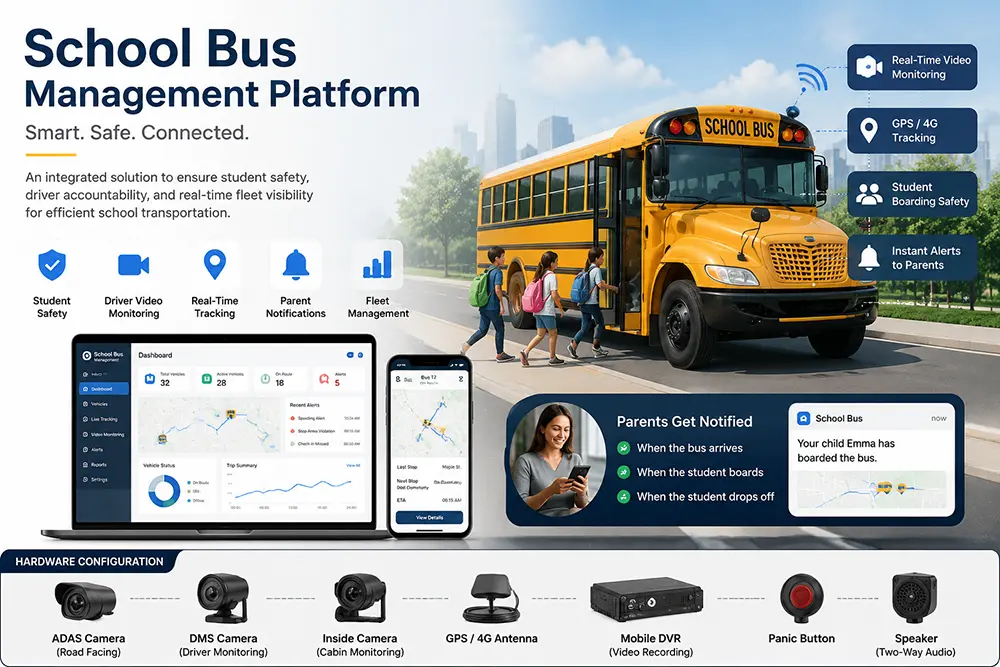
1. Accurate driver scoring: The system generates a comprehensive safety score (1–10) for each driver, broken down into sub-items such as speeding and hard braking, helping managers quickly identify fleet performance.
2. Proactive risk management and coaching: DMS cameras link with sensors. When risks (e.g., fatigue accompanied by hard braking) are detected, event videos are automatically saved, providing solid evidence for targeted coaching.
3. In-depth operational insights: The system deeply analyzes KPIs including fuel consumption, vehicle fault codes and job dwell time, helping optimize routes, reduce waste and plan preventive maintenance to cut costs at the source.
Core Values
1. Improved safety and fewer accidents: Real-time monitoring and instant feedback effectively correct dangerous behaviors. Data shows that 40% of drivers change their behavior after receiving their first safety warning.
2. Significant cost savings: Safer driving habits directly reduce fuel, maintenance and insurance expenses. The indirect costs of accidents (e.g., litigation, productivity loss) can be 3–5 times the direct costs, making prevention highly valuable.
3. Building a safety culture: Data-driven transparent management and gamified incentives boost driver engagement, shifting from “being monitored” to “actively co-building safety”.
The system is evolving toward greater intelligence and integration: AI predictive analysis will warn of potential risks; integration with scheduling, insurance and other platforms will become more seamless; and technologies such as DMS will make in-vehicle interaction more human-centered.
Conclusion
The driver behavior management system of 2026 is an intelligent solution integrating monitoring, analysis and optimization. Using AI technologies such as DMS to deeply understand behavior and empowering decisions via data platforms, it is the strategic core for fleets to achieve safe, efficient and sustainable development.
Email:hello@yuweitek.com