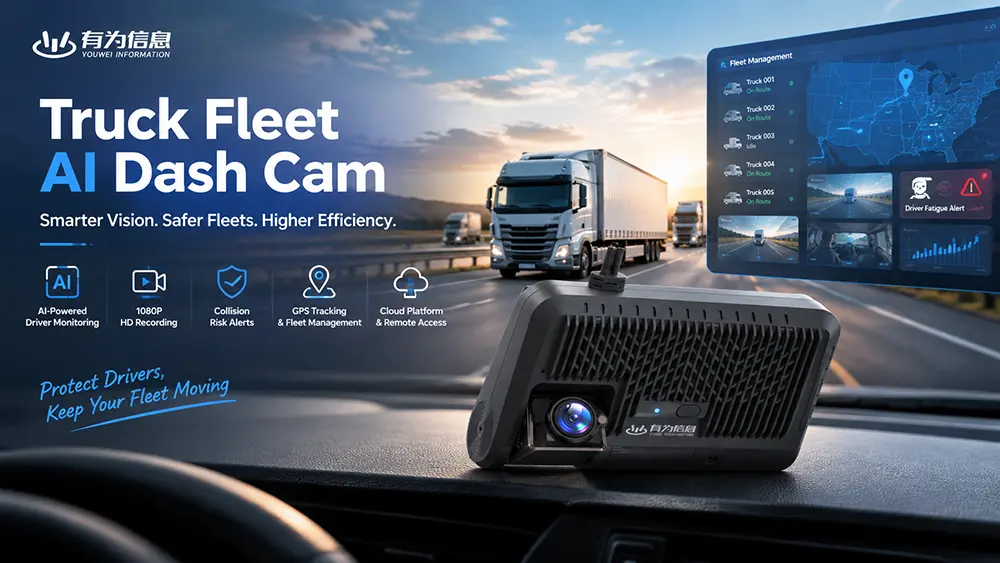











Dash Cam Telematics Integration Fleet Safety
Dash Camera Telematics Integration Fleet Safety
Value of Fleet Dash Cams
① Protect drivers from false and fraudulent claims
② Improve fleet safety and facilitate driver training
③ Optimize fleet operations with video evidence
Recommended YUWEI Vehicle Monitoring Systems
V5: 4G Smart Video Terminal
It supports front and rear dual recording as well as 4-channel camera expansion, featuring 1080P HD recording combined with infrared night vision. Built-in with GPS/Beidou dual positioning and ADAS/DSM safety algorithms, it supports face recognition and mask detection. With dual TF cards, it can be expanded up to 2TB in storage capacity. Suitable for multiple scenarios such as ride-hailing vehicles and logistics vehicles, it enables remote monitoring and two-way intercom.
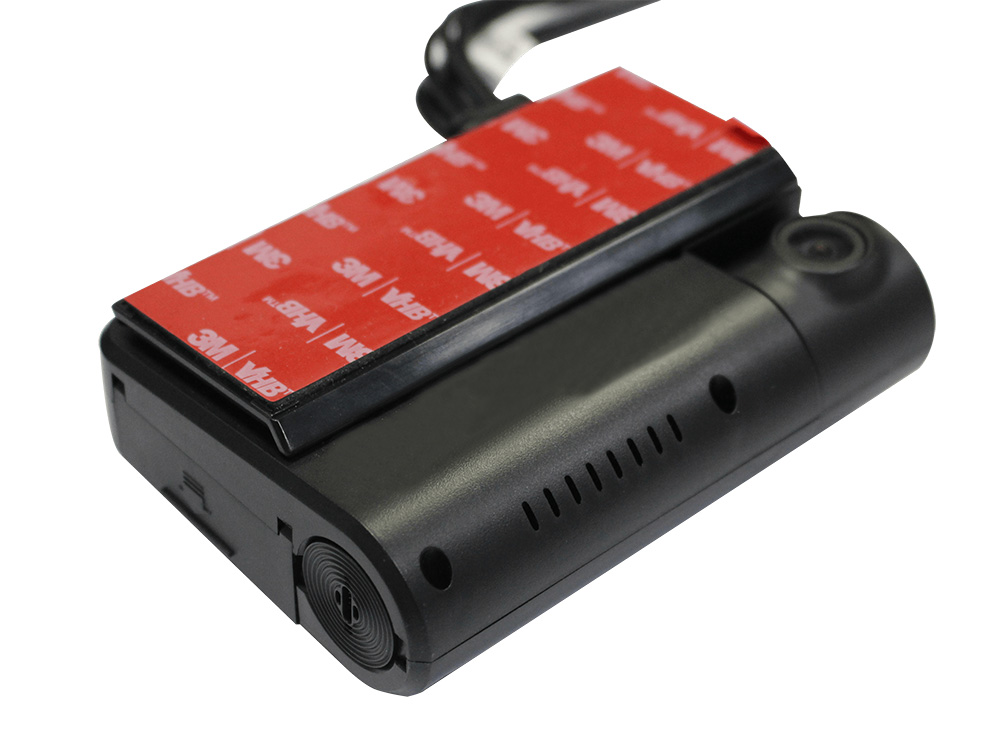
V5C: Cost-Effective AI All-in-One Device
Equipped with dual lenses: 1080P front lens (140° wide-angle) and 720P in-car lens (150° wide-angle). Integrated with 4G/Wi-Fi and GPS/Beidou positioning, its G-sensor detects sudden acceleration/braking. It supports 1TB storage and H.265 compression. Designed for commercial fleets like trucks and taxis, it is simple and easy to operate.
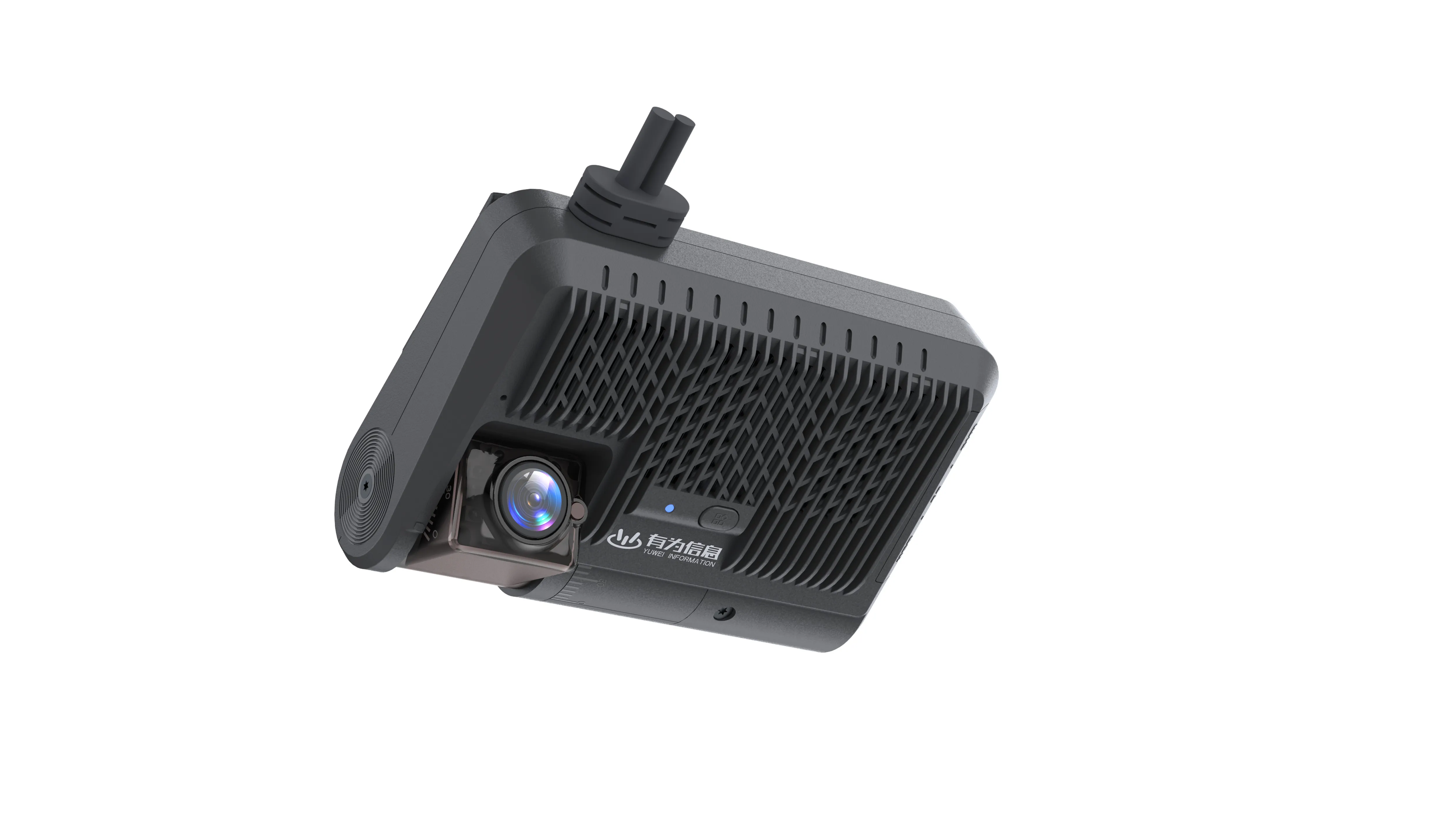
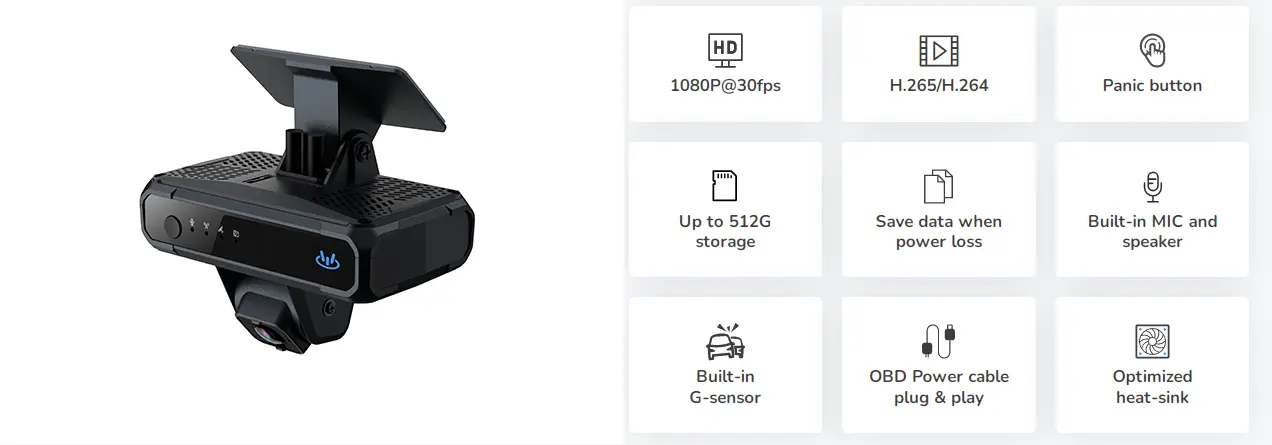
V8N: Dual-Lens Smart Dash Cam
Loaded with 4G full-network connectivity and dual-mode positioning, it supports real-time video transmission and two-way voice communication. Built-in with ADAS driving assistance, DSM driver monitoring and face recognition, its G-sensor triggers emergency recording. The HD night vision function ensures clear shooting in low-light environments. It is suitable for logistics, passenger transport and other scenarios.
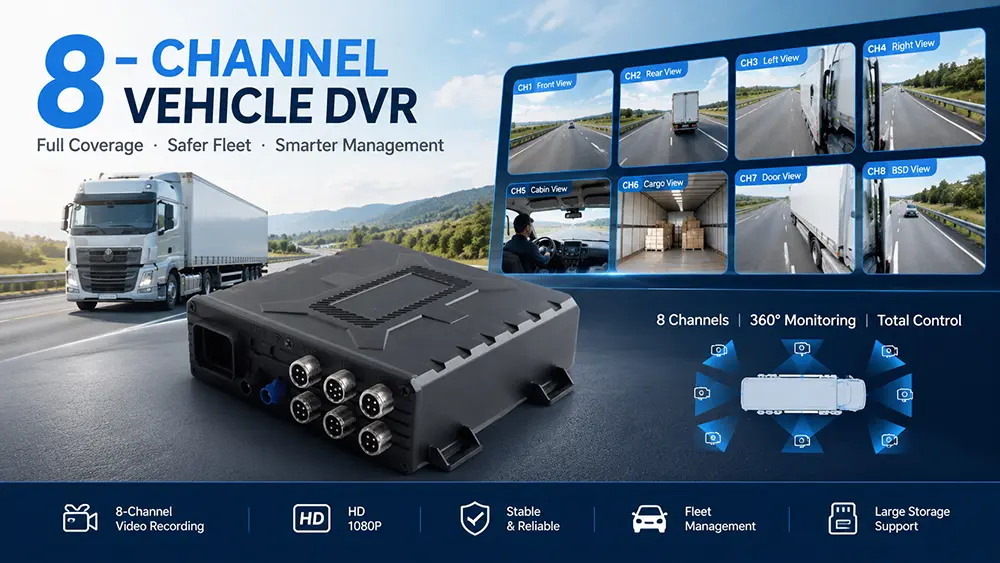
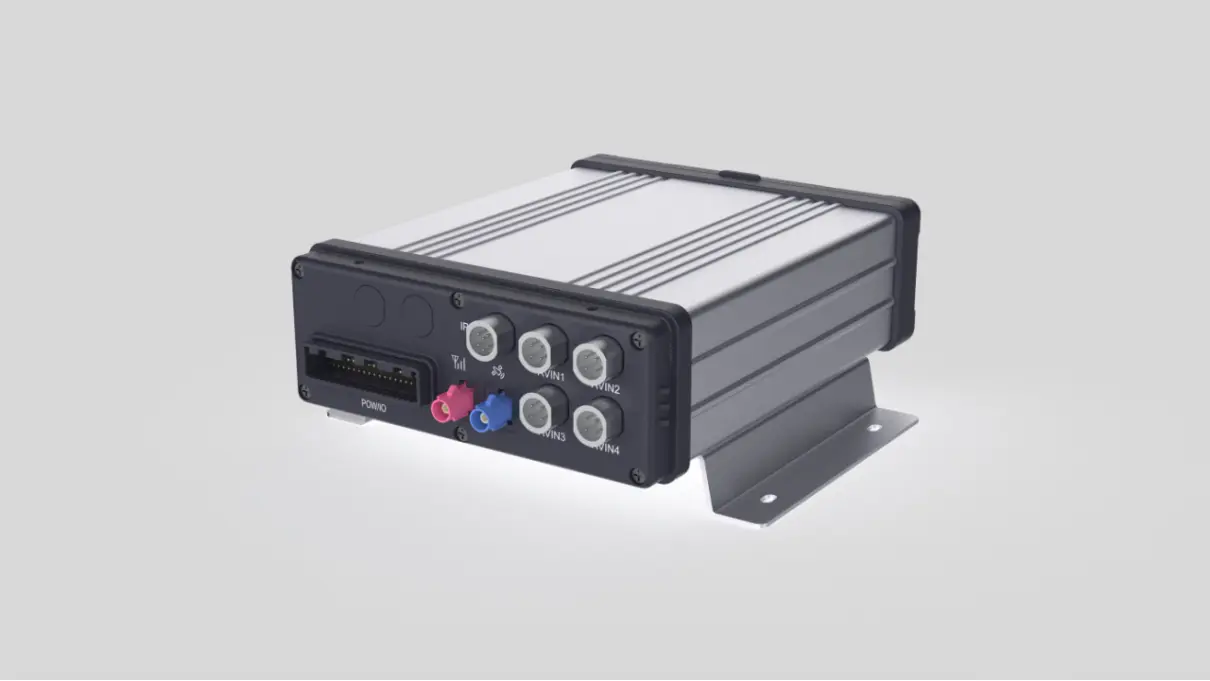
F4: Industrial-Grade HD AI Mobile DVR
Supporting 6-channel video input (including 2 channels of 1080P), it integrates ADAS/BSD/DSM intelligent monitoring systems. With GPS/Beidou dual positioning and 4G transmission, its dual storage (hard disk + SD card) ensures data security. It is equipped with low-voltage protection and power-off continuous recording functions, making it suitable for heavy-duty working conditions such as freight trucks, school buses and cold chain vehicles.
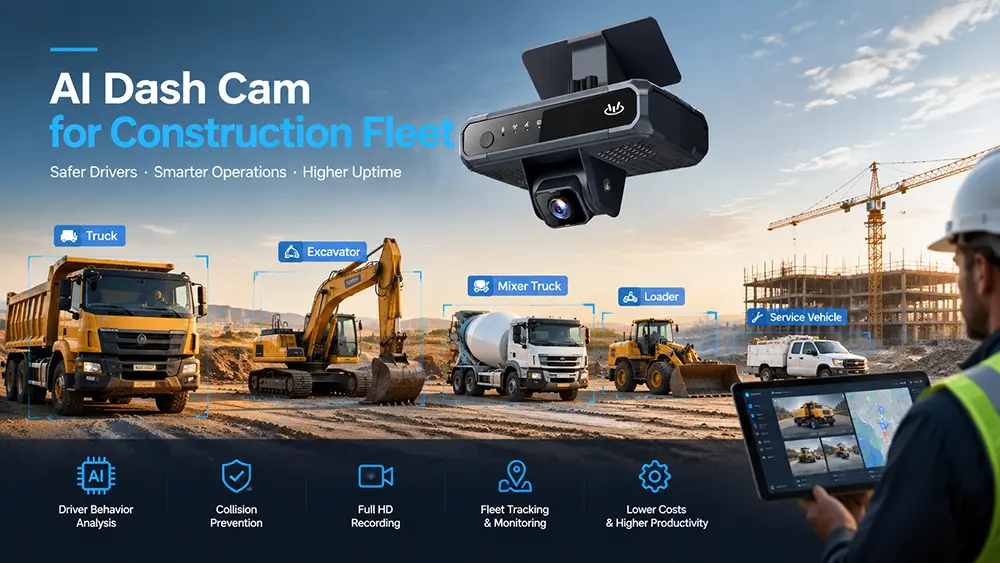
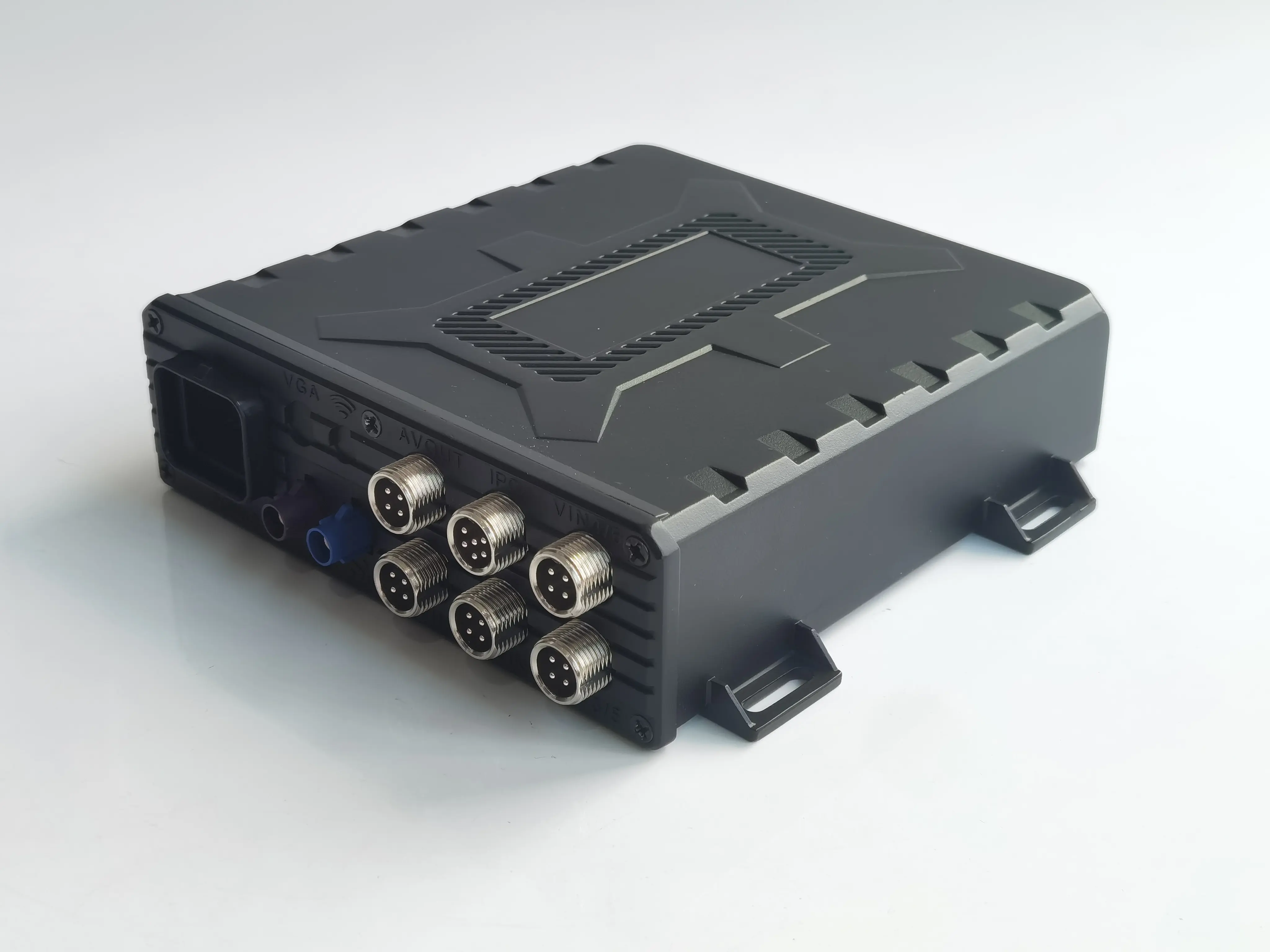
F6: Waterproof Smart Video Terminal (IP67 Protection)
It supports 6-channel HD recording and H.265 compression. Built-in with GPS/Beidou positioning plus optional RTK high-precision positioning, it integrates ADAS/DSM/BSD systems. It supports SD card and M.2 solid-state drive storage, and is suitable for special vehicles such as forklifts, construction machinery and ships.
Product Types
(1) Front-Facing Dash Cams
Core Functions: Protect drivers and enterprises, capture real-time images of the road ahead, and help fleet managers keep track of road conditions.
(2) Dual-View Dash Cams
Core Functions: Cover both inside and outside views of the vehicle simultaneously, monitor driver behavior, reduce distracted driving and improve fleet safety.
(3) Customized Solutions for Various Vehicles
① Passenger Car Dash Cams: Designed for corporate car fleets to enhance safety, reduce risks, quickly determine liability in case of accidents and protect drivers.
② Cargo Van Dash Cams: Facilitate driver training, prevent fraudulent claims and monitor work performance.
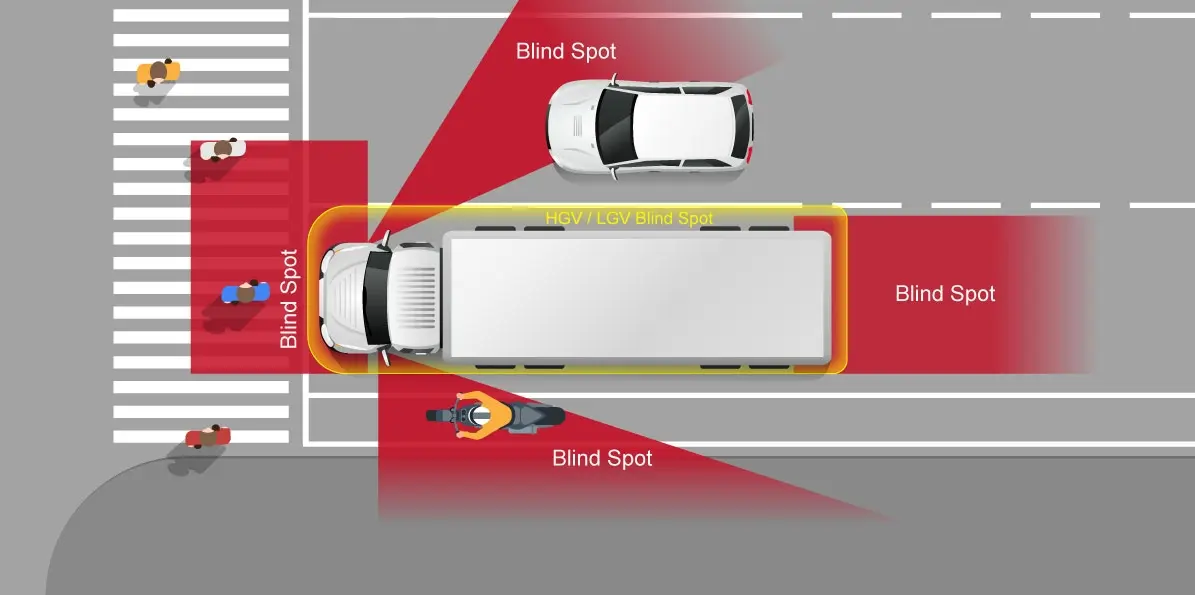
③ Truck Camera Systems: Suitable for heavy-duty truck fleets to expand visual range and reduce accident risks of large vehicles.
Core Product Functions
(1) Basic Functions
① Real-Time Streaming Transmission: Transmit videos in real time to enable real-time monitoring and supervision.
② Liability Protection: Capture clear images in low-light environments to provide support for liability determination.
③ AI-Powered Dash Cams: Identify and address dangerous driving behaviors through AI technology.
④ Wireless Video Extraction: Support wireless data transmission for quick video retrieval without the need for SD cards.
⑤ HD Video Shooting: Built with commercial-grade camera systems, it delivers clear images under strong light, low light and severe weather conditions.
(2) AI Solutions
① Driver Distraction Monitoring AI: Enhance dash cam functions to identify and address distracted driving.
Core Functions: Send voice alerts to remind drivers to stay rested and focused, and help managers identify drivers who need additional training.
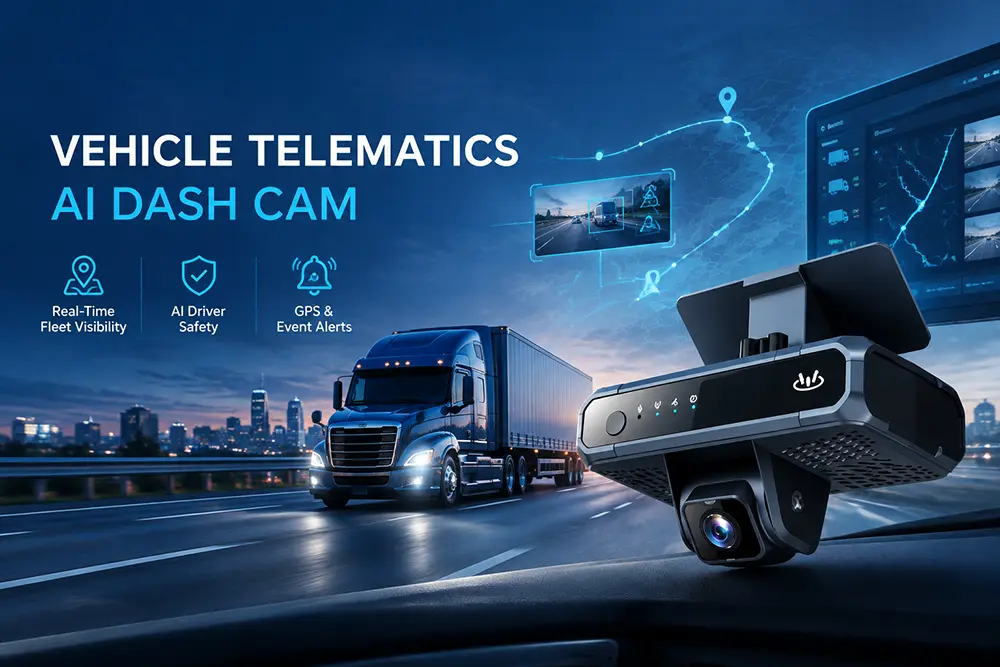
(3) Integration with Fleet Tracking Functions
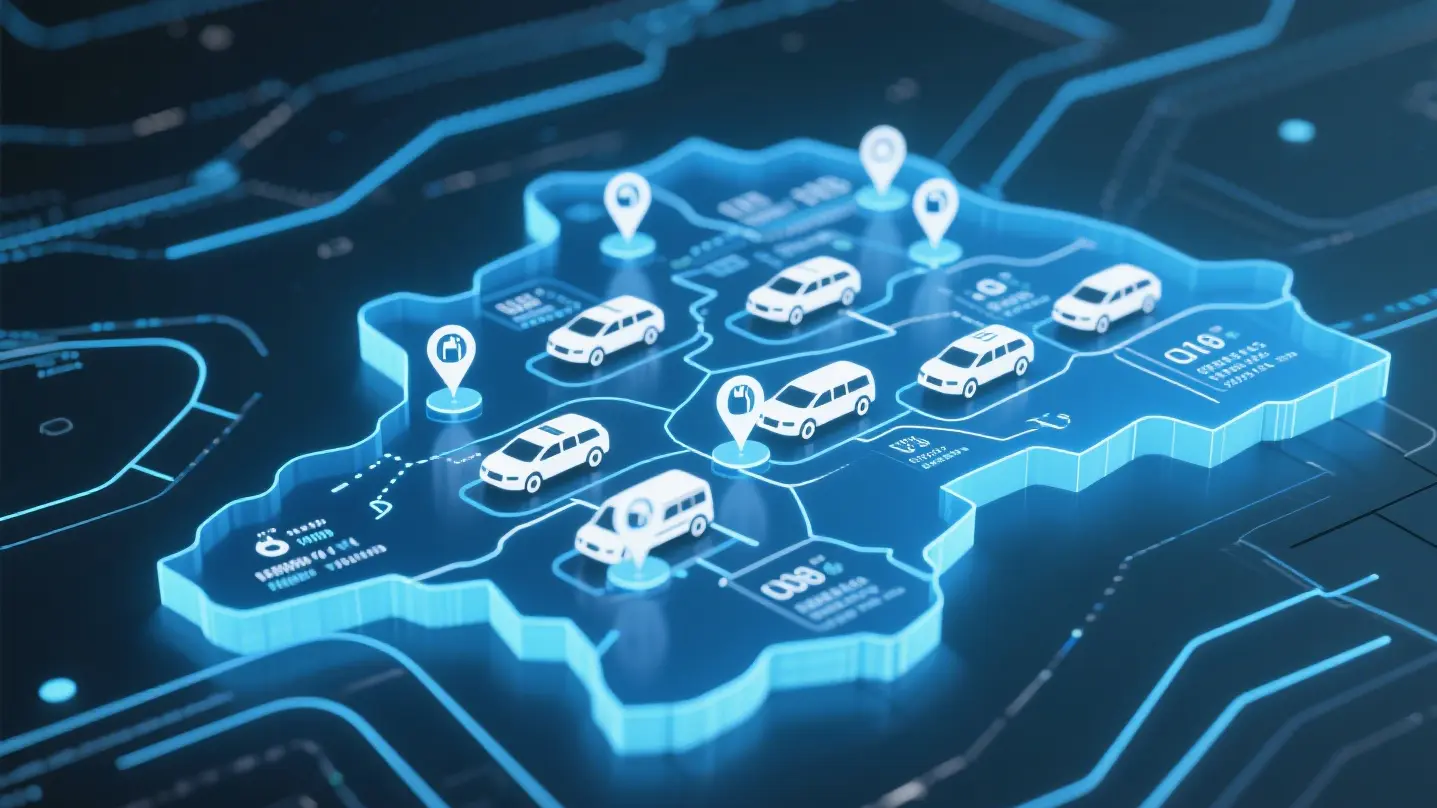
① Functional Advantages: Integrate dash cams with fleet tracking systems, combining video and GPS data to gain comprehensive insights into operational status.
② Special Features: Support remote video retrieval, which is faster than traditional SD card retrieval, improving efficiency, facilitating training and raising safety standards.
Advantages for Enterprises
① Liability Protection: Record accidents to reduce legal risks and defend against fraudulent claims.
② Enhanced Safety: Monitor driver behavior in real time to ensure compliance and reduce dangerous driving.
③ Optimized Operational Efficiency: Analyze routes and driving habits to optimize planning, reduce fuel consumption and improve efficiency.
④ Driver Behavior Training: Capture dangerous behaviors such as sudden braking and phone use while driving to provide a basis for targeted training.
⑤ Cost Reduction: Reduce accidents and optimize routes to lower insurance and operational costs.
⑥ Improved Customer Service: Real-time tracking improves delivery accuracy, resolves disputes and increases customer satisfaction.
⑦ Insurance Claim Support: Provide video evidence of accidents to accelerate the claim settlement process.
Vehicle Anti-Theft and Recovery: Combine video and GPS data to quickly recover stolen vehicles and minimize operational impacts.
Email:hello@yuweitek.com