










Top AI Dash Cam for Work Trucks
Top AI Dash Camera for Work Trucks
The Evolution of Fleet Management Systems in 2026
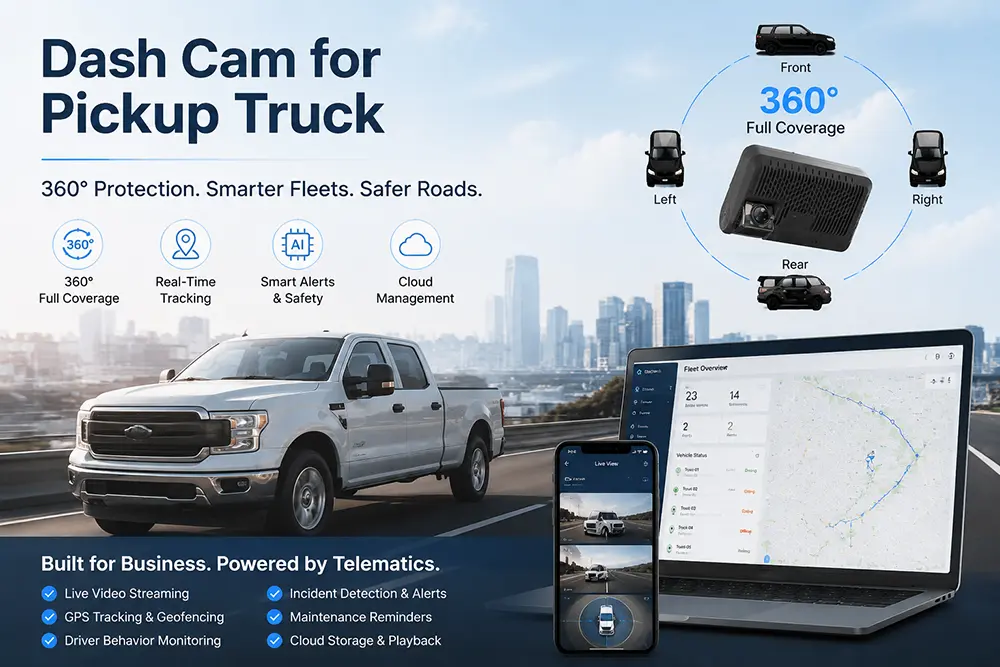
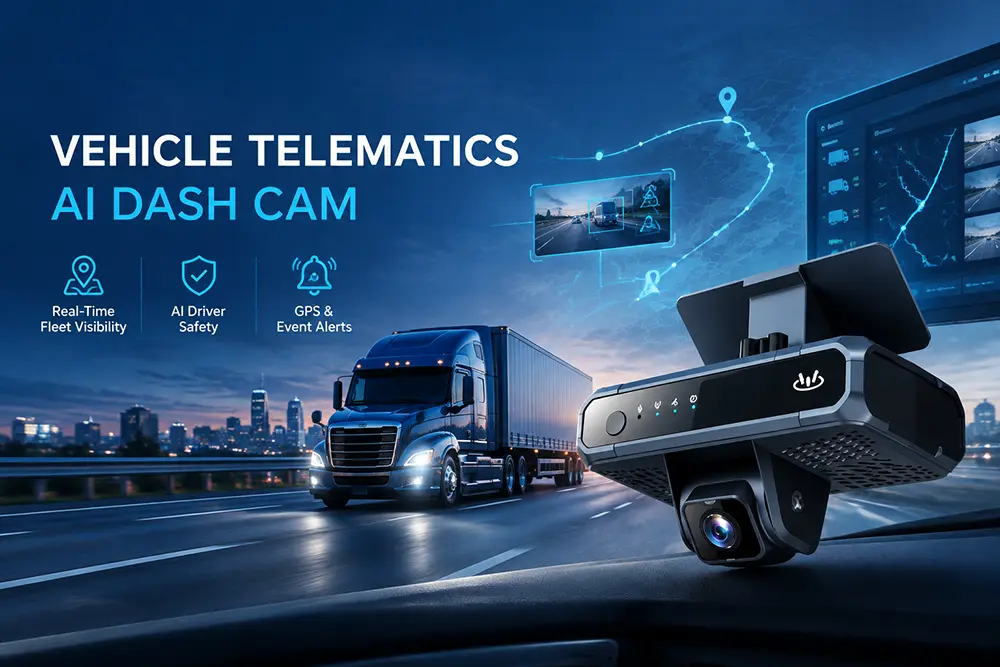
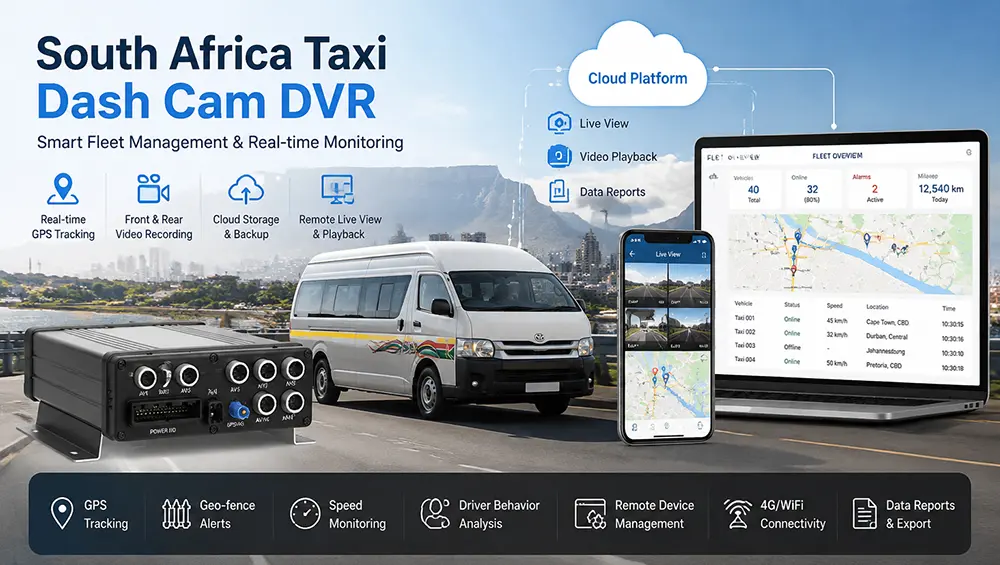
Fleet management systems in 2026 are no longer simple GPS positioning tools. Instead, they have gradually evolved into an integrated digital platform combining real-time GPS tracking, AI video analytics, cloud-based management and driver behaviour recognition.
Traditional systems are mainly used for vehicle location monitoring, while next-generation systems focus on the following functions:
• Real-time vehicle GPS tracking
• Driver behaviour monitoring (including hard braking, speeding, distracted driving, etc.)
• Video evidence recording and accident playback
• Automatic AI identification of risky behaviours
• Remote cloud management and data analysis
These functional modules jointly form a digital fleet ecosystem, enabling managers to monitor vehicle status in real time and optimise operational efficiency.
hnweb_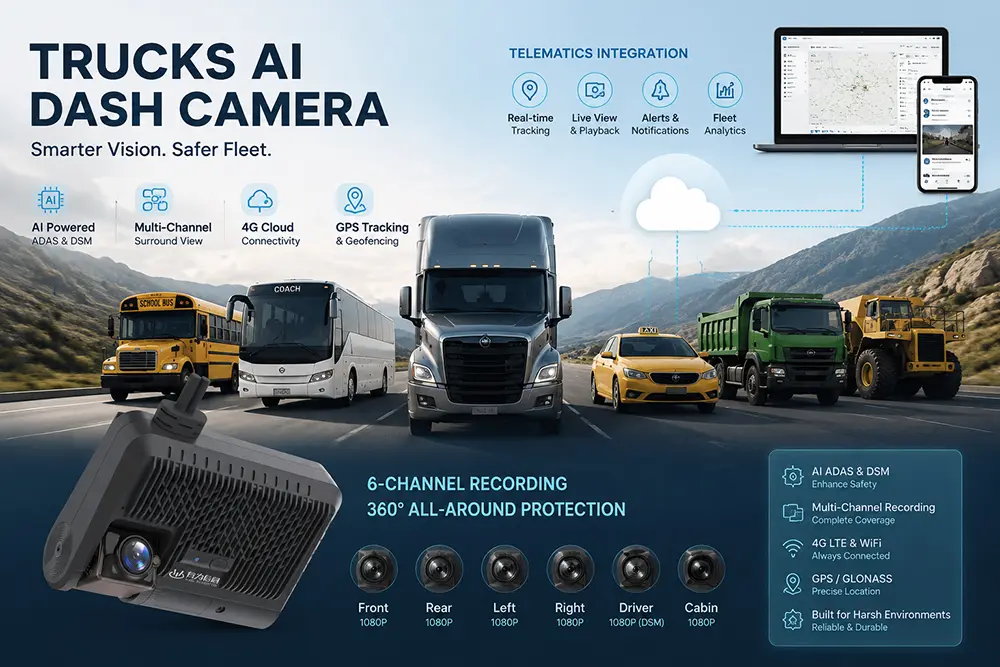
AI Cameras: The Core Component of Modern Fleet Systems
By 2026, AI dash cameras have been upgraded from passive recording devices to proactive safety systems.
Core Capabilities of AI Fleet Camera Systems
• Real-time detection of dangerous driving behaviours such as distracted driving, driver fatigue and tailgating
• Automatic event recognition and video tagging
• Instant on-site alerts for drivers
• Automatic upload of key video footage to the cloud
• Trajectory analysis combined with GPS location data
Different from conventional cameras, AI systems run multiple deep learning algorithms to analyse full-range driving behaviours, rather than only recording video clips after traffic accidents occur.
Integrated Solution: GPS + Cameras + Cloud Platform
Mainstream fleet solutions currently adopt an integrated hardware and software platform that incorporates the following functional modules:
1.Real-Time GPS Tracking System
It collects data including vehicle location, travel routes, driving speed and fuel consumption to support operational scheduling and efficiency optimisation.
2.Dual-Lens AI Camera System
The system consists of two camera modules:
• Forward road-facing camera (to record real-time road conditions)
• In-cabin driver-facing camera (to monitor driver behaviours)
Available functions:
• Real-time video streaming
• Triggered video recording upon accidents or abnormal events
• Automatic risk identification via AI algorithms
3.Cloud-Based Fleet Management Platform
Supported features:
• Cloud video storage and quick footage retrieval
• Driver behaviour analytical reports
• Driver safety scoring system
• Remote real-time monitoring and operational scheduling
For instance, certain systems can automatically flag risky driving behaviours and push alerts to fleet managers for targeted safety training and timely intervention. (Reference: Geotab)
Mainstream Types of Fleet Camera & Management Systems
Based on multiple industry evaluation reports, fleet camera systems in 2026 can be classified into three main categories:
1.Enterprise-Grade AI Fleet Management Platforms
Core Features
• In-depth AI behavioural analytics
• Centralised cloud management
• Excellent compatibility with large-scale fleets
Typical Functionalities
• Automatic recognition of various unsafe driving behaviours
• Real-time live video streaming transmission
• Professional driver safety scoring system
Some advanced platforms can identify more than 60 types of risky driving behaviours to facilitate safety training and traffic accident prevention.
2.Integrated GPS & AI Camera Systems
Core Features
• Combination of GPS positioning technology and AI visual recognition
• Real-time remote monitoring available
• Ideal for medium and large-sized commercial fleets
Typical Functionalities
• Real-time vehicle trajectory tracking
• Comprehensive driver behaviour analysis
• Synchronised playback of recorded videos and vehicle location tracks
This type of system has become the mainstream option with well-balanced cost performance and functional coverage.
3.Intelligent Multi-Channel AI Camera Systems
Core Features
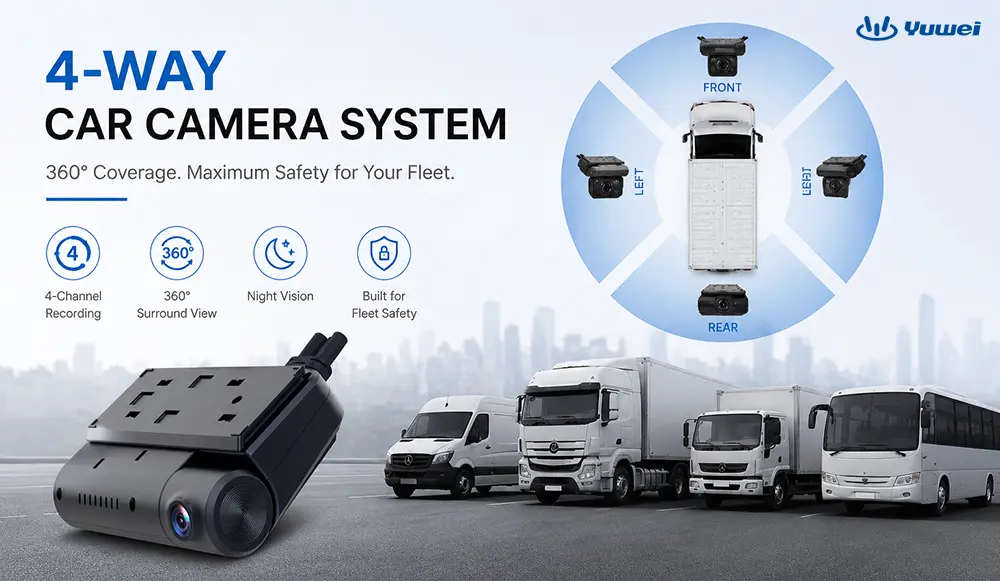
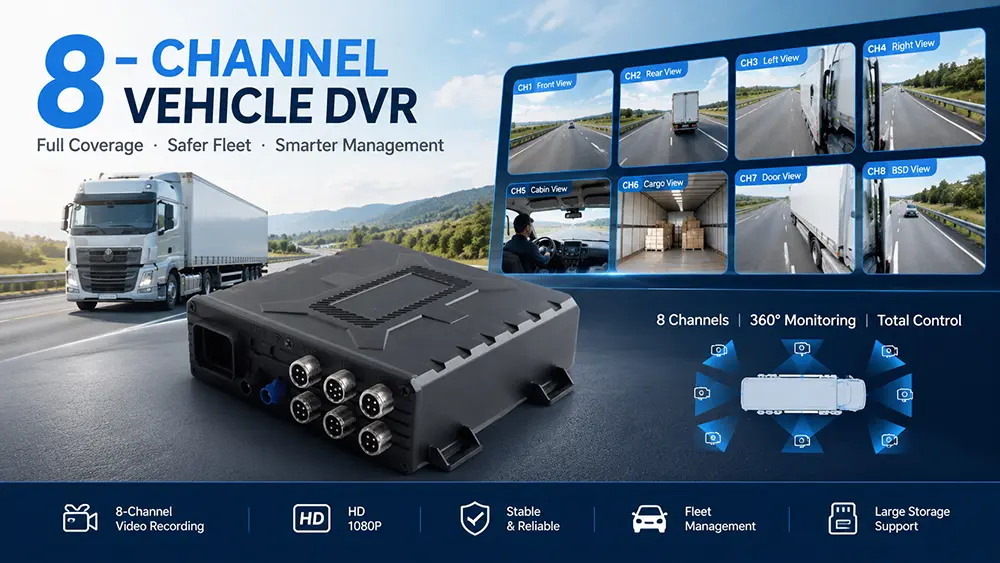
• Multiple cameras covering forward road view, driver cabin and vehicle interior
• Support for 4K high-definition video and multi-channel simultaneous recording
• Night vision and infrared monitoring functions
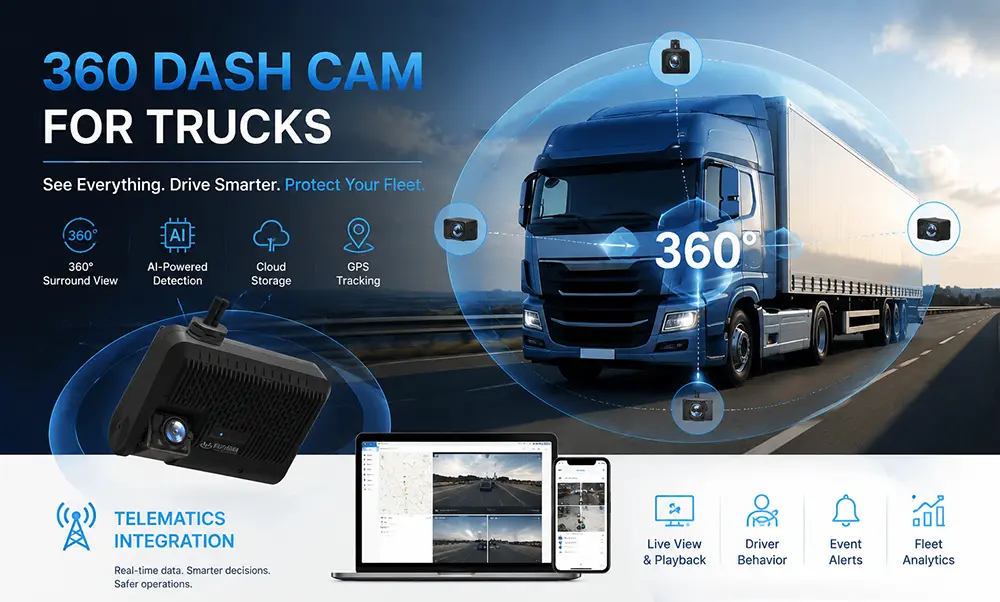
Many newly launched devices adopt a triple-camera solution (front, rear and driver cabin cameras), paired with AI technology to analyse driving environments and issue proactive safety warnings.
Best Recommended Dash Cams for Fleets in 2026
Among various AI fleet camera solutions, the YUWEI V5C Dual-Lens AI Dashcam has been repeatedly selected as a benchmark product in the industry.
1.Product Positioning
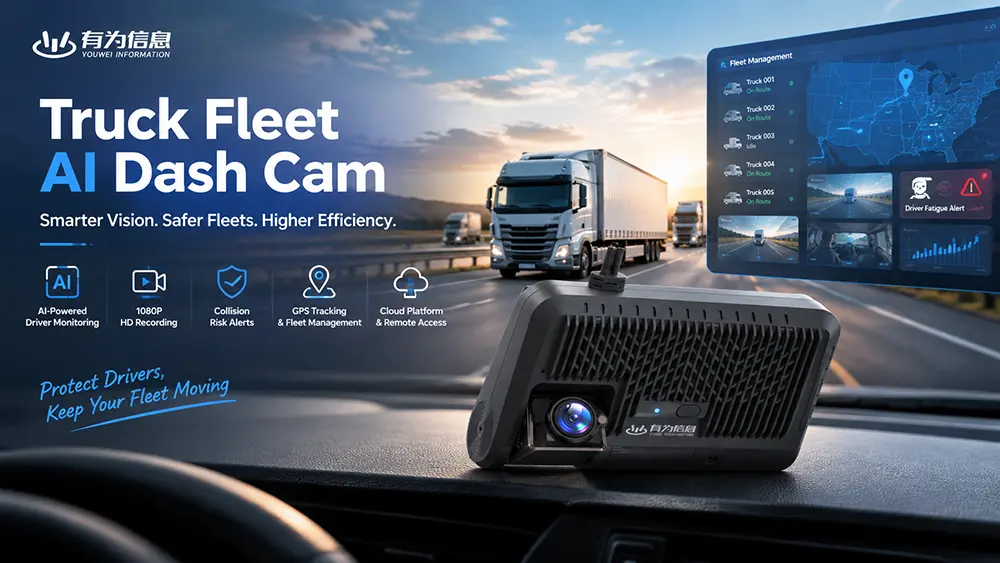
The V5C is a commercial fleet-oriented dual-lens AI dashcam integrated with GPS and 4G communication modules, designed for low-cost large-scale deployment with full-range built-in AI functions.
2.Core Hardware Structure: Dual-Lens Design
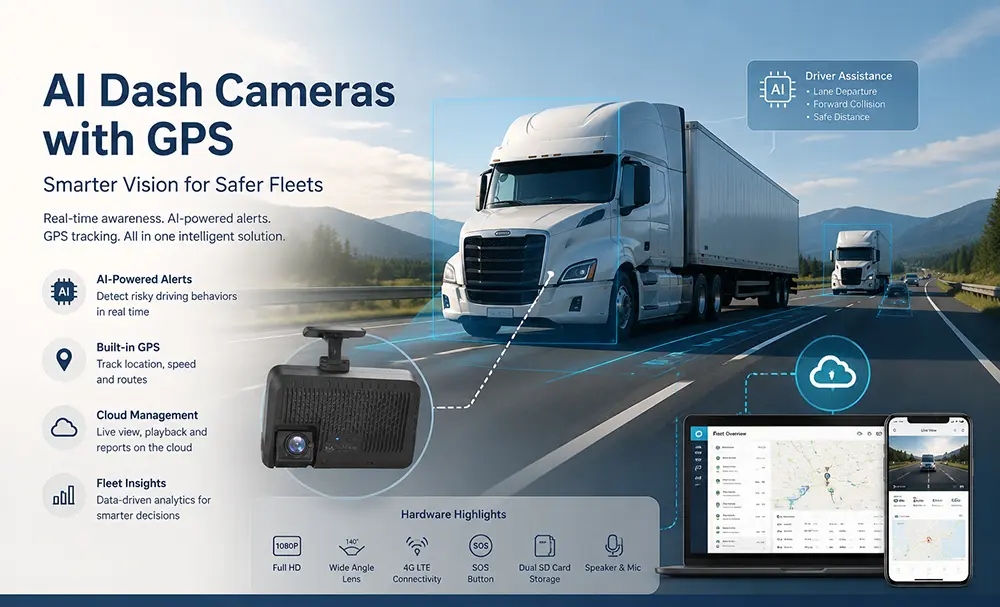
• Front Road Camera: 1080P high definition, 140° wide viewing angle for real-time road condition recording
• In-Cabin Driver Camera: 720P wide-angle lens to monitor driver status
The device delivers dual-dimensional monitoring covering both road conditions and driver behaviours.
3.Built-In AI Safety Functions
1. ADAS (Advanced Driver Assistance System): Forward collision warning and safe following distance monitoring
2. DSM (Driver Status Monitoring): Alerts for driver fatigue, distracted driving and other abnormal states
3. Facial recognition technology for driver identity verification
Equipped with these AI modules, the device provides proactive safety early warnings instead of merely performing passive video recording.
4.GPS & 4G Cellular Communication Capabilities
• Built-in dual-mode positioning module supporting GPS and Beidou satellite systems
• 4G network enables real-time cloud video upload
• Cloud-based historical driving trajectory playback
For fleet management scenarios, the system supports:
• Real-time vehicle location monitoring
• Synchronised playback of video footage and driving trajectories
• Remote vehicle scheduling and operational management
5.Fleet Management Functionalities
• Centralised unified management for multiple vehicles
• Group management by fleet, delivery route or assigned drivers
• Automatic generation of operational data reports
• Statistical analysis of driver behaviours
The device is widely applicable to logistics, ride-hailing, passenger transportation and many other commercial sectors.
6.Applicable Scenarios
• Logistics and freight fleets
• Urban last-mile delivery vehicles
• Online car-hailing & taxi fleets
• Public buses & school buses
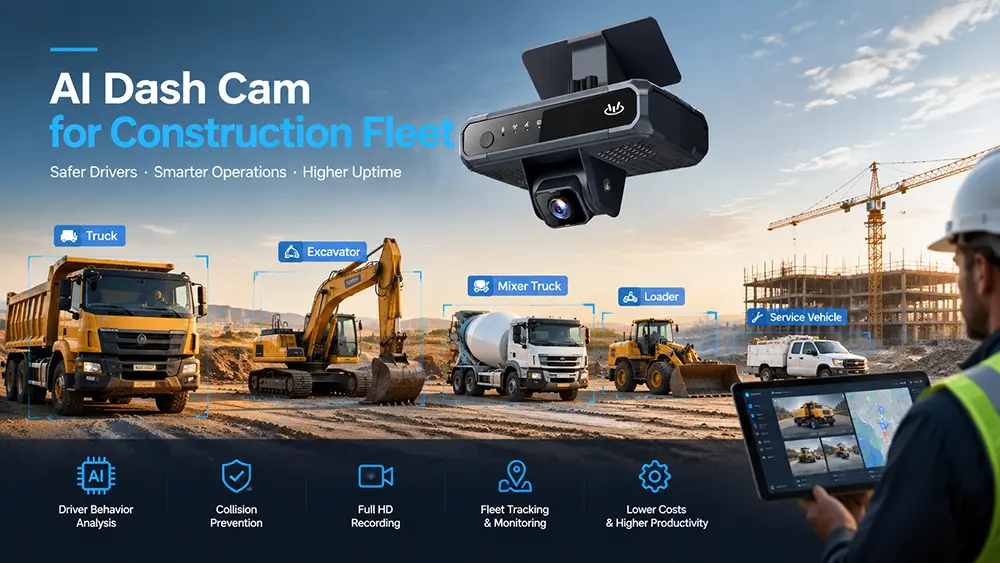
• Construction engineering vehicles
7.Core Competitive Advantages
1. Dual-lens design achieves full coverage of road and driver monitoring
2. Proactive safety early warning powered by advanced AI algorithms
3. Integrated GPS positioning and 4G real-time cloud fleet management
4. Cost-effective solution suitable for large-scale fleet deployment
5. Complete compatibility with cloud-based remote management platforms
Key Criteria for the Optimal Fleet Tracking & Camera System in 2026
Based on comprehensive industry data, a high-performance fleet tracking and camera system must include the following core attributes:
• Real-time GPS vehicle tracking function
• AI-powered driver behaviour recognition technology
• Multi-channel video coverage (front, in-cabin and rear views)
• Cloud storage, remote access and centralised management
• Automatic abnormal event detection and proactive risk early warnings
• Scalable platform architecture to support enterprise-level large fleets
Email:hello@yuweitek.com