










Best Fleet MDVR Management Services
Fleet MDVR Management Services
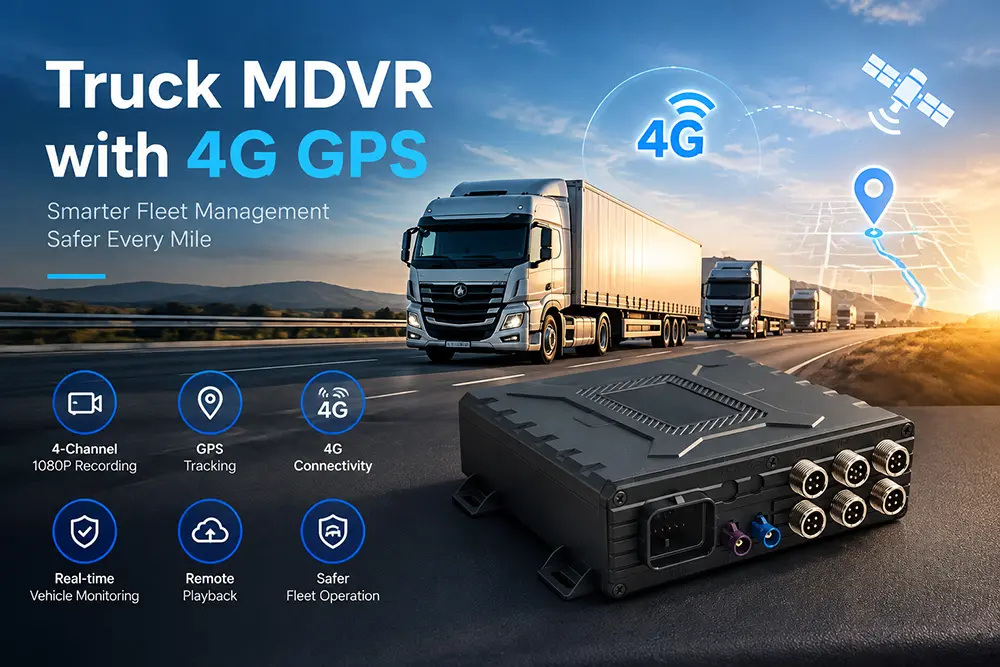
For enterprises planning to operate or upgrade Kuwaiti taxi, ride-hailing, airport transfer, and other passenger transport fleets in 2027, the Mobile DVR (MDVR for short) is becoming a shared fleet management terminal for vehicle security, driver management, passenger safety, GPS positioning, remote video, and regulatory compliance.
In 2026, Kuwait further strengthened the regulation of passenger vehicles using electronic applications. For enterprises providing passenger transport services via electronic apps, in-vehicle cameras and video retention capabilities have become compliance items that fleet operators must seriously consider. Therefore, when choosing an MDVR in 2027, fleet managers cannot just compare "the number of camera channels" and "video clarity," but also need to consider 120-day video retention, 4G remote access, GPS, storage capacity, power failure protection, adaptability to high temperature and dusty environments, as well as fleet platform management.

What is a Taxi MDVR?
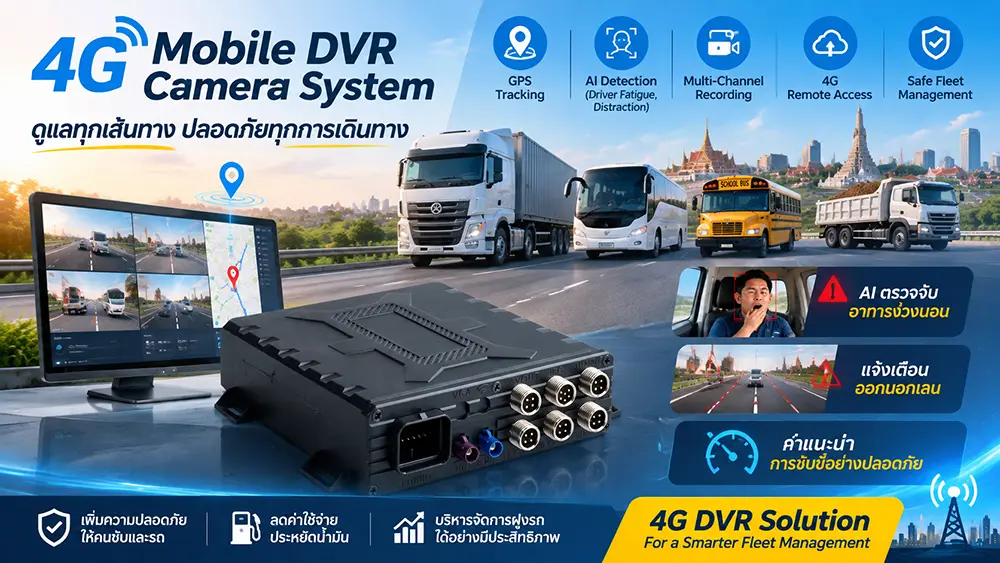
An MDVR used for taxi fleets can usually connect cameras inside the vehicle, in front of the vehicle, at the rear, in the driver's area, and even on both sides of the vehicle simultaneously, integrating video recordings, GPS locations, vehicle operating status, and abnormal events into a single system.
Fleet MDVR management includes:
1.Multi-channel in-vehicle camera recording;
2.In-vehicle passenger area monitoring;
3.Driver area monitoring;
4.GPS/BDS vehicle positioning;
5.4G remote real-time video;
6.Historical tracks and geofencing;
7.Local video storage and remote retrieval;
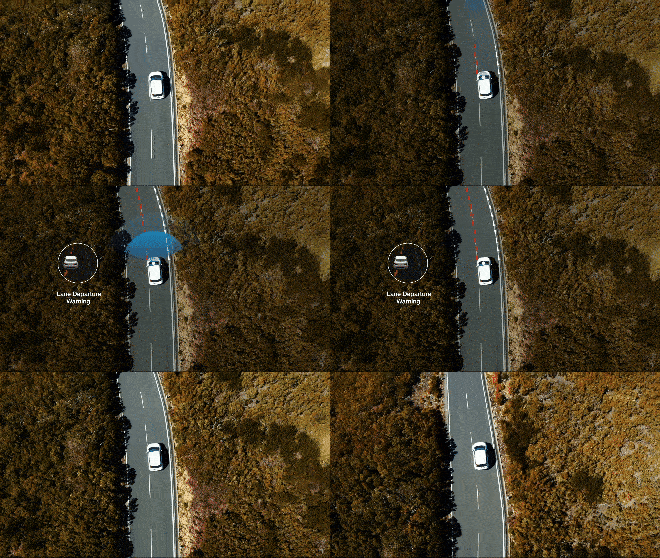
8.ADAS (Advanced Driver Assistance Systems) warnings;
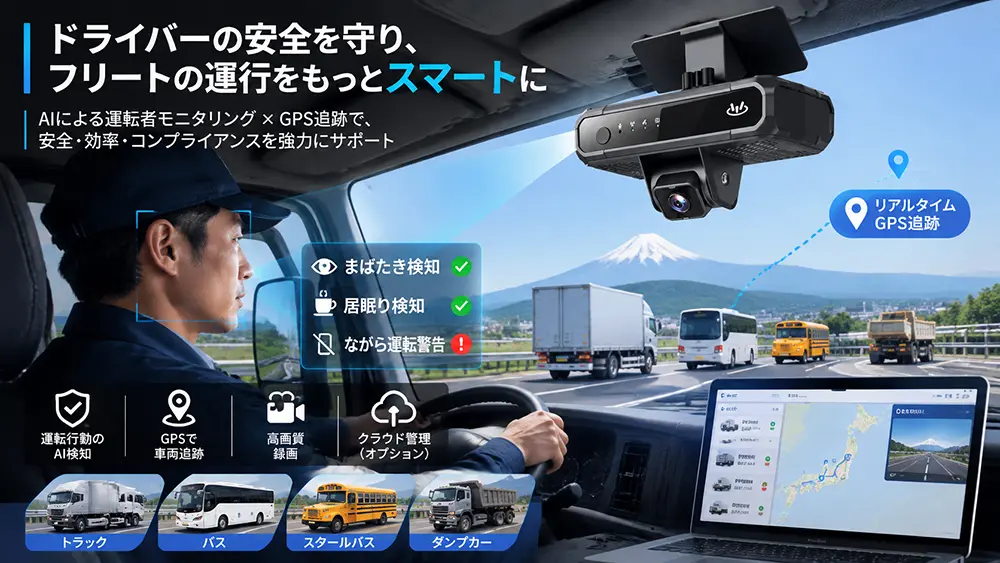
9.DSM (Driver Status Monitoring) for fatigue, distraction, etc.;
10.BSD (Blind Spot Detection);
11.Retention of collision, emergency, and abnormal videos;
12.Device online status and unified fleet management.
Therefore, for operators with 50, 200, or even thousands of taxis, what they really need to purchase is not just a "video recorder," but a Fleet Video Telematics system that can operate continuously.
As of November 2026, the Kuwait Central Statistical Bureau website publicly shows there are currently 14,815 taxis; if based on "one MDVR host per vehicle," the theoretical MDVR equipment pool corresponding to the existing taxi market could reach approximately 14,815 units.
Taxi MDVR Recommendations: F4 and F6
For Kuwaiti taxi and ride-hailing projects, YUWEI currently has two MDVR devices worth comparing closely: the F4 Mobile DVR and the F6 Full HD Car DVR.
F4: Taxis and Large-Scale Ride-Hailing Fleets
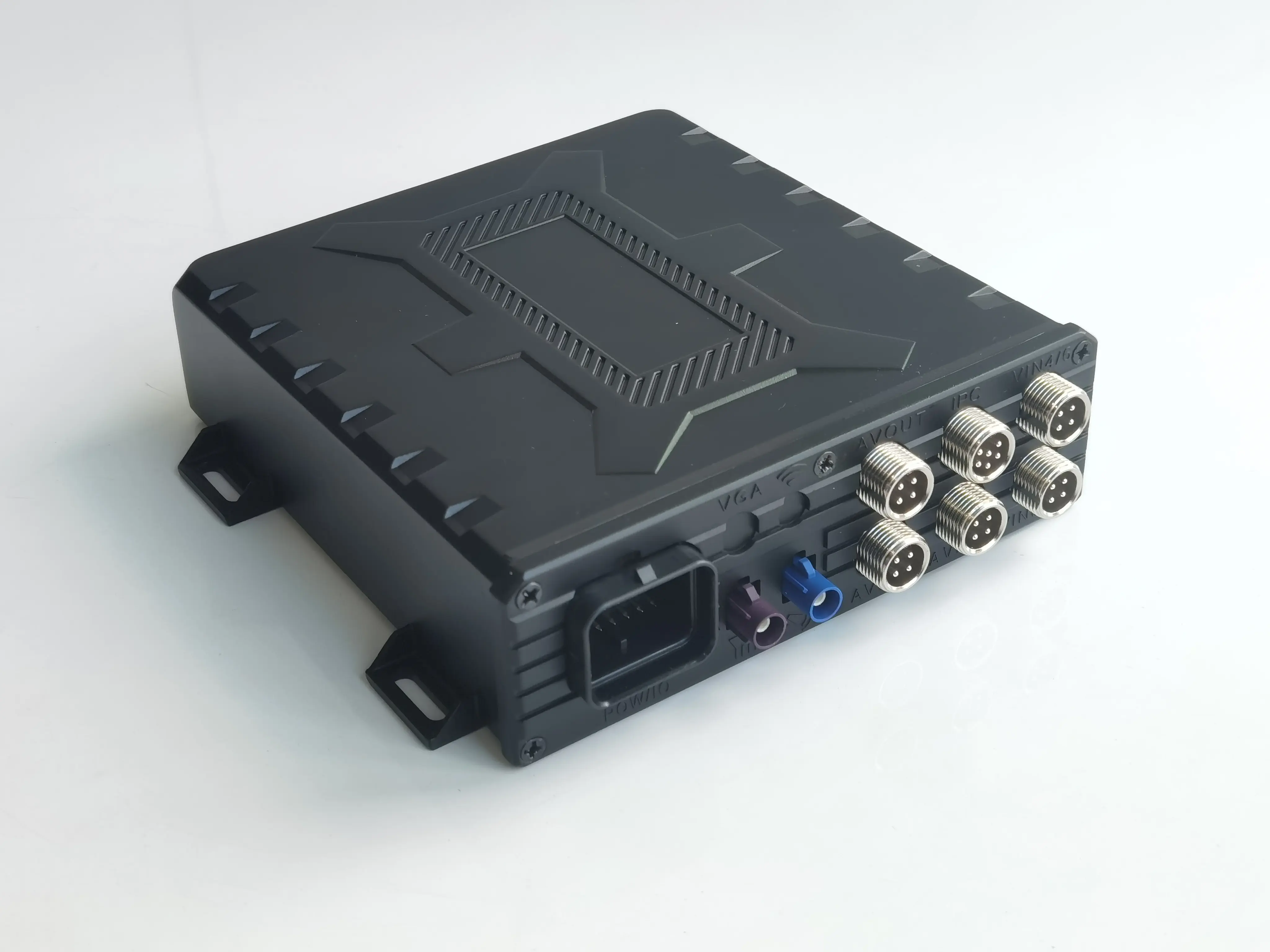
The F4 adopts an industrial-grade platform, integrating 4G, Wi-Fi, GPS/BDS, multi-channel recording, and AI driving safety expansion functions into one MDVR. It supports up to 6 channels of AHD/CVBS video input, some of which can provide 1080P video, while also offering an IPC video interface to expand driving safety features like ADAS, DSM, and BSD. For Kuwaiti taxis, a very practical advantage of the F4 is storage. The F4 can use a 2.5-inch mechanical hard drive (HDD) or SSD, supporting up to 2TB, while also providing an SD card solution. For fleets that require extensive in-vehicle recording, road recording, and accident evidence preservation, this storage architecture is much more suitable for long-term fleet operations than relying solely on small-capacity memory cards.
Meanwhile, the F4 supports UPR power failure recording protection, vehicle battery low-voltage protection, and storage media protection, which can reduce the risk of losing the last crucial segment of video due to a sudden vehicle power loss.
F6: Mobile DVR
If vehicle equipment faces dust, moisture, or a more demanding installation environment over the long term, the YUWEI F6 can be a key consideration. The F6 features an IP67 protection design, an operating temperature range of -30℃ to 70℃, an operating voltage of 9–32V, and supports up to 6 channels of AHD/CVBS video input. It also integrates 4G, Wi-Fi, and GPS/BDS, with optional RTK high-precision positioning and inertial navigation. For Kuwait, IP67 is particularly noteworthy.
Kuwaiti vehicles not only face high temperatures but also frequently encounter sand and fine particulate dust. If the MDVR is not installed in a completely enclosed, dry passenger cabin environment, the device's dustproof and waterproof capabilities will directly impact its long-term stability.
The F6 uses SD card storage; official specifications show a single SD card can support up to 2TB. It also features UPR power failure recording protection, low-voltage protection, and a storage design that prevents video files from being arbitrarily modified.
It is important to note that IP67 means stronger dust and water resistance, but it does not mean the device can indefinitely withstand the high temperatures of a vehicle exposed to the sun. Whether choosing the F4 or F6, when installing in Kuwait, it is recommended to avoid the engine compartment, areas exposed to direct sunlight, and enclosed locations where heat cannot dissipate.
F4 Mobile DVR vs. F6 Specifications Comparison
Detailed specifications of the F4 show that its body protection level is IP54, it supports up to 6 channels of AHD/CVBS, GPS/BDS, 4G, and can be configured with up to a 2TB 2.5-inch HDD or SSD; the main differences of the F6 are its IP67 structure, up to 2TB SD storage, and positioning expansion capabilities such as RTK and inertial navigation.
How Should Kuwaiti Taxi Fleets Choose?
If it is a company with 100 standard sedan-type taxis or ride-hailing vehicles, and the equipment is mainly installed in relatively dry locations like the passenger cabin, under the seats, or in the trunk, I recommend evaluating the YUWEI F4 first.
The reason is not that the F4's parameters are definitively higher than the F6's, but rather that its product positioning, HDD/SSD storage, and multi-channel recording architecture are more aligned with the large-scale deployment and video management needs of general commercial fleets.
If the vehicles face a lot of sand and dust over the long term, the equipment installation environment cannot completely isolate moisture, or the project simultaneously requires better device sealing, RTK positioning, and adaptability to more complex vehicle operating environments, then the F6's IP67 design will be more valuable.
Why is MDVR Particularly Suitable for Kuwaiti Taxis and Ride-Hailing Vehicles?
1. Meeting Needs for In-Vehicle Recording and Long-Term Evidence Preservation
Kuwait's Decision No. 893/2026 has explicitly required in-vehicle cameras for passenger vehicles using electronic applications, and mandated a video retention time of no less than 120 days. Therefore, stable recording, storage health detection, and video export will become critical foundational capabilities for fleet operations in 2027.
3. Remote Fleet Management
Through 4G and GPS, the fleet management center can place "where the vehicle is" and "what happened to the vehicle" within the same management system.
For operators of hundreds of vehicles, this makes it much easier to form a unified management process than installing a separate GPS Tracker and a standard Dash Cam.
4. Driver Safety
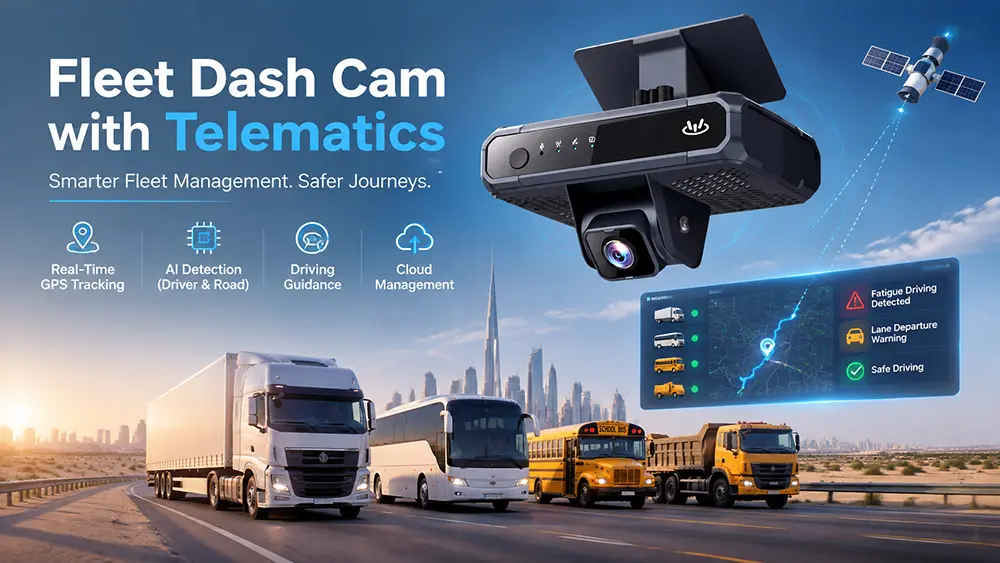
Through AI functions such as ADAS, DSM, and BSD, it is possible to further identify or warn against forward collision risks, lane departure, fatigue driving, distracted driving, phone calls, and certain blind spot risks. Both the F4 and F6 have relevant expansion capabilities.
5. High Temperature and Dusty Environments
The official operating temperature range for both the F4 and F6 reaches -30℃ to 70℃, while the F6 additionally offers IP67 protection. When purchasing equipment in Kuwait, wide temperature tolerance, dust resistance, power protection, and storage stability are usually more worthy of attention than simply pursuing the highest video resolution.
Conclusion:
Kuwait has a base of over 14,000 taxis of various types, and the 2026 Ministerial Decision No. 893/2026 further strengthened the requirements for in-vehicle recording and 120-day retention for e-hailing passenger vehicles. For standard taxis and large-scale ride-hailing fleets, the YUWEI F4 is more worthy of priority evaluation; for projects requiring IP67 protection, adaptability to more complex environments, or RTK positioning, the YUWEI F6 is more suitable. Before the final purchase, the ultimate SKU should be confirmed based on local Kuwaiti operators' 4G frequency bands, number of cameras, 120-day recording capacity, installation locations, and fleet management platform interfaces, rather than placing an order solely based on basic product parameters.
Email:hello@yuweitek.com