













Travel Trailer Backup Camera System
Travel Trailer Backup Camera System Solution
The YUWEI Travel Trailer Camera System eliminates blind spots and provides a surround view function for RVs, trucks, and specialty vehicles, including excellent backup camera functionality for trailers. Our wireless RV backup camera system offers robust and stable long-distance digital signals. Are travel trailers and RV camping your favorite hobbies? The YUWEI Travel Trailer Camera System enhances your safety while driving or traveling. If you are interested in our products, please email us at hello@yuweitek.com.
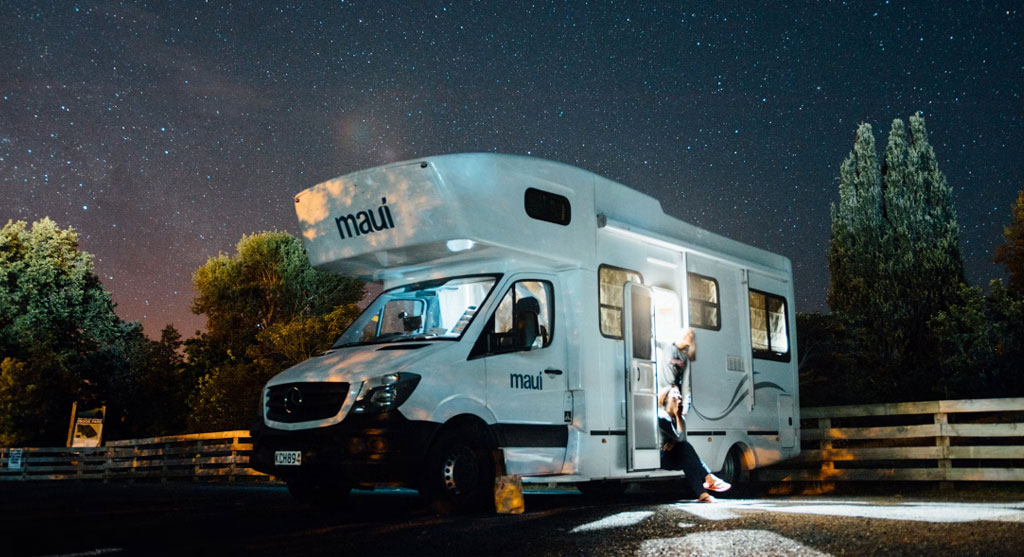
Why Travel Trailers Need Backup Cameras
Why should travel trailers be equipped with backup cameras? It is advisable to have a backup camera to provide protection while reversing. These cameras are typically installed at the rear of the travel trailer, but can also be positioned inconspicuously near the front or license plate area. The choice depends on personal preference.
If you are considering installing a camera system on your travel trailer, you may want to understand how the equipment operates. Travel trailer backup cameras come in two basic types: wireless and wired. Wired backup camera systems require a wire to be threaded through the trailer to reach their location, whereas wireless backup cameras do not require installation through the travel trailer. Additionally, hardwired backup cameras typically require more installation time and labor as wires need to be routed through the travel trailer for monitoring.
How Many Cameras Should Travel Trailers Have
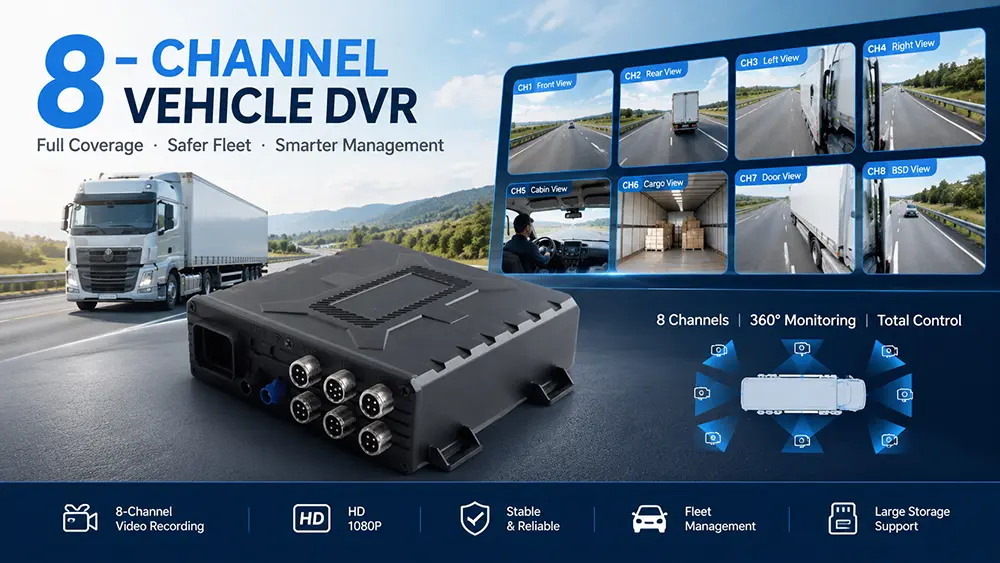
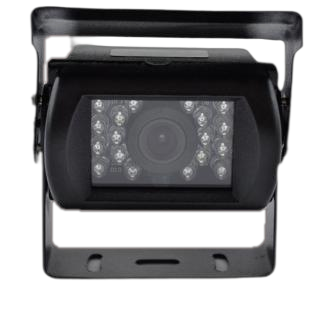
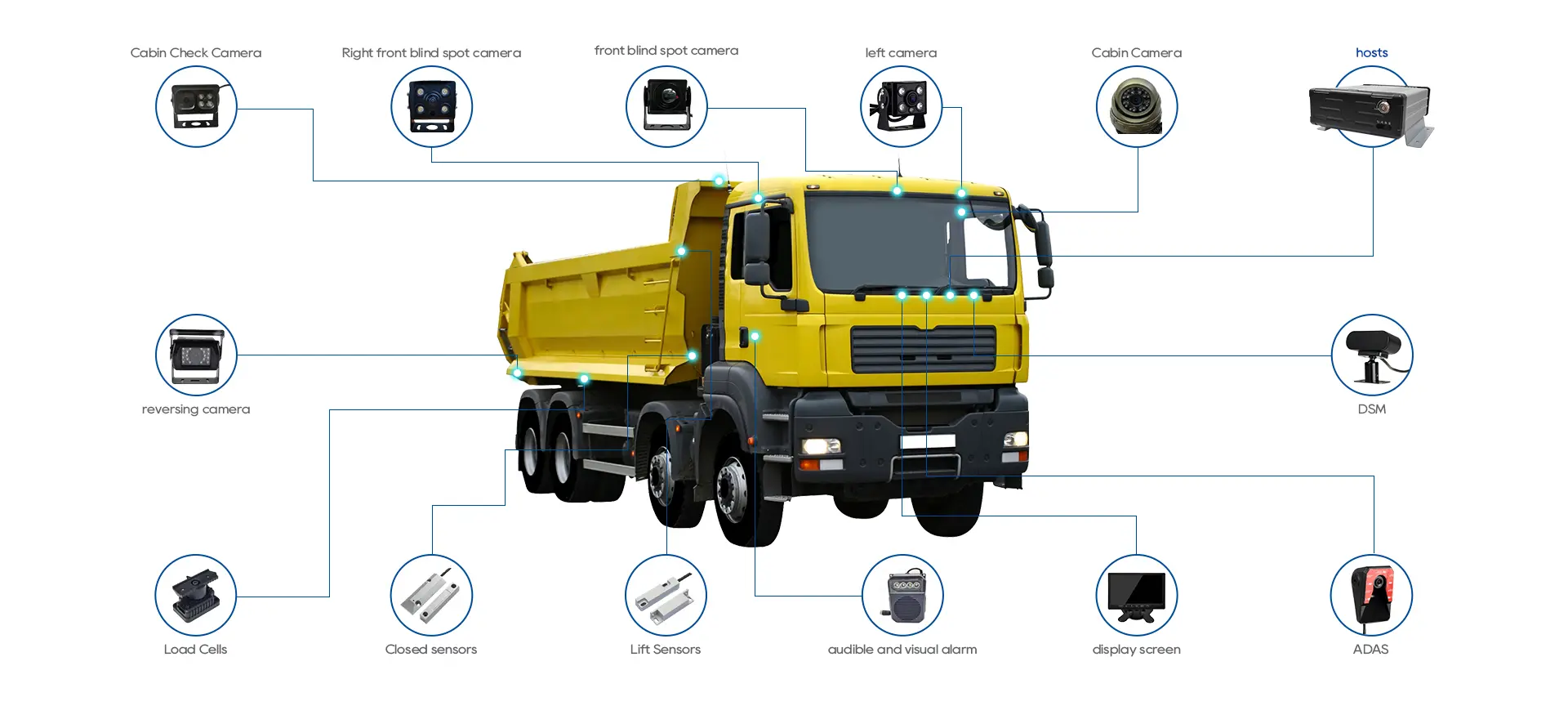
Most systems include a backup camera, which helps you see objects behind the travel trailer while reversing. These cameras can produce wide-angle images, with some even featuring night vision capabilities. Depending on your needs, cameras can be installed on the sides and rear of the vehicle. We recommend installing one rear-view camera, two side-view cameras, and an ultrasonic parking sensor system for each travel trailer, along with an MDVR main unit and front and rear camera dashcams.
Cost of Travel Trailer Camera Systems
There are several reasons for purchasing a fifth-wheel camper camera system. One of the most significant factors is safety. Using cameras to monitor a fifth-wheel camper is a prudent way to protect it. Not only does it safeguard your property, but it also alerts you to potential dangers while reversing. Cameras can legally record any incidents. The cost of a fifth-wheel camper camera system ranges from $100 to $200, making it a worthwhile investment.
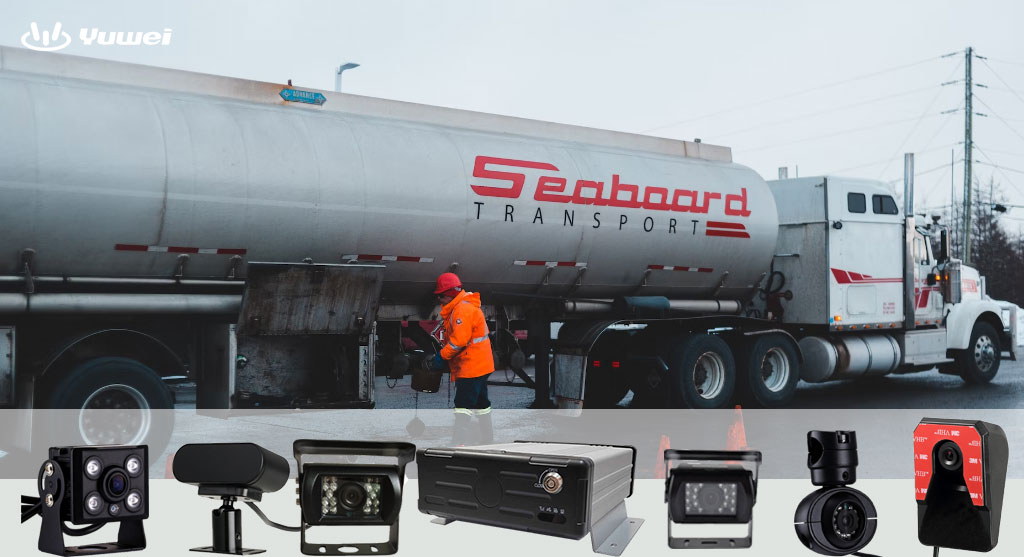
Utilize these customizable rear-view safety backup camera systems, dashcams, reverse sensors, driver fatigue systems, mobile DVRs, and safety accessories to safely complete tasks, designed specifically to meet the unique needs of travel trailers. Our safety solutions cater to various travel trailer requirements and are fully customizable. Drive safely on busy roads, receive blind spot alerts, transmit video clips remotely, warn pedestrians with loud alarms while reversing, and record accidents or collisions for legal matters. Back up confidently even with large trailers! Utilize these vehicle safety solutions to reduce expenses and save lives. Our trailer camera systems provide drivers with comprehensive, real-time visual and auditory information for making the safest, most informed decisions on the road, day or night.