












Brazilian Taxi DVR Dash Cam System
Brazilian Taxi DVR Dash Cam
The taxi & ride-hailing industry in Brazil is in a sustained expansion phase. According to the latest market research, Brazil’s taxi and ride-hailing mobility market scale exceeded the USD 184 billion mark in 2026 (one of the core growth markets in Latin America), maintaining an approximate annual compound growth rate (CAGR) of around 16%. Meanwhile, the number of local taxi and ride-hailing drivers in Brazil keeps rising, strongly driven by urbanization and digital mobility platforms. At the same time, the Brazilian government has recently launched a vehicle renewal credit program worth roughly USD 6 billion for drivers and taxis, further accelerating fleet renewal and intelligent upgrading. Under current development trends, the scale of taxis and ride-hailing vehicles in Brazil is expected to maintain a conservative annual growth rate of about 4%–7% over the next 3–5 years, continuously boosting rapid penetration of DVR camera systems, fleet tracking management and telematics solutions.
Against this backdrop, fleet management relying solely on traditional GPS positioning can no longer meet operational demands. Brazil’s taxi industry is rapidly shifting to intelligent systems centered on DVR video recording + AI driving analytics + cloud-based telematics.
Why Brazil’s Taxi Industry Needs DVR Camera Systems
Urban taxi operations in Brazil feature several typical characteristics:
• Severe urban traffic congestion and high accident frequency
• High proportion of night shifts with more prominent safety risks
• Frequent passenger disputes over routes, fares and conduct
• Coexistence of ride-hailing vehicles and traditional taxis leading to complex supervision
• Non-negligible risks of robbery, theft and sudden incidents
Traditional GPS systems can only answer “where the vehicle is”, yet fail to resolve more critical questions:
• Whether drivers engage in dangerous driving behaviors
• Whether passenger disputes or complaints occur
• Circumstances involving route detours, harsh braking and speeding
• How to restore the full truth when accidents take place
• Occurrence of in-vehicle safety incidents (conflicts, harassment, robbery or theft)
For this reason, the Brazilian taxi industry requires a complete on-board safety system featuring visualization, traceability and controllable management.
Architecture of Brazilian Taxi DVR Camera Systems
A standard intelligent taxi monitoring system consists of three layers:
On-board Device Layer + Communication Network Layer + Cloud Telematics Platform
The system captures interior and exterior vehicle footage via multiple cameras, combined with GPS positioning and AI algorithms to deliver the following functions:
• Real-time vehicle location tracking
• Interior and exterior video surveillance
• Driving behavior analysis
• Incident alerting and recording
• Remote cloud dispatching and management
Ultimately, taxis are upgraded from mere transport vehicles into mobile data nodes.
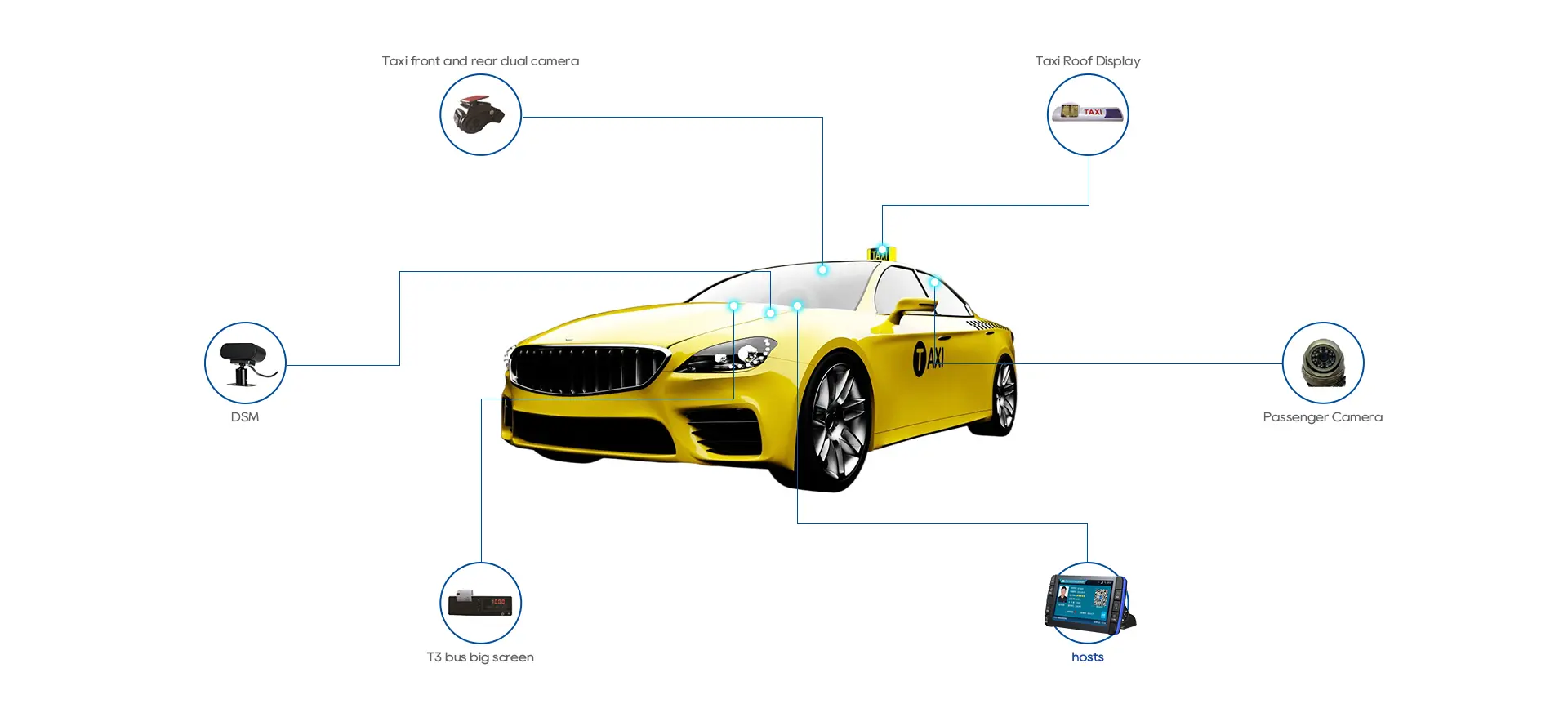
Core Hardware System Components
1. Dash Cam
The dash cam serves as the most fundamental component of taxi systems, recording front road conditions and full driving processes.
Core functions:
• High-definition forward video recording
• Synchronous GPS trajectory logging
• 4G remote real-time video access
• Automatic footage locking upon collisions or harsh braking
• Remote background data retrieval
It applies to urban taxis, compact ride-hailing vehicles and short-distance transport vehicles for basic safety documentation and accident evidence collection.
2. MDVR
The MDVR acts as the central processing hub of the entire taxi video system, managing multi-channel cameras and data fusion.
Supported camera connections:
• Front road camera
• Rear vehicle camera
• In-cabin passenger camera
• Driver monitoring camera
• Side/blind-spot cameras
Core capabilities:
• Synchronized multi-channel video recording
• Integrated GPS and video data
• Remote cloud administration
• Triggered recording for alert events
For fleet operators, MDVR enables full 360° traceable management of all on-board behaviors.
3. ADAS
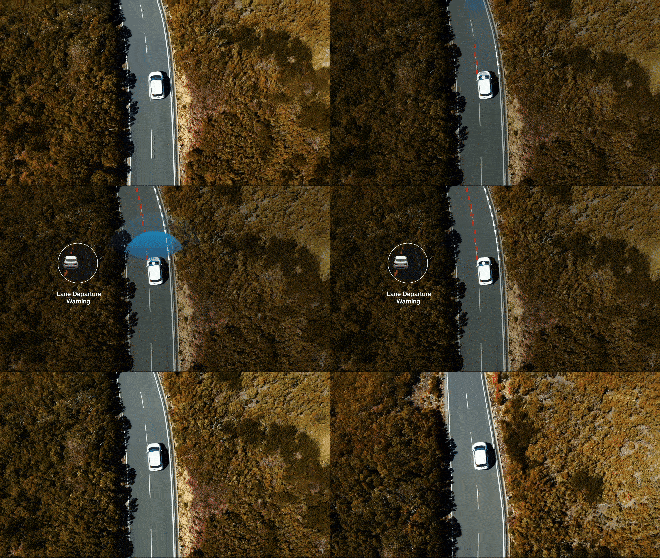
The ADAS system identifies forward road hazards through AI visual recognition and delivers real-time early warnings to drivers.
Recognizable risks:
• Forward collision hazards
• Lane departure
• Insufficient following distance
• Pedestrian crossing risks
Within Brazil’s complex urban road environments, ADAS effectively reduces:
• Rear-end collisions
• Risks of high-speed hard braking
• Accidents caused by poor nighttime visibility
4. DSM | Driver Status Monitoring System
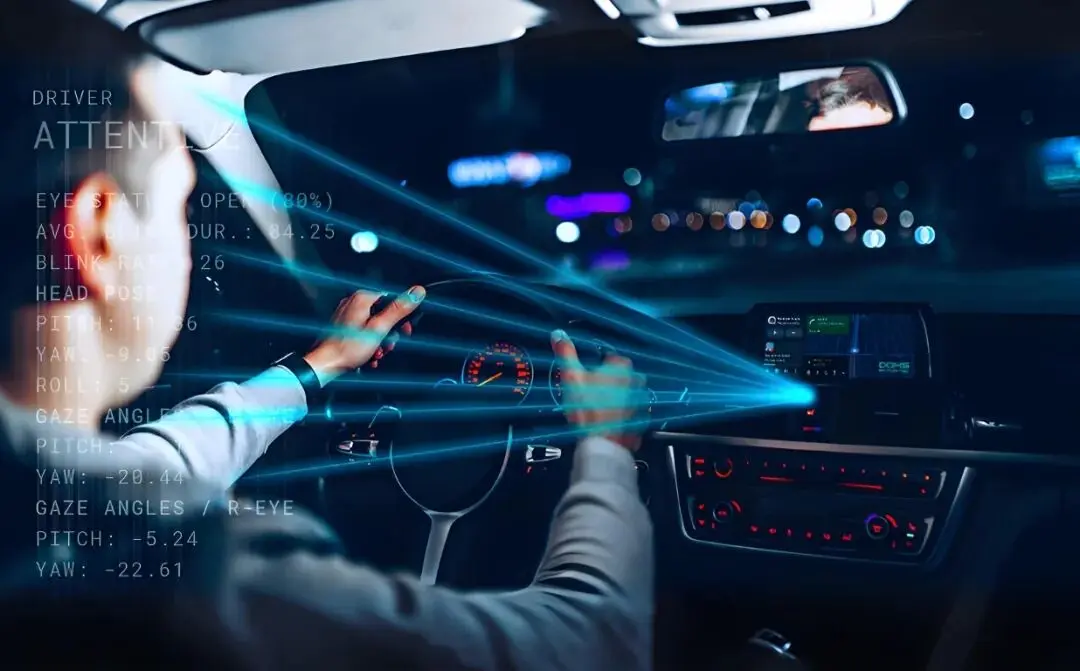
Installed inside the vehicle, the DSM analyzes drivers’ behavioral conditions in real time.
Detectable unsafe states:
• Drowsy driving (yawning, eyes closed)
• Distracted driving (mobile phone usage)
• Hazardous conduct (smoking, handheld calling)
• Prolonged loss of attention
Upon detection of risky behaviors, the system triggers the following reminders:
• Voice alerts
• Audible buzzer alarms
• Backend management notifications
This enables proactive risk prevention rather than post-incident remediation.
5. 360° Surround View System | Full Panoramic Safety Coverage for Taxis
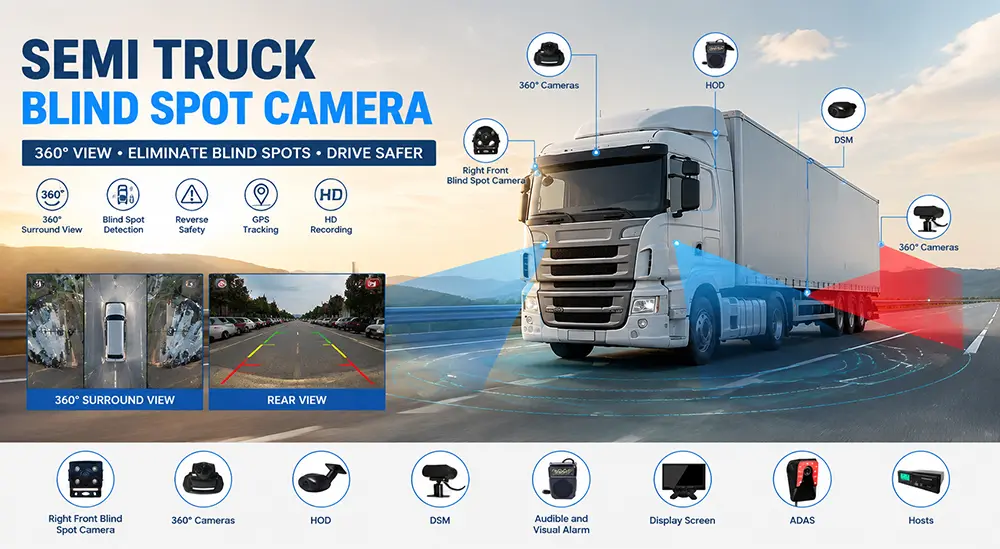
The 360° surround view system addresses taxis’ most prevalent hazard: blind-spot risks.
Coverage scope:
• Pedestrians surrounding the vehicle
• Blind zones during low-speed nighttime travel
• Parking and U-turn zones
• Narrow urban road conditions
Ideal application scenarios:
• High-density traffic in downtown São Paulo
• Airport transfer vehicles
• Night-shift taxis
6. On-board Display | Visual Driving Assistance System
The on-board display presents real-time camera feeds to enhance drivers’ intuitive situational judgment.
Core functions:
• Rearview backup footage display
• Multi-camera view switching
• Real-time blind-spot prompts
• Linked alert notifications
It lessens drivers’ reliance on physical rearview mirrors and improves overall driving safety.
Core Value of Telematics
The core strength of taxi systems extends far beyond simple video recording — it lies in digitalized operational management capabilities.
The system aggregates multi-dimensional data streams:
• GPS positioning data
• Video surveillance data
• Driving behavior analytics data
• Incident alert logs
• Operational dispatching data
These datasets form a closed-loop digital management workflow.
1. Real-time Vehicle Tracking
• Live location monitoring
• Historical driving trajectory playback
• Detection of abnormal travel routes
Suitable for ride-hailing platform dispatching and taxi fleet administration.
2. Video Evidence for Passenger Disputes
Used to resolve the following scenarios:
• Passenger service complaints
• Fare disagreements
• Behavioral conflicts between riders and drivers
• Post-hoc review of safety incidents
Recorded video footage serves as direct, admissible evidence.
3. Driving Behavior Analytics System
The system automatically flags risky driving patterns:
• Speeding violations
• Abrupt hard braking
• Drowsy driving episodes
• Distracted driving events
It generates standardized driver scoring metrics to support:
• Staff performance evaluation
• Targeted safety training
• Fleet risk mitigation
4. Operational Efficiency Optimization
Data analytics drives improvements across key operational metrics:
• Optimized trip routing for ride order fulfillment
• Reduction of empty mileage
• Lower fuel consumption costs
• Higher dispatching efficiency
This lifts the overall profitability of taxi fleets.
5. Risk & Safety Administration
After traffic accidents occur, the system delivers the following support:
• Full reconstruction of incident timelines and sequences
• Clear liability identification
• Verifiable evidence for insurance claims
• Cut-down legal and dispute resolution expenses
Typical Application Scenarios in Brazil
1. Urban Taxi Operations
• High-density traffic environments
• Frequent passenger pick-ups and drop-offs
Recommended configuration: Dash Cam + DSM + GPS
2. Ride-hailing Platform Vehicles
• Strict platform regulatory compliance requirements
• Elevated passenger safety standards
Recommended configuration: Dash Cam + MDVR + DSM + Cloud Platform
3. Airport & Premium Transfer Services
• Secured luggage transport
• Premium passenger travel experience
Recommended configuration: Dash Cam + 360° Surround View + On-board Display + ADAS
4. Night-shift Vehicles
• Heightened personal safety threats
• Elevated accident occurrence rates
Recommended configuration: DSM + ADAS + On-board Display + Dash Cam
Summary of System Value
Core intelligent upgrade roadmap for Brazilian taxi DVR camera systems:
GPS Positioning → Video Surveillance → AI Driving Analytics → Cloud Dispatching → Full-process Traceable Management