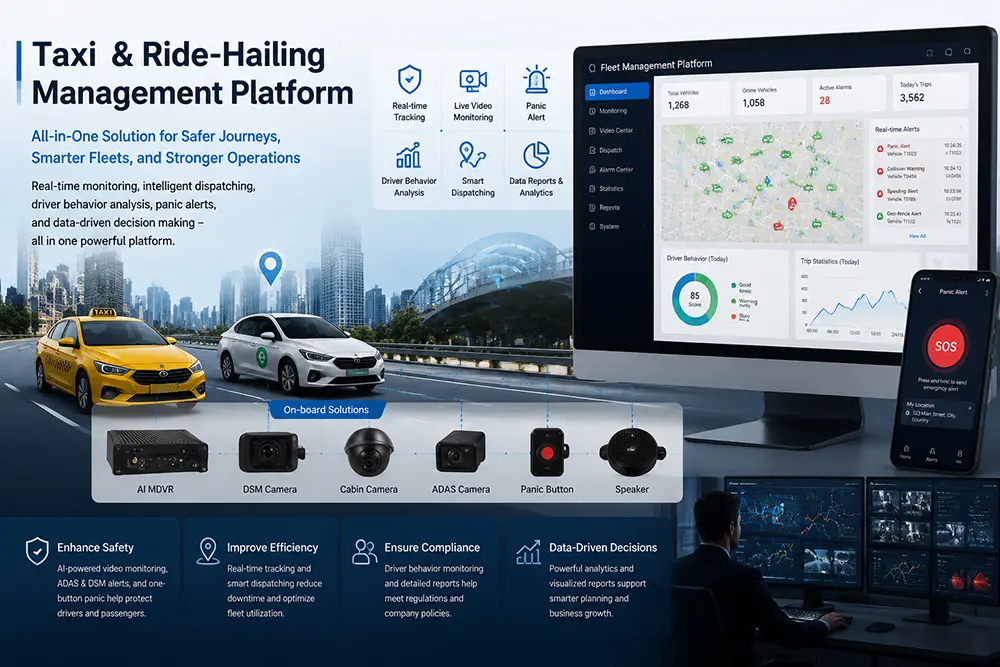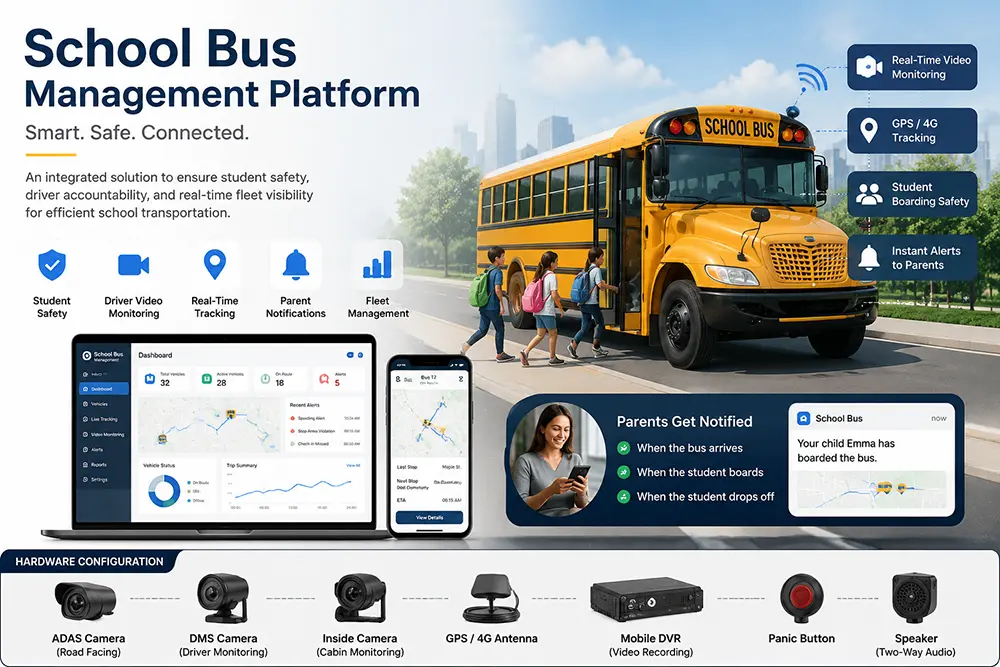














Argentine Taxi DVR Dash Cam System
Argentine Taxi Tracking Management
The taxi and ride-hailing industry in Argentina is undergoing simultaneous structural expansion and digital transformation. According to global shared mobility market statistics, the overall global market size of taxis and ride-hailing services surpassed the USD 300 billion threshold in 2023, with particularly robust growth across Latin America. As one of the core urban markets in the region (represented by Buenos Aires), Argentina has long maintained a high taxi density and a considerable penetration rate of platform-based mobility services ([WifiTalents][1]). Driven by persistent urban traffic congestion, rising market share of platform-based trips and shifting driver supply structures, Argentina’s taxi and ride-hailing fleets are projected to sustain a conservative annual growth rate of roughly 4%–6% over the next 3–5 years, continuously fueling large-scale adoption of DVR camera systems, fleet tracking management and telematics solutions.

Why the Argentine Taxi Industry Needs DVR Camera Systems
Taxi operations in Argentine cities feature highly typical Latin American urban characteristics:
• Severe traffic congestion in major cities including Buenos Aires
• Coexistence of traditional taxis and ride-hailing services
• High proportion of night-shift operations
• Frequent passenger disputes and route disagreements
• Public security hazards and unexpected safety risks in certain districts
Conventional GPS systems can only provide location data, yet fail to address the following critical pain points:
• Occurrences of dangerous driving (sudden braking, speeding, aggressive lane changes)
• Route detours and route-related disputes
• Authenticity verification of passenger complaints
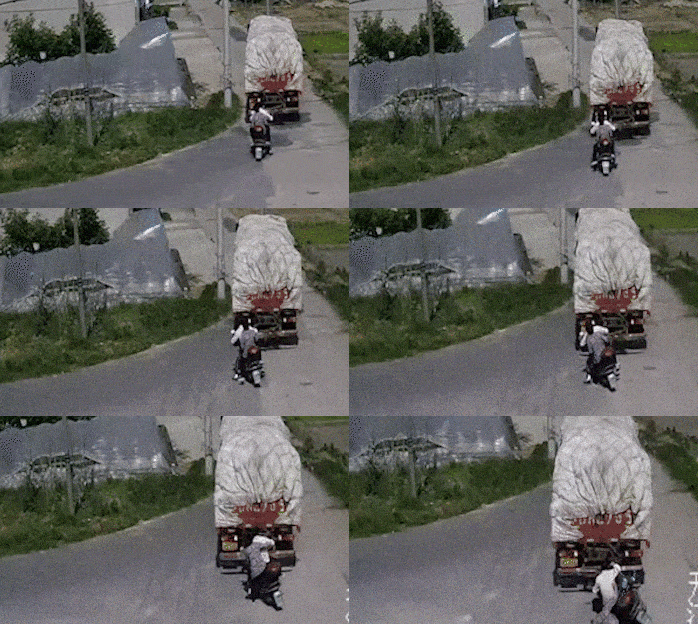
• Liability reconstruction in traffic accidents
• In-vehicle safety incidents (conflicts, robberies, harassment)
For this reason, Argentina’s taxi industry is shifting from simple location tracking management to a video-based, data-driven, traceable management framework.
Overall Architecture of Argentine Taxi DVR Systems
A standard intelligent taxi system consists of three tiers:
On-board Hardware Layer + Communication Network Layer + Cloud Telematics Platform
The system captures interior and exterior vehicle footage via multi-channel cameras, combined with GPS positioning and AI algorithms to deliver the following capabilities:
• Real-time vehicle location tracking
• In-car and road-side video surveillance
• Driving behavior analytics
• Alert notifications for risk incidents
• Remote cloud dispatching and administration
Vehicles are transformed from basic transport tools into visualized Mobile Data Nodes.
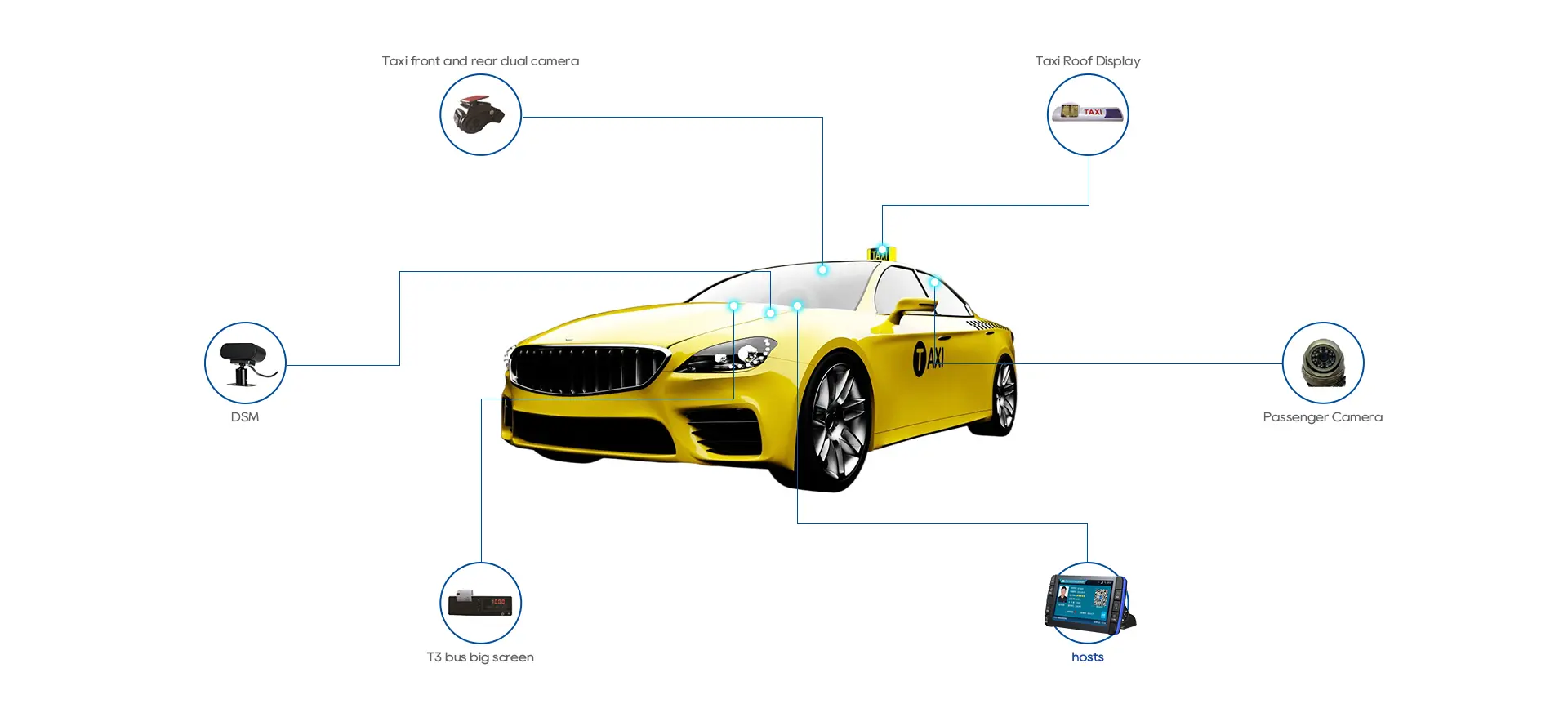
Core Hardware System Components
1. Dash Cam – Basic Driving Recording Device
Dash Cams serve as the foundational hardware for taxi fleets, recording forward road conditions and driver behavior.
Core Functions
• High-definition forward video recording
• Synchronized GPS trajectory logging
• 4G-enabled remote real-time live view
• Automatic footage locking upon collisions or hard braking
• Remote data retrieval via backend platforms
Applicable to urban taxis, compact ride-hailing vehicles and privately operated mobility cars.
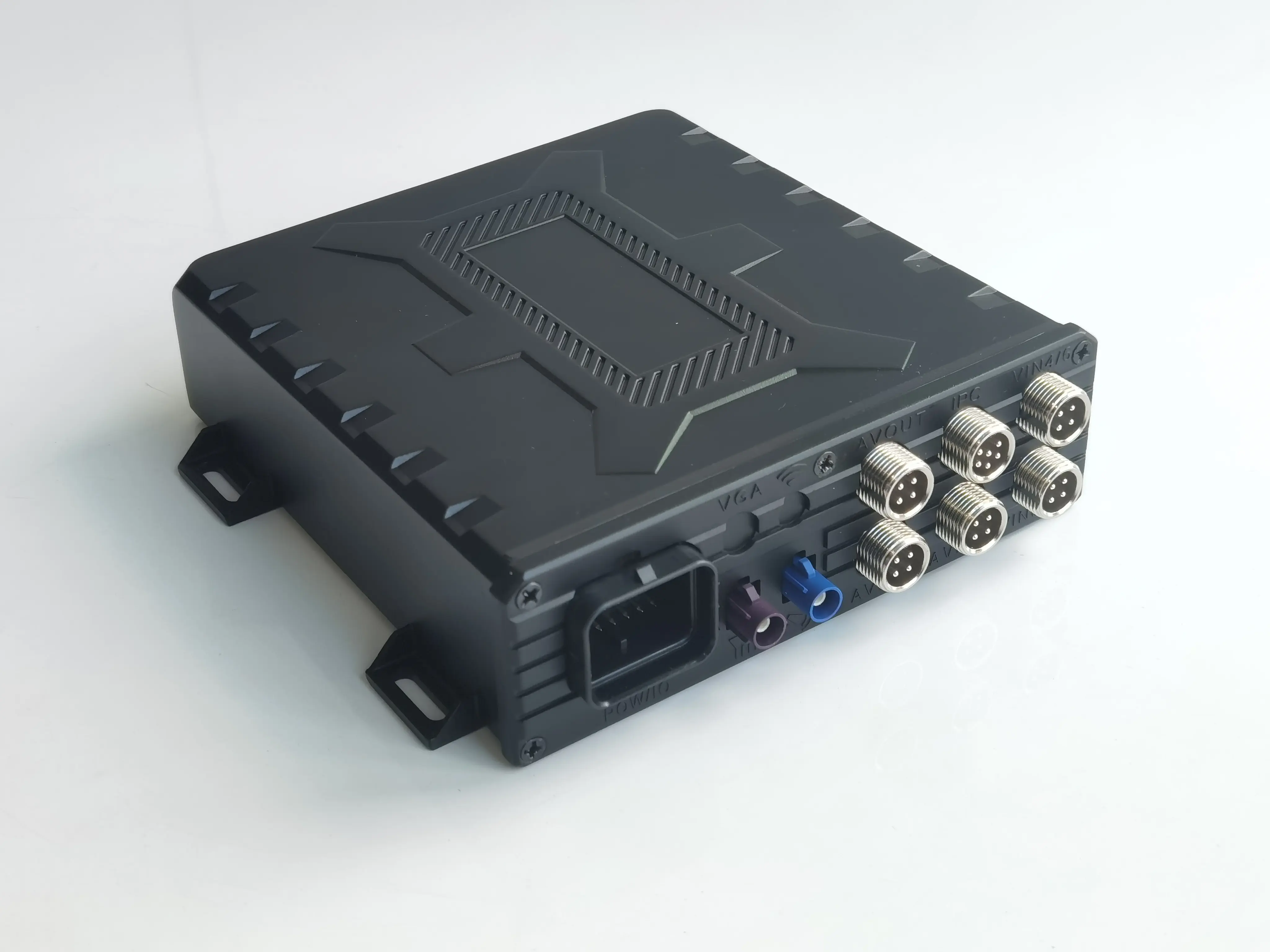
2. MDVR – Multi-Channel On-Board Video Central System
The MDVR acts as the core control unit of the full solution, integrating video streams from multiple cameras.
Supported Camera Inputs
• Forward road-facing camera
• Rear-view camera
• In-cabin passenger monitoring camera
• Driver behavior monitoring camera
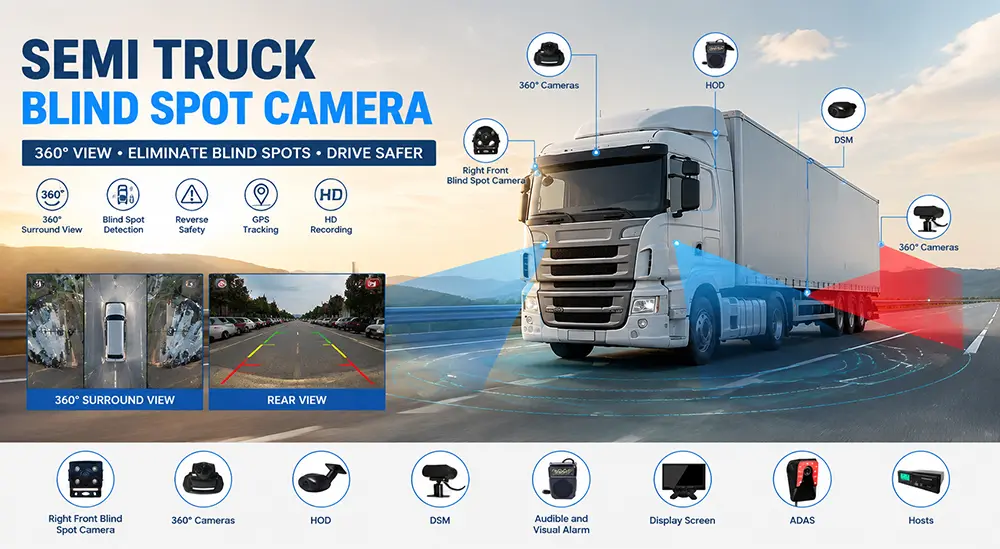
• Side blind-spot cameras
Core Capabilities
• Simultaneous multi-channel video recording
• Fusion of GPS positioning and video data
• Remote cloud-based system administration
• Triggered automatic recording for abnormal events
MDVR enables full visibility of all operational and driving behaviors for taxis.
3. ADAS – Advanced Driver Assistance Safety Warning System
ADAS leverages AI visual recognition to identify road hazards and issue instant real-time alerts.
Detectable Risks
• Forward collision threats
• Unintentional lane departure
• Insufficient following distance
• Pedestrian crossing hazards
Within Argentina’s complex urban traffic environment, the system effectively reduces:
• Rear-end collision accidents
• Night driving hazards
• Traffic incidents caused by sudden high-speed braking
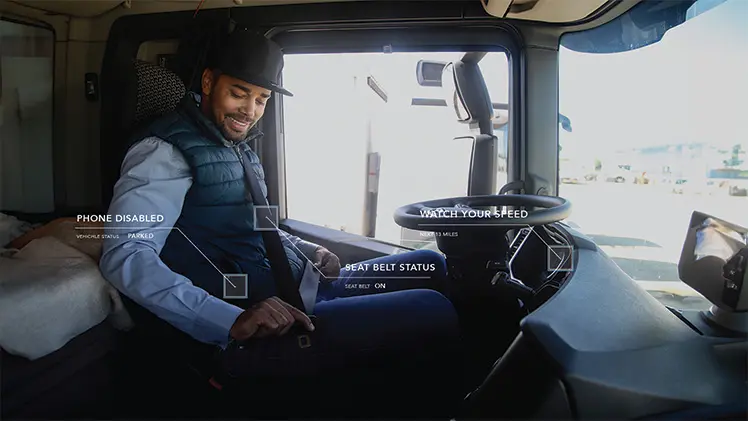
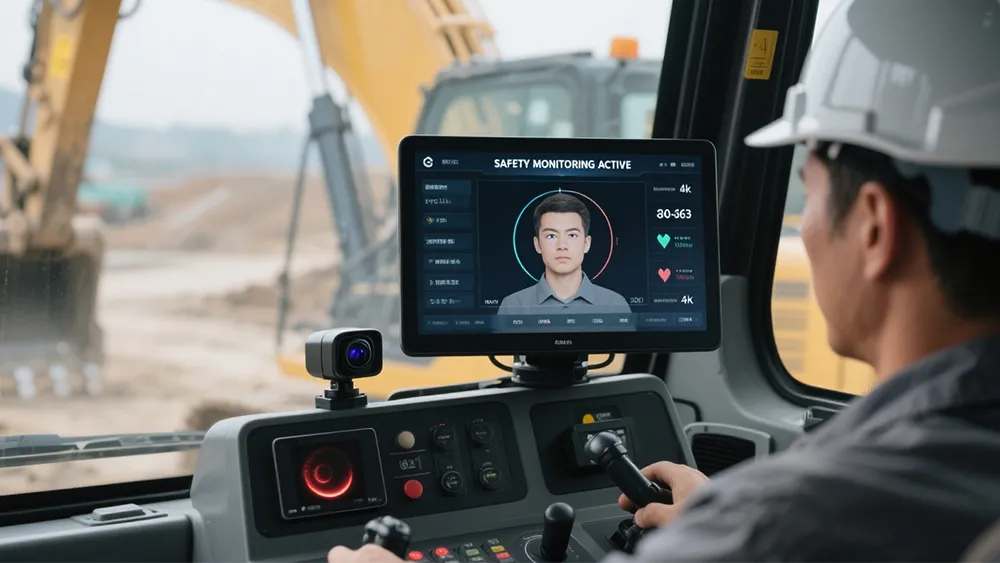
4. DSM – Driver Status Monitoring System
DSM continuously tracks driver conduct and detects fatigue symptoms.
Monitored Behaviors & States
• Fatigued driving (yawning, eyes closed)
• Distracted driving (mobile phone usage)
• Unsafe driving acts (smoking, handheld calling)
• Sustained decline in concentration levels
Alert Triggers
• In-vehicle voice reminders
• Local buzzer alarms
• Official alert notifications pushed to cloud management backend
The system shifts operational governance from post-incident resolution to proactive risk prevention.
5. On-Board Display – Auxiliary Driving Visual System
The unit displays real-time interior and exterior footage to strengthen drivers’ situational judgment.
Core Functions
• Real-time reverse camera feed
• One-touch switching between multi-camera views
• Instant blind-spot visual prompts
• Synchronized linkage with vehicle alarm systems
Ideal Application Scenarios
• Dense urban road networks
• Nighttime taxi services
• High-traffic passenger pick-up and drop-off zones
Core Value of Telematics Remote Information Processing
The strength of Argentina’s taxi management systems lies not merely in video recording, but in robust data-driven operational governance capabilities.
The platform aggregates multi-dimensional data streams:
• GPS location tracking data
• Video surveillance footage
• Driver behavior analytics data
• Risk incident alert logs
• Fleet dispatching operational data
These datasets form a fully closed-loop fleet management ecosystem.
1. Real-Time Vehicle Tracking
• Live real-time positioning
• Full driving trajectory playback
• Automated detection of abnormal travel routes
Optimized for dispatching workflows of taxi companies and ride-hailing platforms.
2. Video Evidence for Passenger Dispute Resolution
The footage serves as authoritative evidence to resolve:
• Route deviation disputes
• Fare calculation conflicts
• Passenger service complaints
• Post-incident reviews of safety violations
Recorded video provides the most direct and credible evidence for all mediation cases.
3. Driving Behavior Analytics System
The platform autonomously identifies hazardous driving patterns including:
• Speeding violations
• Abrupt hard braking
• Mobile phone distracted driving
• Fatigued driving episodes
It further supports a standardized driver rating framework covering:
• Comprehensive safety scoring
• Quantitative service quality evaluation
• Objective benchmarks for risk management
4. Operational Efficiency Optimization
Data analytics delivers actionable insights to optimize:
• Optimal trip routing for order acceptance
• Empty vehicle mileage ratio
• Fuel consumption and operational costs
• Centralized fleet dispatching efficiency
The overall profitability of the entire vehicle fleet is significantly elevated.
5. Risk Control & Safety Administration
Following traffic accidents, the system delivers these critical functions:
• Complete chronological reconstruction of incident sequences
• Clear liability demarcation for all involved parties
• Valid video evidence for insurance claims
• Reduced legal and mediation costs arising from disputes
Typical Application Scenarios in Argentina
1. Regular Urban Taxi Operations
Key traits: High passenger turnover, chronic urban traffic congestion
Recommended Hardware Configuration: Dash Cam + DSM + GPS Module
2. Licensed Ride-Hailing Fleet Vehicles
Key traits: Strict platform regulatory supervision, rigorous mandatory safety standards
Recommended Hardware Configuration: MDVR + DSM + Cloud Telematics Platform
3. Night-Shift Taxi Services
Key traits: Elevated public safety risks, higher accident occurrence rates
Recommended Hardware Configuration: DSM + ADAS + Dash Cam
4. Premium Chauffeur & Transfer Services
Key traits: Airport and corporate business trips, stringent service quality requirements
Recommended Hardware Configuration: 360° Surround View Camera System + On-Board Display + ADAS
Summary of System Upgrade Value
The iterative upgrade roadmap for Argentine taxi DVR systems follows this progression:
GPS Location Tracking → Video Surveillance → AI-Powered Driving Behavior Analysis → Cloud Fleet Dispatching → End-to-End Fully Traceable Management