











Dash Cams for Intermodal Trucking Fleets
Intermodal Trucking Fleets Dash cam
Intermodal trucking fleets operate year-round across ports, yards, trunk highways, and urban distribution scenarios. With complex vehicle operating environments, numerous blind spots, frequent short-hauls, and high risks of accidents and claims, dash cams have upgraded from optional accessories to core equipment for safety management, risk prevention and control, as well as cost reduction and efficiency enhancement.
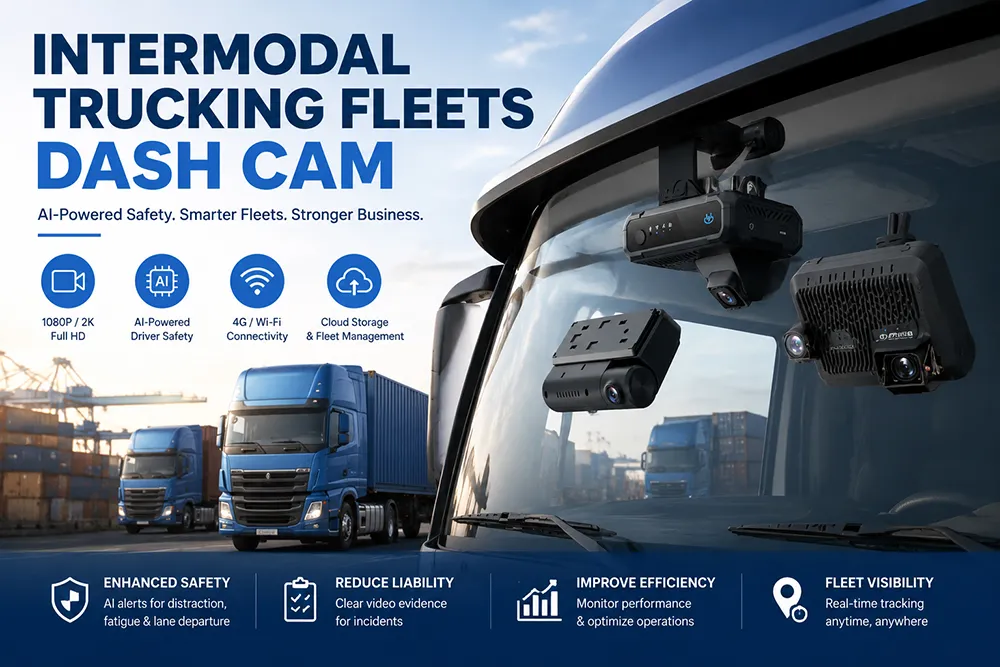
The Value of Installing Dash Cams for Intermodal Trucking Fleets
Accident Liability Determination and Anti-Fraud: Provides complete video evidence with timestamps and location information, clearly restoring the entire accident process.
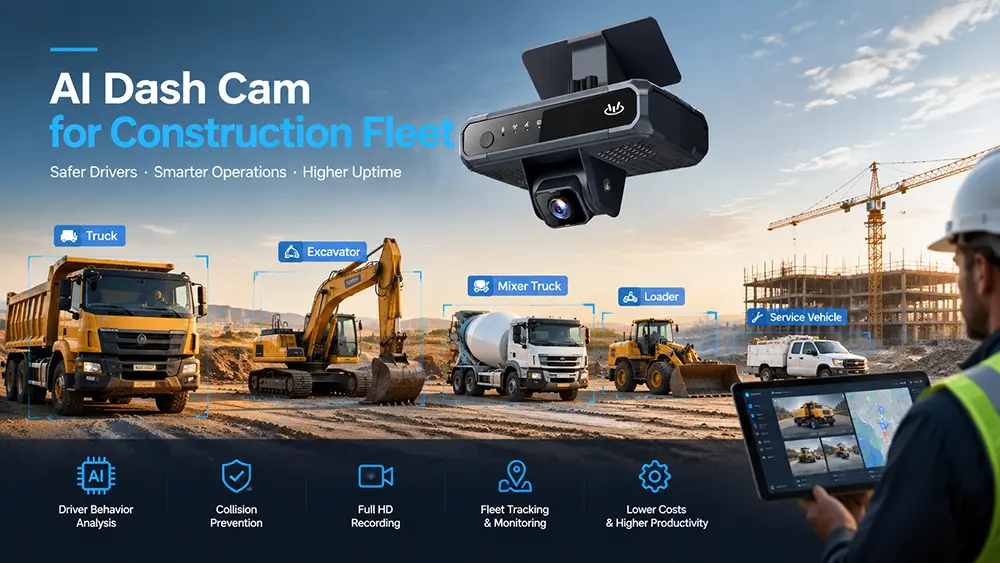
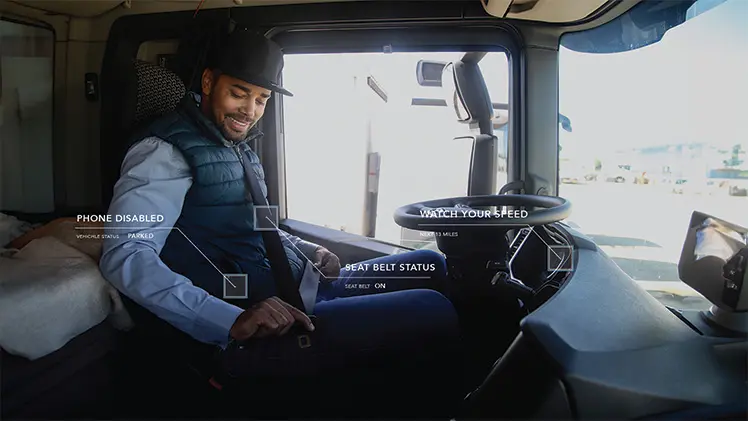
Driving Behavior Intervention and Safety Improvement: Real-time monitoring and warning of high-risk behaviors such as speeding, sudden acceleration, harsh braking, sharp turning, fatigued driving, distraction, making/answering phone calls, and unbuckled seatbelts.
Operational Cost Optimization: Reduces accident losses, vehicle wear and tear, and maintenance costs. Most insurance companies offer premium discounts for fleets equipped with dash cams, saving mid-to-large fleets hundreds of thousands of dollars in operational costs annually.
Remote Management and Compliance Traceability: Supports remote real-time monitoring, cloud storage, and trajectory playback, facilitating cross-regional vehicle control for fleet managers.
Driver Training and Efficiency Improvement: Conducts targeted safety training based on real video footage, automatically generating driving behavior reports and scores.
Mainstream Types of Dash Cams for Intermodal Trucking Fleets
1. Single-Channel Front-Facing
Records only the road ahead. Easy to install and low cost, making it suitable for basic accident evidence collection.
Limitations: Cannot cover the interior of the cab, vehicle sides, or rear. It is difficult to trace driver behavior and blind-spot accidents.
2. Dual-Channel (Front & Rear / Front & Interior)
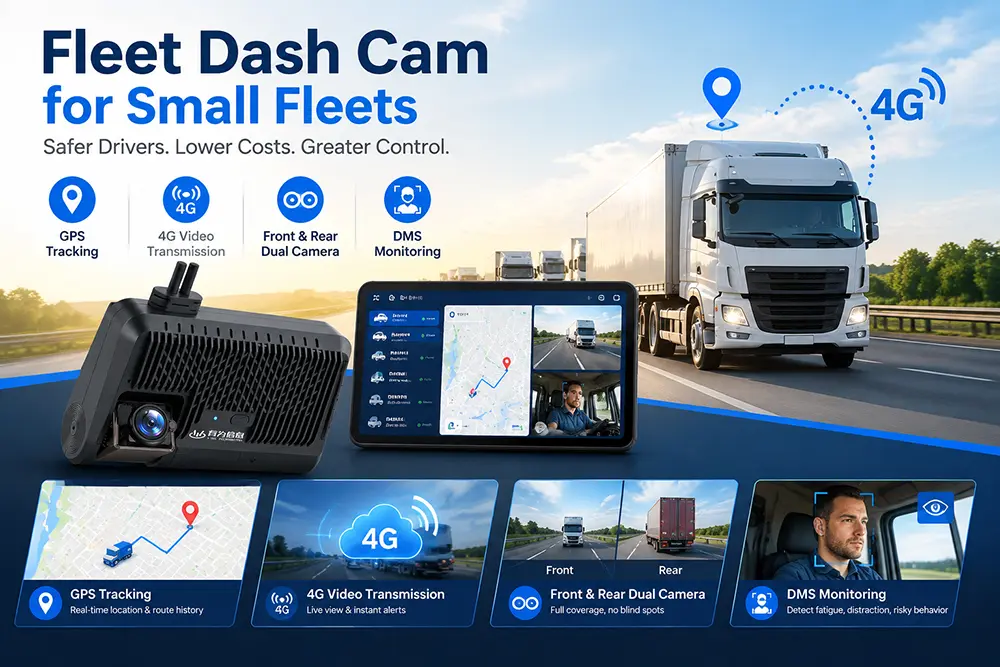
Front + Interior: Simultaneously records the road and driver status, suitable for fleets needing to monitor fatigue, distraction, and rule violations.
Front + Rear: Covers the front and rear of the vehicle, suitable for intermodal vehicles with high demands for reversing, yard operations, and rear-end accident evidence.
Advantages: Balances external events and internal behaviors. It is highly cost-effective and serves as the mainstream choice for intermodal trucking fleets.
3. Multi-Channel Panoramic (3–4 Channel)
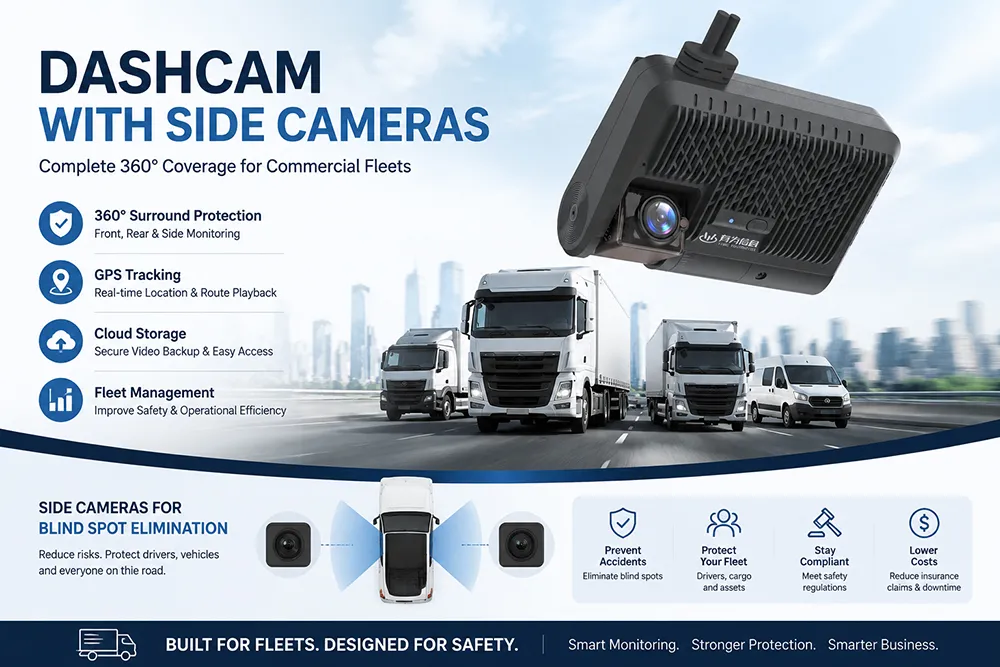
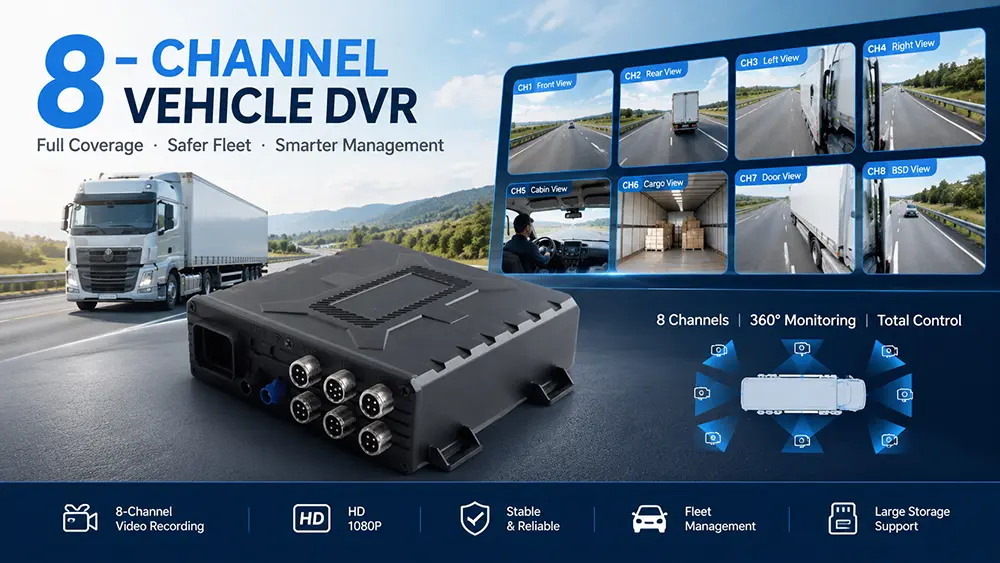
Supports multiple cameras for the front, interior, rear, and sides/blind spots, achieving 360° dead-angle-free coverage. It perfectly solves the monitoring challenges of large truck blind spots and complex port/yard environments.
Applicability: Fleets in high-risk scenarios such as frequent short-hauls, container operations, and engineering transfers.
4. Cargo / Interior Monitoring
Additionally monitors the status of the cargo box/trailer to prevent cargo theft, damage, and loading/unloading disputes. Suitable for high-value cargo intermodal businesses.
By System Format: Standalone vs. Cloud-Connected Integration
1. Standalone
Local SD card storage, no subscription required, simple structure, and low cost.
Shortcomings: Requires manual card retrieval to access videos, slow response in remote scenarios, prone to video loss, and unsuitable for large-scale fleets.
2. Cloud-Connected Remote Access
Videos are automatically uploaded to the cloud, supporting remote real-time viewing, one-click retrieval, and intelligent event push notifications. Combined with GPS, it achieves integrated traceability of video + location + speed, making it the standard solution for cross-regional intermodal operations.
Essential Dash Cam Features for Intermodal Trucking Fleets
1. Video and Night Vision Capabilities
Resolution no less than 1080P, prioritizing 4K front cameras to clearly capture license plates and road sign details.
Equipped with infrared night vision / enhanced low-light performance to ensure video quality at night, in tunnels, and dim port environments.
Wide-angle field of view ≥140°, balancing coverage area and image distortion control.
2. AI Intelligent Recognition and Real-Time Warning
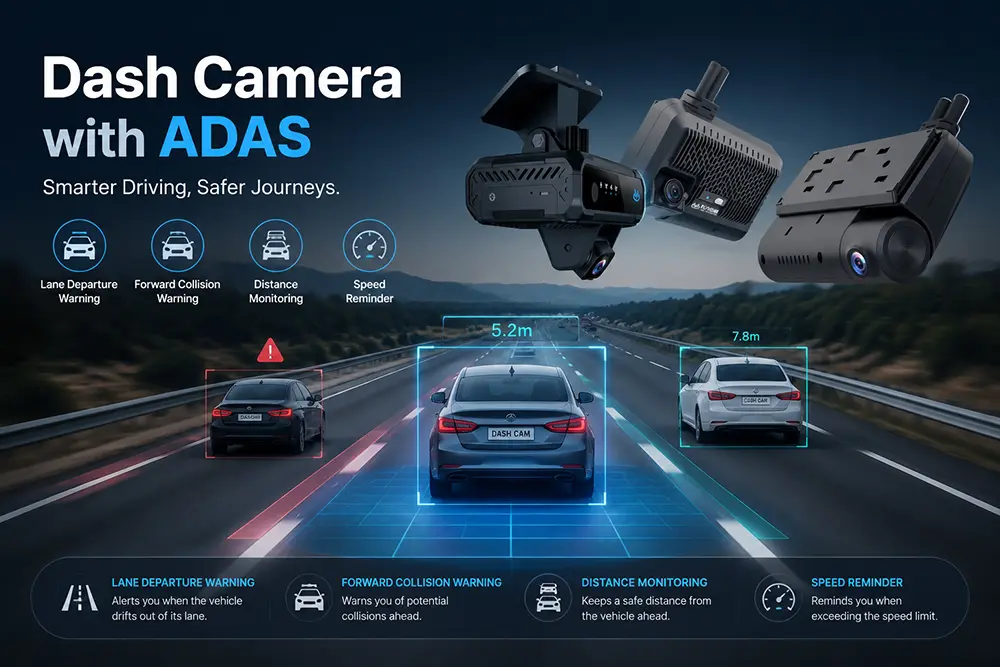
Accurate detection: Sudden acceleration/deceleration, sharp turns, lane departures, tailgating, and collision risks.
Driver status: Fatigued eye closure, yawning, smoking, holding a phone, and unbuckled seatbelts.
Intelligent video tagging: Automatically classifies videos by high/low/critical risk levels, filtering invalid false alarms and improving management efficiency.
3. GPS and Fleet Management Integration
Binds video with location, speed, and route data to form a complete driving context.
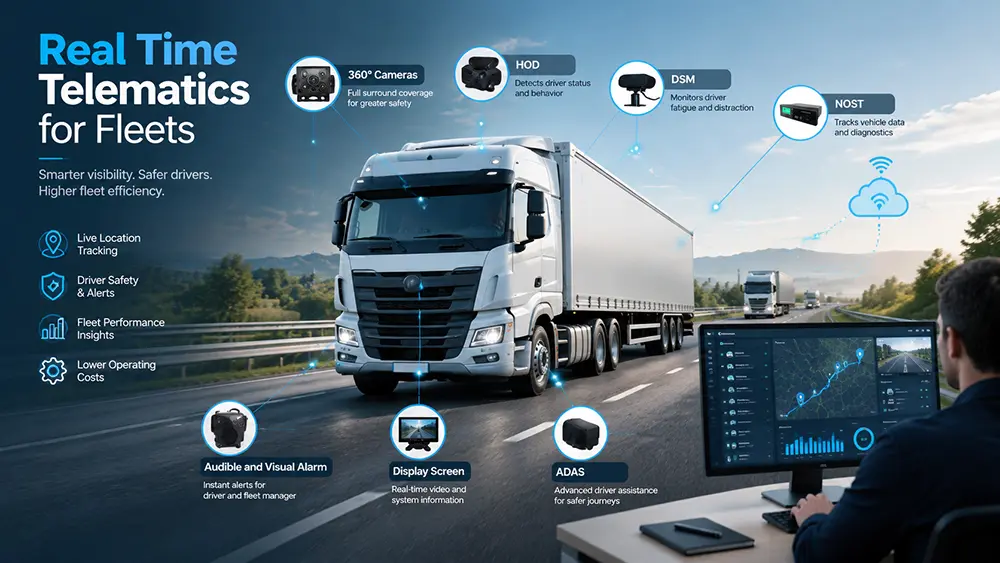
Can interface with fleet management systems and telematics systems to achieve one-stop management of vehicles, drivers, safety, and performance data.
4. Storage and Recording Modes
Local + cloud dual storage to prevent the loss of critical data.
Supports event-triggered recording + continuous recording, balancing storage efficiency with complete traceability needs.
Parking monitoring mode records collision and scratching events in yards/parking lots after the vehicle is turned off.
5. Durability and Engineering Adaptation
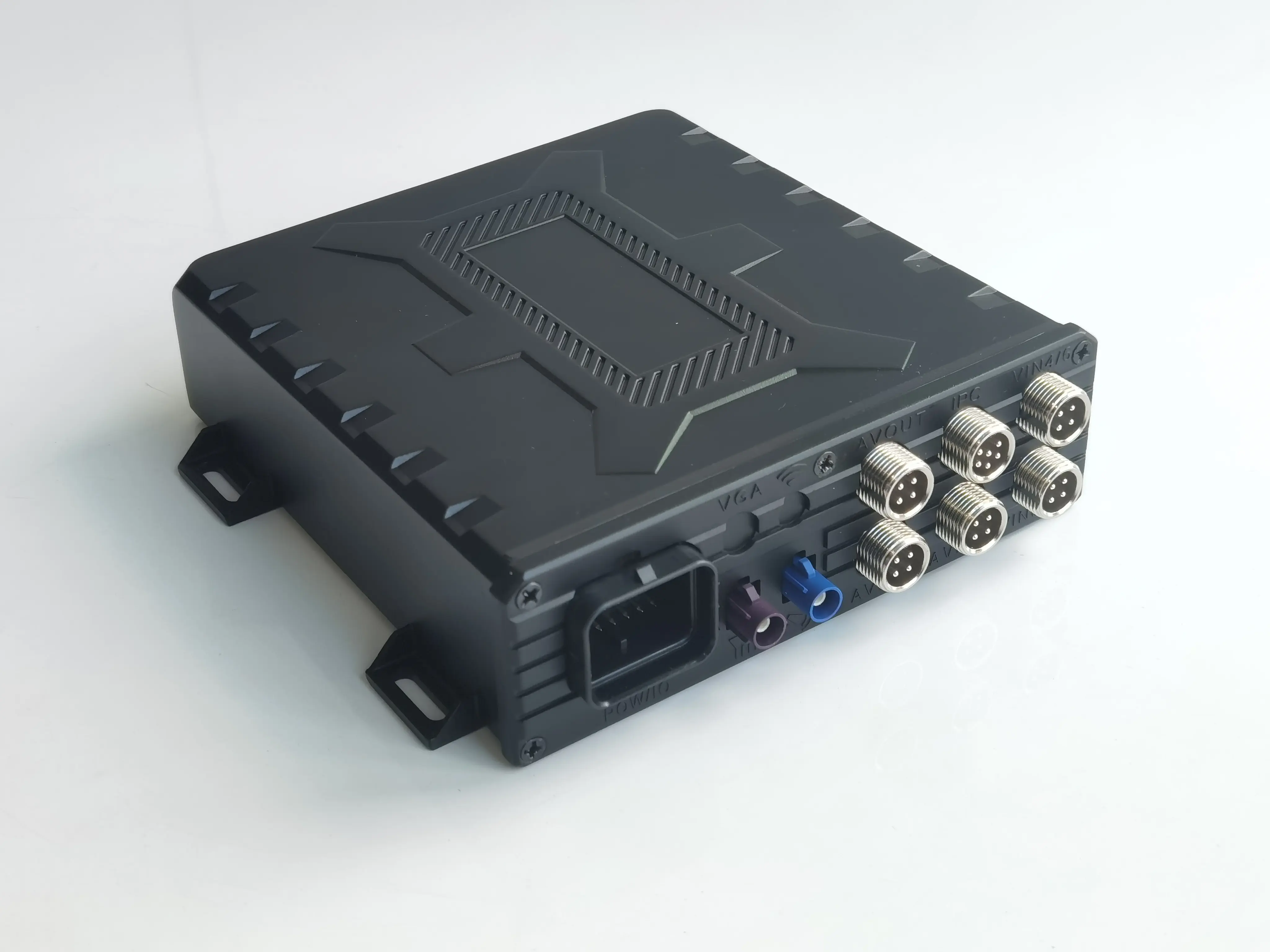
Wide temperature design, anti-shock, and anti-interference, adapting to the long-term bumps and extreme temperature conditions of trucks.
Easy to install with standardized wiring, without affecting the vehicle's dashboard and airbag circuits.
Dash Cam Recommendations for Intermodal Trucking Fleets
Selection Advice for Intermodal Trucking Fleets
Determine Channels by Scenario: If primarily on trunk routes, choose dual-channel (front + interior); for port areas/short-hauls, opt for 3–4 channel panoramic; for high-value goods, add cargo monitoring.
Prioritize Cloud-Connected + AI: Intermodal operations are cross-regional and dispersed, making remote real-time viewing essential. AI warnings enable proactive prevention, which is far superior to post-incident reviews.
Emphasize System Integration: Prioritize solutions that can integrate with existing fleet management, telematics, and electronic logging devices (ELDs). A unified platform reduces management complexity.
Standardize Policies and Communicate with Drivers: Clarify the recording scope, purpose, and privacy protections. Emphasize that it is meant to protect the driver rather than just monitor them, thereby increasing acceptance and avoiding resistance.
Establish Video Usage Workflows: Set standard operating procedures for event review, driver coaching, and evidence retrieval, allowing video data to truly translate into safety and profitability.
For intermodal trucking fleets, dash cams are no longer just "cameras," but intelligent management terminals integrating safety warnings, risk control, evidence retention, and operational optimization.
Email:hello@yuweitek.com