










How to Manage Public Fleet Safety?
Fleet Safety Manage
In general, the efficiency of public transportation is an important indicator of the economic vitality and competitiveness of a city or country. Nevertheless, despite its great importance, there are still safety issues to be addressed in the public transportation sector. These include drivers' bad driving habits, accidents caused by blind spots, passenger overloading, fare evasion, theft, insurance fraud (fake accident claims), and terrorism.
YUWEI aims to build a safer urban public transportation system that can effectively meet the changing needs of expanding cities. During the project implementation, we recognized the importance of passenger flow as key basic data. By combining GPS and vehicle monitoring systems for dynamic analysis of passenger volume, we can integrate data such as passenger count, boarding and alighting information, real-time vehicle video, driver behavior, and vehicle location. This comprehensive integration enables us to provide operators with the necessary data support to optimize routes, handle safety incidents in a timely manner, and strategically develop future services.
Passenger data is collected through the APC (Automatic Passenger Counting) system. The YUWEI APC system provides an AI-based solution that accurately calculates passenger numbers by analyzing various features such as hairstyle, height, age, and hat type. It can effectively count the number of passengers boarding and alighting in different scenarios, with an average accuracy rate of over 98%.
With AI-based counting,
operators can easily verify the system's accuracy by viewing video clips.
In addition, the system uses 4G networks to upload data on the number of boarding and alighting passengers, video, and location information to the fleet management platform. This enables the generation of detailed passenger reports. The system is applicable to various passenger vehicles such as school buses, public buses, subways, trams, and trains.
Advantages of the APC System
① Improve the accuracy of travel service planning and reporting;
② Optimize routes efficiently;
③ Provide valuable data for advertisers to make informed decisions, increasing operators' advertising revenue;
④ Optimize the ticketing system and reduce losses by comparing the number of tickets sold with the counted number of passengers;
⑤ Prevent safety accidents caused by overloading.
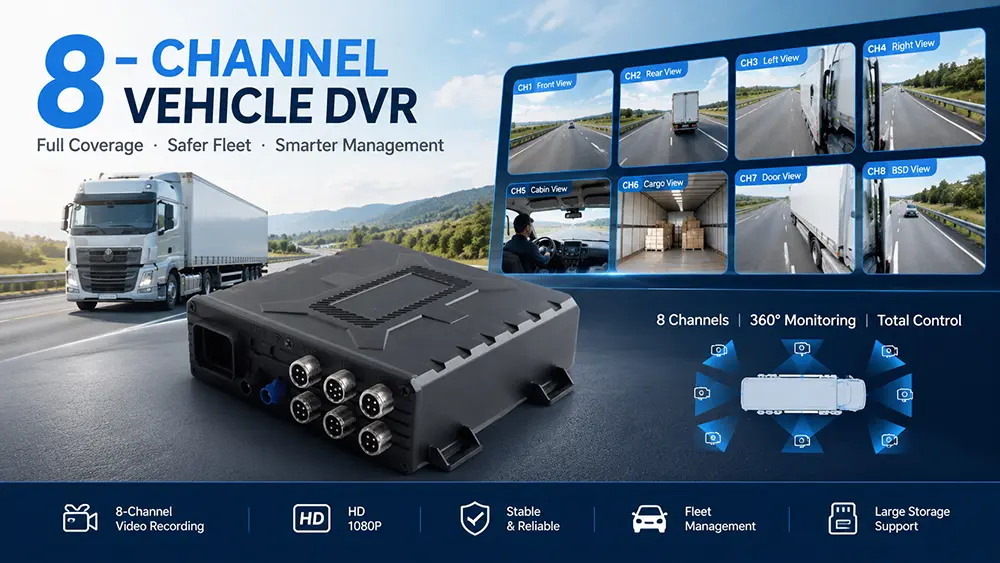
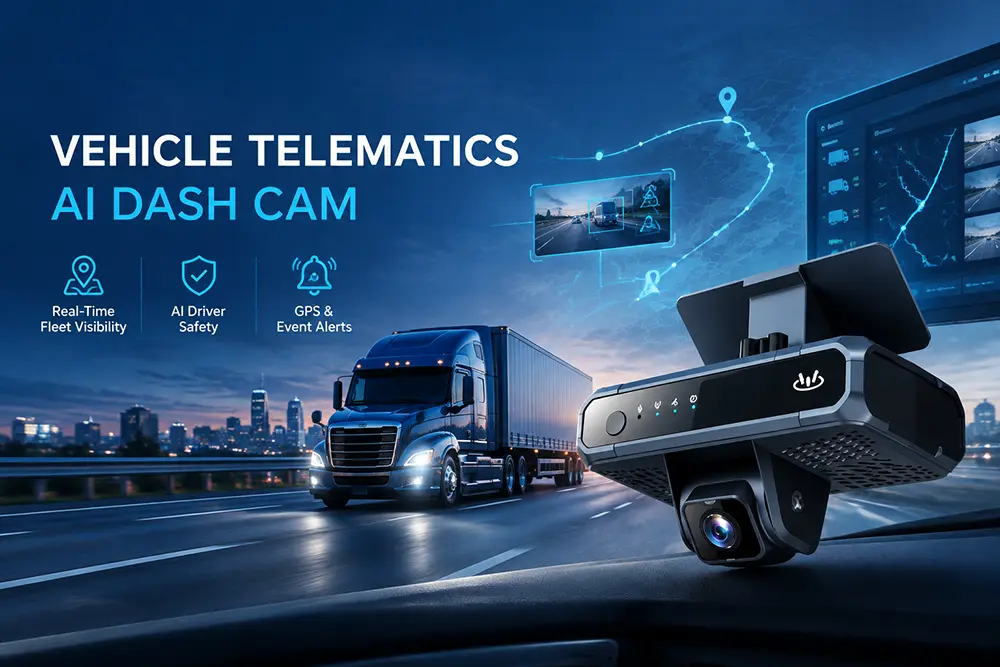
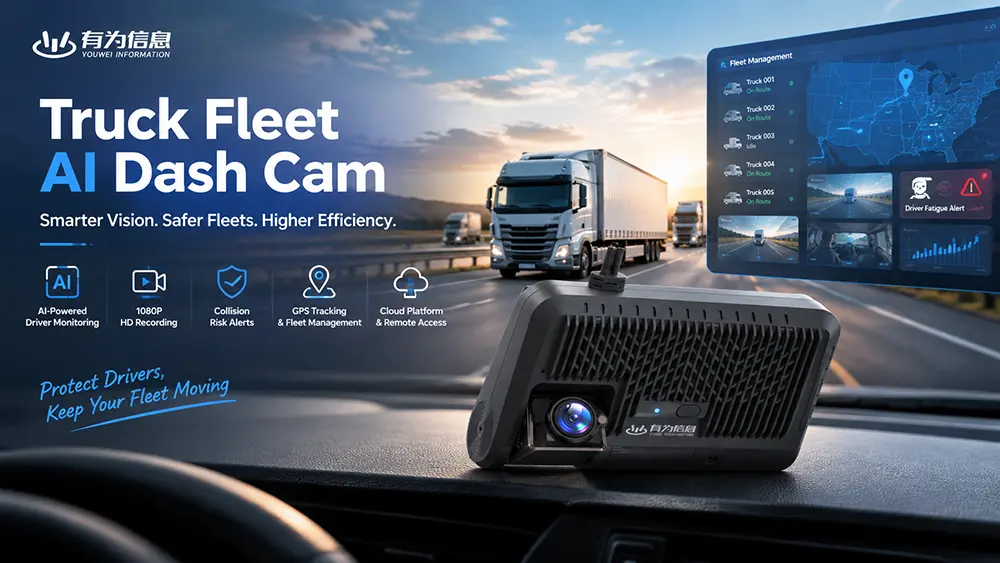
The YUWEI AI MDVR System includes GPS and vehicle monitoring systems, integrating key functions such as DMS (Driver Monitoring System), ADAS (Advanced Driver Assistance System), BSD (Blind Spot Detection), GPS tracking, 4G/WiFi communication, two-way voice intercom, emergency alarm, and video recording.
ADAS Functions
ADAS functions include Forward Collision Warning (FCW), Lane Departure Warning (LDW), Pedestrian Collision Warning (PCW), and Forward Vehicle Proximity Alert. These functions can remind drivers of potential collision risks and make driving safer.
DMS Functions
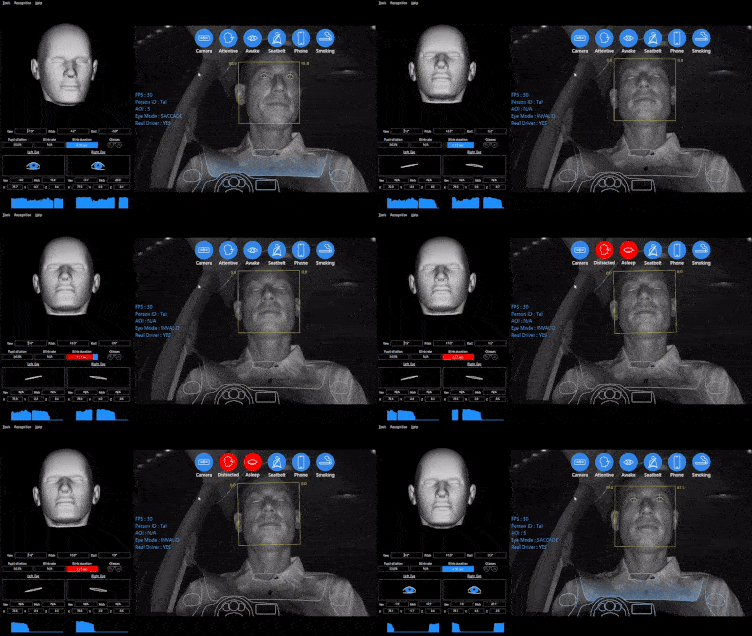
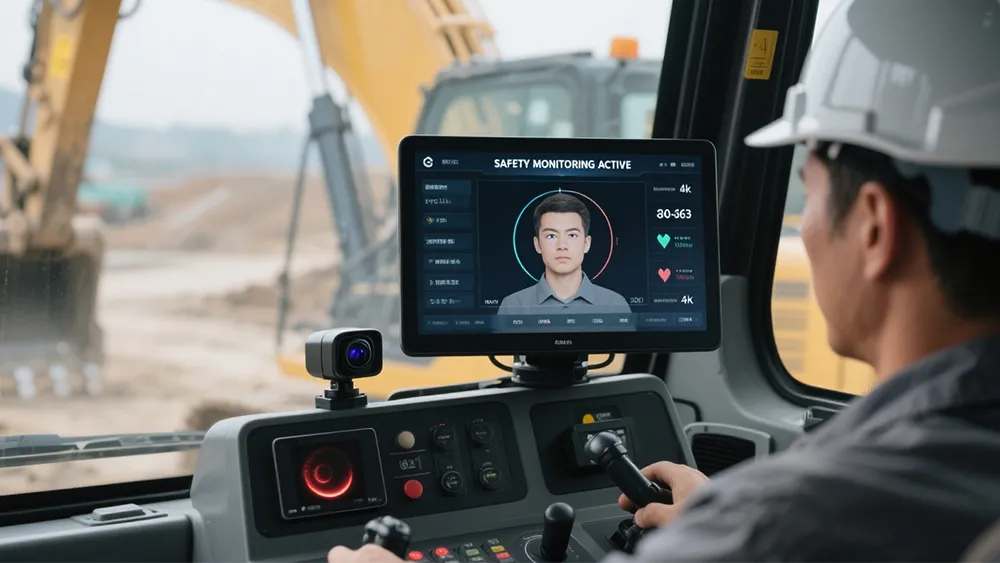
DMS can effectively monitor driver behavior. When a driver engages in behaviors such as smoking, making phone calls, fatigued driving, or not wearing a seatbelt, the system issues a voice warning and uploads real-time video to the fleet management platform via 4G network.
BSD Functions
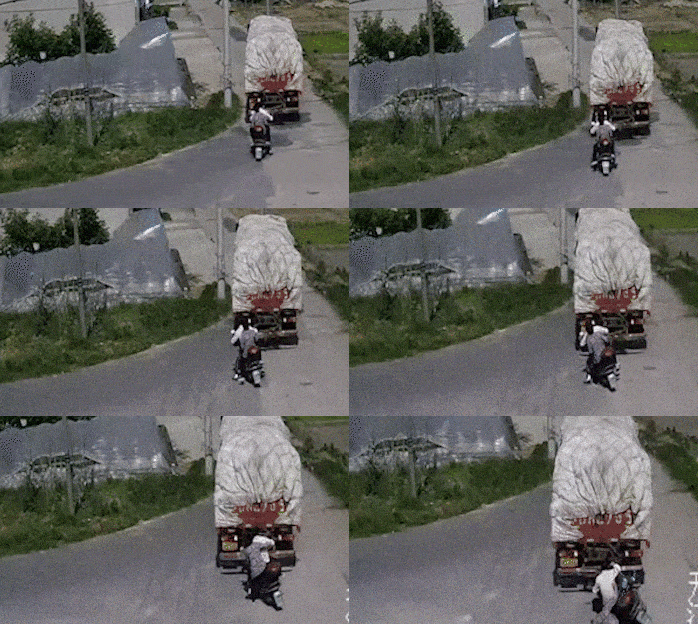
When pedestrians pass through blind spots, the BSD system provides voice prompts to both drivers and pedestrians to ensure safety and prevent accidents.
Real-time video monitoring and GPS tracking provide evidence for theft and insurance fraud claims. In case of an emergency, drivers can send an alarm signal to the management center via the alarm button and coordinate handling through two-way voice intercom, maximizing the safety of passengers, drivers, and vehicles.
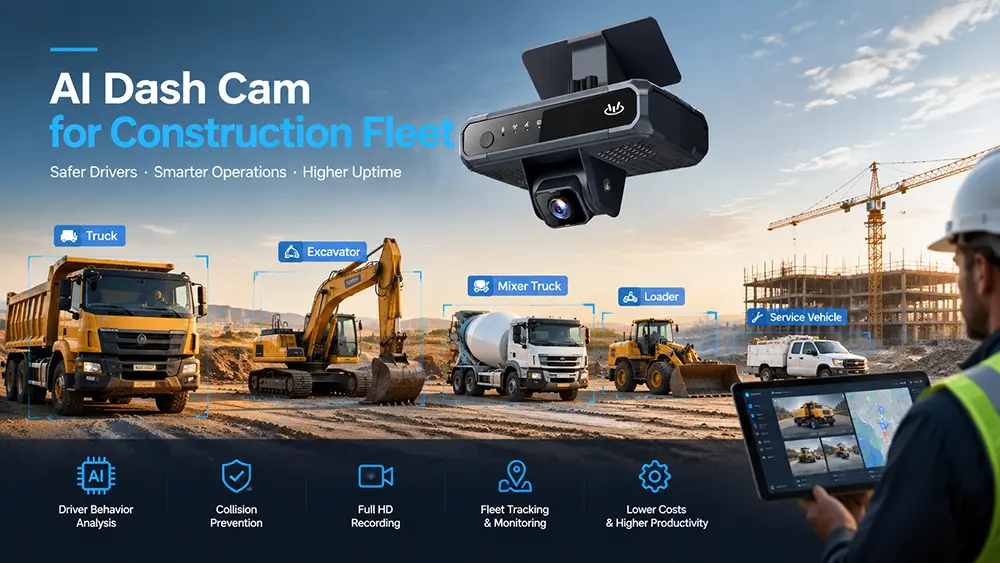
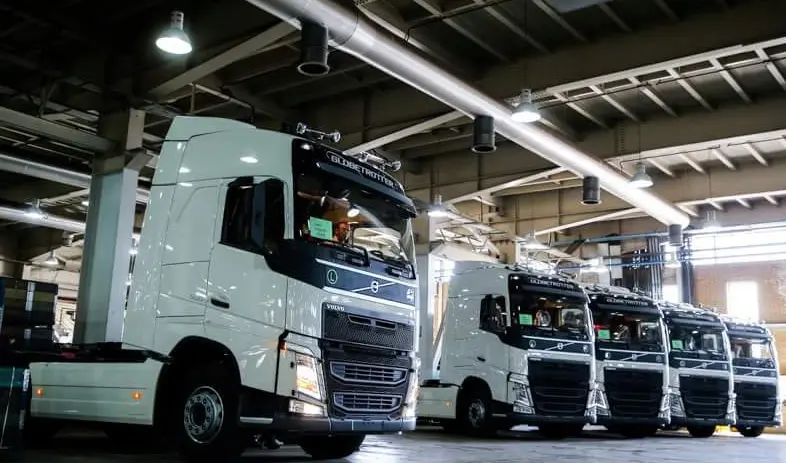
YUWEI provides intelligent and scalable safety solutions for a range of passenger and freight vehicles. Our approach combines video data collection, artificial intelligence, and management concepts from fleet managers to help operators and fleets achieve timely response and handling, thereby improving efficiency.
What new challenges will public transportation safety face with the continuous advancement of technology? Although we cannot predict with certainty, it is clear that technological trends will move toward greater integration and deeper intelligence, and vehicles will no longer operate as independent entities.
This shift to integrated and intelligent systems has the potential to greatly improve the efficiency, safety, and reliability of public transportation. However, it also brings new challenges, such as ensuring data security and protecting user privacy.
To address these challenges, it is crucial to promote cooperation and information sharing among transportation industry stakeholders, including government agencies, operators, and technology providers. Through joint efforts, we can leverage the power of emerging technologies to create a more connected, sustainable, and convenient transportation system for everyone.