










Polish Taxi DVR Dash Cam System
Polish Taxi Tracking Management
Current Status of the Taxi and Ride-Hailing Market in Poland
Poland has become one of the fastest-growing markets for digital mobility transformation in Central and Eastern Europe. According to the latest data released by the Ministry of Infrastructure of Poland, as of December 31, 2024, there are a total of 54,954 taxi licenses nationwide, corresponding to approximately 327,000 licensed taxi vehicles. In addition, Poland’s ride-hailing market has experienced rapid growth in recent years, with platforms including Uber, Bolt, iTaxi and FreeNow driving numerous traditional taxi drivers to shift to platform-based operations.
In terms of market structure, Poland’s taxi industry has formed a mixed ecosystem consisting of traditional taxis, platform-based ride-hailing services and corporate fleet services. Major cities such as Warsaw, Kraków, Wrocław and Poznań have witnessed the fastest growth in ride-hailing demand, while mobility platforms Uber and Bolt keep expanding their service coverage.
Driven by upgraded EU road safety standards, the digitalization of urban transportation and rising passenger demands for safety and transparency, Poland’s taxi industry is transitioning from the traditional order-based transportation model to a data-driven operation model. For this reason, a new generation of intelligent fleet systems integrating DVR dash cam video recording, GPS vehicle tracking, AI driving behavior analysis and Telematics remote information management platforms has become a key direction for the operational upgrade of Polish taxis and ride-hailing vehicles.
Management Challenges Facing Polish Taxis
Unlike Latin American markets, the core demands of Poland’s taxi and ride-hailing industry are not merely public security solutions, but focus more on compliant operations, safety management and efficiency optimization.
1. Platform Competition Reshaping Traditional Taxi Operation Models
The rapid expansion of platforms such as Uber and Bolt has pushed the taxi industry into an era of digital competition:
• Mobile applications have become the primary ride-hailing entry point
• Driver service quality directly affects platform ratings
• Real-time uploading of vehicle operation data is required
• Enterprises need centralized management of scattered drivers
Traditional manual dispatching models can no longer meet the management requirements of modern fleets.
2. Complex Road Conditions in European Cities
Major Polish cities feature typical European urban traffic characteristics:
• Narrow roads in old town districts
• High proportions of pedestrian and bicycle traffic
• Severe congestion during rush hours
• Increased driving risks caused by rain, snow and ice in winter
Therefore, vehicles are required not only to record accident footage but also to identify potential risks in advance.
3. Higher Requirements for Driver Management and Passenger Experience
Taxi companies and ride-hailing platforms are paying increasing attention to the following issues:
• Whether drivers operate vehicles safely
• Occurrences of drowsy driving
• Detour behaviors
• Passenger complaints
Simple GPS positioning alone cannot provide complete operational evidence.
Architecture of Intelligent Taxi DVR Systems for Poland
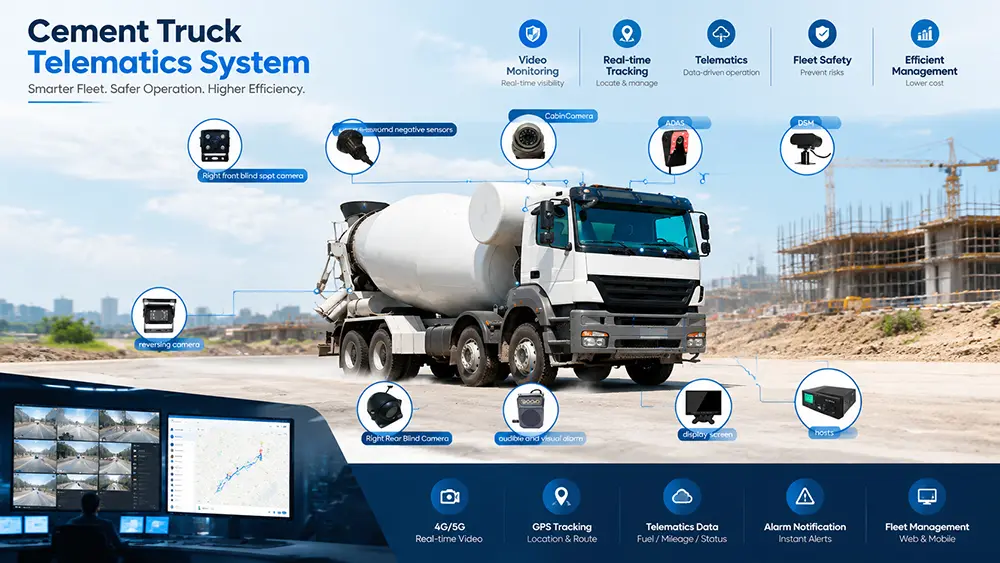
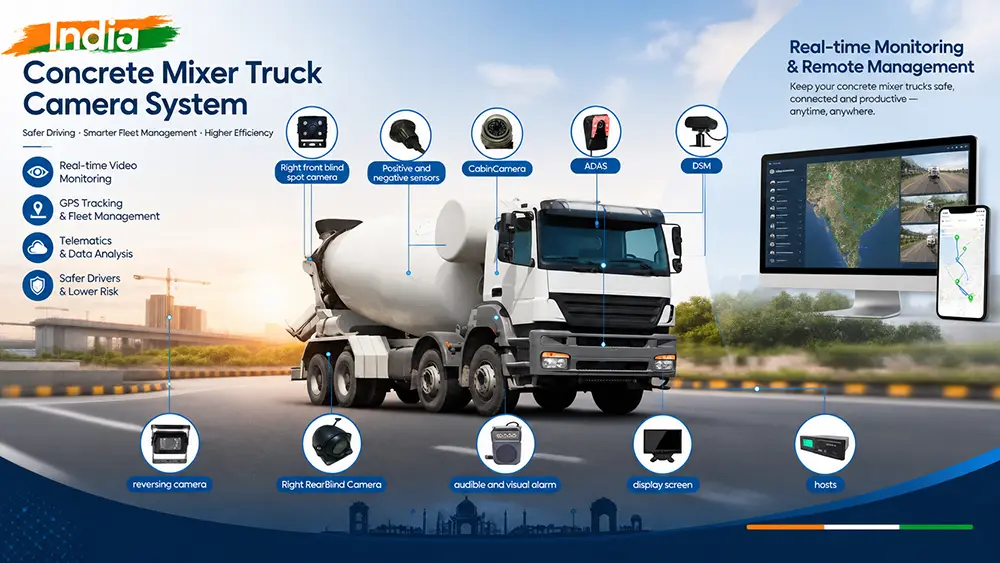
To meet the digitalization demands of Poland’s taxi and ride-hailing market, intelligent DVR fleet management systems generally adopt a three-layer architecture: Vehicle Sensing Devices + On-board Video Processing Terminals + Cloud Telematics Platform. The system realizes vehicle safety supervision and operational optimization via video footage, positioning data and AI algorithms. Currently, European fleet management systems are evolving toward integrated functions including GPS tracking, video surveillance, driving behavior analysis and cloud-based management.
① Vehicle Sensing Layer
The vehicle sensing layer serves as the data entry point of the entire system, collecting real-time data generated during vehicle operation.
Main Hardware Devices
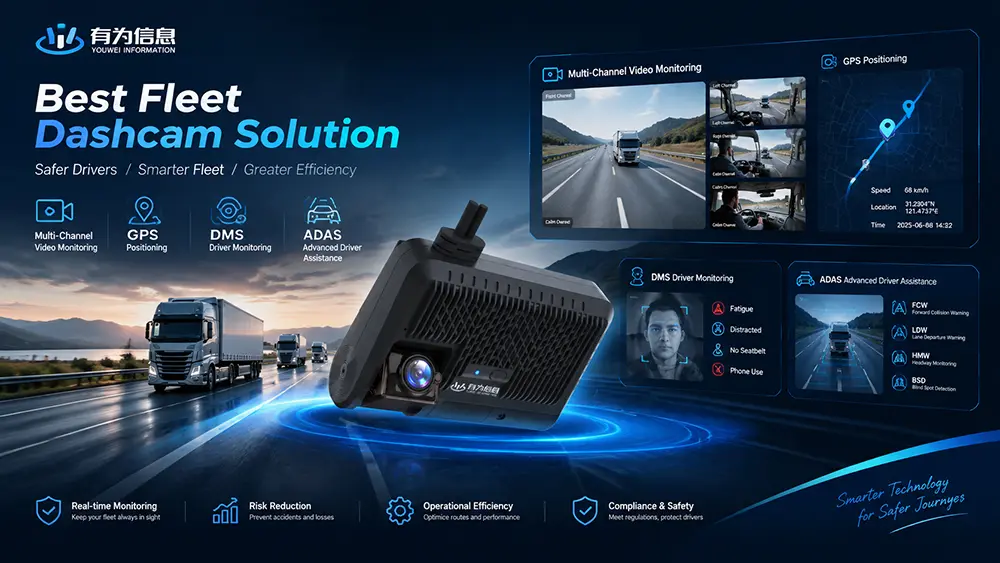
Dash Cam (Intelligent On-board Camera)
• Records road driving footage
• Synchronizes GPS trajectory data
• Stores video clips of critical events such as collisions and sudden braking
• Supports remote video viewing
Suitable for individual ride-hailing drivers, small taxi fleets and lightweight operating vehicles.
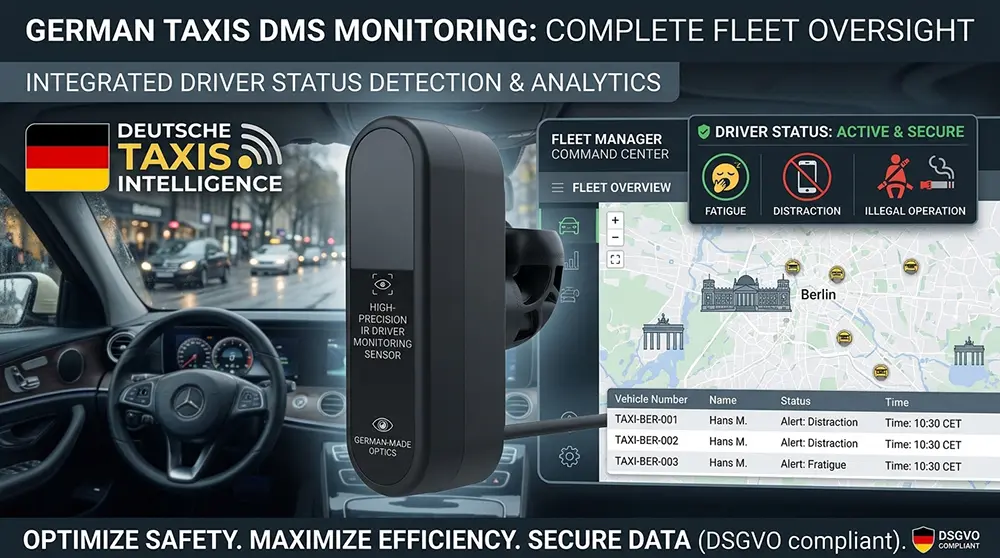
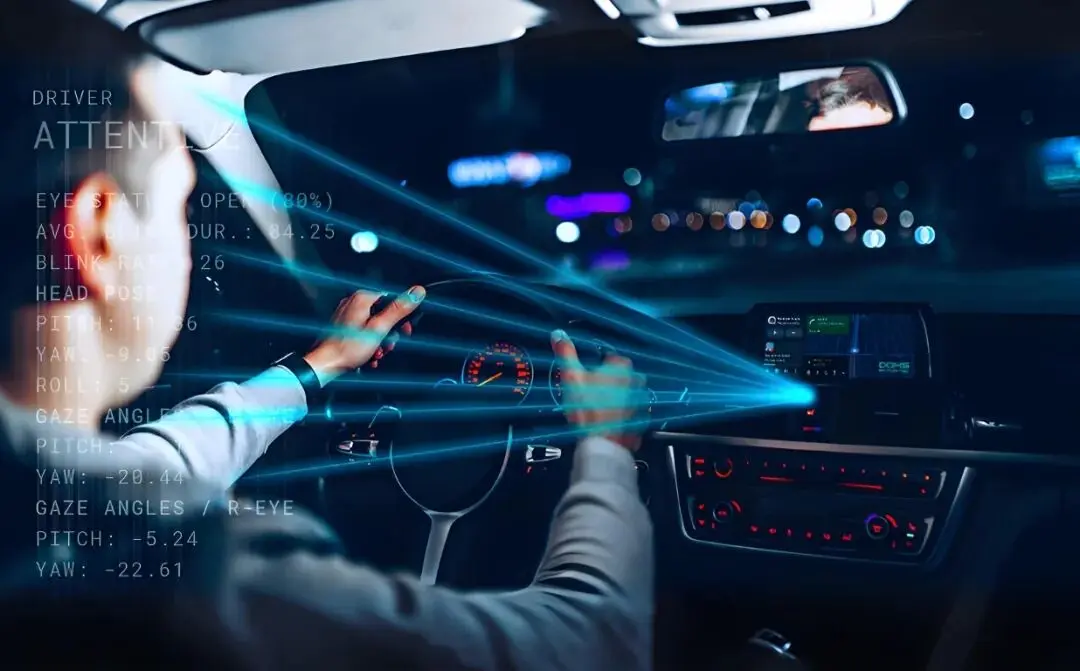
DSM Driver Monitoring Camera
• Monitors drowsy driving
• Identifies distracted driving behaviors including mobile phone usage
• Generates data for driver safety scoring
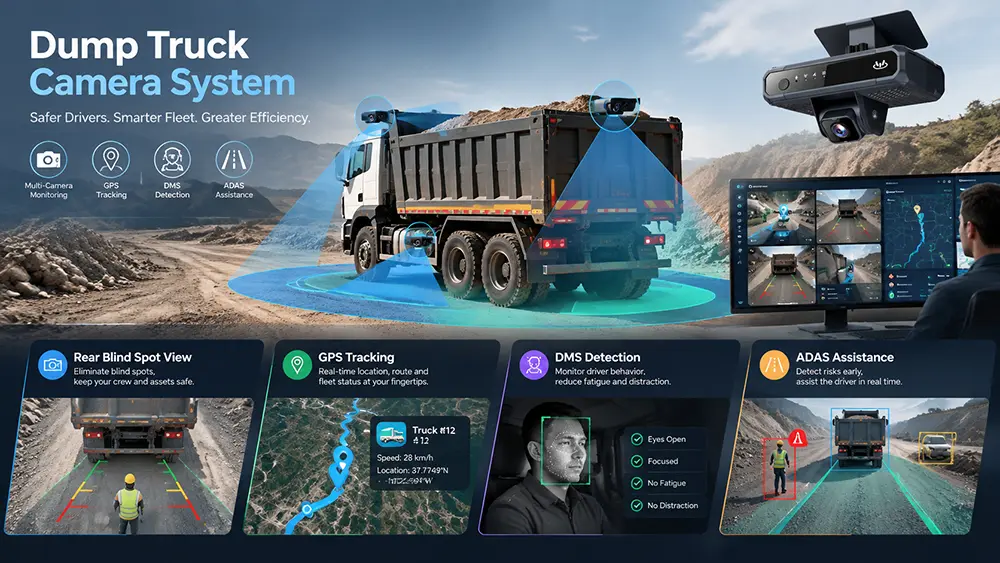
ADAS Advanced Driver Assistance Camera
• Forward collision warning
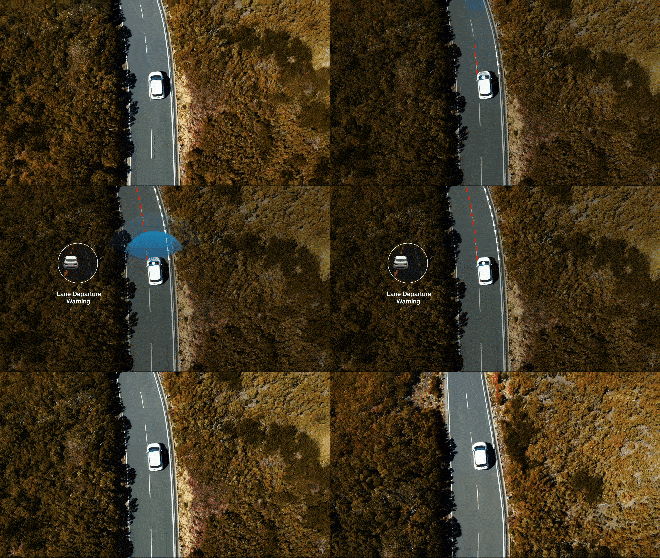
• Lane departure alert
• Pedestrian and obstacle recognition
The coordinated operation of multiple cameras enables the system to shift from merely recording accidents to early risk prevention.
② On-board Processing Layer
As the core control unit of the whole system, the MDVR (Mobile Digital Video Recorder) connects multiple in-vehicle devices and processes collected data.
Core Functions
• Synchronized multi-channel camera recording
• Fusion of video footage and GPS data
• Local storage and event file protection
• Remote data uploading over 4G/5G networks
• Automatic video triggering upon abnormal incidents
For Polish taxi enterprises, airport shuttle fleets and large ride-hailing operators, MDVR enables unified management of interior vehicle conditions, road environments and driving behaviors, turning each vehicle into a real-time monitorable data terminal.
③ Cloud Fleet Management Platform
The cloud platform centrally analyzes vehicle data to deliver remote fleet management capabilities.
Core Functions
• Real-time vehicle location tracking
• Historical trajectory playback
• Remote video retrieval
• Driving behavior analysis
• Risk event alerts
• Statistics on vehicle operational efficiency
Administrators can check vehicle status in real time via the backend dashboard and optimize dispatching strategies to cut operational costs based on data insights.
Core Hardware Solutions for Polish Taxi DVR Dash Cam Systems
1. Fleet Dash Cam
Dash cams serve as the basic configuration for individual Polish ride-hailing drivers and small taxi companies.
Main Functions
• High-definition road video recording
• Synchronized GPS trajectory recording
• 4G remote access
• Automatic storage of collision footage
• Cloud video retrieval
Application Value
• Rapid reconstruction of traffic accident scenes
• Resolution of passenger complaints
• Valid evidence for insurance claims
2. MDVR
MDVR acts as the data core of the entire system for large taxi companies and corporate fleets.
Supported Camera Channels
• Forward-facing road camera
• In-car passenger camera
• Driver monitoring camera
• Rear and side view cameras
Core Capabilities
• Synchronized multi-channel video recording
• Integrated GPS and video data
• Remote backend management
• Automatic recording triggered by abnormal events
Ordinary transport vehicles are upgraded into:
Mobile Data Nodes
3. ADAS
Poland’s complicated winter road conditions make ADAS highly effective in reducing driving risks.
Main Functions
Forward Safety Recognition
• Forward collision warning
• Safe distance reminder
• Pedestrian detection
Driving Assistance Alerts
• Lane departure warning
• High-risk driving notifications
Practical Benefits
• Reduced rear-end collision rates
• Improved driving safety under harsh weather
• Lower insurance compensation losses
4. DSM – Driver Status Monitoring System
Driver status directly determines service quality and driving safety levels.
Behaviors Identified by DSM
• Drowsy driving
• Eyes closed while driving
• Yawning
• Mobile phone operation
• Declined concentration
Management Functions
• Real-time in-vehicle audio reminders
• Upload of risk event records
• Driver safety scoring
The system helps fleets shift operational logic from:
"Post-accident handling"
to
"Pre-accident risk prevention".
5. Display Screen – Intelligent In-vehicle Interactive Terminal
On-board display screens enhance driving information interaction:
Core Functions
• Real-time camera feed display
• Rearview backup image
• Blind spot assistance
• Dispatching order information display
• System alarm prompts
Applicable Scenarios
• Corporate taxis
• Premium shuttle services
• Airport transport vehicles
How Telematics Remote Information Processing Systems Improve Polish Fleet Operations
In the Polish market, the core value does not come from video recording hardware itself, but from the backend data processing capabilities.
The system aggregates multi-dimensional data sources:
• GPS location data
• Video footage data
• Driving behavior data
• Vehicle status data
• Order operation data
to build an intelligent integrated management platform.
1. Intelligent Fleet Dispatching
Business benefits:
• Real-time vehicle location monitoring
• Optimized route assignment
• Reduced empty driving mileage
• Improved vehicle utilization rate
2. Video-based Customer Service Management
Target dispute scenarios:
• Passenger complaints
• Fare disputes
• Route disagreements
Administrators can quickly retrieve supporting materials including:
• Driving video records
• GPS trajectory logs
• Time stamps
to deliver fully transparent service.
3. Driver Safety Scoring
The platform automatically analyzes driving indicators:
• Sudden acceleration
• Harsh braking
• Speeding violations
• Drowsy driving records
and generates comprehensive driver profiles covering:
• Safety rating
• Service evaluation
• Risk ranking
4. Operational Cost Reduction
Data analysis brings the following benefits:
• Optimized vehicle travel routes
• Lower fuel consumption
• Fewer accident maintenance fees
• Extended vehicle service life
Typical Application Solutions Tailored for the Polish Market
1. Urban Taxi Companies
Features
• Fixed service coverage areas
• Multi-vehicle unified management
Recommended Configuration
MDVR + Dash Cam + DSM + Telematics Platform
2. Uber / Bolt Ride-Hailing Drivers
Features
• Individual self-operation
• High daily order volume
Recommended Configuration
Dash Cam + DSM + GPS Tracking Platform
3. Corporate Business Shuttles & Airport Transport
Features
• High-standard service requirements
• Long-distance driving missions
Recommended Configuration
MDVR + ADAS + DSM + Intelligent Display Screen
Poland’s taxi market holds more than 54,000 taxi operation licenses and over 320,000 licensed vehicles, while ride-hailing platforms continue to drive digital transformation across the industry. YUWEI dash cams and MDVR devices can deliver powerful support for your business.
Email:hello@yuweitek.com