










Dash Cam with Forward Collision Warning
Forward Collision Warning Dash Camera
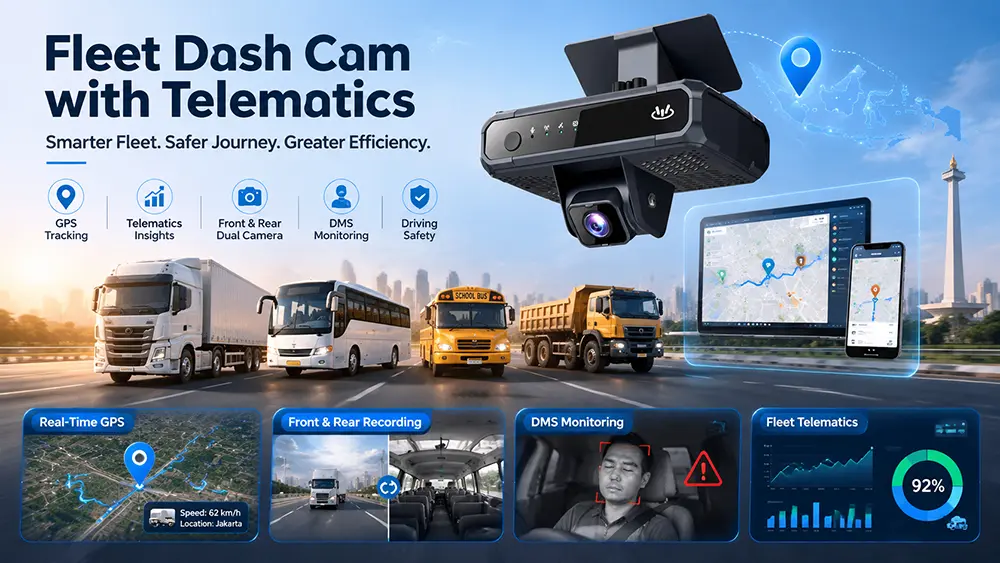
For Qatar taxi and ride-hailing fleets, when selecting a dash cam in 2027, in addition to front and rear video recording, features such as forward collision warning, driver monitoring, GPS tracking, 4G remote management, and accident recording should also be considered.
What is a Dash Cam with Forward Collision Warning?
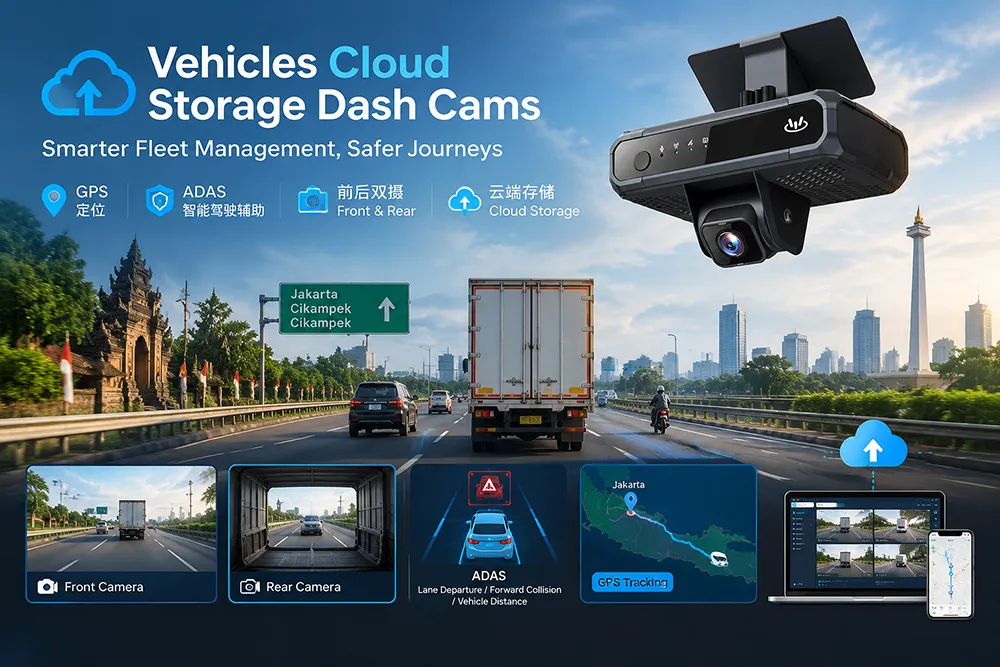
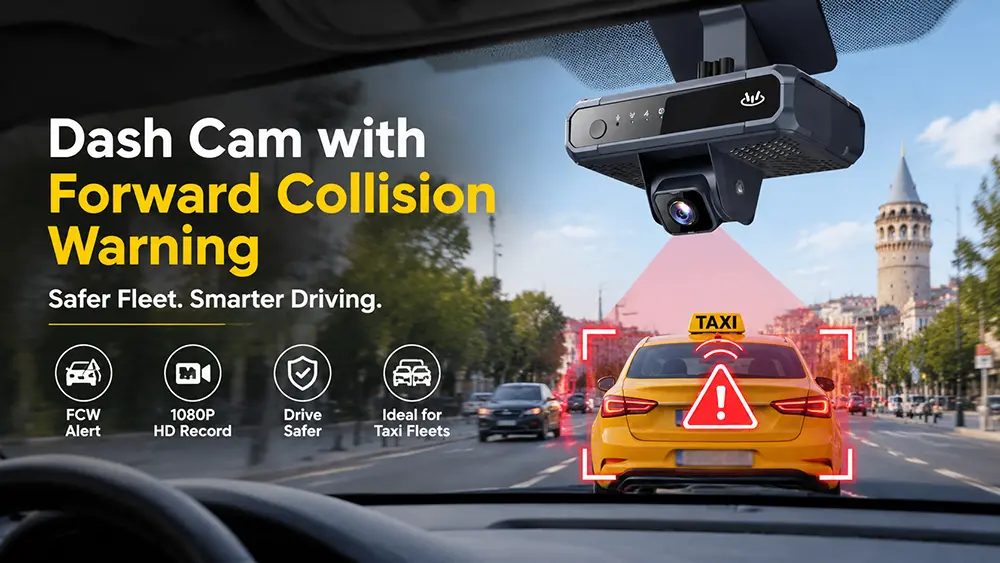
A dash cam equipped with forward collision warning is commonly referred to as a Dash Cam with Forward Collision Warning, or FCW Dash Cam for short. An FCW dash cam uses cameras and AI algorithms to monitor the vehicles ahead. When a vehicle is too close or there is a potential rear-end collision risk, the device will alert the driver. FCW is part of ADAS (Advanced Driver Assistance Systems).
ADAS also includes:
FCW: Forward Collision Warning
LDW: Lane Departure Warning
HMW: Headway Monitoring Warning
PCW: Pedestrian Collision Warning
It is important to note that FCW is not equivalent to AEB (Autonomous Emergency Braking). FCW is primarily responsible for detecting risks and alerting the driver; it will not actively apply the brakes for the driver.
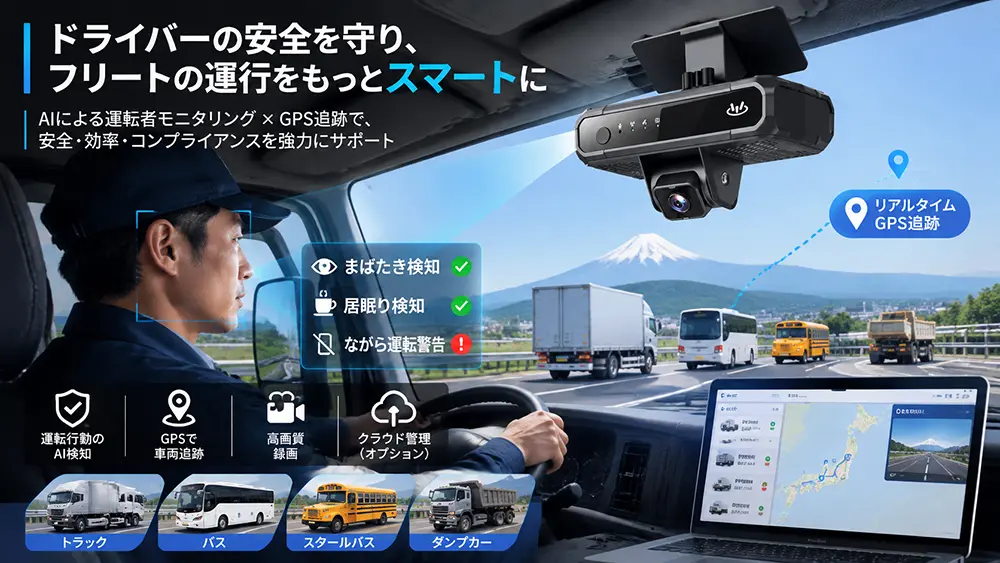
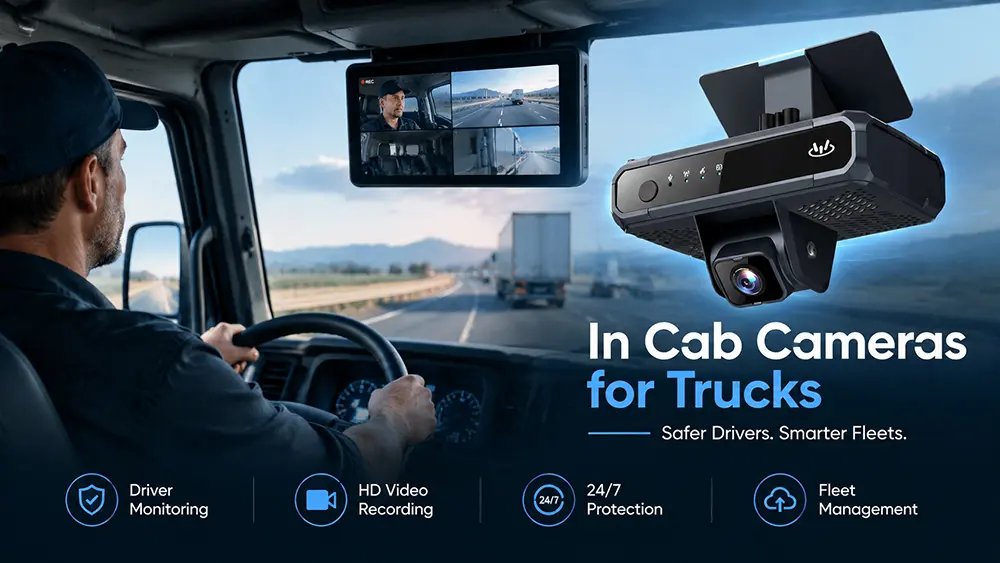
If the device also supports DSM or DMS (Driver Monitoring System), it can identify driving behaviors such as closed eyes, yawning, distraction, and phone calls.
Latest Situation of Qatar Taxis and the 2026–2027 Regulatory Environment
As of 2026, the Qatar Ministry of Transport continues to announce licensed electronic passenger transport platforms. These include platforms such as Uber, Badrgo, Aabir, Ryde, and iDriver. This indicates that Qatar's ride-hailing market has entered a more standardized licensing and regulatory phase. Qatar is also promoting electric and autonomous taxis. Karwa has already launched Level 4 electric Robotaxi testing and public trials. For taxi and ride-hailing fleets, this means the requirements for digital vehicle management will continue to rise.
3 Recommended YUWEI Dash Cams for 2027
V5C Dash Cam: Suitable for Bulk Installation in Taxis and Ride-Hailing Vehicles
The V5C is highly suited for taxi and ride-hailing fleets that want to control per-vehicle costs. It features a dual-camera design. The front camera supports up to 1080P, and the inward-facing camera supports up to 720P. Priced at $80 per unit, it offers an extremely high cost-to-performance ratio.
It simultaneously supports:
1.4G LTE
2.Wi-Fi
3.GPS + BDS
4.ADAS
5.DSM
6.Face ID
7.G-Sensor
8.Two-way audio
9.TF card storage
For Doha city taxis, Uber vehicles, and airport transfer vehicles, a front + inward dual-camera setup is typically sufficient to meet primary needs.
Suitable for: City taxis, small ride-hailing fleets, and rental fleets.
V5 Multi-Channel Dash Cam
If you need to monitor the inside, rear, or sides of the vehicle in addition to the front, the V5 is a better fit. The V5 supports up to 4 video channels. It can use one 1080P front camera and expand to three additional 720P cameras.
Features include:
1.4G
2.GPS + BDS
3.Wi-Fi
4.ADAS
5.DSM
6.Face ID
7.Remote video
8.Two-way audio
9.Trajectory query
10.Alarm events
11.Dual TF card storage
For enterprises with higher requirements for accident evidence collection, multiple cameras provide more comprehensive video evidence.
Suitable for: Medium to large taxi companies, limousine fleets, airport fleets, and multi-driver shift vehicles.
V8N: Suitable for Fleets Focused on FCW and Active Safety
If your main focus is finding a dash cam with forward collision warning, the V8N is highly recommended. The V8N supports a 1080P starlight-level front camera and a 720P infrared inward-facing camera.
Its ADAS supports:
FCW: Forward Collision Warning
LDW: Lane Departure Warning
HMW: Headway Monitoring Warning
PCW: Pedestrian Collision Warning
The DMS can also identify:
1.Closed eyes
2.Yawning
3.Distraction
4.Phone calls
5.Smoking
6.Unfastened seatbelts
The V8N can also expand to include BSD (Blind Spot Detection) via external cameras. Furthermore, it supports 4G, Wi-Fi, GPS/BDS, CAN Bus, a 6-axis sensor, and dual TF cards. Its nominal operating temperature ranges from -30℃ to 80℃. This design is highly advantageous for Qatar's high temperatures, long operating hours, and night driving environments.
Suitable for: Large taxi fleets, premium ride-hailing vehicles, night-shift vehicles, and high-security projects.
What Are the Advantages of Using Dash Cams for Qatar Taxis and Ride-Hailing?
Upgrading from Accident Recording to Accident Prevention
A standard dash cam is mainly responsible for recording. An FCW Dash Cam can also identify potential collision risks in advance. This helps drivers react earlier, which is especially important for taxis operating for long hours every day.
Detecting Fatigued and Distracted Driving
GPS can only tell managers where the vehicle is. DMS, on the other hand, can help determine if the driver is fatigued, distracted, or using a mobile phone. This allows fleets to detect high-risk driving behaviors much earlier.
Improving the Efficiency of Handling Accidents and Complaints
Taxi accidents and passenger complaints often require reconstructing the scene. If the system simultaneously saves road video, in-cabin video, GPS location, and time information, the investigation will be far more efficient. This is also extremely helpful for insurance claims and liability determination.
Supporting Remote Fleet Management
Traditional dash cams usually require removing the SD card to view footage. A 4G Dash Cam can remotely upload alarms and critical videos. For fleet managers overseeing dozens or hundreds of vehicles, this significantly improves management efficiency.
Establishing Driver Safety Scores
ADAS, DMS, and G-Sensors can record various risk events, such as:
1.Forward collision risks
2.Harsh braking
3.Rapid acceleration
4.Sharp turns
5.Fatigued driving
6.Distracted driving
Fleets can build a Driver Safety Score based on this data.
Specifications Comparison of V5C, V5, and V8N Dash Cams
How to Choose Between the Three Products?
1.If the goal is to control procurement costs and deploy rapidly, prioritize the V5C.
2.If the goal is to increase indoor, side, and rear video angles, choose the V5.
3.If the goal is to enhance FCW, DMS, night monitoring, and active safety, the V8N is the most suitable.
Conclusion
When purchasing for a fleet in 2027, you can focus on answering a few key questions:
1.Does the device support FCW?
2.Can it detect driver fatigue and distraction?
3.Does it support 4G remote viewing?
4.Does it have GPS tracking?
5.Can you quickly locate footage after an accident?
6.Can it be integrated into a fleet management platform?
7.Can the video data be managed in a compliant manner?
As Qatar continues to advance electric taxis, Robotaxis, and smart transportation, fleet management will increasingly rely on real-time data.
Therefore, the real question fleets need to consider in 2027 is not just "whether to install a dash cam," but more importantly: "What level of AI dash cam to choose, and how to connect video, driving behavior, and the fleet platform."
Email:hello@yuweitek.com