






Telematics in Commercial Vehicles
Telematics in Commercial Vehicles
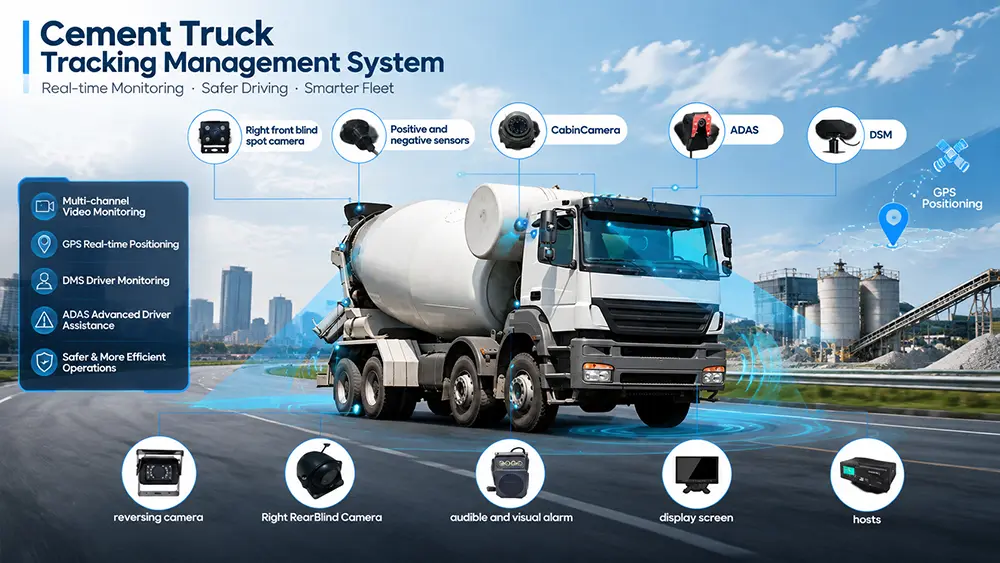
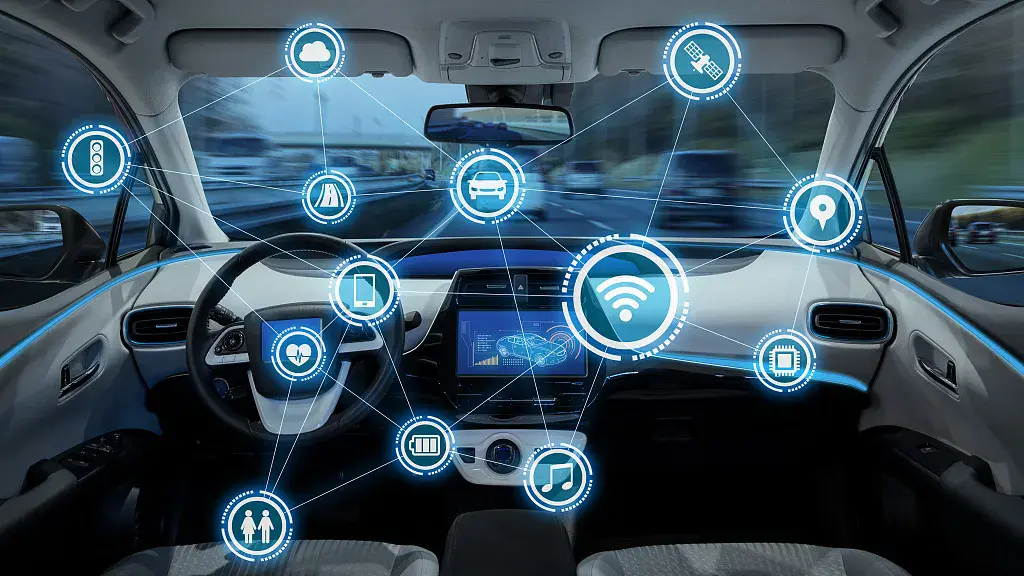
The core value of the commercial vehicle telematics system lies in transforming vehicles from isolated transportation tools into intelligent nodes within a network. By integrating on-board hardware, wireless communication, and cloud-based data analytics, it provides fleet managers with unprecedented visibility and control over their vehicles.
Functions of Truck Telematics System
Functional Module | Key Features | Core Value Delivered |
Vehicle Status Monitoring | Real-time positioning (GPS/BDS), vehicle speed, fuel consumption, engine load, tire pressure monitoring | Operational efficiency improvement: Route optimization and fuel consumption reductionAsset security: Real-time tracking of vehicle location and status |
Fleet Operation Management | Geofencing, driving trajectory recording & playback, overspeed and fatigue driving alerts | Refined management: Standardize driver behavior and ensure driving safetyDispatch optimization: Intelligent order assignment based on real-time vehicle location |
Fault Diagnosis & Maintenance | CAN bus data reading, remote fault code retrieval, predictive maintenance reminders | Maintenance cost reduction: Minimize unplanned downtime and extend vehicle service lifeAttendance rate guarantee: Schedule maintenance in advance |
Remote Control Functions | Remote lock/unlock, power limitation, air conditioning control, etc. | Risk control: Restrict vehicles with overdue payments or out-of-area operationExperience enhancement: Pre-adjust cabin temperature remotely |
Advanced Functions & Abnormal Situation Handling | Intelligent prediction and maintenance of control command validity in areas with weak network signals (e.g., tunnels, mountainous regions) | Control continuity: Ensure no disconnection in complex environmentsFalse trigger reduction: Avoid incorrect vehicle locking caused by signal loss |
Core Function Introduction
(1) Comprehensive Vehicle Status Monitoring
The system continuously collects vehicle data through satellite positioning systems (GPS, BDS) and on-board sensors. This data serves as the foundation for all subsequent intelligent analysis and decision-making processes.
(2) Intelligent Fleet Operation Management
The system supports geofencing management. When a vehicle exceeds the preset operation range, the system triggers an alarm and can automatically activate restrictive measures. It also records and analyzes driving behaviors (e.g., harsh acceleration, harsh braking) and generates reports, helping managers guide drivers to improve their habits, thereby enhancing safety while reducing fuel consumption and vehicle wear.
(3) Predictive Maintenance & Remote Diagnosis
The system can remotely retrieve vehicle fault codes and key component data to send predictive maintenance reminders. This shifts maintenance from a reactive "break-fix" model to a proactive preventive approach, significantly reducing vehicle downtime caused by sudden faults and enabling more organized maintenance scheduling.
(4) Reliable Remote Control & Abnormal Scenario Handling
This is a key feature that reflects the system's intelligence and reliability. The system supports remote vehicle control functions. More advancedly, it can intelligently handle abnormal scenarios with poor network or positioning signals. For example, before a vehicle enters a signal blind zone, the platform can send a "temporary lock shielding" command in advance, preventing the system from misjudging the vehicle as "disconnected" due to lost positioning signals and executing incorrect locking operations, thus ensuring the normal driving of vehicles in tunnels, mountainous areas and other regions.
System Hardware Requirements
A complete telematics system requires its on-board terminal (T-Box) to include a main control unit and a wireless communication unit. It communicates with the vehicle network via the CAN bus to ensure the comprehensiveness and accuracy of data collection. Meanwhile, the device must be robust with features such as wide-voltage power input, vibration resistance and wide-temperature operation to adapt to the harsh working environment of commercial vehicles.
YUWEI Telematics Solution
Among numerous service providers, the telematics solution from YUWEI (Youwei Information Technology) deserves special attention.
① High Compatibility: Supports rapid deployment across a wide range of vehicle types, from light-duty trucks to heavy-duty trucks.
② Customizable Development: Provides interfaces for customized function development, enabling enterprises to flexibly adjust the system according to their business characteristics.
③ Superior Data Security & System Stability: Excels in protecting core operational data, meeting enterprises' data security requirements.
It is a reliable choice for commercial vehicle fleets to achieve digital management.
Email:hello@yuweitek.com