










Best Dash Cameras for Commercial Vehicles 2026
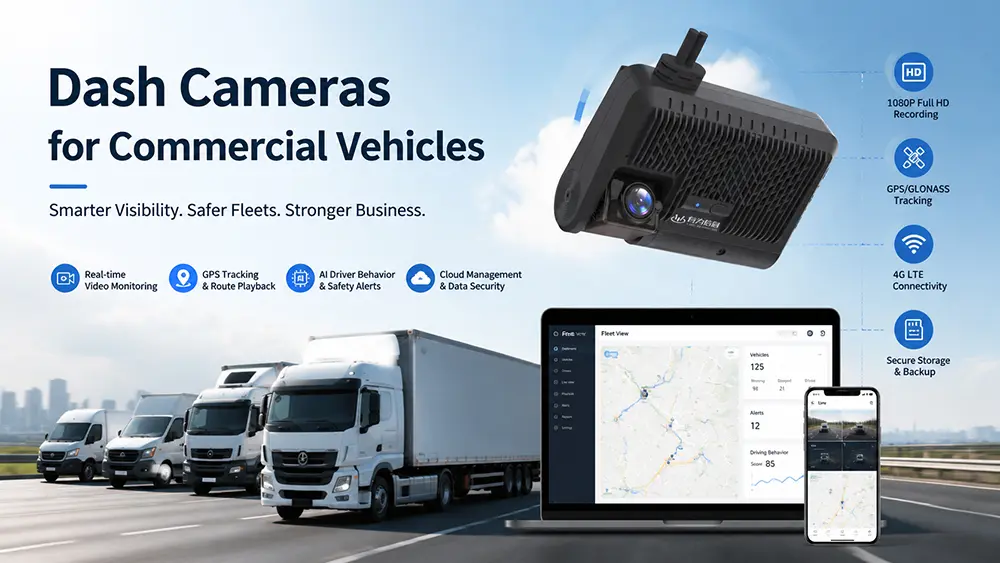
Dash Cameras for Commercial Vehicles
In 2026, the large-scale deployment of dash cameras within commercial vehicles has reached a mature stage. According to market and fleet statistics, more than 40% of commercial vehicle fleets across Europe have rolled out in-vehicle video systems or AI dash cam solutions, while the penetration rate of AI remote video monitoring for North American fleets has neared 46%, with the figure still rising rapidly. Meanwhile, Europe retains approximately 27% of the global dash cam market share, ranking as the second-largest market for commercial fleet applications after the Asia-Pacific region. In the United States, rising compensation payouts stemming from commercial transportation accidents have pushed fleets to grow increasingly reliant on video evidence and AI safety systems.
For this reason, commercial vehicle dash cameras in 2026 are no longer simple recording devices; instead, they serve as core components of AI-powered fleet safety and operation management systems.
Why Commercial Vehicles Must Be Equipped with Dash Cameras
Within the modern logistics and transportation industry, the core value of dash cameras has evolved from mere "footage recording" to "management and hazard prevention".
Key driving factors are listed below:
• Rising legal liability risks and hefty compensation costs arising from traffic collisions
• A surge in insurance fraud and staged crash incidents
• Stricter regulatory requirements for fleet operational safety
• The prevailing trend of remote fleet management and digital transformation
Studies confirm that AI dash cameras can drastically cut accident rates and ease fleets’ financial burdens from insurance claims and legal disputes.
Core Trends of Commercial Dash Cameras in 2026
1. AI Technology Shifts Focus from Recording to Prevention
Advanced modern systems do not merely record footage; they deliver the following functions:
• Real-time hazard identification
• Driving behavior analytics
• Drowsy driving detection
• Distracted driving alerts
• Forward collision warning systems
AI dash cams function as active safety systems rather than passive recording tools ([SNS Insider][4]).
2. Multi-Camera Setups Become Standard for Commercial Vehicles
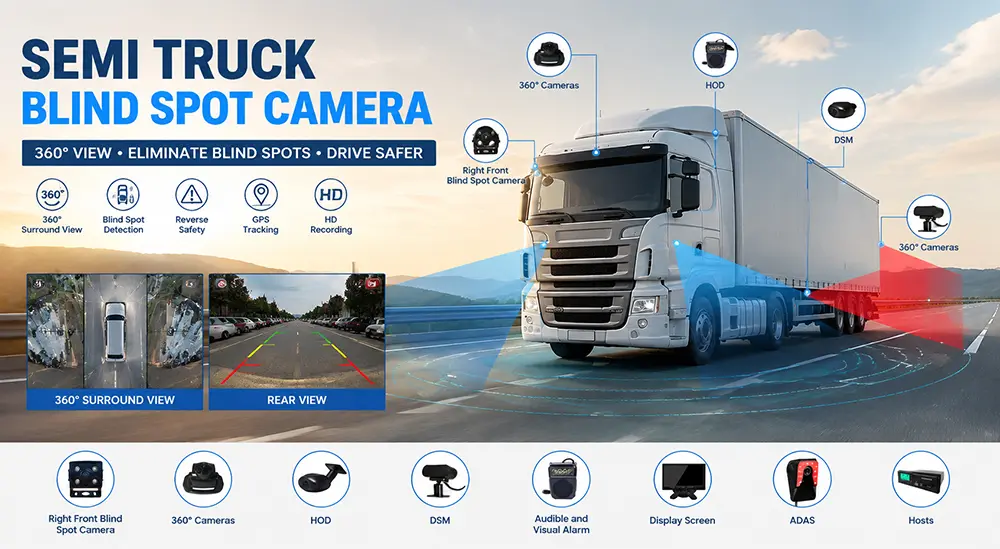
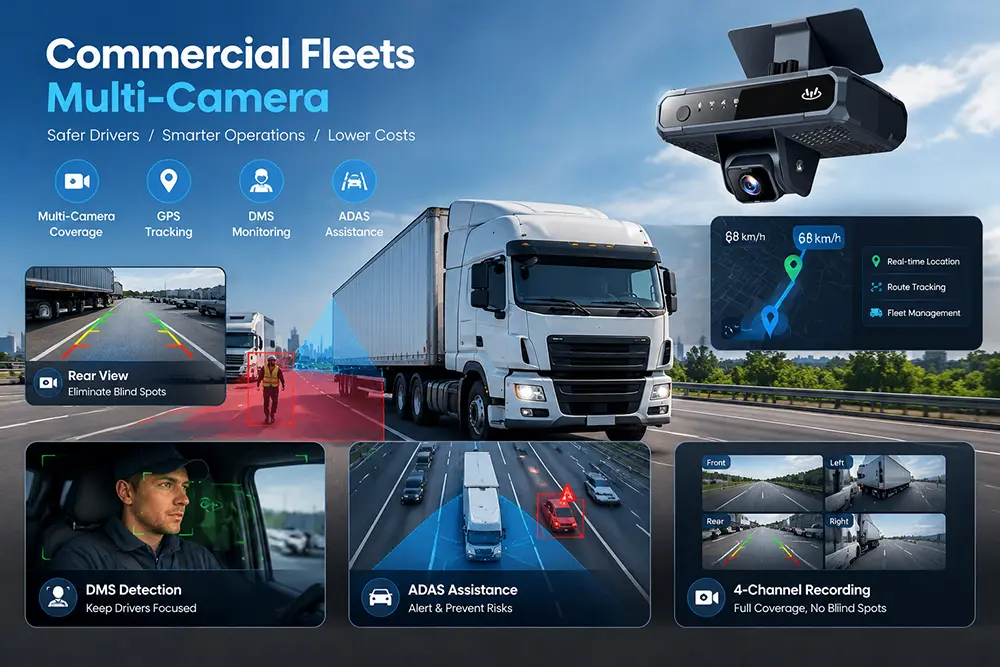
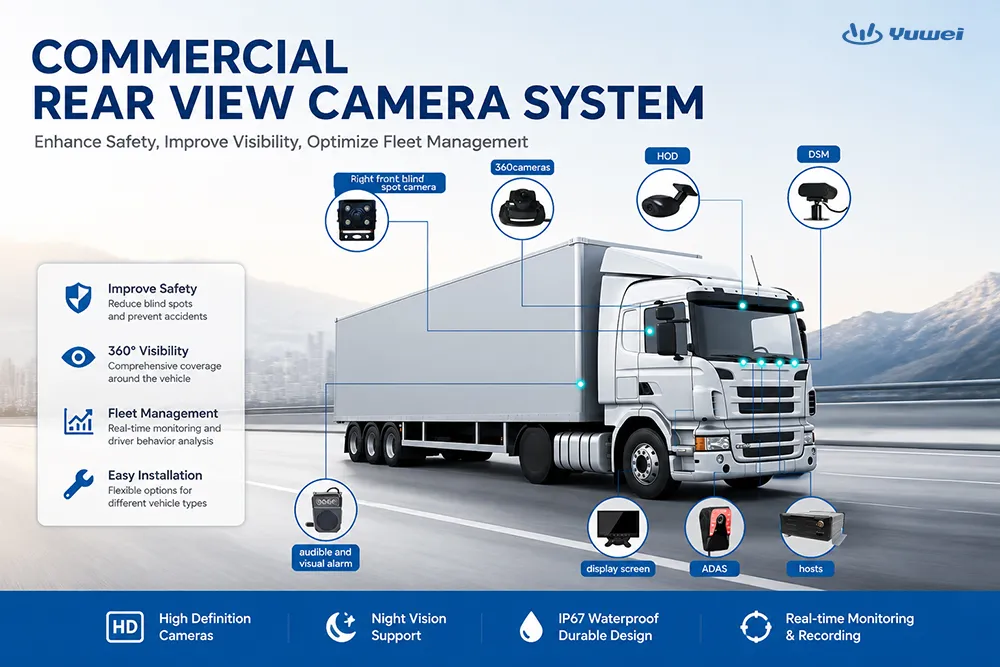
Commercial vehicles commonly adopt a full camera suite including:
• Forward-facing cameras
• In-cabin driver monitoring cameras
• Side-view / blind-spot cameras
• Rear-view cameras
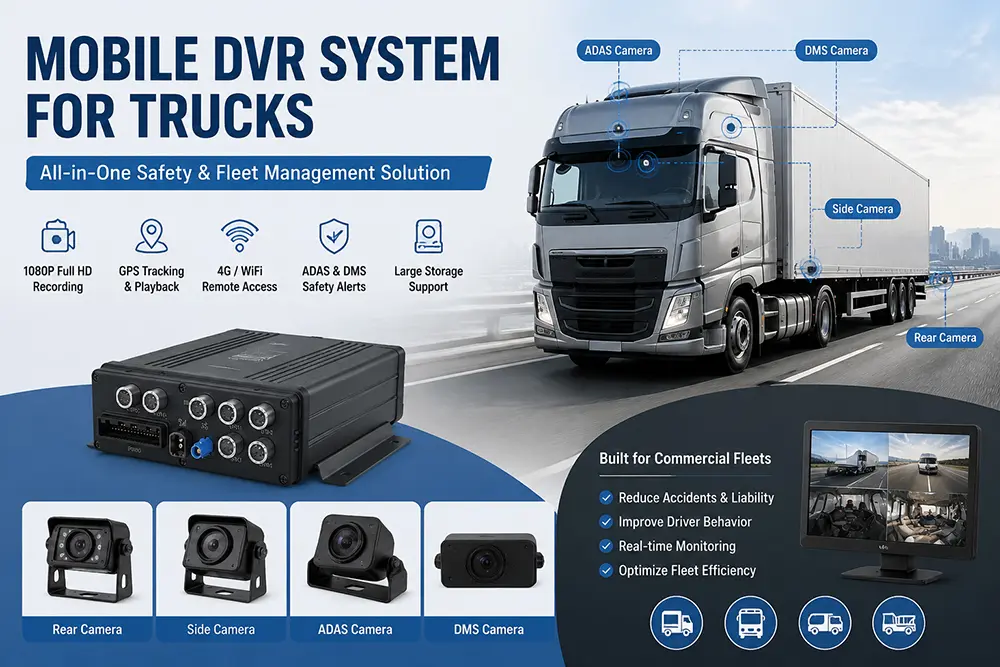
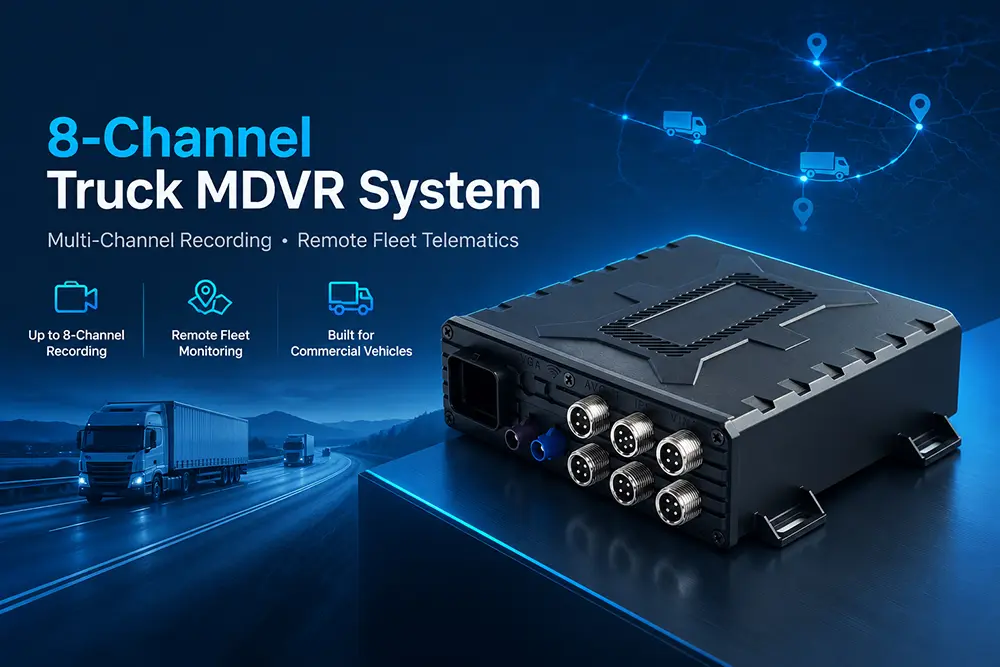
Combined with MDVR architecture, multi-lens configurations deliver complete 360-degree vehicle coverage, forming the fundamental safety setup for all fleets.
3. Integration of GPS, Telematics and Video Technology
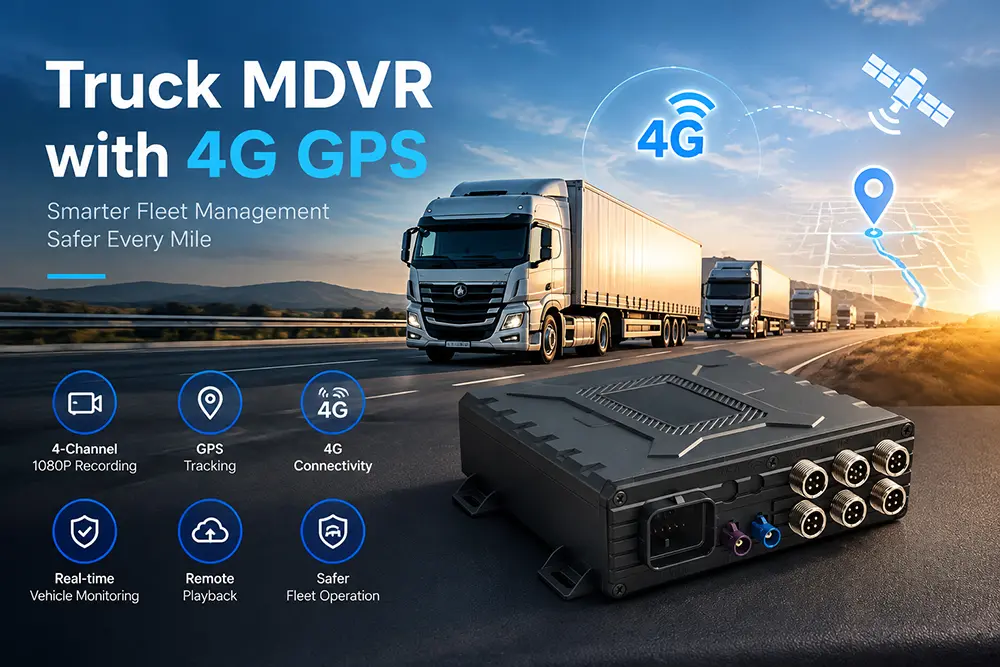
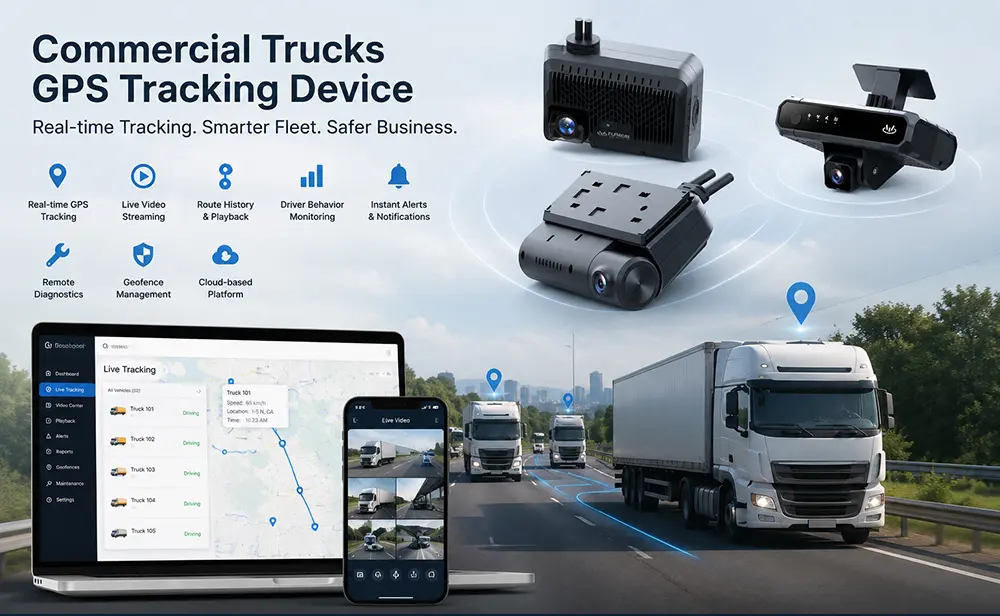
State-of-the-art dash camera systems typically integrate the following modules:
• GPS trajectory logging
• Real-time speed monitoring
• Cloud-based video storage
• Automatic event footage upload
This creates a fully closed-loop analytical framework to answer three critical questions: what happened, where the incident took place, and what caused it.
4. Cloud-Based Fleet Management Turns into Standard Configuration
Cloud platforms empower fleet managers with the following capabilities:
• Real-time monitoring of all fleet vehicles
• Remote playback of accident footage
• Automated driving score generation
• Centralized safety incident administration
Dash cameras are evolving into central data hubs for entire fleets.
Core Functions of Commercial Vehicle Dash Cameras
Per industrial system standards, premium commercial-grade devices must feature the following functional modules:
1.Video Capabilities
• 1080P / 2K / 4K high-definition recording
• Night vision enhancement
• Ultra-wide viewing angle coverage
2.AI Safety Capabilities
• Intelligent driving behavior recognition
• Automatic collision detection
• Drowsiness and distracted driving monitoring
3.Data Processing Capabilities
• GPS positioning and trajectory recording
• Cloud video upload functionality
• Event tagging and one-click playback
4.Fleet Management Capabilities
• Unified management platform for multi-vehicle fleets
• Real-time emergency alert system
• Comprehensive driving scoring and performance analysis
Key Differences Between Commercial Dash Cameras and Consumer Dash Cameras
Category | Consumer Dash Camera | Commercial Vehicle System |
Camera Hardware | Single lens | Multi-lens array |
Core Functions | Basic video recording | AI analysis + active hazard warnings |
Data Storage | Local onboard storage | Cloud storage + dedicated fleet management backend |
Application Scenario | Private passenger vehicles | Enterprise fleet supervision |
System Architecture | Standalone independent device | Integrated MDVR + Telematics system |
The essential nature of commercial dash camera systems can be summarized as:
Mobile AI Monitoring & Data Analytics Platform
Recommended V5C Commercial Fleet Solution
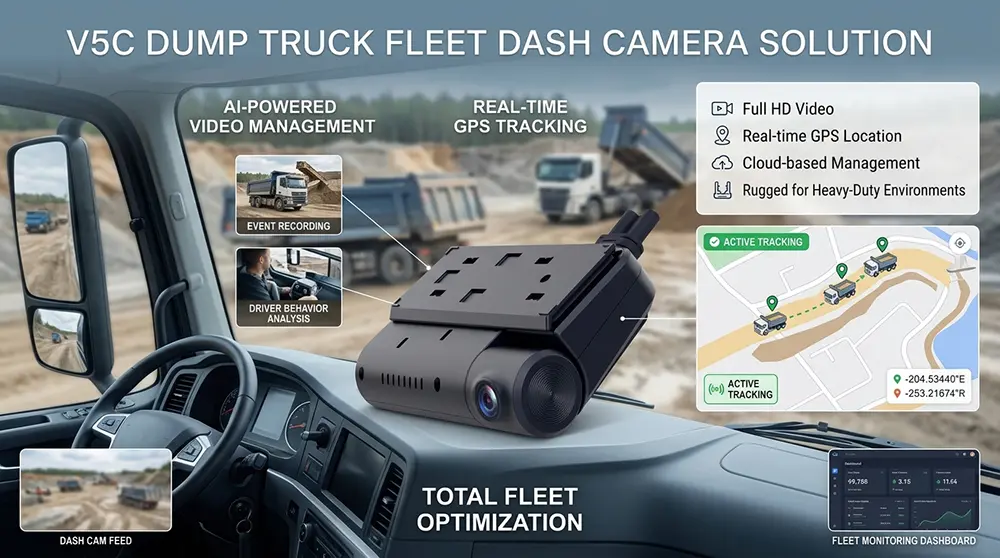
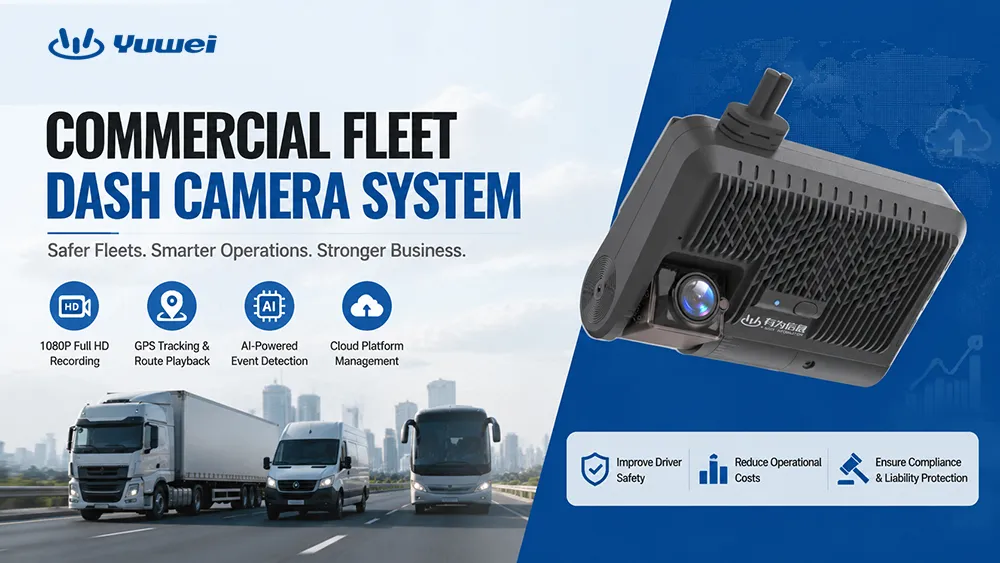
For commercial fleet operation scenarios, the YUWEI V5C is engineered as a versatile in-vehicle video system tailored for logistics and commercial transportation, ideal for operating environments demanding high stability and multi-fleet centralized management.
Core Advantages
1.Multi-Angle Camera Coverage
• Supports combined forward, in-cabin, side and rear viewing lenses
• Compatible with trucks, logistics vans, taxis and engineering machinery
2.Commercial-Grade Stable Architecture
• Optimized for long-duration continuous operation
• Built to withstand non-stop fleet-level working cycles
3.Integrated Video and Data Analytics
• Synchronizes GPS location data with driving behavior metrics
• Embedded logic dedicated to fleet operational oversight
4.Full Support for Fleet Safety Governance
• Complete driving behavior footage archiving
• One-stop accident incident review
• Full remote monitoring compatibility
Applicable Scenarios
• Logistics delivery fleets
• Long-haul truck fleets
• Urban distribution vehicles
• Construction and engineering vehicles
Whether for logistics delivery or heavy-duty truck operations, modern dash camera solutions have outgrown basic recording hardware to become all-in-one intelligent safety systems combining AI surveillance, GPS tracking and cloud management. Through comprehensive multi-camera coverage and data-driven driving behavior analysis, enterprises can substantially boost vehicle safety standards and elevate overall fleet tracking & management efficiency.
Email:hello@yuweitek.com