








Best Government Vehicle Tracking System
What is a Government Vehicle Tracking System?
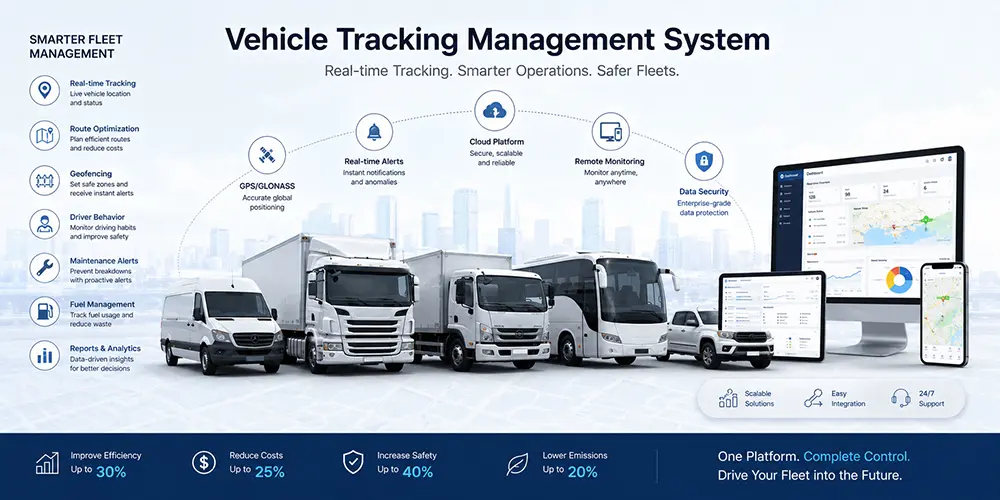
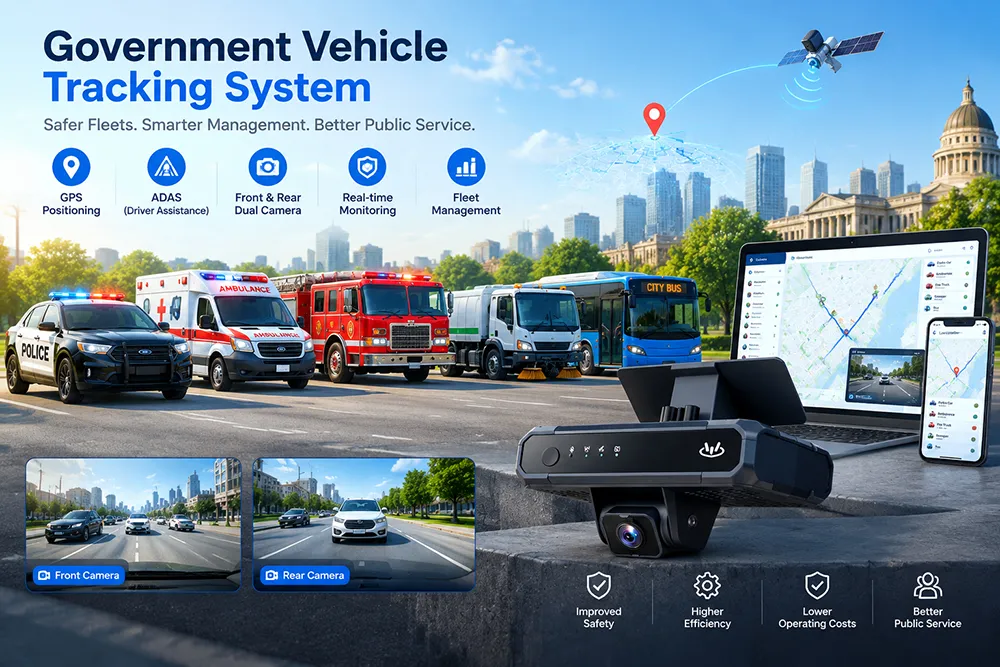
A Government Vehicle Tracking System is a solution integrating GPS positioning, real-time tracking, video surveillance, and fleet management. It helps government departments, municipal agencies, and public utility organizations keep track of vehicle locations, driving routes, and operational statuses in real time.
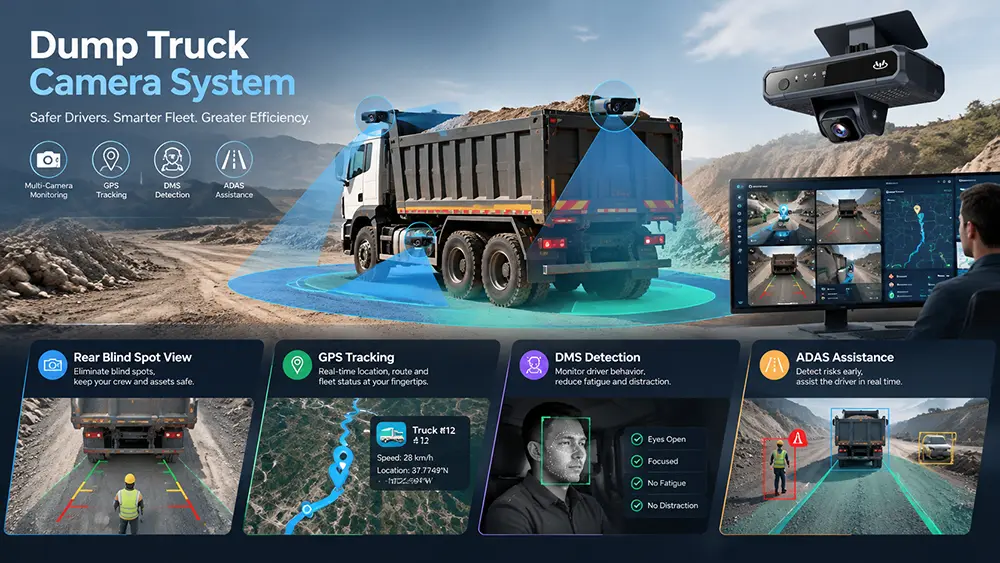
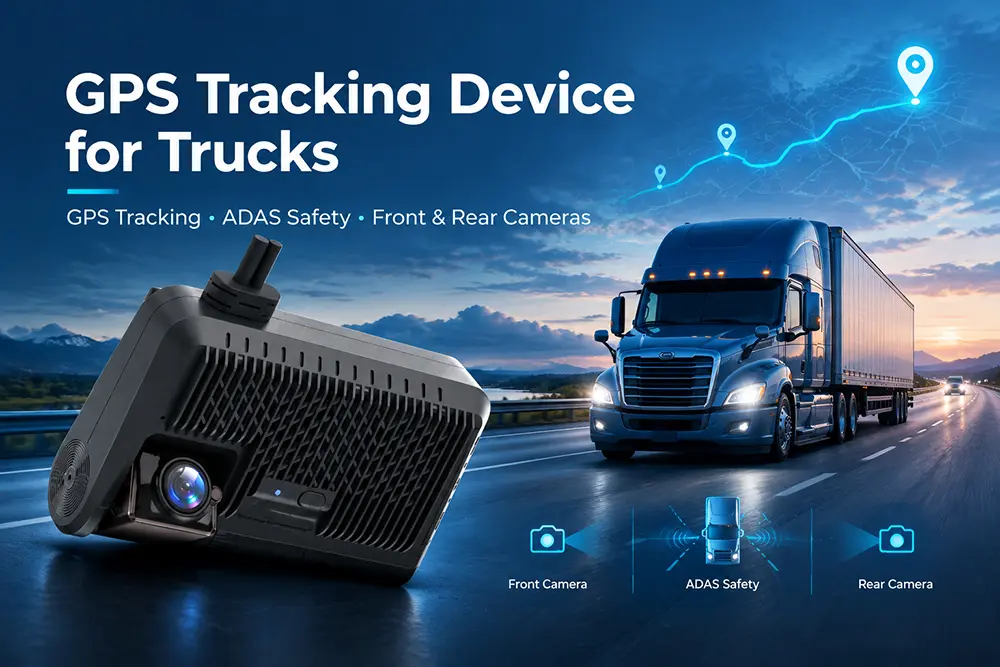
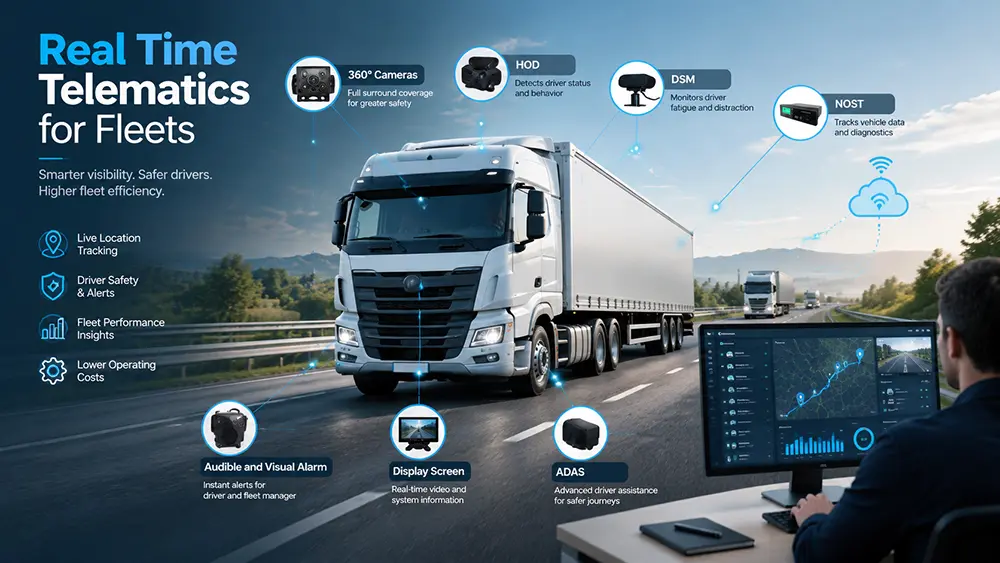
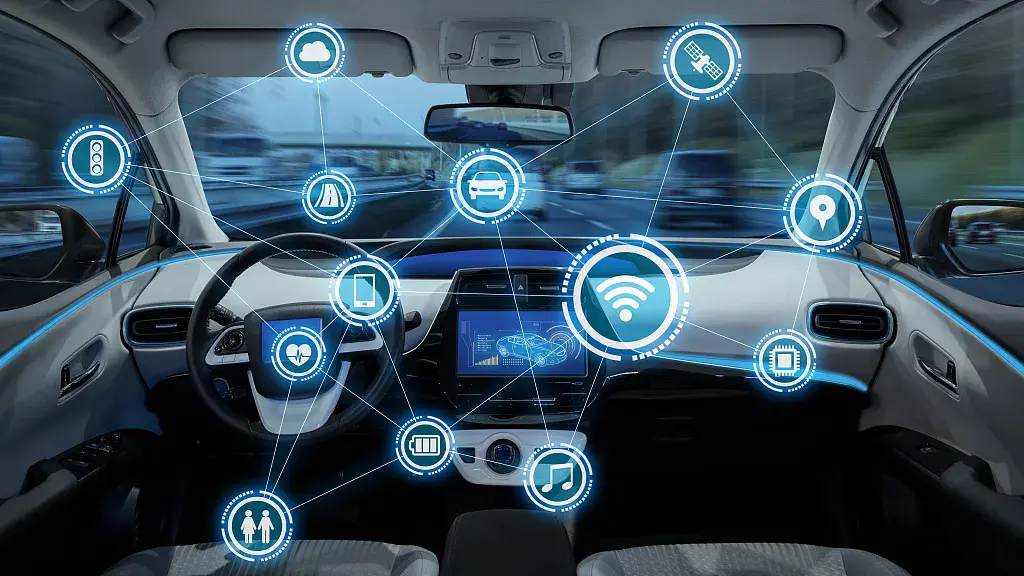
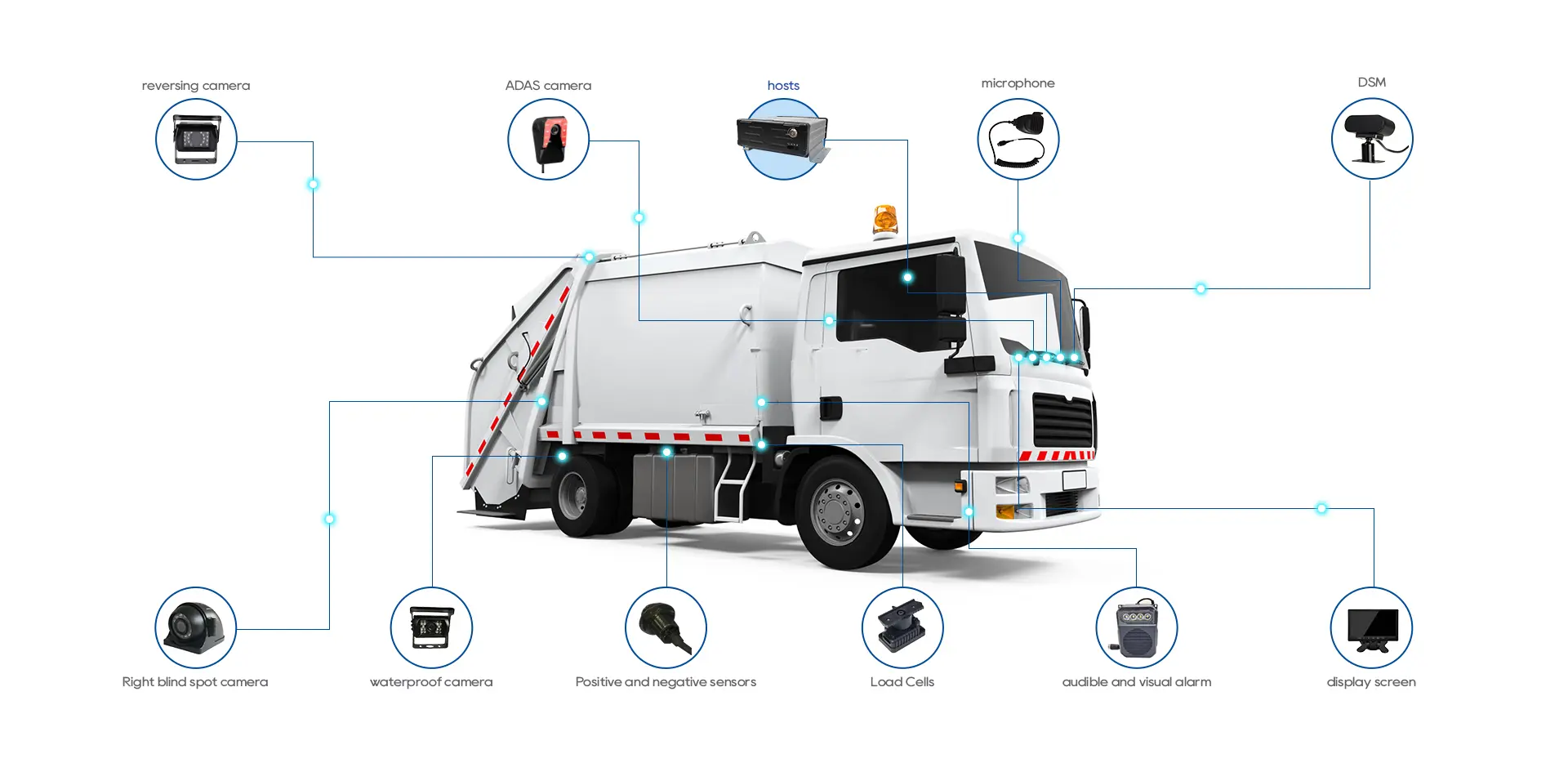
Unlike traditional GPS trackers, modern vehicle tracking systems can also integrate Advanced Driver Assistance Systems (ADAS), Driver Monitoring Systems (DMS), dashcams, and Mobile Digital Video Recorders (MDVR) to achieve vehicle positioning, driving behavior analysis, and remote video management.
For example, police departments can manage patrol cars, fire trucks and ambulances can optimize emergency dispatch, and municipal departments can track sanitation vehicles and road maintenance vehicles.
Advantages of Government Vehicle Tracking Systems
1.Real-time Positioning: View vehicle locations, driving trajectories, and stop records.
2.Optimize Dispatching: Reduce invalid driving and improve fleet utilization rates.
3.Driving Safety: Identify potential driving risks through ADAS and DMS.
4.Remote Video: View live vehicle footage and retrieve historical recordings.
5.Event Management: Assist accident investigations by combining positioning, video, and alarm information.
Therefore, when choosing the best government vehicle tracking system for 2026, one should comprehensively consider positioning accuracy, video features, hardware reliability, data security, and system scalability.
Government Vehicle Types and Related Regulations
European government fleets include official cars, police cars, fire trucks, ambulances, buses, sanitation vehicles, road maintenance vehicles, and other public service vehicles. Different vehicles have distinct mission and security requirements, necessitating flexible configurations of GPS, cameras, and driving safety equipment.
Major Vehicle Types in Government Fleets
1.Official Cars & Administrative Vehicles
Mainly used for daily official travel and administrative tasks. Recommended configurations include GPS positioning, historical trajectory tracking, forward-facing cameras, and remote management features.
2.Police Cars & Law Enforcement Vehicles
Require real-time positioning, internal/external video recording, and event traceability. Multi-channel cameras, MDVR, and emergency alarm buttons can be added based on mission requirements.
3.Fire Trucks & Ambulances
Focus heavily on emergency dispatching, driving safety, and scene recording. Can be configured with GPS, multi-channel video, ADAS, DMS, and reliable video storage devices.
4.Municipal & Road Maintenance Vehicles
Include sanitation trucks, garbage collection vehicles, and road repair vehicles. Recommended configurations include GPS tracking, geofencing, front/rear cameras, and driving behavior monitoring.
5.Buses & Public Service Coaches
Can be configured with MDVR, internal/external cameras, GPS, ADAS, and DMS according to operational needs to enhance vehicle operation and passenger safety management.
Regulations Related to European Government Vehicle Tracking Systems
When procuring government vehicle tracking systems, key focus should be placed on the following regulations and technical requirements:
1.EU General Safety Regulation (EU) 2019/2144
This regulation mandates several safety system requirements for applicable new vehicles, including Intelligent Speed Assistance, driver drowsiness and attention warning, reversing detection, and Event Data Recorders. Relevant requirements come into force in phases according to vehicle categories and implementation schedules.
2.GPS/GNSS Vehicle Positioning
GPS tracking systems provide real-time location, historical trajectories, and vehicle operational data. Deployment should verify communication network compatibility, positioning performance, and data access permissions.
3.ADAS & DMS Driving Safety
ADAS provides early risk warnings such as forward collisions and lane departures; DMS monitors driver fatigue and distraction. For aftermarket installations, compatibility, mounting locations, calibration requirements, and actual functionality of cameras should be verified.
4.Remote Video Surveillance & GDPR
Remote video systems allow real-time viewing of vehicle feeds and historical video retrieval. Deployment should focus on lawful processing grounds, access permissions, data encryption, and video retention periods.
5.Tachographs
EU tachograph regulations apply to specific road transport vehicles and transport operations. Starting July 1, 2026, certain light commercial vehicles over 2.5 tonnes involved in international transport operations meeting applicable conditions will also fall under these requirements.
6.PTZ & Specialized Cameras
For specialized inspection and scene monitoring vehicles, Pan-Tilt-Zoom (PTZ) cameras, zoom cameras, or infrared cameras can be selected as needed. These are usually optional configurations rather than mandatory requirements for all government vehicles.
Government Vehicle Tracking Solutions
YUWEI provides in-vehicle video terminals, MDVRs, and related accessories. Different configurations can be designed based on government fleet types and monitoring needs.
V5 DASH CAM
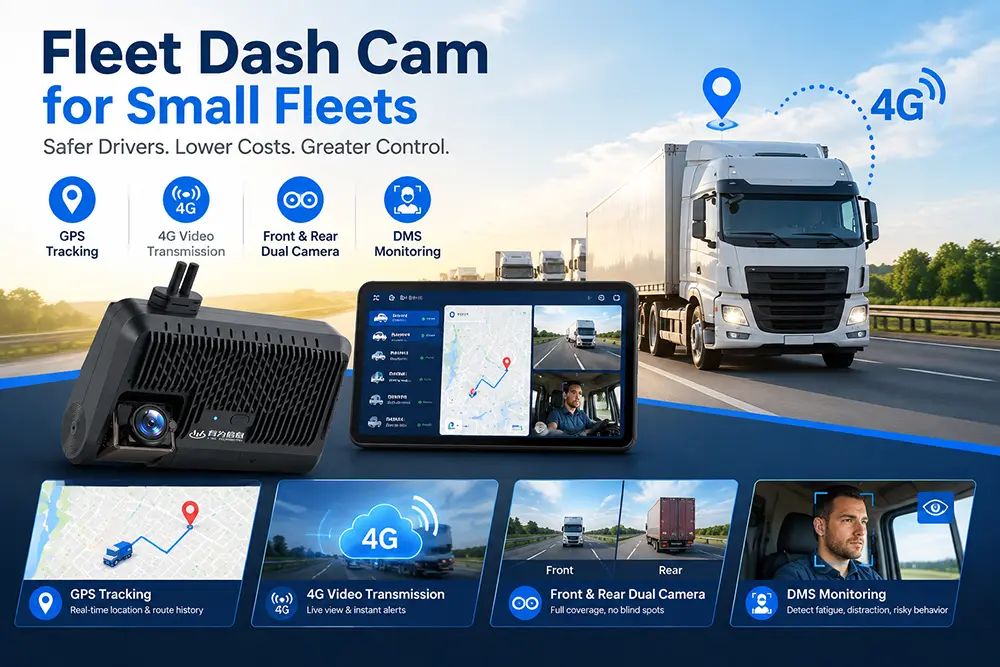
The YUWEI V5 DASH CAM is suitable for light government vehicles requiring GPS positioning, video recording, and driving safety management.
Main Features Include:
1.GPS/GNSS Positioning: View real-time locations and historical trajectories.
2.4G Communication: Supports data transmission between the device and management platform.
3.HD Video: Records vehicle driving footage.
4.ADAS: Provides driving risk warnings in supported models.
5.DMS: Monitors fatigue and distraction in adapted configurations.
6.Remote Video: View live feeds or historical recordings depending on device and platform capabilities.
The V5 is suitable for official sedans, routine patrol cars, and light inspection vehicles. Front-facing camera configurations can be selected for basic needs; when more comprehensive monitoring is required, interior or additional cameras can be added depending on the model.
F4 MDVR
The YUWEI F4 MDVR is a mobile digital video recording device designed for professional vehicle video surveillance scenarios, suitable for government fleets requiring multi-channel cameras and centralized video management.
Key Advantages Include:
1.Multi-channel Video: Connect front-facing, interior, rear-facing, and side-facing cameras depending on the model.
2.Centralized Storage: Select appropriate video storage solutions based on device specifications.
3.Remote Management: Integrate positioning, video, and alarm information under corresponding configurations.
4.Active Safety Expansion: Optional features such as ADAS and DMS depending on the model.
5.Flexible Installation: Suitable for fire trucks, ambulances, police cars, and large municipal vehicles.
The F4 MDVR is suited for projects with higher demands for video coverage, video retention, and system scalability. Specific numbers of video inputs, storage media, communication interfaces, and AI functions should be based on the official spec sheet of the corresponding model.
Government Vehicle Tracking System Hardware Configuration
Hardware List
Specific configurations should depend on device models, interface counts, and software functions.
Recommended Configurations for Different Government Vehicles
1.Basic Type: Official Sedans
GPS/GNSS + 4G + Front-facing Camera + In-vehicle Storage.
Suitable for daily positioning, trajectory queries, and basic video recording.
2.Enhanced Type: Police Cars & Patrol Vehicles
GPS/GNSS + 4G + Multi-channel Cameras + Adapted ADAS/DMS + Emergency Alarm Accessories.
Suitable for fleets needing enhanced driving safety and event recording.
3.Professional Type: Fire Trucks, Ambulances & Large Municipal Vehicles
GPS/GNSS + 4G + MDVR + Multi-channel Cameras + Adapted Storage Solution.
Can add ADAS, DMS, and alarm equipment as needed.
4.Special Mission Type: Specialized Inspection Vehicles
GPS/GNSS + MDVR + Multi-channel Video + Optional PTZ or Zoom Camera.
Suitable for specific operational scenarios requiring a broader field of view.
Why Choose YUWEI Government Fleet Solutions?
When upgrading government vehicle tracking systems in 2026, besides device features, product compatibility, future scalability, and long-term maintenance should also be considered.
YUWEI's in-vehicle video product ecosystem allows evaluation of the V5 DASH CAM, F4 MDVR, and related accessories based on different vehicle requirements.
Key Advantages Include:
1.Flexible Configuration: Select suitable terminals based on vehicle types.
2.Combining Positioning & Video: Supports fleet positioning and video management solutions.
3.Active Safety Expansion: Configure features like ADAS and DMS based on models.
4.Wide Range of Accessories: Add cameras, storage devices, and auxiliary hardware on demand.
5.Suitable for Multiple Vehicle Types: Covers official cars, patrol vehicles, and specialized service vehicles.
Conclusion
The best government vehicle tracking system in 2026 should combine GPS positioning, in-vehicle video, driving safety, and remote management capabilities to provide suitable solutions for different types of government fleets. By configuring cameras, ADAS, DMS, storage devices, and other accessories on demand, an intelligent fleet management system can be established.
Email:hello@yuweitek.com