








Catering Truck GPS Monitoring System
Catering Truck GPS Monitoring System
The challenge in delivering nutritious student meals does not lie in getting them out the door, but in what is "invisible": what happens inside the truck's cargo compartment, which route the vehicle takes, what time it arrives at the school, and so on. Vehicle GPS monitoring brings both interior and exterior video feeds along with BeiDou positioning directly into a mobile phone, leaving a complete record throughout the journey for post-event verification. Based on actual installation cases of nutritious meal delivery fleets in Chengdu and surrounding areas, this article explains what problems this system solves, how it is installed, and which vehicles it applies to.
Catering Truck Management Risks
Between leaving the central kitchen and reaching a child's plate, nutritious student meals travel anywhere from a few kilometers to dozens of kilometers. Along this journey, there are three common "blind spots":
1.Invisible inside the cargo compartment: Whether the insulated boxes have been moved, whether meal boxes have tipped over, whether anyone opened the boxes mid-transit, or whether anything was dropped during loading and unloading—only the driver knows. Once food contamination or quantity shortages occur, it is almost impossible for schools and parents to trace the cause.
2.Invisible on the road: Whether the vehicle follows the designated route, deviates from the route, makes prolonged stops along the way, or speeds to make up for lost time—neither the delivery company headquarters nor the school has any way of knowing.3.Invisible during handover: The exact minute the vehicle arrives at the school, who signs for the delivery, and whether early arrival caused the meals to go cold.
At the regulatory level, the "Bright Kitchen and Stove" (transparent kitchen) initiative in school cafeterias has largely achieved full coverage, yet the transportation phase after meals leave the kitchen remains the weakest link in supervision. This is why an increasing number of delivery enterprises and school logistics departments are beginning to require GPS monitoring for student nutritious meal delivery vehicles.
Currently, most vehicles undertaking student nutritious meal deliveries are approximately 4.2-meter box trucks, capable of carrying hundreds of meals in a single trip.
How MDVR + Dash Cam Solves the Problem
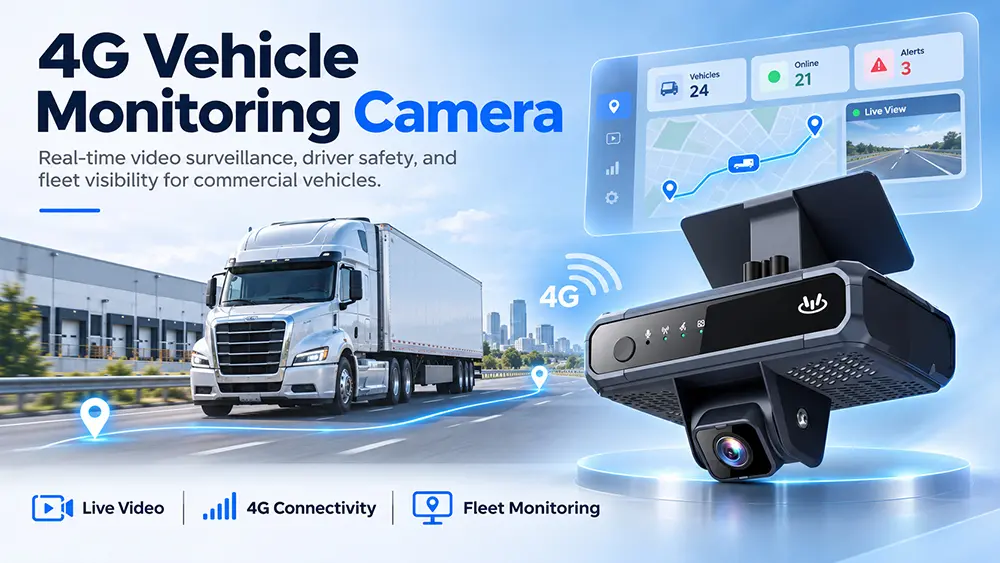
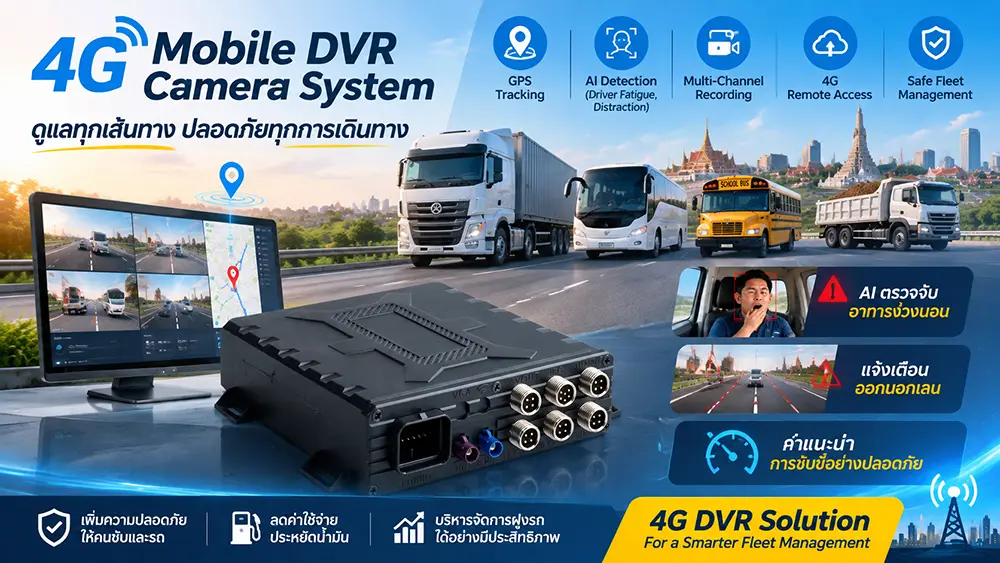
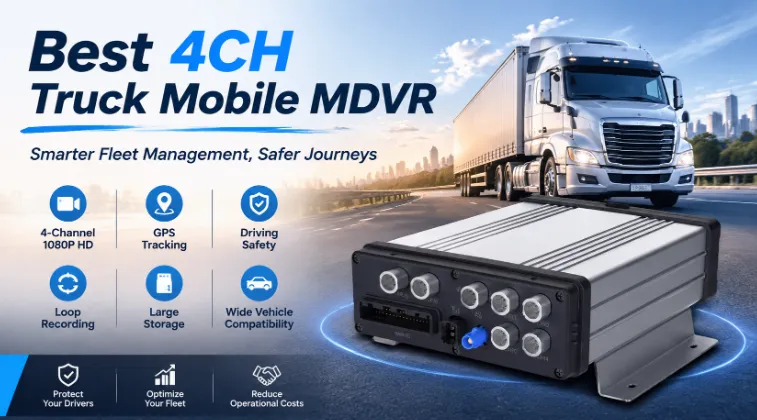
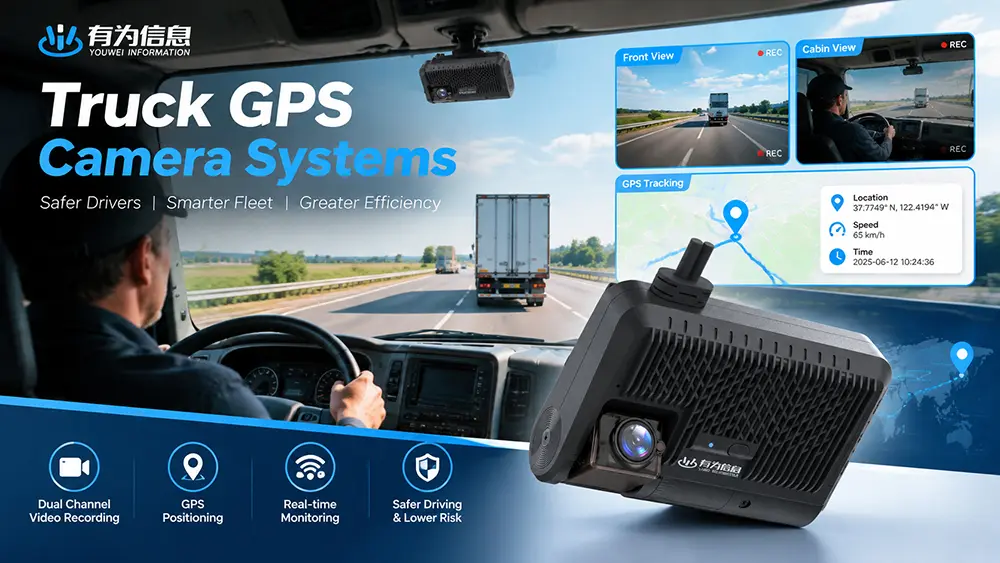
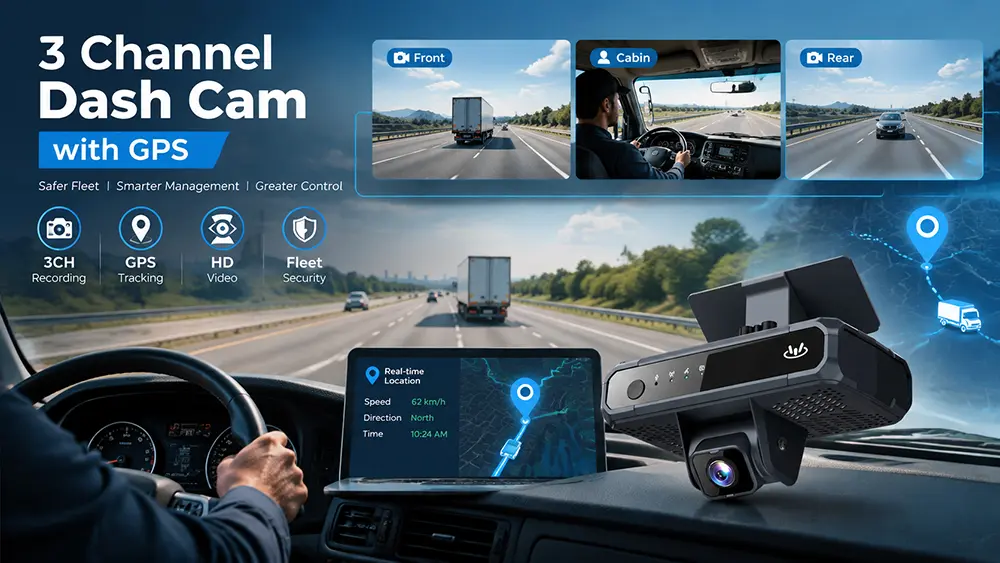
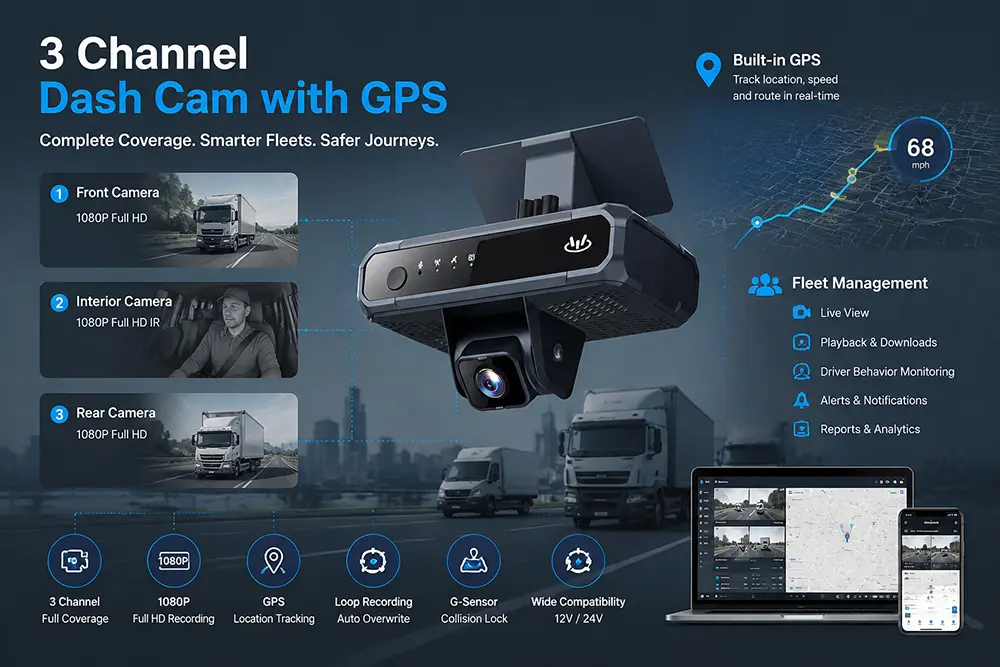
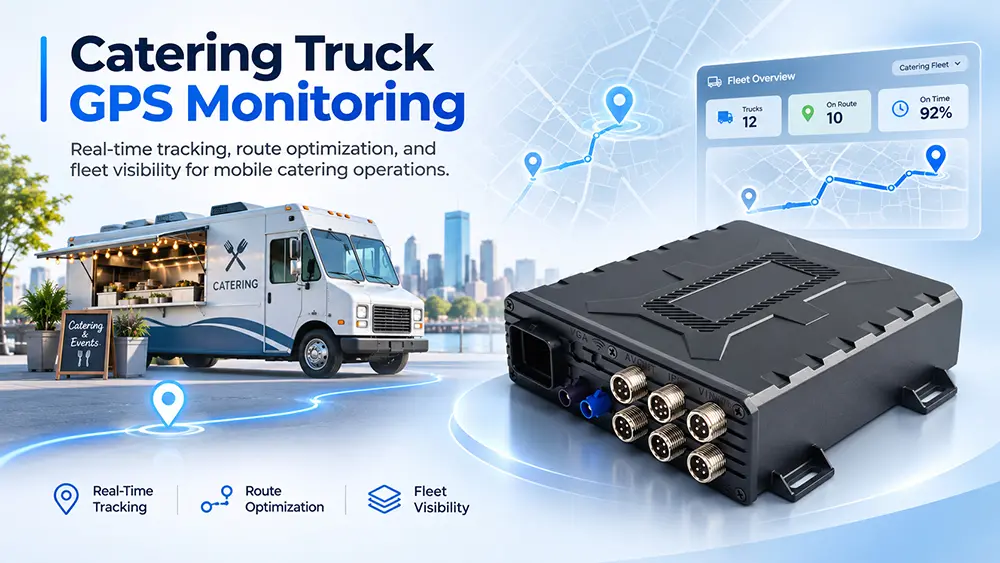
YUWEI equips catering trucks with a BeiDou/GPS dual-mode MDVR paired with a dual-channel vehicle video monitoring dash cam, with the main unit handling both positioning and video functions simultaneously. The terminal is installed inside the cab, using concealed wiring to connect to the vehicle's power supply and cameras—neither damaging the original vehicle interior nor obstructing the driver's line of sight.
GPS Vehicle Smart Terminal
Interior Cargo Compartment Monitoring The camera is mounted on the ceiling of the cargo compartment, providing wide-angle coverage of the entire space. Whether insulated boxes are neatly arranged, whether the loaded quantity is accurate, and whether boxes are opened en route are all recorded throughout the trip for playback. In dark cargo environments at night, the camera automatically switches to infrared mode, keeping the footage clear.
Real-life view of a 4.2-meter box truck cargo compartment
Exterior Monitoring One camera faces outward to record road conditions ahead and to the sides of the vehicle. Driving disputes, scrapes, and operations in loading/unloading areas are all documented with clear evidence.
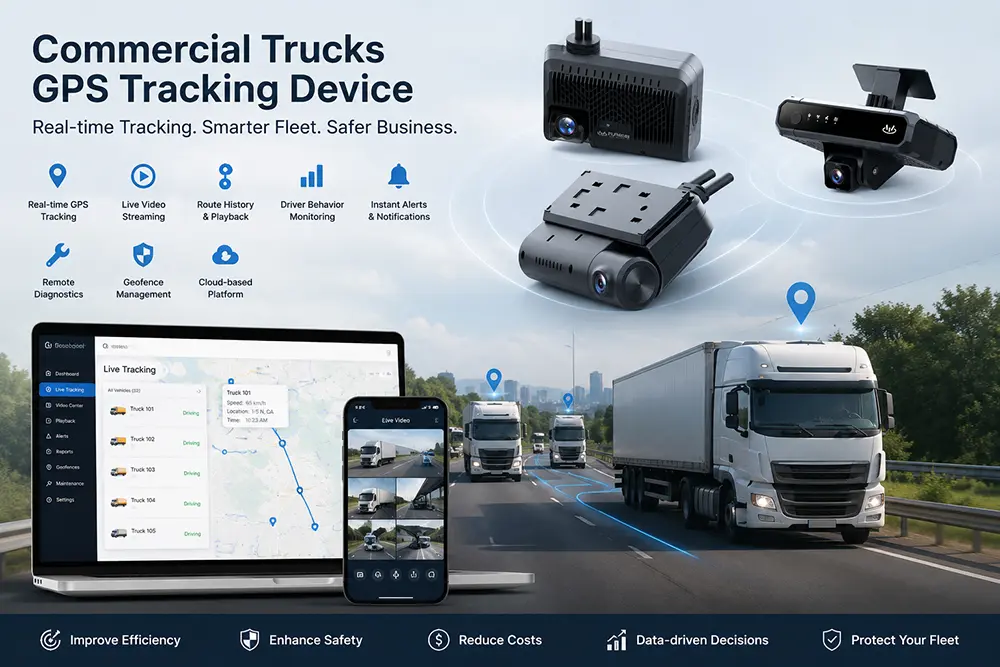
GPS Positioning and Route Playback The terminal has a built-in GPS positioning module that reports location, speed, and driving direction in real time. The platform automatically saves historical routes; the driving path, stop points, and stop durations for any given day can be retrieved and checked item by item against the delivery schedule. Alerts can be configured for route deviation, speeding, and entering or exiting designated areas (such as the central kitchen or schools), with proactive push notifications from the platform.
Anytime Mobile Viewing Delivery company managers, dispatchers, and school logistics teachers can view live video feeds and vehicle locations directly on their mobile phones, with support for screenshots, muting, and full-screen viewing. The command center can also speak directly to the vehicle via two-way intercom.
Offline Local Storage When a vehicle enters underground garages, tunnels, or signal dead zones in remote towns, video continues recording onto the local storage card and automatically uploads once the network is restored—ensuring you never miss recording a critical moment.
Installation Case Study
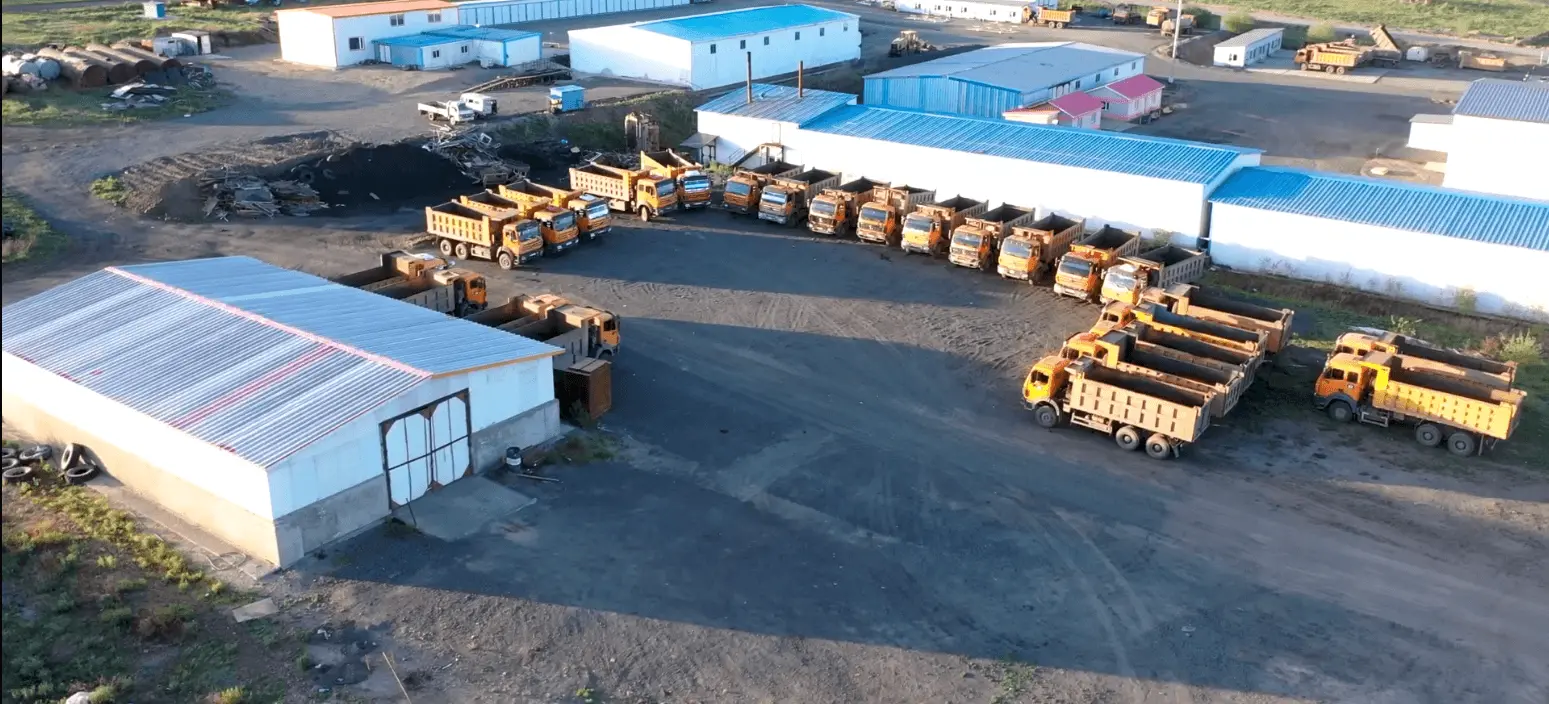
Take a nutritious meal delivery fleet near Chengdu as an example. The vehicles are 4.2-meter box trucks with a side panel height of 2,000 mm, responsible for daily school lunch deliveries. The fleet gathered on-site for batch installation, with the work scheduled so as not to affect the next day's normal deliveries.
On-Site Batch Installation
The terminal is fixed near the center console in the cab; a steady green indicator light shows that positioning and communication are operating normally. Once the vehicle starts (ACC on), the platform immediately displays the positioning status, number of BeiDou satellites, current speed, and location. Below the same interface, both the exterior feed and the interior cargo compartment feed are displayed simultaneously and can be switched freely.
Real-time mobile viewing of GPS positioning status and exterior video feed
Real-time mobile viewing of interior cargo compartment monitoring feed
According to feedback from the fleet manager, the most immediate change is "no longer having to make phone calls to chase down trucks." Which vehicle departed from the central kitchen at what time, which route it took, and what time it arrived at the school gate are all clear at a glance on the backend. When parents or schools inquire about meal conditions, pulling up the cargo compartment footage provides an immediate answer, significantly reducing disputes.
Value of the Catering Truck Monitoring and Management System
1.For Delivery Enterprises: Fleet dispatching becomes visual, reducing empty runs and duplicate dispatches. Driver behavior is recorded, significantly reducing speeding, route deviations, and unauthorized stops. When meal complaints arise, video and route records serve as direct evidence for exoneration or accountability. Furthermore, in bidding for student nutritious meal delivery projects, vehicle monitoring is already an explicitly required configuration in many tender documents.
2.For School Departments: The delivery process shifts from "result-based acceptance" to "process traceability." Arrival times and handover footage are traceable, completing the food safety chain of responsibility. When parents raise questions about meals, there is objective material available to respond.
3.For Market Supervision and Food Safety Regulation: The transportation link is brought under digital supervision, filling the middle gap in the "farm-to-table / kitchen-to-table" chain. Relevant data can be integrated with regulatory platforms to enable remote spot checks and post-event verification.
Equipment and Service Scope
Equipment models and packages are determined based on factors such as fleet size, whether integration with a regulatory platform is required, and whether local storage is needed. Pricing differs between single vehicles and entire fleets; it is recommended to survey the vehicles and routes first before finalizing a proposal.
Catering Truck Monitoring System Configuration
Email:hello@yuweitek.com