






4G Vehicle Remote Monitoring Camera Fleet Management
Fleet Management Vehicle Camera
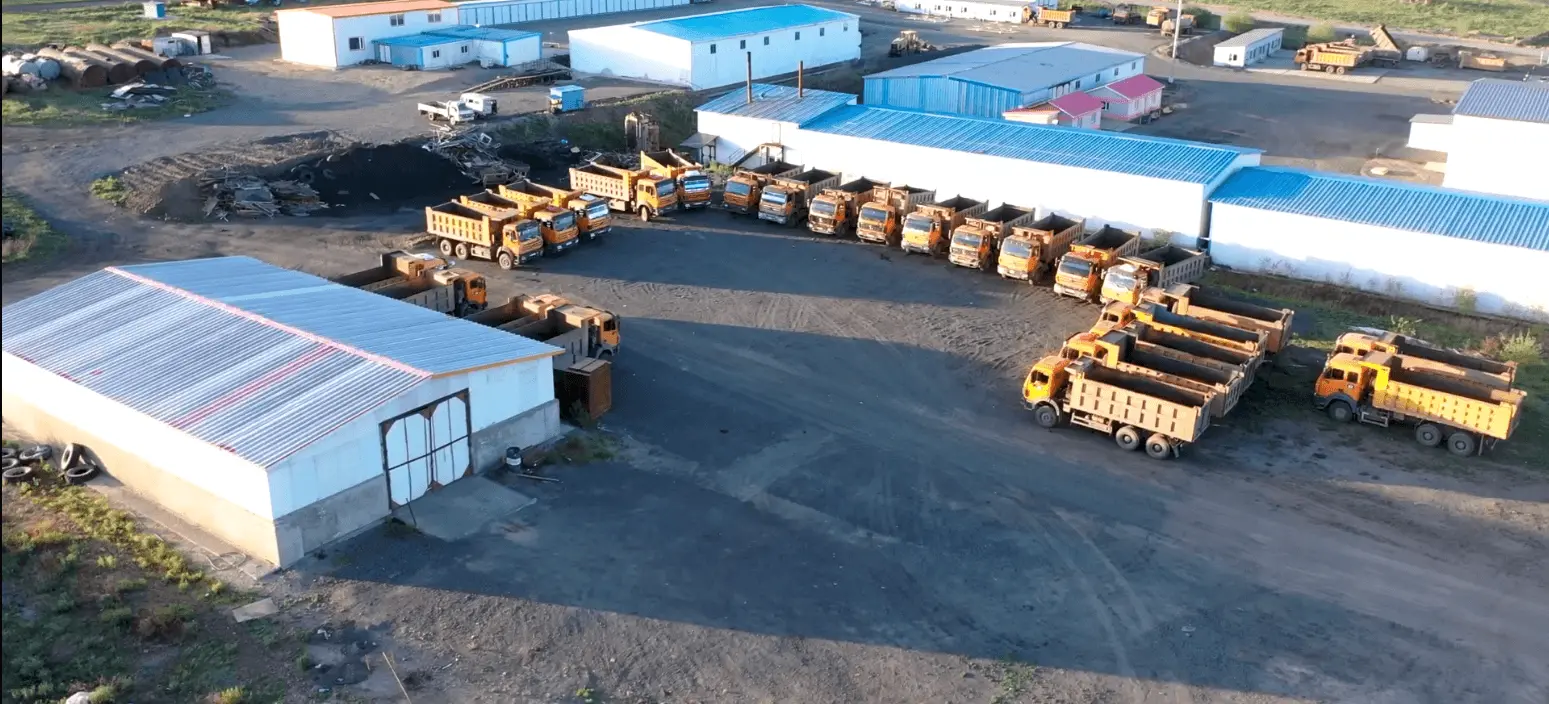
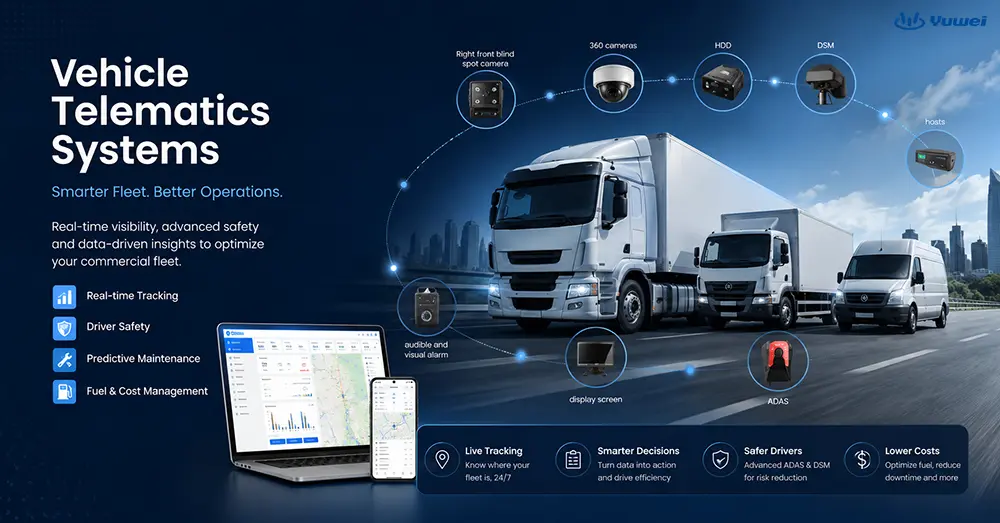
As operational scenarios in logistics transportation, construction machinery, and sanitation fleets become increasingly complex, traditional vehicle monitoring can no longer meet enterprises' demands for remote, online, and intelligent management.
1.Scattered vehicles, making it impossible to grasp on-site conditions in real time
2.Delayed response to abnormal events
3.Difficulty in providing early warnings for driving risks
4.High equipment operation, maintenance, and management costs
All these issues have been troubling vehicle operations managers.
However, with the continuous maturation of Internet of Vehicles (IoV) technology, vehicle monitoring is gradually upgrading into a vital gateway for digital fleet management.
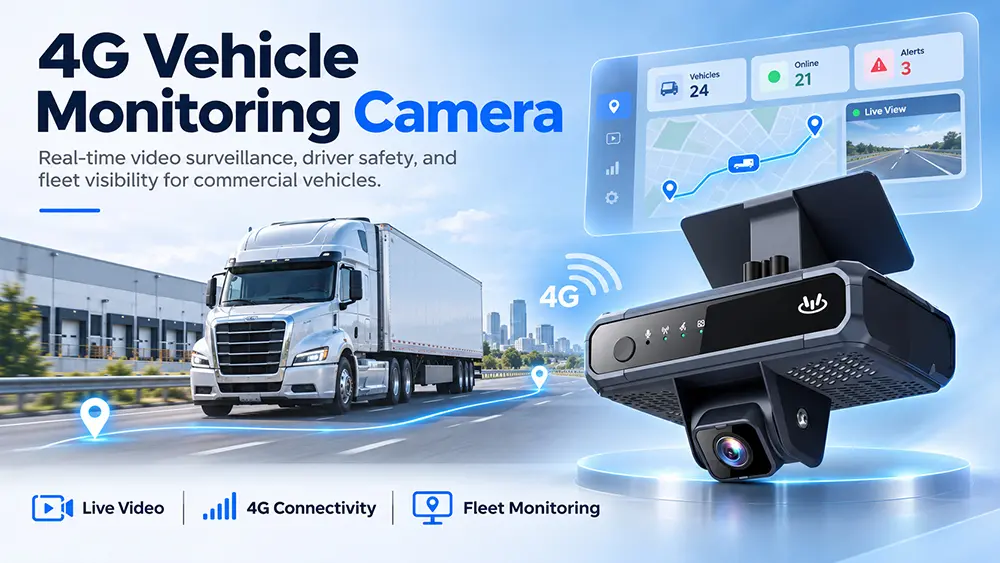
YUWEI AI 4G Vehicle Remote Monitoring Camera
Compact size, rich features: Integrating 4G, WiFi, and AI Blind Spot Detection (BSD) functions, it supports remote real-time video viewing and local video storage. Paired with the YUWEI AI Fleet Management Platform, it effortlessly achieves remote device management and remote vehicle monitoring.
4G + WiFi Remote Monitoring
The camera features a built-in SIM card slot and supports 4G networks. Through the network, it can connect to an online fleet management platform to achieve remote real-time monitoring and online device management, eliminating the hassle of network configuration for more convenient use.
At the same time, the built-in WiFi function supports quick mobile phone connection and configuration, making on-site debugging and subsequent maintenance convenient and efficient.
AI BSD (Blind Spot Detection)
Equipped with an AI deep learning-based BSD algorithm combined with night vision, the camera can accurately identify pedestrians and vehicles around the vehicle around the clock, and supports customizable detection zones.
Once a collision risk is detected, it immediately triggers an audio-visual alarm. Based on different risk zones, it outputs tiered red, yellow, and green visual alerts along with audio signals of varying frequencies, making dangers "visible and audible" and effectively reducing blind spot collision risks.
Local Video Storage
Unlike ordinary cameras, the YUWEI 4G Vehicle Remote Monitoring Camera comes with a video storage function, supporting up to a 256GB Micro SD card to locally save video recordings and log information.
It also supports ACC delayed power-off—continuing to supply power and record even after the vehicle's engine is turned off, ensuring the integrity of accident evidence.
Additionally, it supports alarm-triggered recording with 15-second pre-recording, and automatically uploads alarm videos and information to the platform so no critical moment is ever missed.
Paired with Fleet Management Platforms
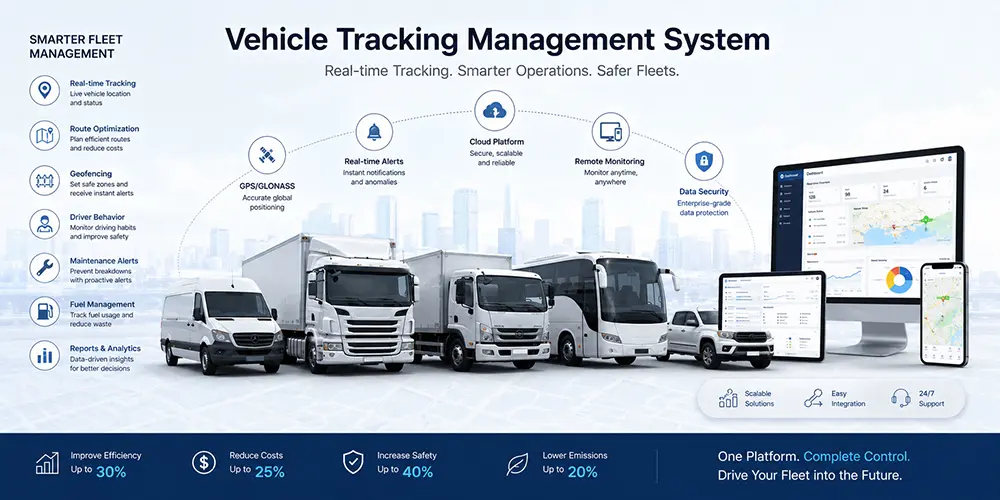
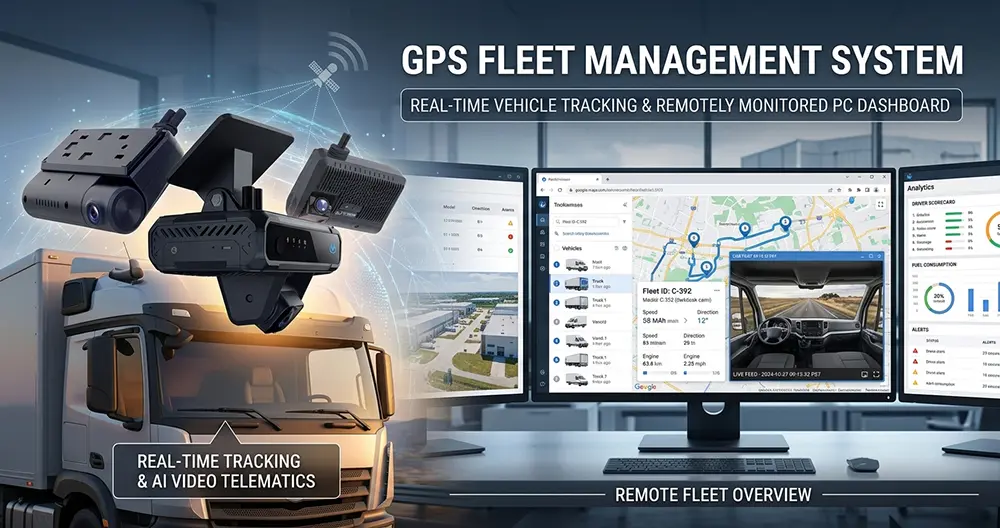
When used with YUWEI or other third-party online fleet management platforms, both PC and mobile terminals can remotely view live monitoring feeds in real time. It also supports automatic uploading of alarm videos and alarm information, as well as remote device management and upgrades.
Furthermore, the system supports standard protocols such as GB28181 and JT808. Through the YUWEI server interface, it can integrate with mainstream fleet management platforms like CMSV6 and Wialon, or customers' self-developed platforms, enabling rapid deployment and data interoperability to flexibly adapt to different customers' fleet management system needs.
Conclusion
As enterprises' vehicle fleets continue to expand, the value of vehicle monitoring is no longer limited to safety management; it is gradually extending to operational collaboration, remote dispatching, and digital management.
Through the combined capabilities of "front-end AI perception + remote video transmission + online platform management," the YUWEI 4G Vehicle Remote Monitoring Camera achieves real-time linkage of vehicle operating status, on-site footage, and alarm information.
Managers can remotely monitor vehicle operations without being on-site, improving response efficiency to abnormal events. At the same time, platform-based management capabilities help enterprises optimize vehicle dispatching, standardize driving behavior, and reduce operational risks.
Email:hello@yuweitek.com