












Best Fleet Dash Cam Solutions 2026
Best Fleet Dash Camera Solutions 2026
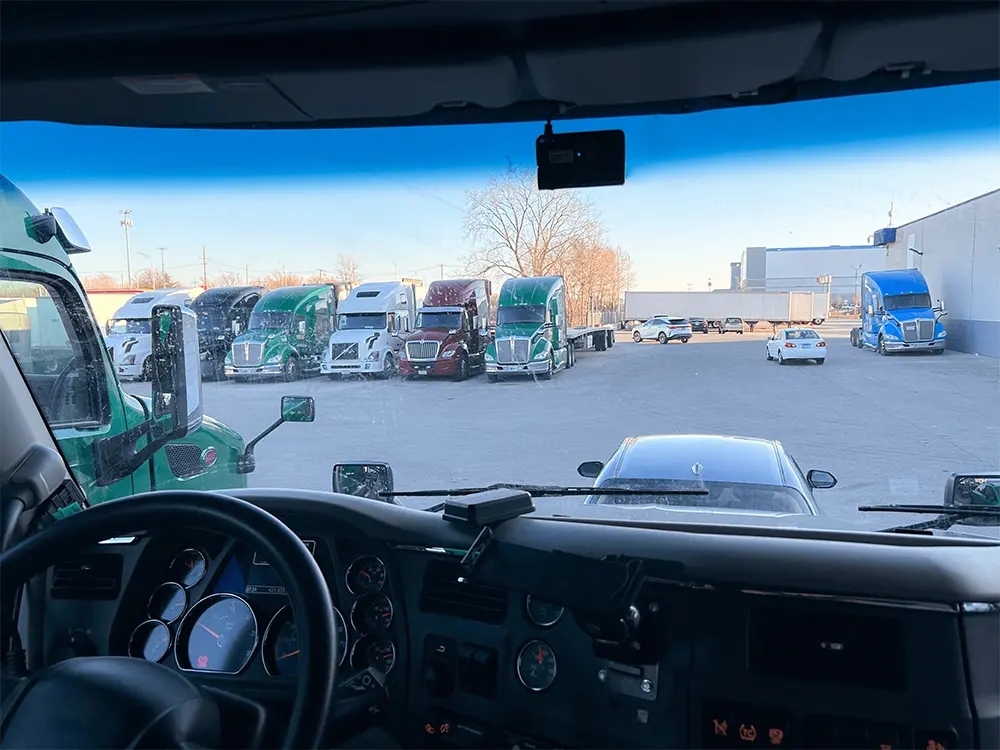
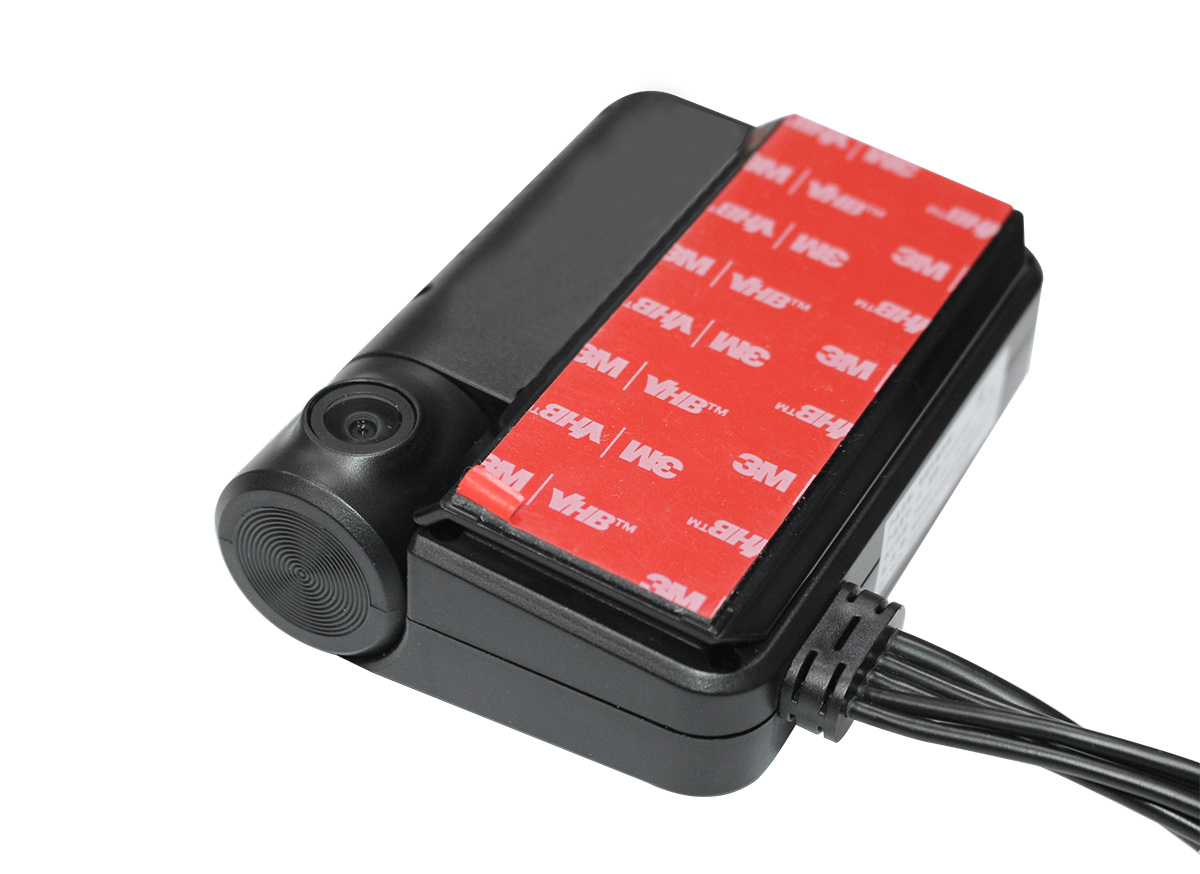
In complex road environments, fleet safety and operational efficiency are of paramount importance. The YUWEI V5C AI Dash Cam integrates GPS positioning, high-definition video monitoring, and intelligent active safety features. Leveraging deep learning algorithms, it combines ADAS and DMS systems to improve driving behavior, mitigate risks, boost efficiency, and provide comprehensive intelligent support for fleet management.
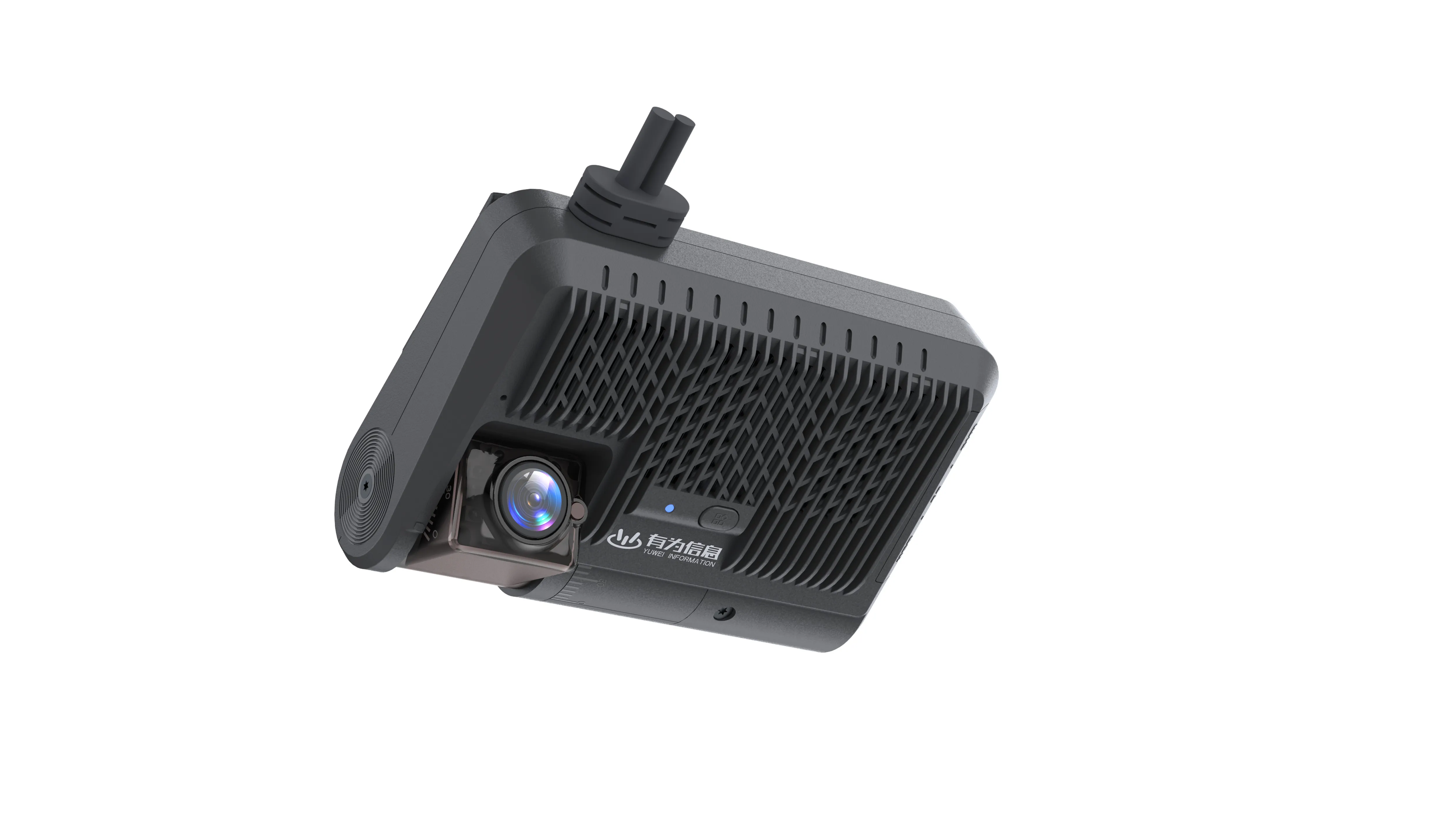
Key Features of V5C Fleet Dash Cam
1. Accurate Detection for Enhanced Safety
Powered by core ADAS and DMS algorithms, it enables high-precision event recognition and reliable data feedback.
① ADAS Driving Assistance: Provides early warnings for forward collision, pedestrian collision, lane departure, unsafe following distance, and vehicle start/stop, proactively avoiding risks in complex scenarios.
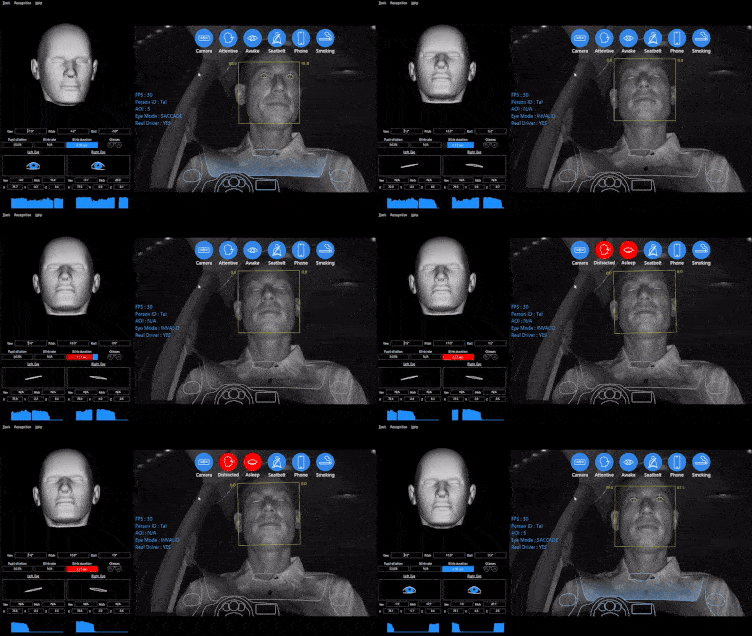
② DMS Driver Monitoring: Monitors driver status in real time, issuing instant alerts for violations such as fatigue, distraction, failure to wear seatbelts, smoking, and mobile phone usage.
2. Modular Design for Versatile Compatibility
Adopts an innovative modular communication architecture, allowing quick replacement of communication modules to comply with regional standards and ensure stable network connectivity across diverse operational environments.
3. Intelligent Capture for Precise Management
① Equipped with a G-force sensor to automatically record critical events (e.g., collisions, hard braking) and generate traceable data analysis reports.
② Supports GPS positioning, remote video viewing, and emergency alerts, enabling managers to monitor vehicle dynamics and driver behavior in real time.
4. Data Interoperability for Operational Optimization
① Supports API interface integration, realizing seamless data synchronization with existing fleet management systems and reducing upgrade costs.
② The built-in G-force sensor records throttle and braking data, facilitating targeted training for abnormal driving habits, standardizing operations, and reducing fuel consumption and vehicle wear.
5. Asset Monitoring for Anti-theft Protection
Enables real-time asset tracking, anti-theft alerts, and operational optimization through a central monitoring platform. It supports location monitoring, alarm triggering, report generation, and geofencing setup, enhancing equipment utilization and operational safety.
6. Intelligent Workflows for Compliance and Efficiency
Automates tasks such as insurance document processing and compliance checks, including electronic insurance management, route planning, regulatory adaptation, regional mapping, and driver communication, ensuring a compliant, efficient, and interconnected fleet operation.
7. AI Insights for Informed Decision-making
Utilizes AI analytics to transform raw data into actionable insights, delivering core functions such as safety overviews, daily updates, and vehicle performance analysis to support efficient fleet management.
YUWEI V5C Dash Cam Specifications
Category | Specific Specifications |
Model | V5-C |
Operating System | Embedded Linux |
Supported Languages | English/Chinese (customizable) |
Wireless Communication | Built-in 4G multi-mode module; supports 3G/4G multi-band adaptation for different regions |
WiFi Function | 802.11b/g/n, supporting AP/STA modes |
Positioning Function | Built-in BDS + GPS dual-mode positioning |
G-sensor | 3-axis accelerometer, supporting HA/HB/HC detection |
Audio & Video Configuration | 2 built-in channels; video compression: H.264/H.265 (main/sub-stream) |
Front Camera | Up to 1080P@25fps, 140° diagonal field of view |
In-car Camera | Up to 720P@25fps, 150° diagonal field of view |
Audio Input | 1 channel (built-in microphone) |
Audio Output | 1 channel (built-in 1.5W speaker) |
Storage Support | 1 TF card slot, maximum support 1TB |
Communication Protocol | JT808-2013 |
Alarm Functions | Basic: Configurable overspeed warning; AI-powered: ADAS/DMS, face recognition |
Interface Configuration | 1 Micro SIM slot, 1 TF card slot, 1 Type-C port, 1 wired emergency button |
IO Interface | 1 negative input (emergency button), 2 positive inputs (power positive, ACC), 2 AD inputs (left/right turn signals), 1 fuel cut-off output |
Operating Voltage | 9V~36V (compatible with 12V/24V vehicle batteries) |
Power-off Protection | Supports saving critical video clips during power outage |
Operating Temperature | -20℃~+70℃ |
Product Dimensions | 111mm × 81mm × 36mm |
Product Weight | 215g |
Compatible Vehicle Types
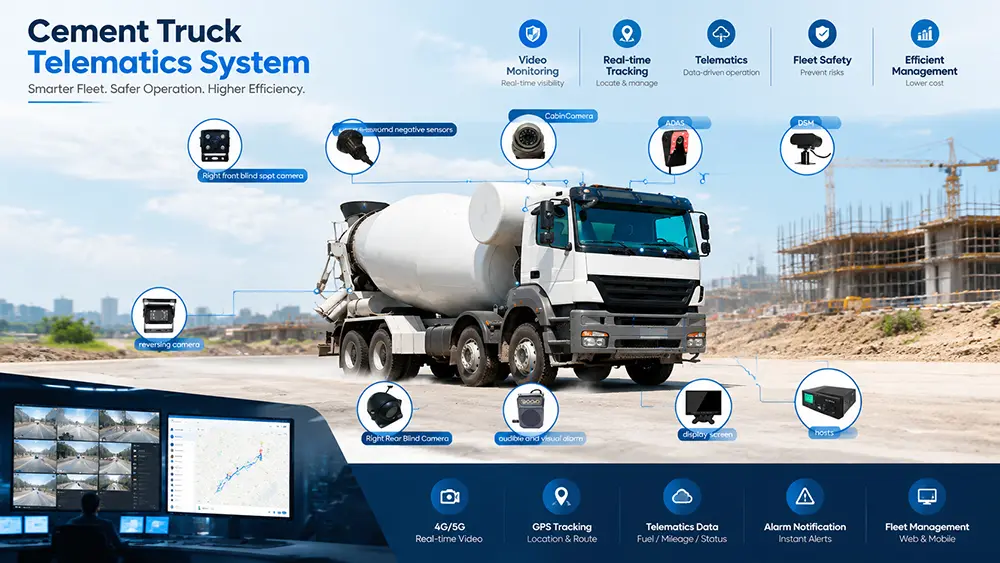
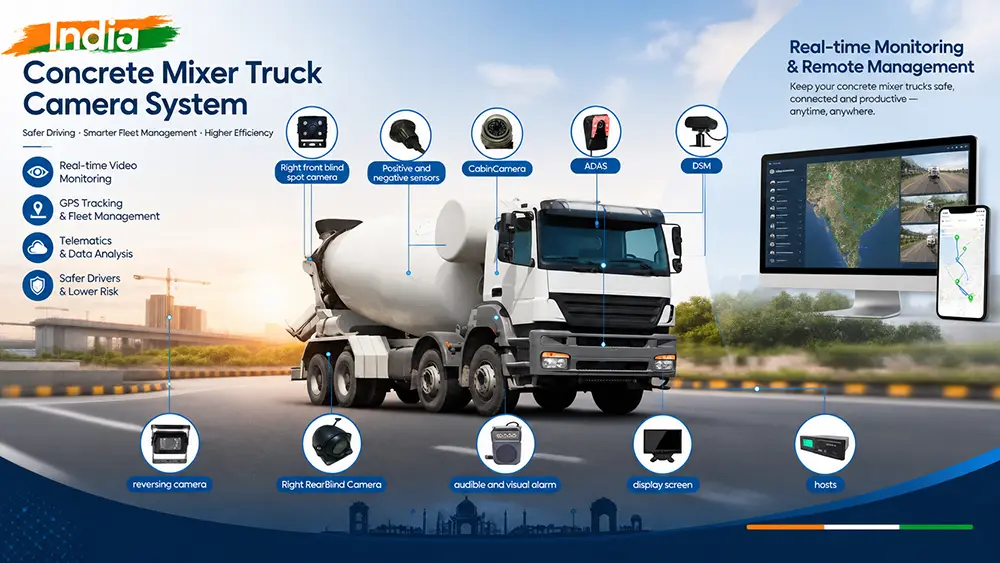
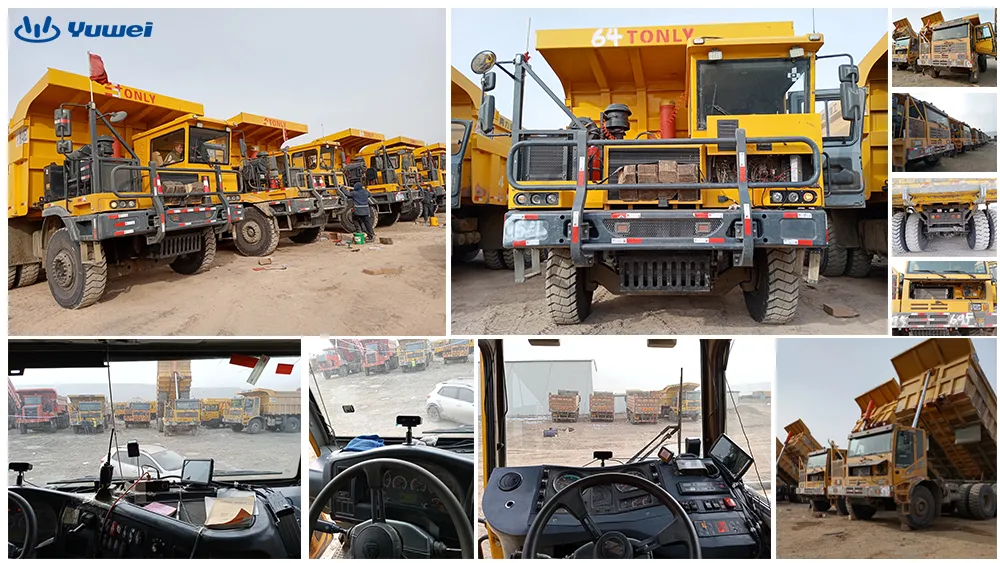
With its flexible and scalable design, the V5C dash cam is compatible with all types of commercial vehicles, including freight trucks, engineering vehicles, and special-purpose commercial vehicles, ensuring safety and efficiency across diverse fleet operations.