










Video Telematics Enhances Fleet Safety Management
Video Telematics Enhances Fleet Safety Management
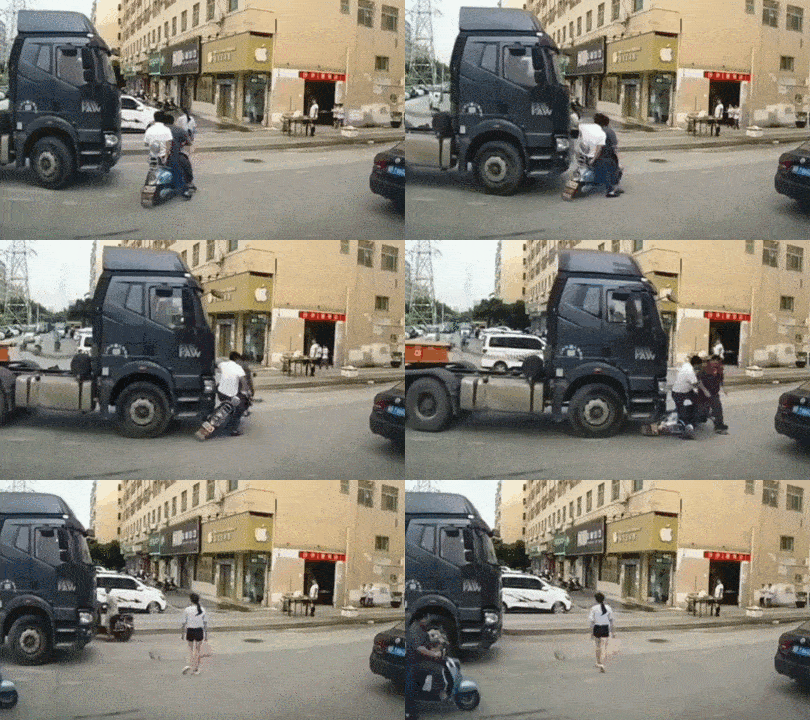
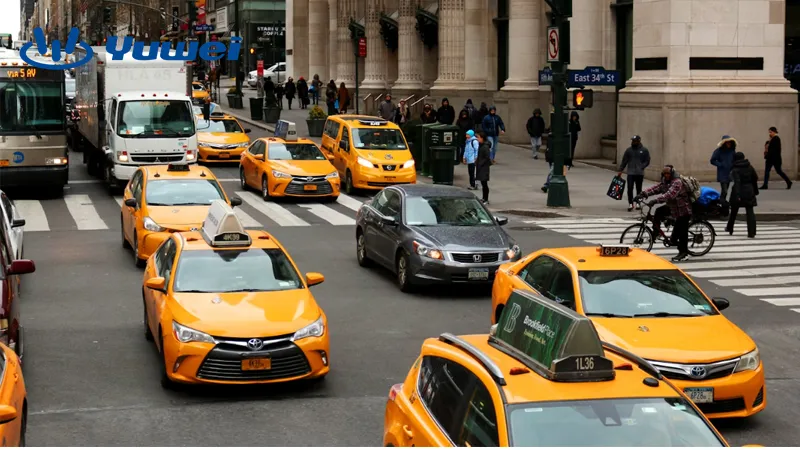
In 2020, there were 20,868 fatal accidents involving passenger cars, 20,566 involving light trucks, and 4,842 involving large trucks across the United States. The primary causes were speeding, distracted driving, and running red lights, which also increased operating costs. Building a fleet safety system requires equal emphasis on curbing dangerous driving and incentivizing standardized driving.
Definition and Core of the Fleet Safety System
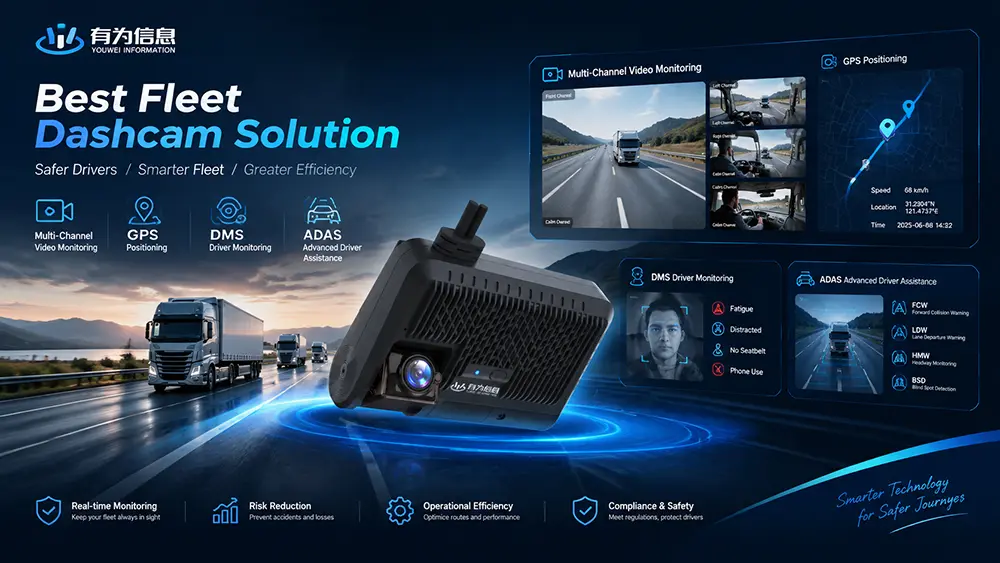
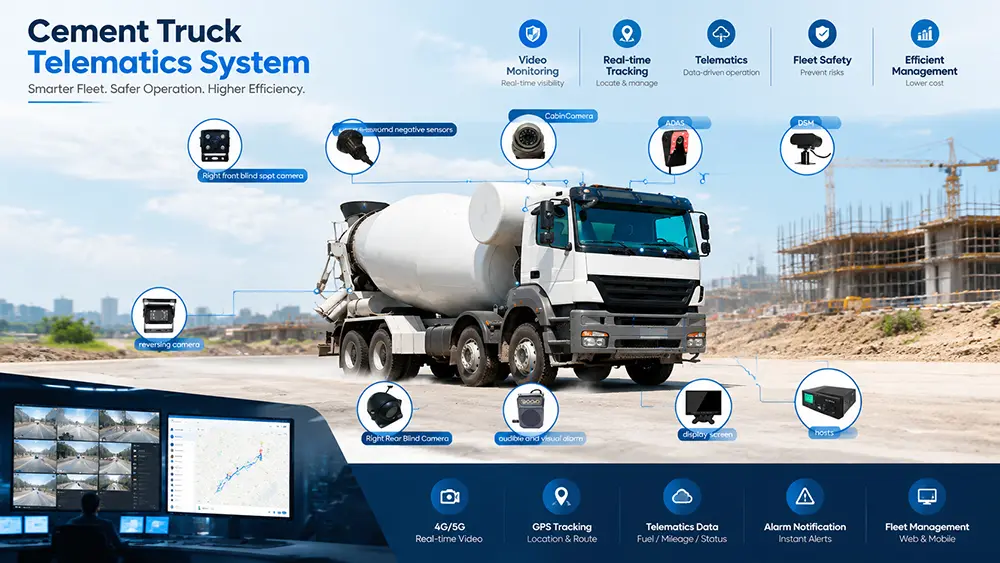
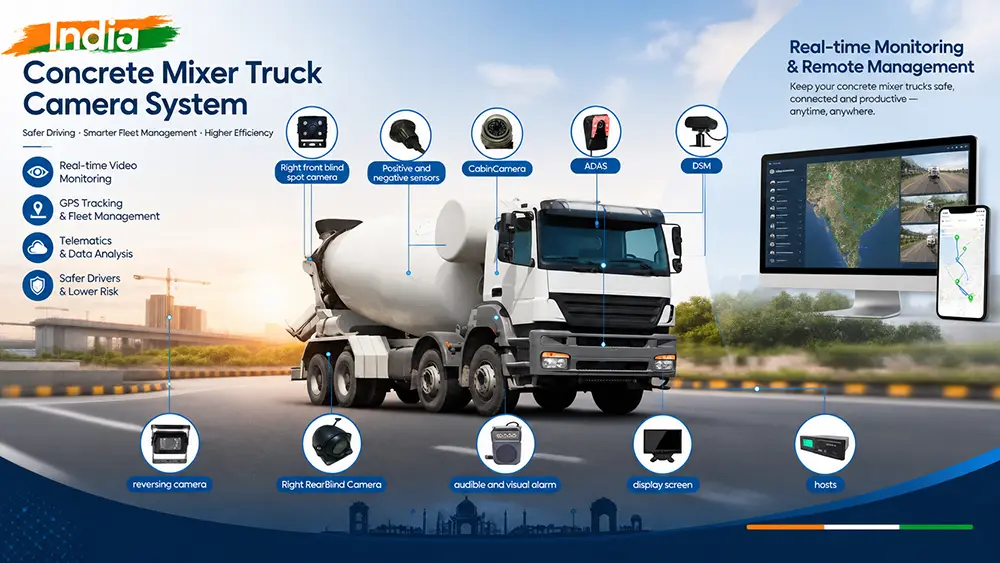
A fleet safety system is an enterprise-wide collaborative system that safeguards the safety of drivers and records, enterprise vehicle assets and reputation, cargo and passengers, as well as other road users and vehicles. The system is not merely a written policy; it requires quantitative monitoring of policy implementation and timely responses based on driving safety patterns. The YUWEI Video Telematics Solution can analyze driving behavior data to help improve fuel economy and vehicle health.
Core Features of the YUWEI Video Telematics Solution
To adopt this solution, hardware and software must meet the following requirements:
① HD wide-angle cameras, providing evidence for evasive actions;
② Fleet safety dashboard and scorecard, ranking drivers by safety level;
③ Dual-view recording (driver + road), reconstructing driving scenarios;
④ Real-time video streaming, supporting managers’ remote real-time guidance;
⑤ Multi-channel alerts to notify managers;
⑥ Driver-initiated recording button, facilitating post-trip reviews;
⑦ Customizable rules, adaptable to different vehicle types;
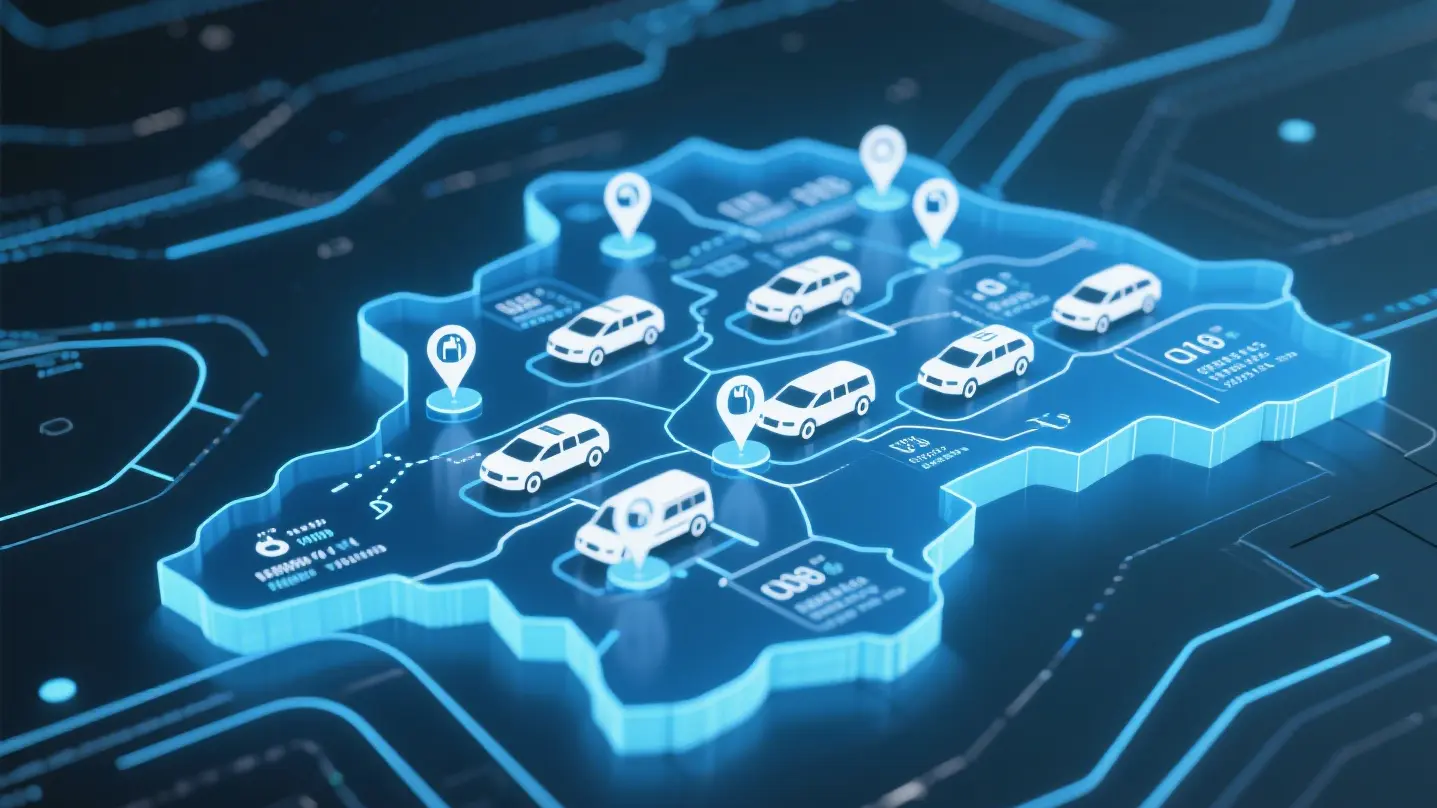
⑧ Trip map view, displaying event time and location.
A survey by the Transportation Research Institute shows that 87% of drivers approve of driver-facing cameras, provided they understand the devices are used for safety protection.
Strategies for Improving High-Risk Drivers
Historical driving habits can predict future driver behavior, and curbing dangerous habits is key to protecting fleet assets.
According to a report by the Transportation Research Institute:
(1) Drivers involved in prior accidents have a 113% higher risk of repeat incidents;
(2) Drivers with specific violations carry even higher risks:
① 141% higher for failing to yield right-of-way,
② 116% higher for failing to use turn signals,
③ 104% higher for reckless driving,
④ 85% higher for disregarding traffic signs.
These drivers require targeted monitoring.
YUWEI smart dash cams can help drivers clear themselves of wrongful liability, while controlling insurance premiums, improving fuel efficiency, and reducing maintenance costs.
Empowering Role of the YUWEI Video Telematics Platform
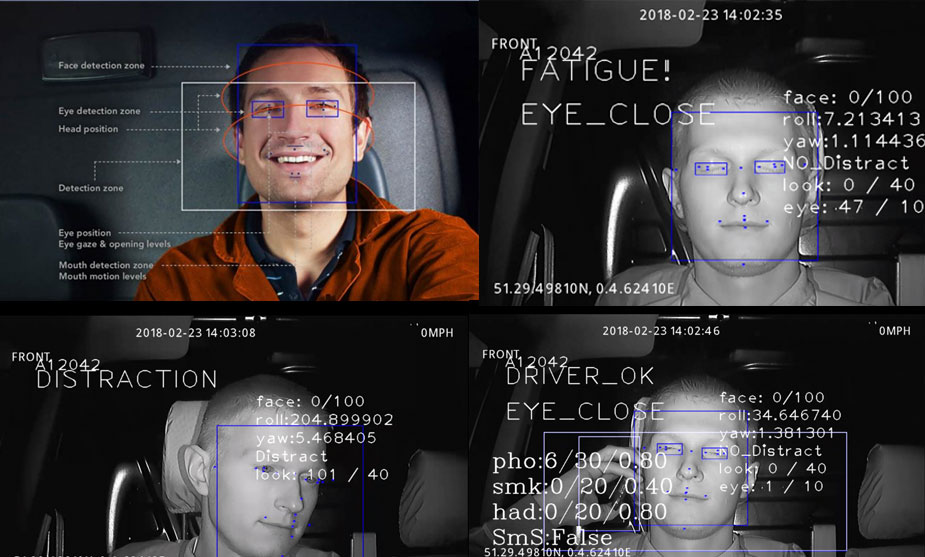
The platform can detect and alert to dangerous driving behaviors, with AI devices identifying violating drivers. Managers should communicate the safety value of smart devices to drivers and build trust through demonstrations.
Preferred solutions with fleet safety leaderboards should:
① Rank drivers within specified time periods,
② Count dangerous behavior frequency,
③ Mark dangerous events per 100 miles,
④ Allow drivers to view driving records via mobile devices.
It is recommended to establish a real-time digital leaderboard to recognize top performers and motivate other drivers.
Enhancing Fleet Safety with Collision Avoidance Technology
Advanced Driver Assistance Systems (ADAS) combined with computer vision technology improve drivers’ road perception and strengthen the effectiveness of the safety system. Real-time trip data enables monitoring of driving behavior and supports fleet optimization.
The YUWEI video telematics platform equipped with this system can accurately identify dangerous driving behaviors, issue voice reminders to drivers, and synchronize alerts to managers. Avoiding a single dangerous incident can reduce subsequent accidents and help companies avoid fines, deductibles, and premium increases.
YUWEI Video Telematics + Gamified Safety Management
Successful fleets use gamification to balance penalties and incentives, integrating points, rewards, and competitions into safety management to build a safety-oriented culture and encourage standardized driving habits.
Core Goals of Gamified Management
a. Reduce accidents
b. Lower fuel consumption
c. Cut insurance costs
d. Decrease vehicle wear and tear
e. Create a safer road environment
Implementation Methods
a. Deduct bonuses for dangerous driving; reward drivers with no dangerous incidents;
b. Use YUWEI smart dash cams to reconstruct driving scenarios, explain occasional violations by good drivers, and help high-risk drivers acknowledge issues;
c. Celebrate fleet accident-free days and recognize positive feedback to boost driver morale;
d. Video evidence protects safety rankings of good drivers who perform sudden evasive actions.
Fleet Safety Systems and Driver Retention
Data from the National Transportation Institute shows that companies integrating driving safety and health monitoring technologies achieve higher driver retention rates. Dual-view dash cams demonstrate corporate commitment to road safety and help drivers avoid fraudulent claims and unwarranted fines.
Currently, most drivers are unpaid during loading and unloading waiting time; relevant U.S. initiatives are addressing this issue. U.S. transportation authorities are studying the impact of waiting time on driver turnover and incidents of speeding to compensate for lost time.
Optimization Directions for Fleet Safety Systems
Challenges such as driver shortages, supply chain risks, and rising fuel prices are unpredictable. Companies relying on commercial vehicles must continuously optimize their fleet safety systems to meet customer demands, compliance requirements, and address resource shortages.