












Backup Camera for Commercial Trucks
Backup Camera for Commercial Trucks 2026
In the global logistics and transportation industry, commercial trucks and semi-trailer tractors have a high risk of accidents when reversing, changing lanes, and turning due to their massive size and large blind spots at the front, rear, and sides. In 2026, professional backup camera systems have become standard safety equipment for heavy-duty commercial vehicles. They not only meet regulatory requirements but also reduce accident losses, avoid claim risks, and enhance fleet operation tracking and management.
Why Must Commercial Trucks Be Equipped with Backup Cameras?
Commercial trucks (especially Class 8 heavy-duty tractors) have long bodies and large blind spots. Traditional rearview mirrors can only cover about 20% of the rear field of vision. The 30-foot "no-visibility blind spot" at the rear of the vehicle is a high-incidence area for accidents.
Mandatory Regulatory Requirements: The U.S. Department of Transportation (DoT) mandates that newly manufactured commercial trucks must be equipped with backup cameras as a standard feature. Although not mandatory for older, in-use vehicles, retrofitting has become an industry trend.
Severe Accidents and Economic Losses:
Approximately 30% of truck accidents occur in low-speed reversing or parking scenarios.
The average direct loss of a single reversing accident reaches $18,000.
Installing a professional system can reduce rear blind spot accidents by over 80% and decrease insurance claim rates by about 25%.
High-definition video can provide irrefutable accident evidence to quickly reject fraudulent claims and reduce corporate financial risks.
Mainstream Commercial Truck Camera Types in 2026
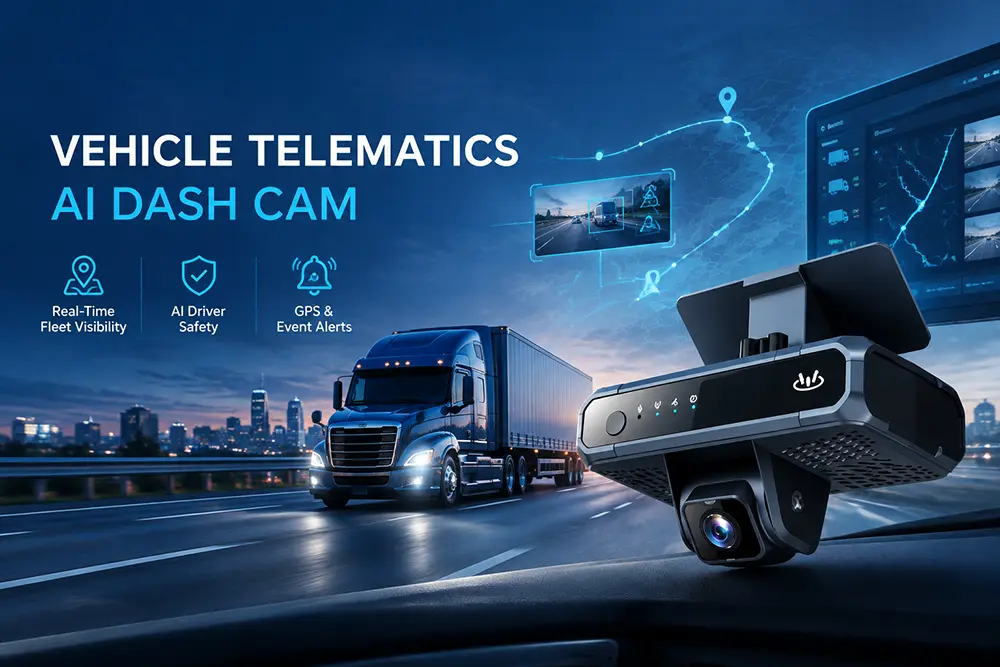
Current commercial truck cameras have evolved from a single reversing image to a multi-angle, panoramic, and intelligent visual safety system, covering full-dimensional blind spots at the front, rear, left, and right.
1. Categorized by Installation Position
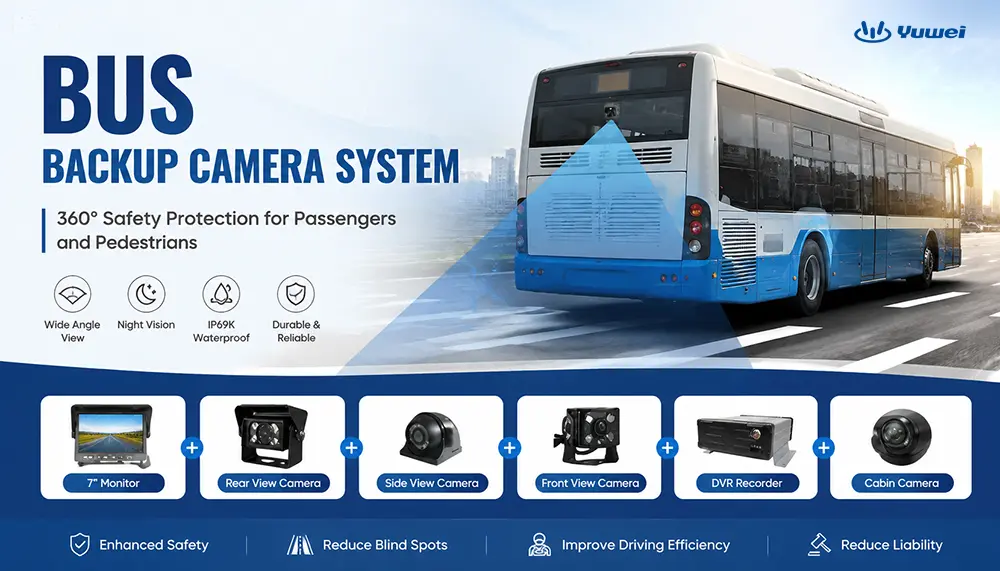
Rear-view Camera (Core Standard): When shifting into reverse gear, the cabin display screen automatically switches to the rear view. It supports continuous display or manual switching, adapts to various towing combinations, clearly presents the dangerous area behind the trailer, and eliminates the blind spot of ultra-long vehicle rears.
Side-view Camera: Replaces traditional rearview mirrors to eliminate side blind spots when changing lanes or turning. It makes adjacent lanes, roadside obstacles, and pedestrians clearly visible, significantly improving the safety of merging.
Front-view Camera: Compensates for the front blind spot caused by the windshield and dashboard. It monitors the road conditions below and in front of the vehicle in real-time, clearly identifies non-motorized vehicles and pedestrians, and handles complex intersections and construction site scenarios.
360° Panoramic Surround View System: Multiple wide-angle cameras are stitched together in real-time to generate a 3D panoramic bird's-eye view. It covers the surroundings of the vehicle without dead angles during low-speed driving, thoroughly resolving hidden blind spots and enabling precise control.
2. Categorized by Transmission Method
3. Advanced Intelligent Functions
Integrated Radar and Camera: The camera integrates a radar sensor, using sound, light, and screen overlays to warn of obstacles and identify pedestrians and non-motorized vehicles in blind spots.
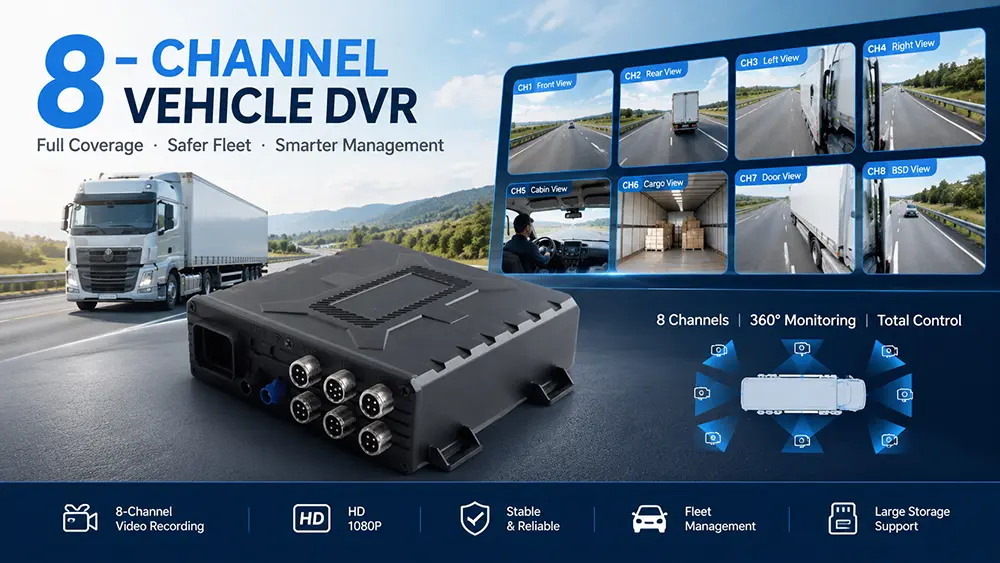
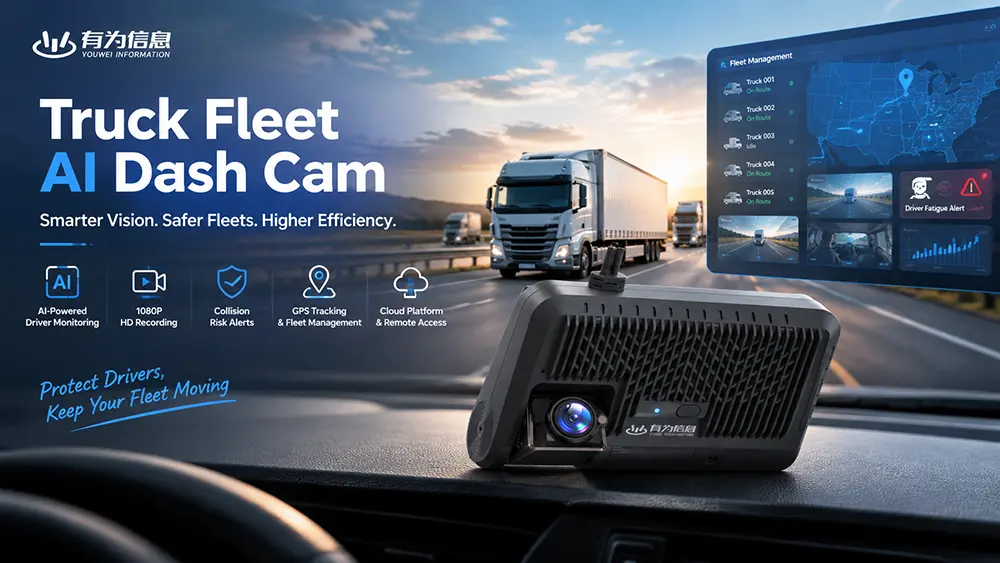
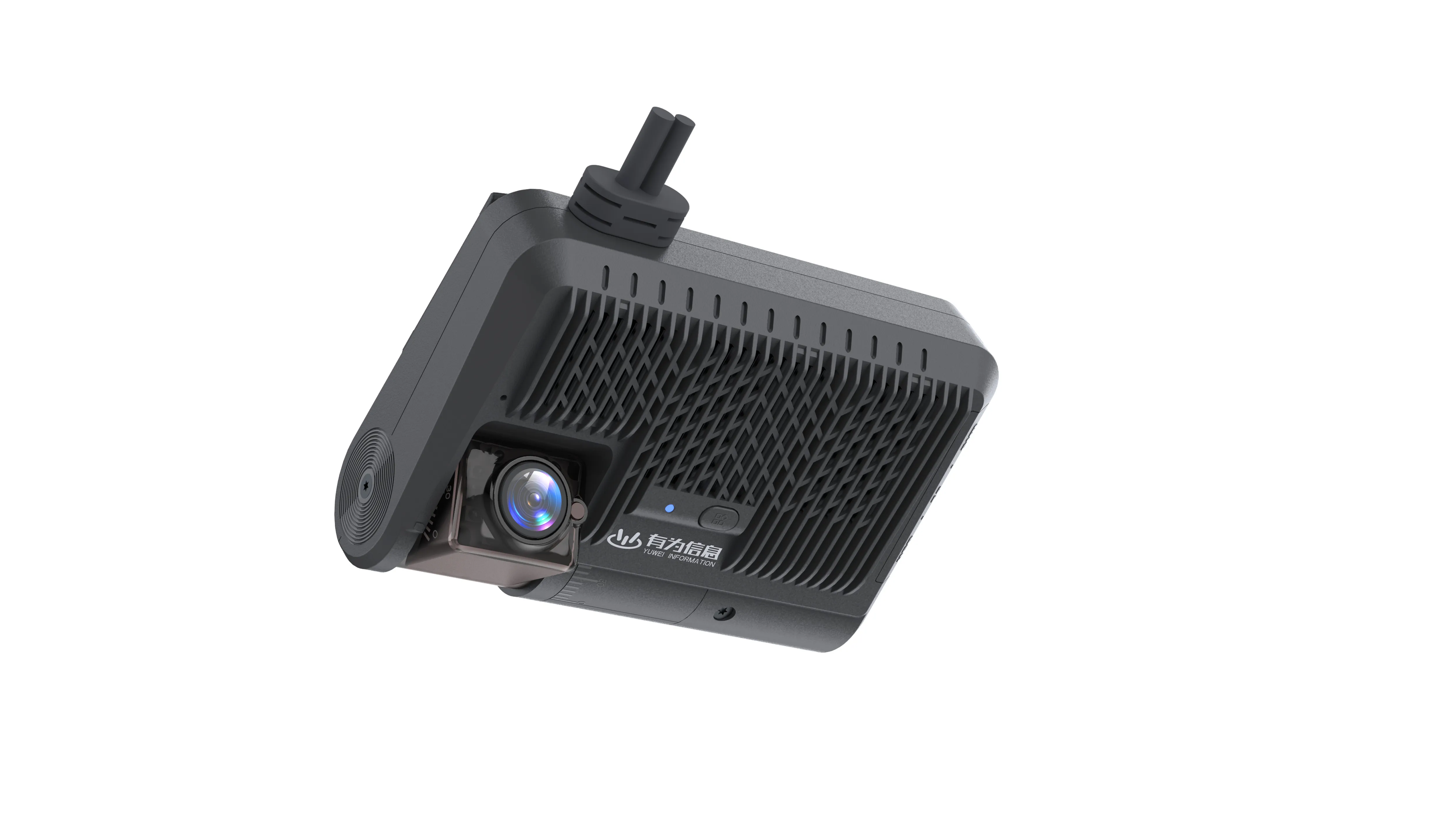
SD Card / Hard Drive Mobile DVR: Supports input from 4 or more cameras, 4G networking, wireless downloading, real-time viewing, and fleet tracking. Video can be saved as evidence for traceability.
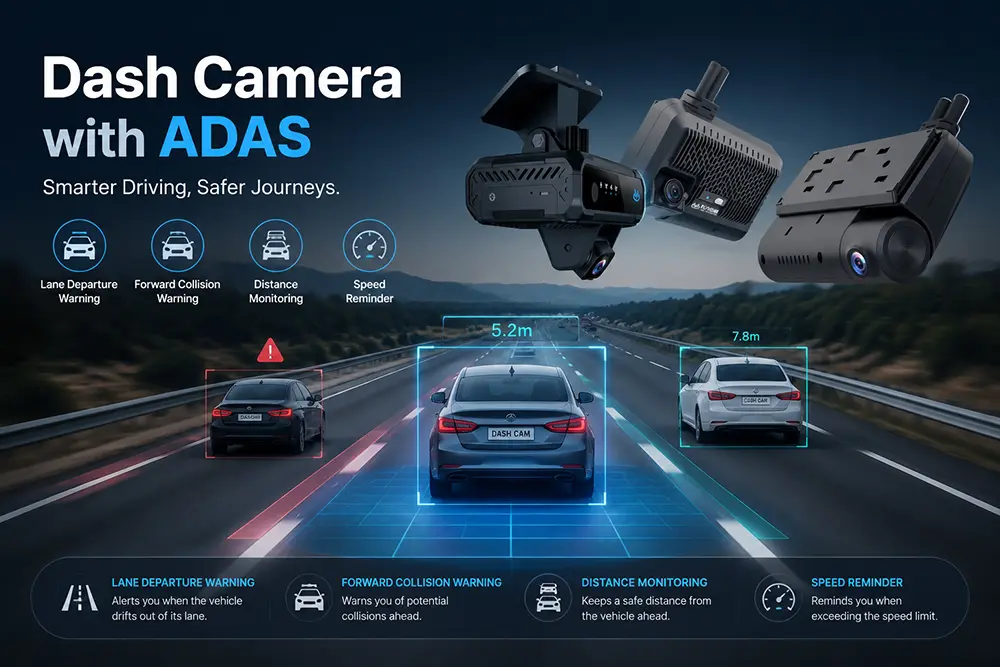
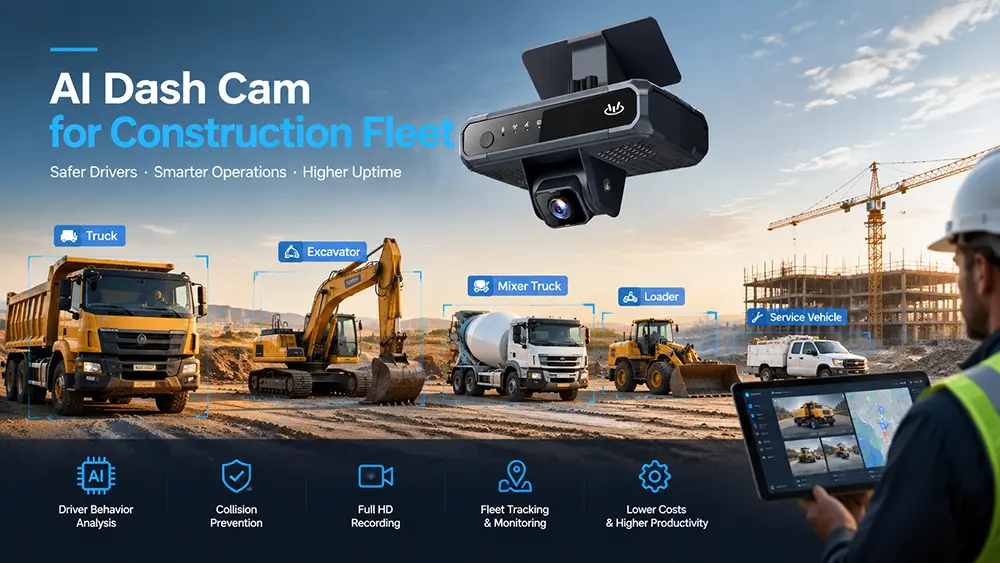
AI + ADAS Integration: Detects vehicles and pedestrians in real-time, providing collision warnings and lane departure alerts, adaptable for all-weather complex environment monitoring.
Core Advantages of Backup Cameras:
1. Safety Level
Eliminates multi-dimensional blind spots, detecting pedestrians, obstacles, and non-motorized vehicles in advance, saving lives and reducing casualties.
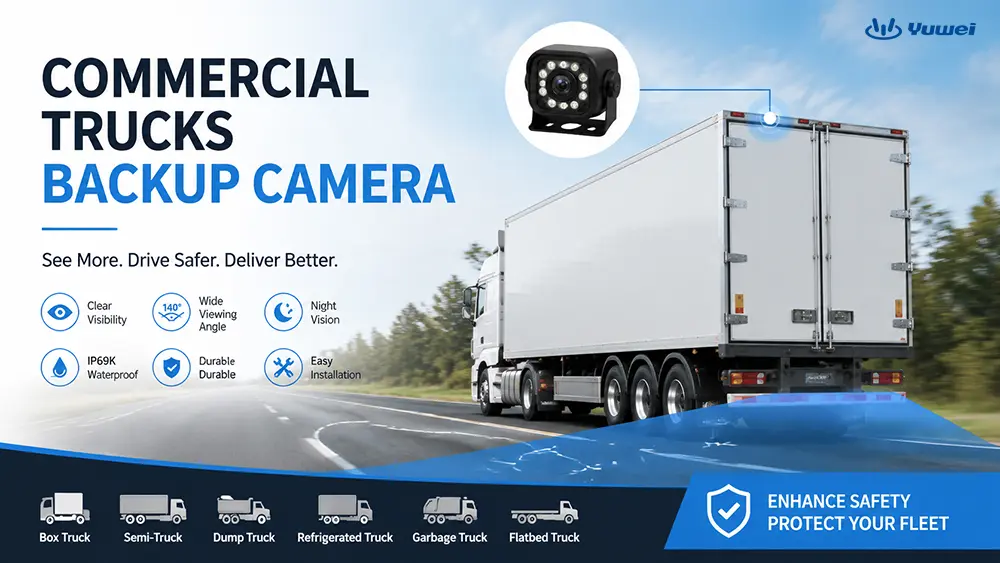
High-definition night vision and wide dynamic range (WDR) technology ensure clear visibility in night, rain, fog, and backlight environments.
Industrial-grade waterproof (IP65/IP69K) and shockproof design, adapting to construction sites, harsh road conditions, and extreme weather.
2. Economic and Management Level
Reduce Claim Costs: Video evidence can shorten claim processing time by up to 80%, clarify responsibilities, and reduce disputed payouts.
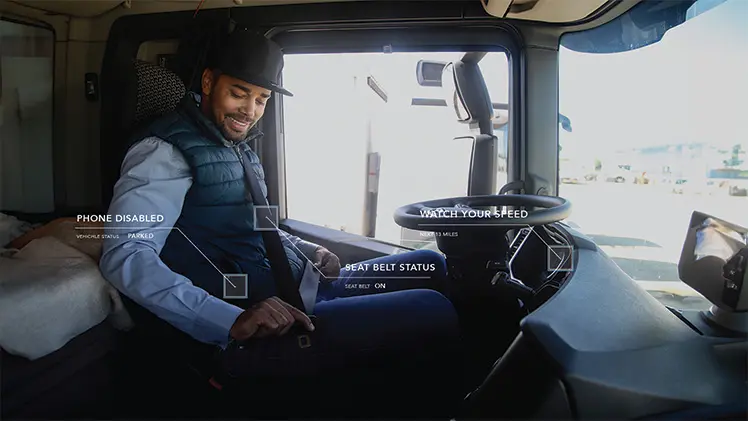
Enhance Driver Compliance: Monitors driving behavior, standardizes operations, reduces dangerous driving, and elevates the overall safety level of the fleet.
Improve Operational Efficiency: Reduces collision downtime, optimizes reversing and docking processes, and guarantees transportation on-time rates.
Protect Vehicle Assets: Lowers maintenance costs from scratches and collisions, extending the service life of the vehicle.
Key Points for Installation and Selection in 2026
1. Installation Cost Reference (2026 Average Market Price)
Basic AHD 1080P Backup Camera Kit: Hardware $150–$450.
Independent Cabin Display (7–9 inches): $150–$350.
Enterprise-grade AI Multi-channel DVR Solution (4–8 channels): Hardware $650–$2500+.
Annual Cloud Service and Maintenance: $100–$300 (on-demand).
2. Installation Position Recommendations
Preferred Rear Location: Above the license plate frame (centered, wide field of view, less prone to damage).
Alternatives: Next to the tailgate handle, on the rear bumper, or above the rear windshield (suitable for high-box models).
3. Core Selection Standards
Prioritize Industrial-grade Hardware: Waterproof and dustproof, strong shock resistance, wide operating temperature range, suitable for the harsh environments of commercial vehicles.
Image Quality: 1080P Full HD, supporting infrared/starlight night vision to meet all-weather usage.
Adaptability: Supports 12V–48V wide voltage, compatible with various commercial vehicle electrical circuits.
Expandability: Supports multi-camera input, DVR recording, 4G/cloud management, and integration with fleet systems.
In 2026, commercial truck backup camera systems have transitioned from an optional accessory to an absolute necessity. It is not only a regulatory compliance requirement but also core equipment for fleets to control risks, reduce costs, and increase efficiency. From a single rear-view camera to integrated solutions with 360° panoramic views, AI early warnings, and cloud management, continuous technological iterations are making driving heavy-duty commercial vehicles safer and operations more efficient.
Email:hello@yuweitek.com