












Best AI mobile DVR camera systems
What is an AI Mobile DVR Camera System?
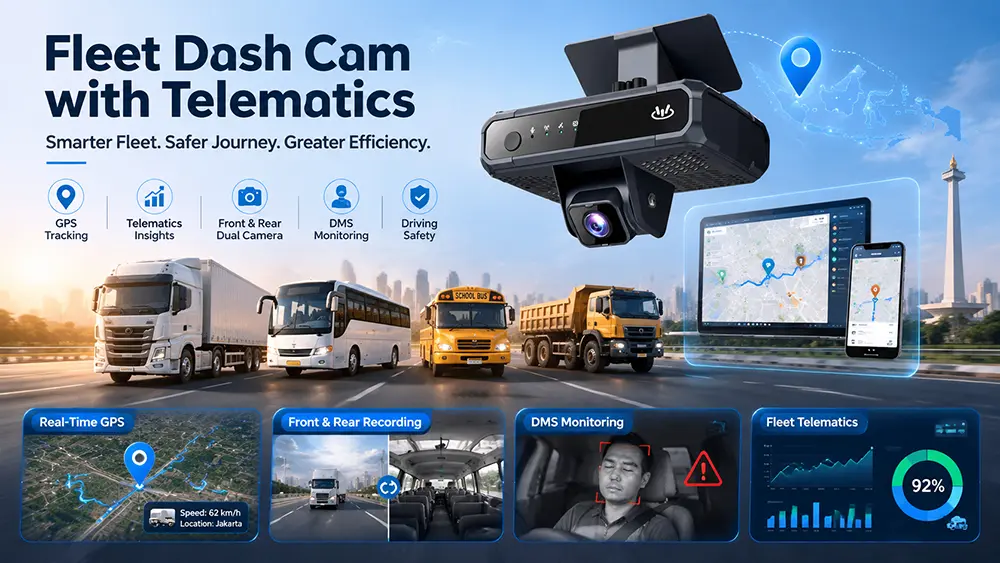
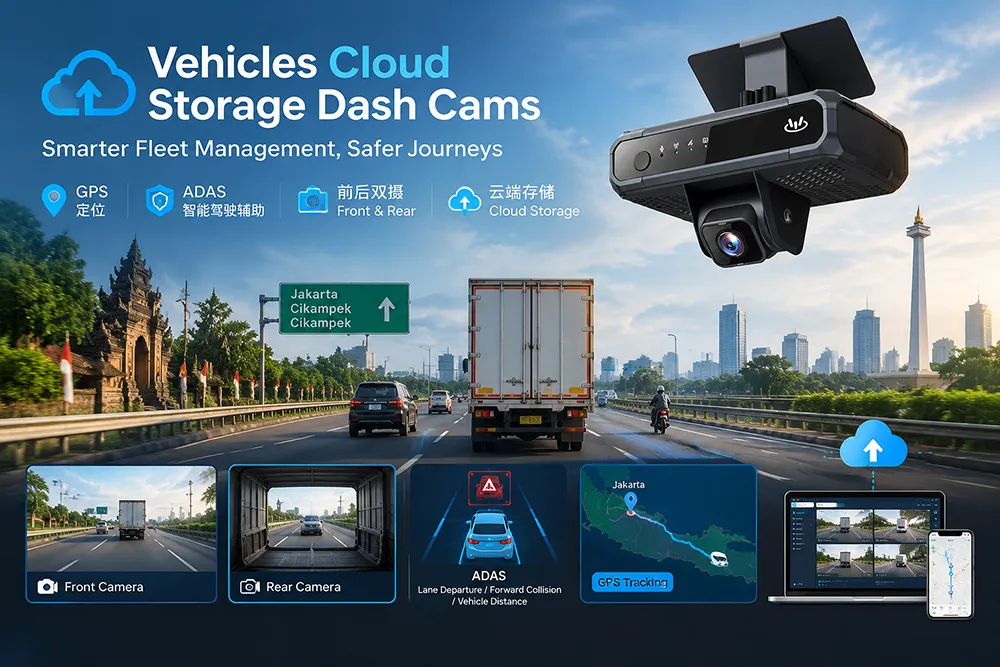
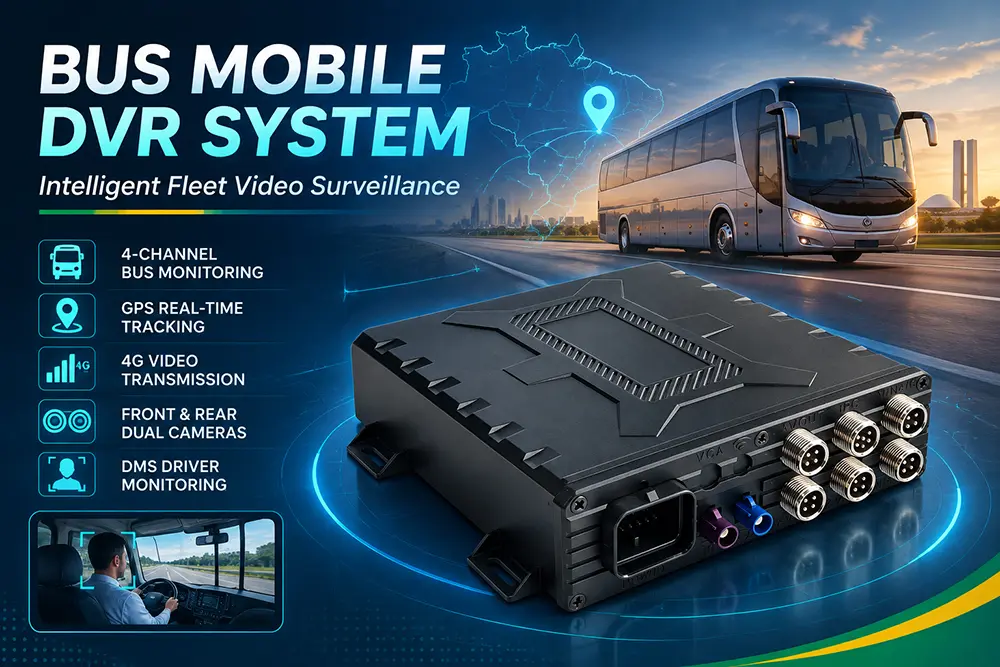
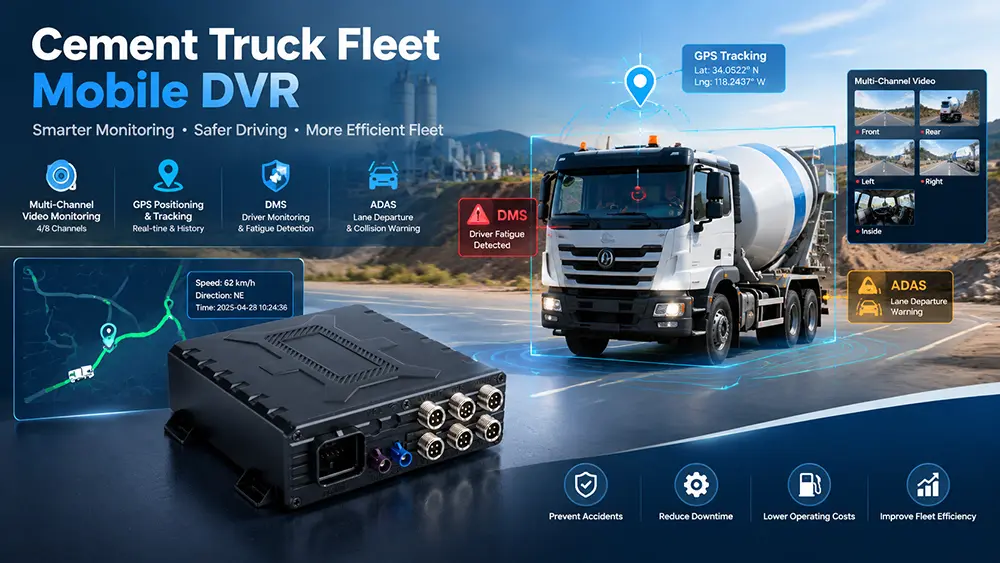
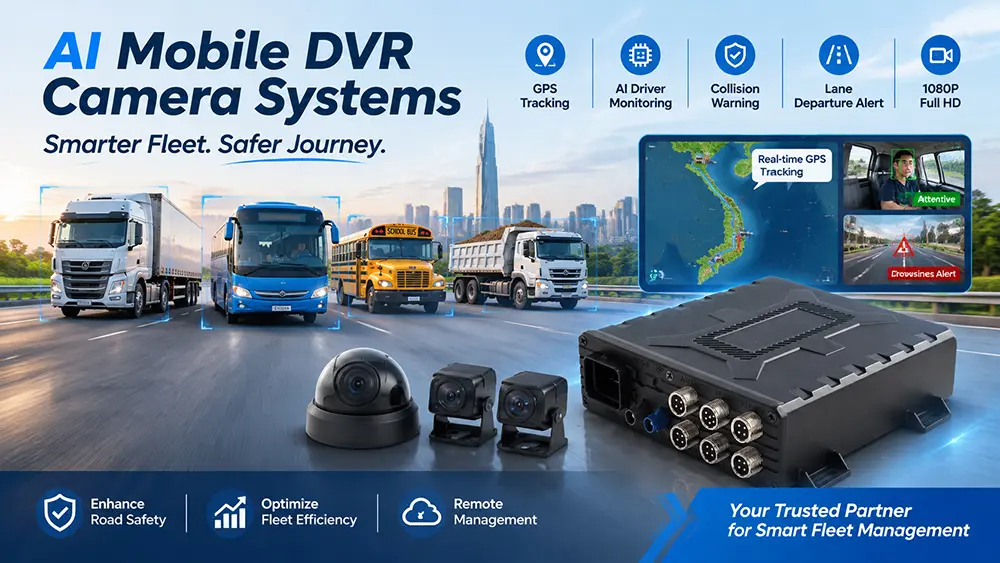
An AI Mobile DVR camera system (AI Mobile DVR) is a smart video surveillance device designed specifically for commercial vehicles. It combines multi-channel cameras, AI recognition, GPS positioning, 4G communication, and video storage functions. It can not only record the situation inside and outside the vehicle but also identify driving risks.
The AI Mobile DVR system includes:
1.MDVR Host: Responsible for video collection, processing, and storage.
2.Vehicle Cameras: Monitor the front, rear, sides, and cabin of the vehicle.
3.AI Recognition Module: Identifies risks such as fatigue driving, distracted driving, and blind spots.
4.Communication and Positioning Module: Supports 4G, GPS, and Beidou positioning.
5.Management Platform: Provides real-time video, video playback, and vehicle management functions.
Differences Between AI Mobile DVR and Dash Cams
For large transportation enterprises, an AI mobile DVR is not just a recording device. It also helps managers understand driving behavior, vehicle status, and operational risks.
Vietnam Commercial Vehicle Fleet DVR Regulations
According to 2025 data from the General Statistics Office of Vietnam, the national freight volume is approximately 3.0277 billion tons, a year-on-year increase of 14.1%; the freight turnover is approximately 612.3 billion ton-kilometers, a year-on-year increase of 13.1%. The expansion of transportation scale has also brought more demands for vehicle safety and management.
Law on Road Traffic Order and Safety No. 36/2024/QH15 This law will be implemented on January 1, 2025, and sets requirements for monitoring equipment on commercial vehicles. Among them, Article 35 stipulates that commercial transport vehicles need to install journey monitoring devices. Some vehicles are also required to install driver image recording devices.
Relevant vehicles include:
1.Automobiles engaged in transport business.
2.Commercial passenger vehicles with 8 seats or more (excluding the driver's seat).
3.Tractor units.
4.Ambulances and other specified vehicles.
QCVN 06:2024/BCA National Technical Regulation QCVN 06:2024/BCA is a national technical regulation issued by the Ministry of Public Security of Vietnam. It mainly stipulates the technical requirements for vehicle journey monitoring devices and driver image recording devices, effective from January 1, 2025.
Mainly involves:
1.Device hardware requirements.
2.Device software and management platform requirements.
3.Video and journey data collection.
4.Data security and transmission.
5.Power supply and device installation requirements.
Therefore, when enterprises purchase MDVRs, they cannot only focus on video channels and camera clarity; they should also check whether the device has technical documents and certifications that meet Vietnamese standards.
Government Decree No. 319/2026/NĐ-CP This is a key regulation to focus on in the Vietnamese MDVR market in 2027. The Vietnamese government issued Decree No. 319/2026/NĐ-CP on August 13, 2026, stipulating the installation and data management requirements for vehicle journey monitoring devices, driver image recording devices, and passenger cabin image recording devices.
This decree will take effect on July 1, 2027.Main applicable vehicles include:
1.Commercial transport automobiles.
2.Tractor units.
3.Ambulances.
4.Road rescue vehicles.
5.Internal transport vehicles.
The regulation allows journey monitoring, driver image, and passenger cabin image recording functions to be integrated into one or more devices. However, all technical requirements must be met.
Main Device Functions and Data Requirements:
Recommended 2 AI Mobile DVRs: F4 and F6
YUWEI has launched two smart mobile DVRs, F4 and F6, for different commercial vehicle application scenarios.
F4 MDVR: Suitable for Conventional Logistics and Commercial Fleets The F4 is an industrial-grade AI mobile DVR. It integrates 4G, Wi-Fi, GPS/Beidou positioning, and multi-channel video monitoring functions.
Main Features:
1.Multi-channel Video Monitoring: Supports 6-channel AHD/CVBS video input, including 2-channel 1080P HD input, and provides an IPC interface.
2.ADAS: Supports driving safety warnings such as forward collision and lane departure.
3.DSM: Monitors driver fatigue and distraction.
4.BSD: Supports vehicle blind spot monitoring.
5.GPS/Beidou: Records vehicle location and driving trajectory.
6.4G/Wi-Fi: Supports wireless communication and remote management.
7.Dual Storage Types: Supports 2.5-inch HDD/SSD and SD cards.
8.Power-off Protection: Saves important recordings during power outages through the UPR function.
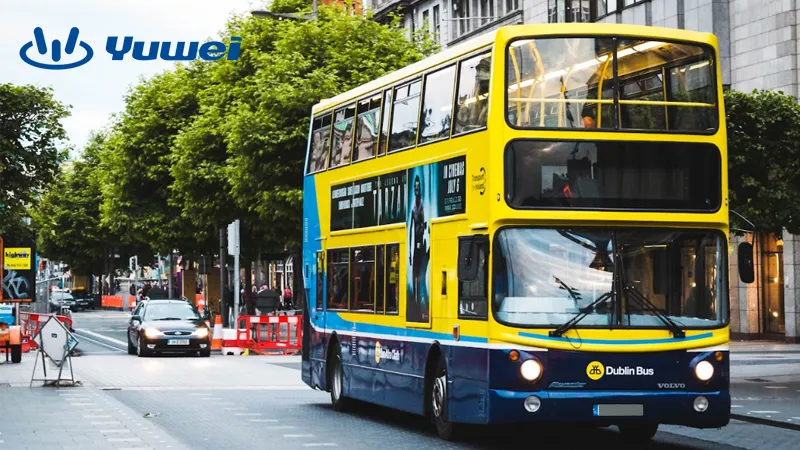
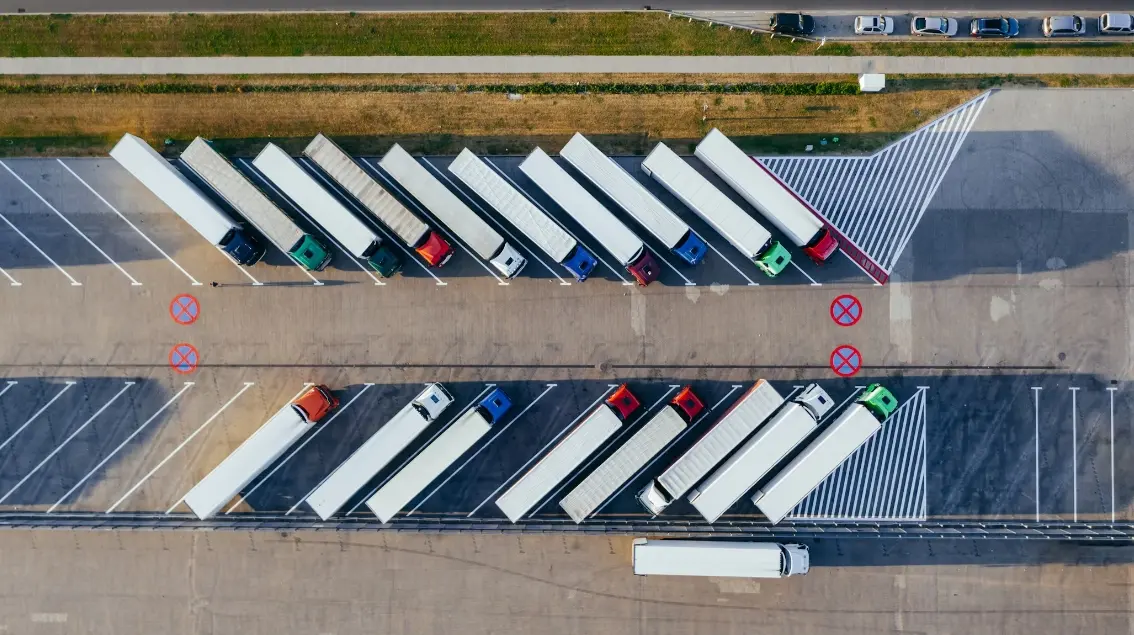
The F4 is suitable for ordinary logistics trucks, passenger buses, cold chain transport vehicles, urban delivery vehicles, and sanitation vehicles. For enterprises that need to centrally manage multiple commercial vehicles, the F4 is a product worth prioritizing for evaluation.
F6 MDVR: Suitable for Complex Environments and Special Vehicles The F6 is a waterproof, high-definition smart vehicle video terminal. It uses an industrial-grade processing chip, integrating multi-channel video, 4G communication, and AI driving safety functions.
Main Features:
1.IP67 Protection: Suitable for dusty, humid, and outdoor operating environments.
2.Multi-channel Video: Supports up to 6 channels of video input.
3.ADAS/DSM/BSD: Provides driving assistance, driver monitoring, and blind spot warning functions.
4.GPS/Beidou: Supports dual-mode positioning.
5.RTK Optional: Can add high-precision positioning capabilities.
6.Inertial Navigation: Provides positioning assistance in complex environments.
7.4G/Wi-Fi: Supports remote communication and management.
8.Storage Protection: Supports SD cards and optional M.2 SSD.
9.UPR: Saves important recordings during power outages.
The F6 is more suitable for forklifts, construction machinery, mining transport vehicles, port equipment, and special-purpose vehicles. For vehicles that frequently operate outdoors, in humid, and dusty environments, the IP67 design of the F6 has obvious application value.
Features of AI Mobile DVR
ADAS (Advanced Driver Assistance Systems) ADAS identifies road risks through a forward-facing camera. Common features include:
FCW: Forward Collision Warning.
LDW: Lane Departure Warning.
HMW: Headway Monitoring Warning (Distance warning).
PCW: Pedestrian Collision Warning, depending on the configuration.
The traffic conditions on urban roads and logistics transport routes in Vietnam are complex. ADAS can help drivers detect potential hazards in advance.
DSM (Driver Status Monitor) DSM mainly identifies driver behavior through a cabin camera. Common monitoring items include:
1.Fatigue driving.
2.Eye closing and yawning.
3.Distraction.
4.Using a mobile phone.
5.Other abnormal driving behaviors.
The system can remind the driver through alarms, reducing the risks caused by fatigue driving.
BSD (Blind Spot Detection) Large trucks and buses have longer bodies and many visual blind spots. BSD combines side cameras to identify dangerous targets around the vehicle. Especially suitable for:
1.Truck turning.
2.Vehicle lane changing.
3.Reversing operations.
4.Port loading and unloading.
5.Vehicle movement at construction sites.
4G Remote Video Monitoring Through the 4G network, managers can view vehicle video remotely. Main functions include:
1.Real-time video viewing.
2.Historical video playback.
3.Abnormal alarms.
4.Vehicle positioning.
5.Video downloading.
6.Fleet operation management.
This allows Vietnamese logistics enterprises to avoid frequently arranging personnel to go to the site to check vehicle recordings.
Multi-channel Video Recording and Data Storage Multi-channel cameras can record situations at different locations of the vehicle simultaneously. When accidents, cargo disputes, or passenger complaints occur, managers can investigate by combining video and vehicle trajectory. H.265 encoding and SD card, HDD, and SSD storage solutions also help optimize storage space.
GPS/Beidou Vehicle Positioning GPS/Beidou can record vehicle location and operation trajectory. Combined with video data, managers can understand:
1.Real-time vehicle location.
2.Driving speed.
3.Vehicle stopping status.
4.Route deviation status.
5.Vehicle operation records.
For cross-regional transportation and urban delivery fleets, these functions help improve operational transparency.
Data Security and Privacy Protection Vehicle monitoring involves the personal information of drivers and passengers. Enterprises should set reasonable data access permissions and manage the preservation and use of recordings properly. Attention should also be paid to Vietnam's personal data protection regulations to avoid unauthorized use or dissemination of videos.
F4 and F6 MDVR Specifications
Comparison of Core Parameters Between F4 and F6
Note: The above parameters are compiled from YUWEI's public product information. Actual hardware, storage, and optional functions are subject to the final product specification sheet.
Conclusion: In 2027, the attention of Vietnamese commercial vehicle fleets to AI mobile DVRs will further increase. The development of transportation business and changes in vehicle monitoring regulations are driving enterprises to upgrade vehicle monitoring equipment. Compared to traditional dash cams, AI mobile DVRs can integrate multi-channel video, ADAS, DSM, BSD, GPS, and 4G communication functions.
Email:hello@yuweitek.com