










Driver Behavior Monitoring Solution
Best Driver Behavior Monitoring Solution
Road traffic safety risks remain prevalent, and human error by drivers is recognised as one of the leading causes of traffic accidents. Relevant studies indicate that a large number of traffic accidents are closely linked to distracted driving, drowsy driving, speeding and other improper driving behaviours.
Against this backdrop, modern fleet management has gradually adopted Driver Behavior Monitoring Systems to realise real-time visualisation and data-driven management of driving behaviours, so as to improve safety and operational efficiency.
The core objectives of these systems are as follows:
• Identify dangerous driving behaviours in advance
• Deliver real-time early warnings
• Optimise driver training and management
• Cut accident rates and operational costs
Types of Driver Behavior Monitoring Systems
Summarised by multiple fleet safety and technology platforms, mainstream current solutions consist of the following categories of technologies:
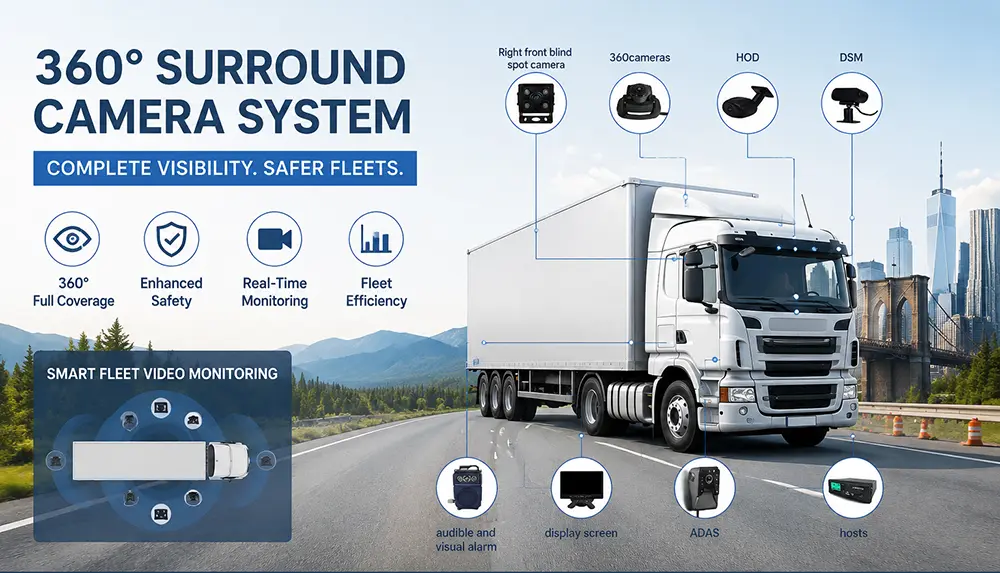
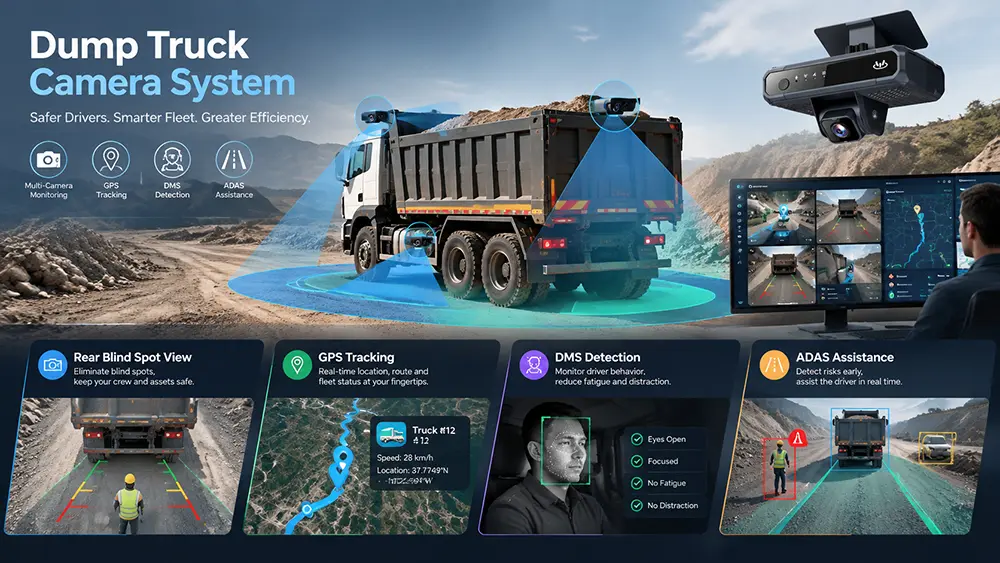
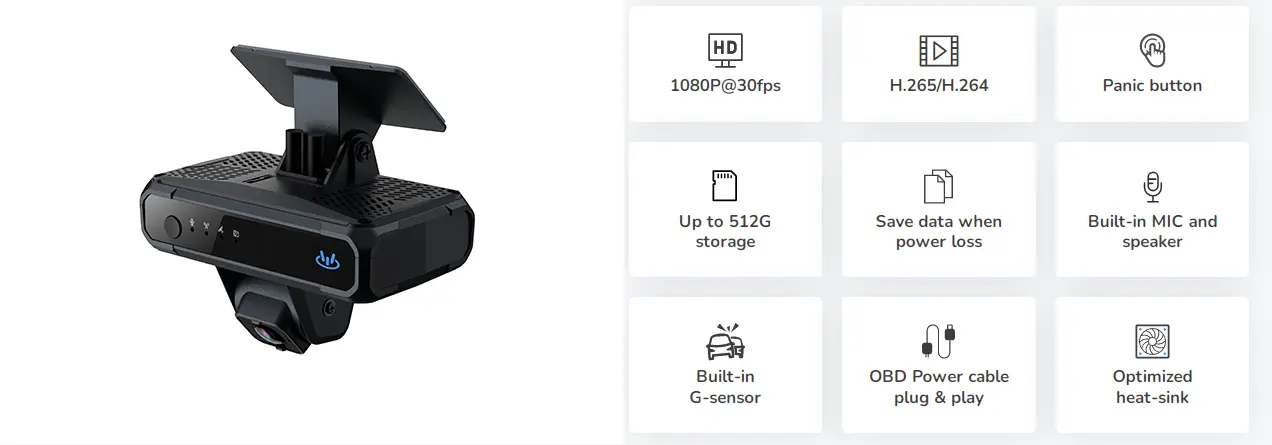
1. In-Cab & AI Camera Video Monitoring Systems
In-vehicle cameras represent one of the most intuitive methods for driver behaviour monitoring, capable of recording two types of footage simultaneously:
• Driver behaviours inside the cabin
• Road conditions outside the vehicle
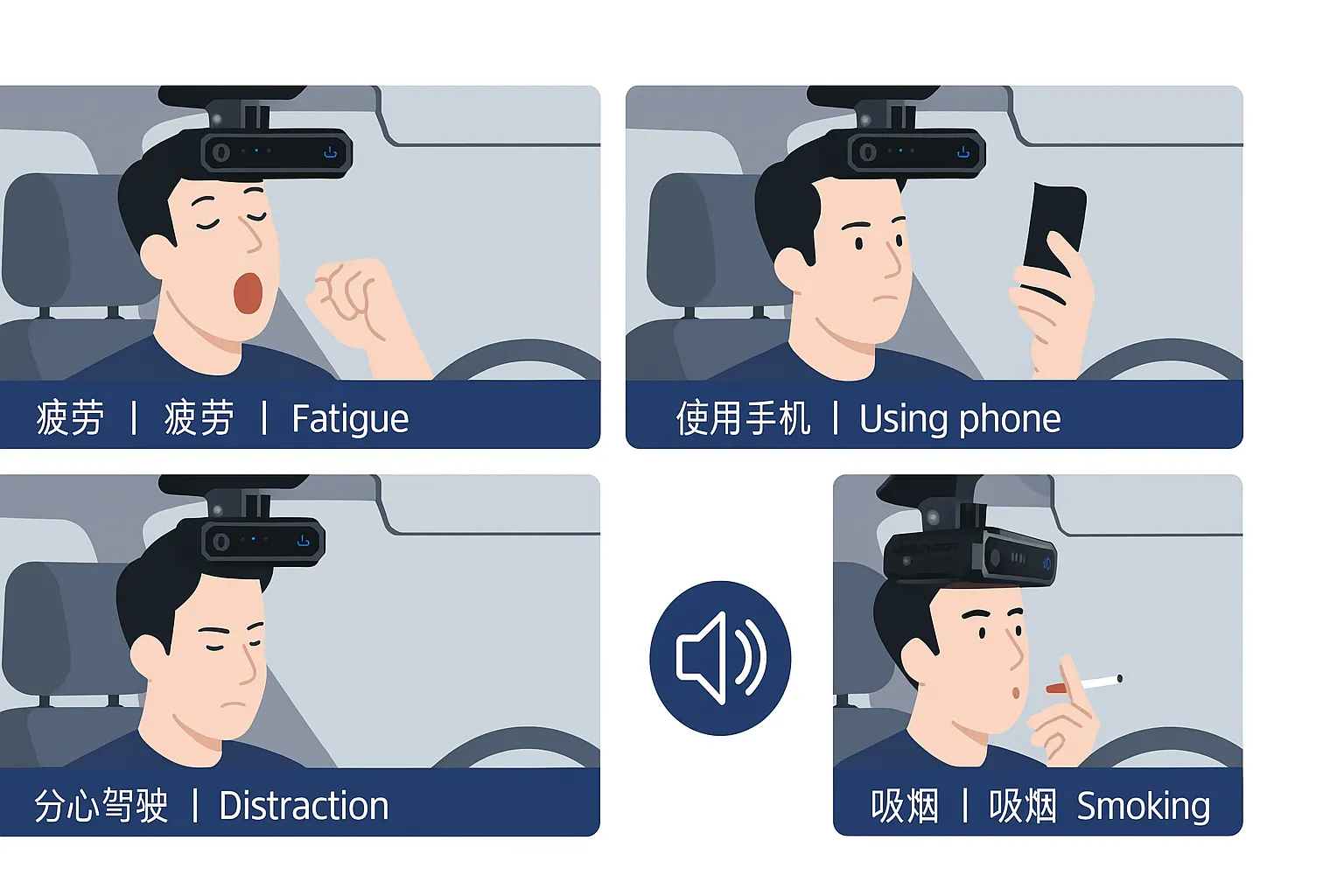
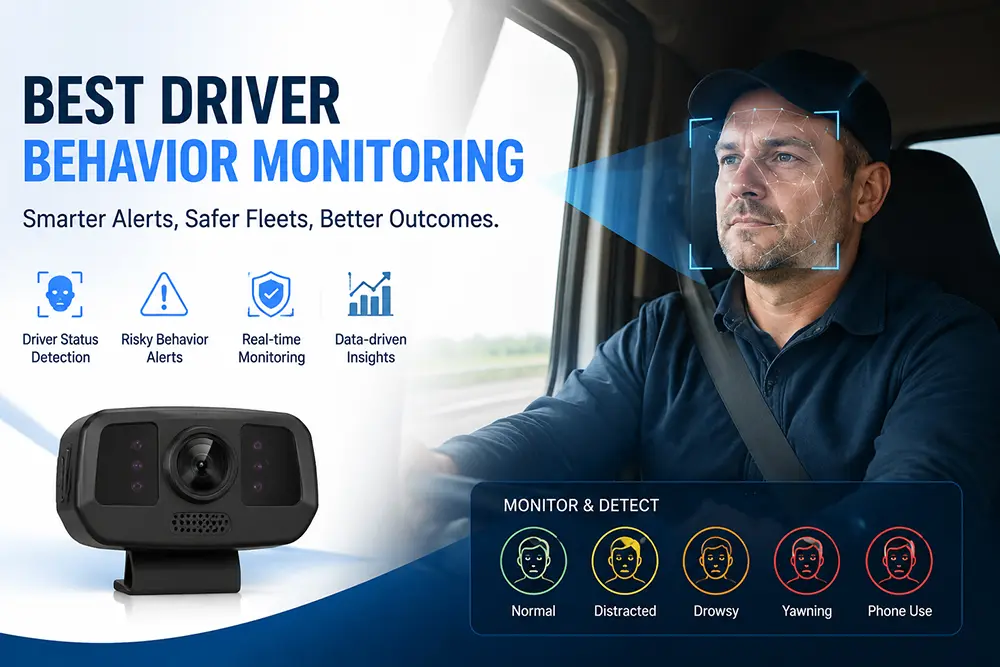
The system can identify a wide range of risky behaviours, including:
• Distracted driving
• Speeding
• Harsh braking
• Drowsy driving
• Mobile phone usage
• Failure to fasten seatbelts
Recorded footage can be used for accident reconstruction and driver training.
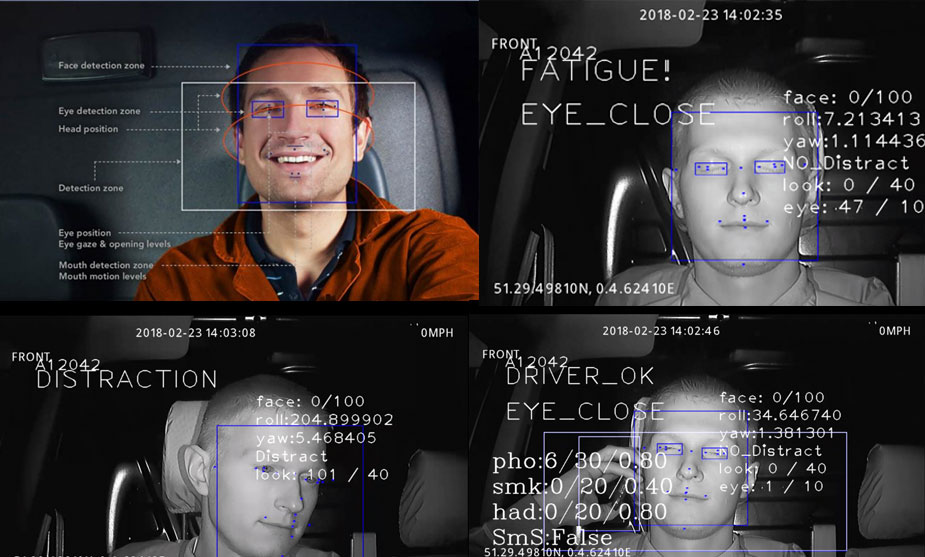
Furthermore, AI camera systems (such as DMS Cameras) leverage algorithms to achieve the following functions:
• Fatigue recognition (blink frequency, yawning, etc.)
• Distraction detection
• Mobile phone usage identification
• Driver absence detection
These capabilities enable instant real-time alarms and accelerate response speeds.
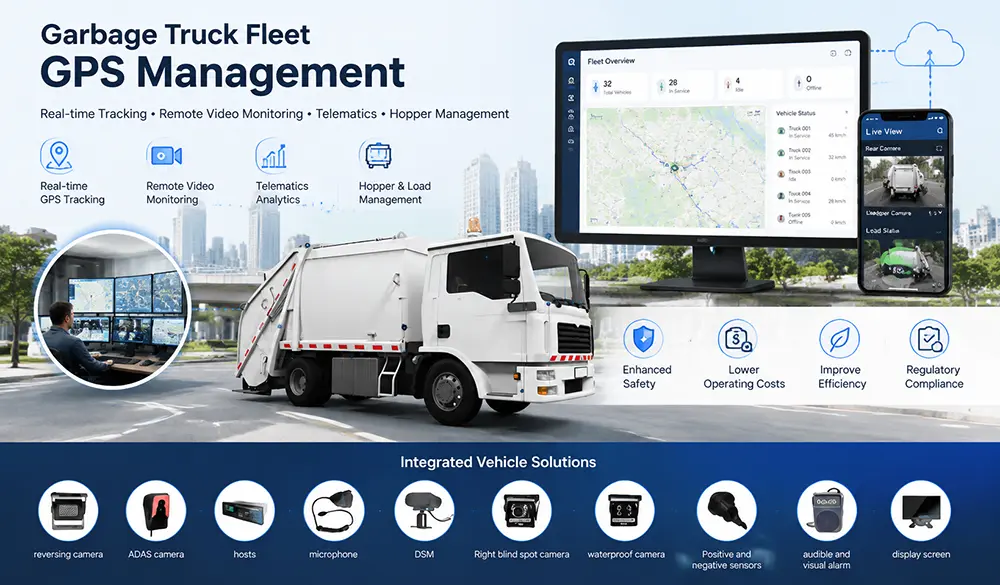
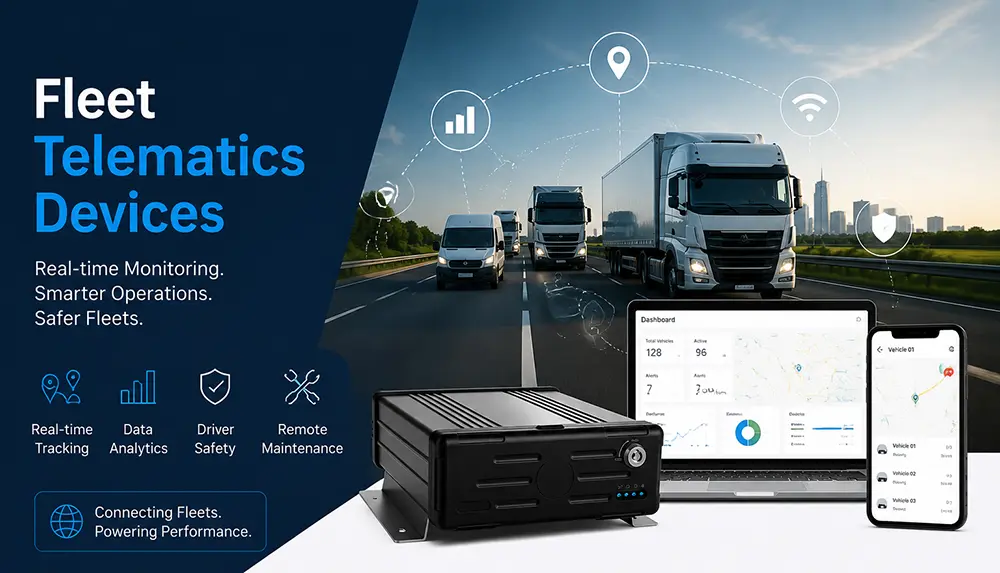
2. Telematics & GPS Tracking Systems
Data collection systems powered by GPS and onboard sensors monitor vehicle dynamics in real time, covering:
• Speed tracking
• Harsh acceleration and harsh braking
• Cornering conditions
• Idling duration
• Deviations from planned travel routes
The collected data evaluates driving habits and helps fleets detect recurring high-risk behavioural patterns.
In addition, such systems provide supplementary functions:
• Real-time vehicle location tracking
• Operational status monitoring
• Data report analytics
All functions work together to boost overall fleet operational efficiency.
3. Driver Scoring & Behaviour Analysis Systems
Driver scoring systems adopt algorithms to quantify and evaluate driving performance based on indicators such as:
• Frequency of speeding violations
• Braking intensity
• Acceleration patterns
• Route compliance
The system generates personalised driver scorecards for multiple management purposes:
• Safety performance rankings
• High-risk driver identification
• Customised targeted training
4. Fatigue & Attention Monitoring Systems
This category of systems focuses on detecting abnormal driver states including:
• Drowsy driving
• Declining concentration levels
• Nodding off or eye closure
• Abnormal head postures
By continuously tracking driver conditions and triggering immediate alerts, the system effectively mitigates accident risks. Such fatigue monitoring modules have become core built-in features of AI camera solutions.
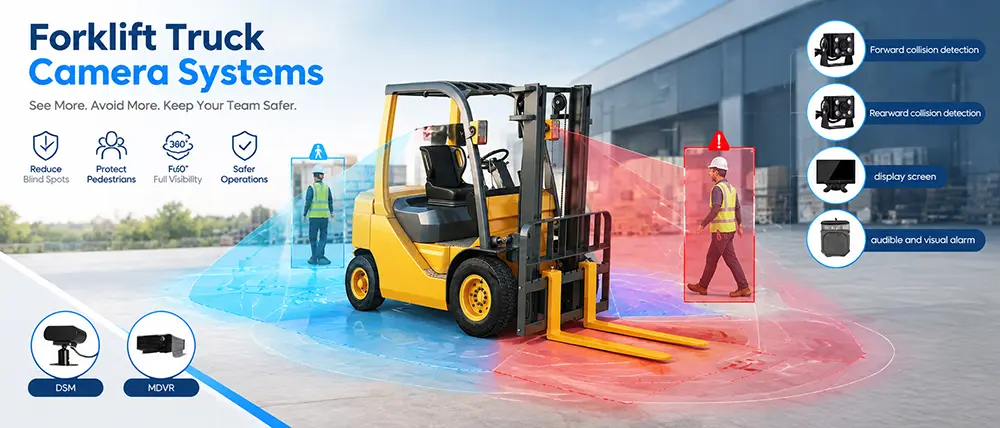
5. ADAS Advanced Driver Assistance Safety Systems
Advanced Driver Assistance Systems (ADAS) utilise onboard sensors to deliver the following safety alerts:
• Lane departure warning
• Forward collision warning
• Safe following distance reminder
• Blind spot monitoring
Its core function is to expand drivers’ environmental perception and prevent accidents at the source.
Trend of Integrated Solutions in Industrial Applications
Practical experience from numerous fleet management and IoT platforms shows that standalone single-technology solutions can hardly meet complex operational demands. Therefore, the industry is shifting toward an integrated multi-system development direction:
1. Integration of Video, GPS and AI
Build a full-dimensional monitoring framework covering visual capture, driving behaviour analysis and real-time positioning data.
2. Combination of Real-Time Supervision and Historical Data Analysis
Supports instant on-site early warnings as well as long-term trend analysis of driving behaviours.
3. Closed-Loop Driver Training Workflow
Risk identification by system → data recording → feedback to drivers → improvement of driving behaviours
Typical highlights of integrated solutions are listed below:
• Unified integration of AI video surveillance and fleet management platforms
• Linkage between real-time risk identification and vehicle dispatching systems
• Data-driven optimisation mechanisms for standardising driving behaviours
System Value: Why Fleets Must Deploy Driver Behavior Monitoring Systems in 2026
Across all available solutions, the core tangible benefits brought by driver behaviour monitoring systems are categorised as follows:
1. Enhanced Safety
Significantly reduce accident rates by detecting drowsiness, distraction and traffic violations.
2. Optimised Operating Costs
Lower losses from traffic accidents, vehicle maintenance expenses and insurance premiums.
3. Improved Operational Efficiency
Optimise travel routes and cut excessive idling as well as fuel waste.
4. Regulatory Compliance & Risk Mitigation
Ensure all driver operations align with industry standards and legal regulatory requirements.
Looking ahead, next-generation driver behaviour monitoring systems will evolve beyond simple behaviour recording tools, transforming into comprehensive safety decision-making platforms featuring real-time perception, intelligent judgment and active intervention.