









How much does the Car Blind Spot Camera System cost?
The Car Blind Spot Camera System
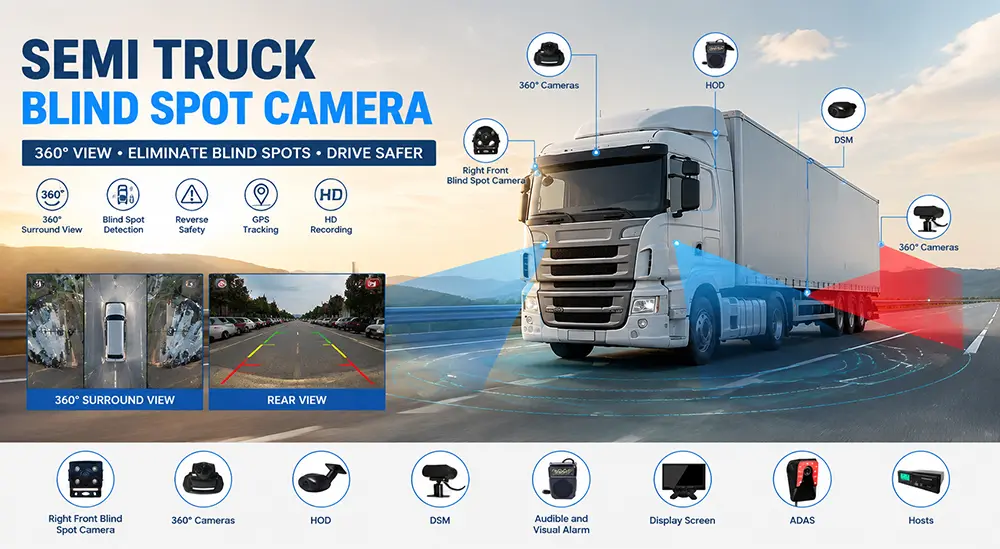
YUWEI's car blind spot camera system employs deep learning technology to detect pedestrians and vehicles in real-time, warning drivers of potential risks and preventing collisions, enhancing road safety. The intelligent pedestrian detection camera can be installed on the vehicle's side, providing intelligent monitoring of pedestrians and vehicles within a 20-meter range. Additionally, this product is suitable for various vehicles such as buses, coaches, trucks, and construction vehicles.
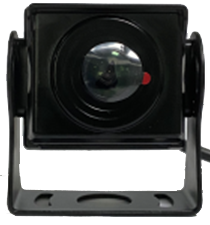
Why install an intelligent blind spot pedestrian product?
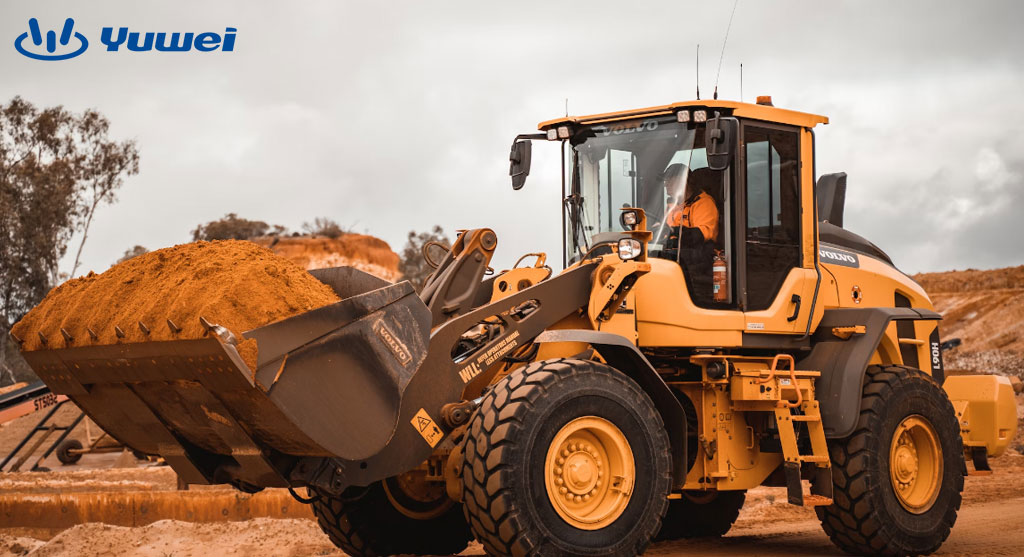
Large commercial vehicles (mining trucks, dump trucks, forklifts, trucks, buses, etc.) have large visual blind spots. During lane changes and turns, encounters with fast-moving vehicles and suddenly appearing pedestrians can easily lead to traffic accidents.
Car blind spot camera features:
Pedestrian & vehicle detection, intelligent driving assistance
The 1080P AI intelligent large vehicle engineering vehicle forklift pedestrian & vehicle blind spot warning system utilizes deep learning technology to achieve intelligent and highly accurate pedestrian & vehicle detection. It supports the recognition of various pedestrians and vehicles, such as cyclists, electric bike riders, and pedestrians on foot, providing intelligent assistance to drivers to avoid harm to pedestrians caused by large vehicles, engineering vehicles, forklifts, and other types of vehicles.
In-cabin voice and image synchronization reminders
Popup alarm reminders on the monitoring backend
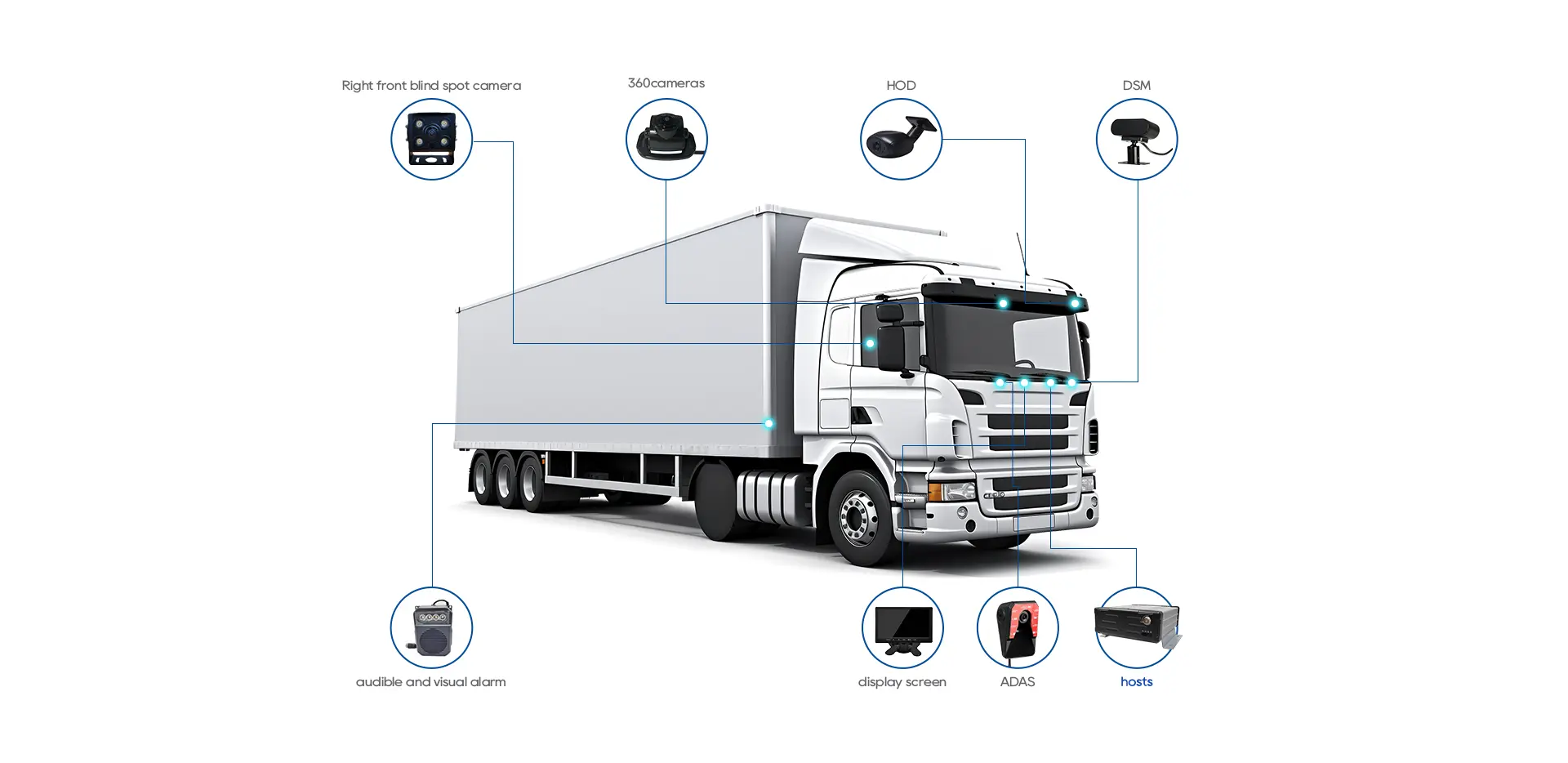
Car safety camera system hardware:
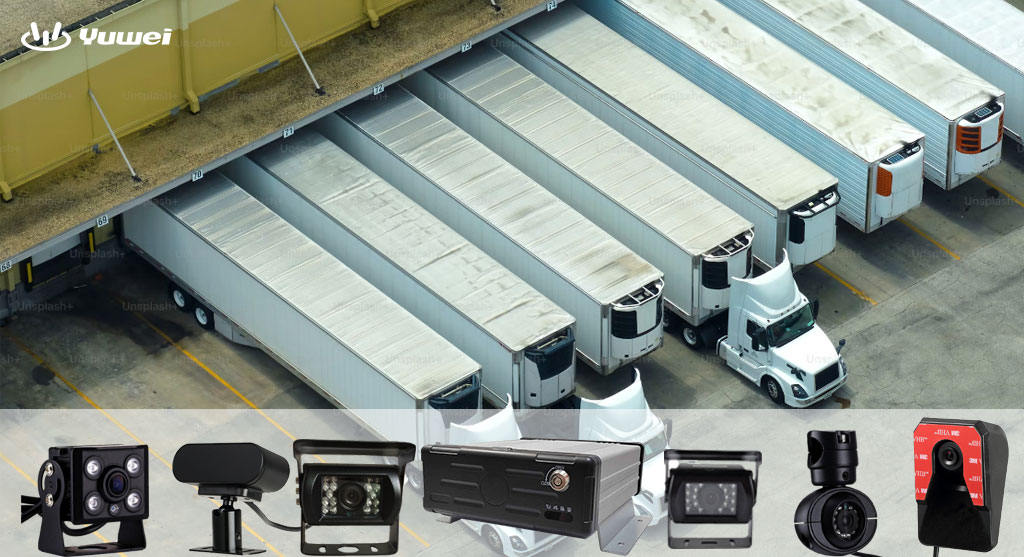
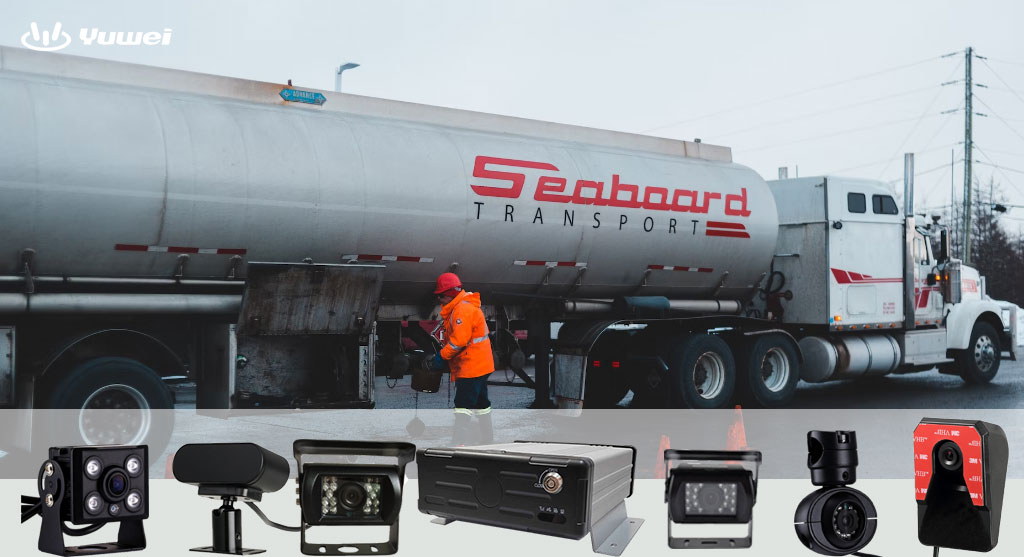
Car blind spot camera + mobile DVR + 4G network communication + fleet management software system
How much does the car blind spot camera system cost?
The regular in-car camera costs $25, while cameras with additional features may have higher costs. For a quote, please contact me at hello@yuweitek.com.
More:Dash Cam Comparison | Semi Truck Dash Cam | School Bus Surveillance Systems