












Brazilian Bus Automatic Passenger Counting System Installation
Bus Passenger Counting System
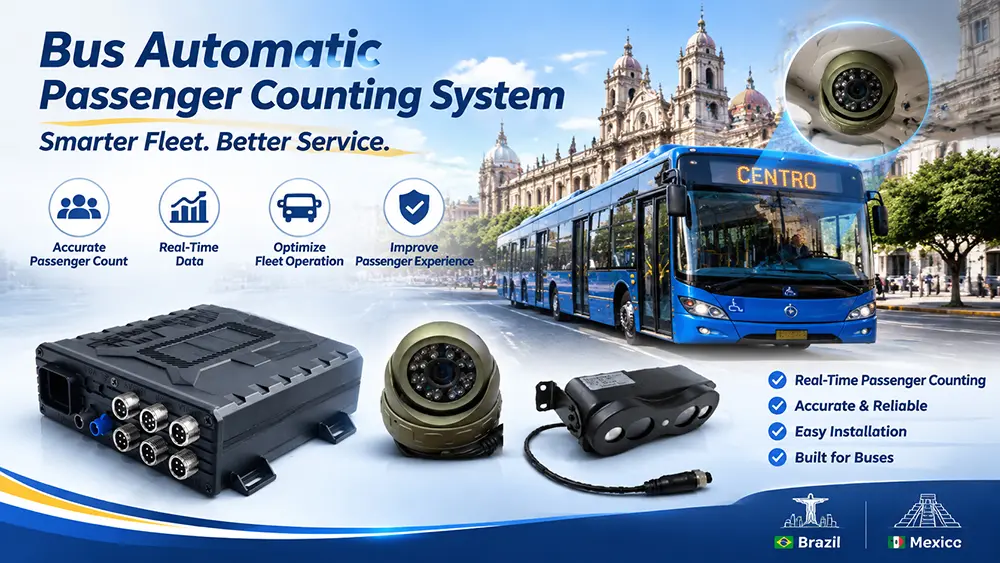
We are delighted to share our latest successful case here: the implementation of the YUWEI dual-door passenger flow statistics system in Uruguay. Currently, many clients from Brazil, Mexico, and Germany have expressed interest in our new solution.
Project Background
This project is a government cooperation initiative aimed at improving the current state of local public transportation management and operations. The project is located in Uruguay, with an estimated total installation volume reaching thousands of vehicles.
Problems and Challenges
Through the "Urban Public Transport Legal Framework" and franchise contracts, Brazil mandates public transit companies to report authentic passenger flow data for subsidy calculations and performance auditing. APC (Automatic Passenger Counting) is precisely the core method for providing independent, verifiable boarding and alighting data. It can prevent false reporting, support performance-based payments, optimize scheduling, and monitor overloading, thus becoming a de facto necessity for fleet operations in Brazilian metropolitan areas.
YUWEI APC Solution
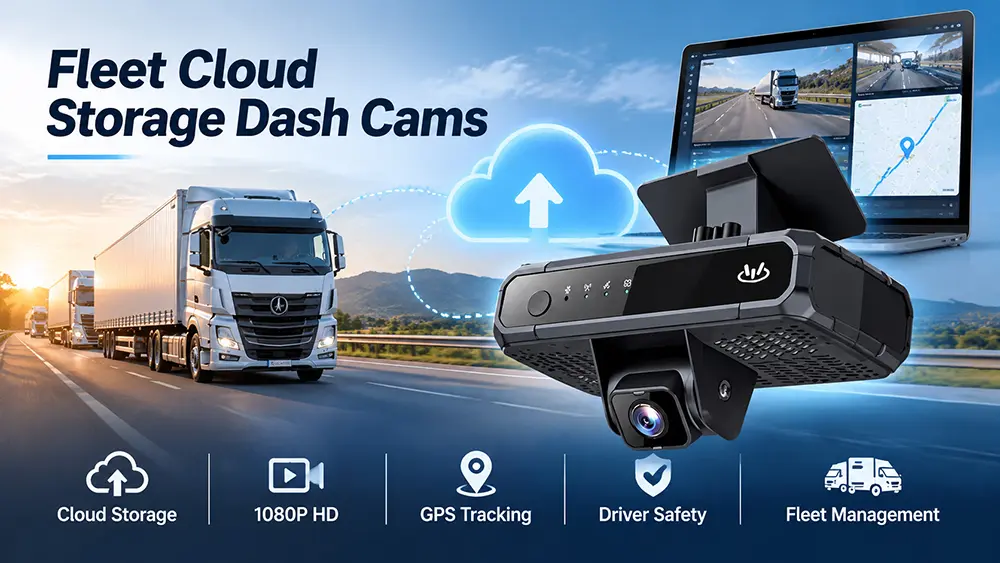
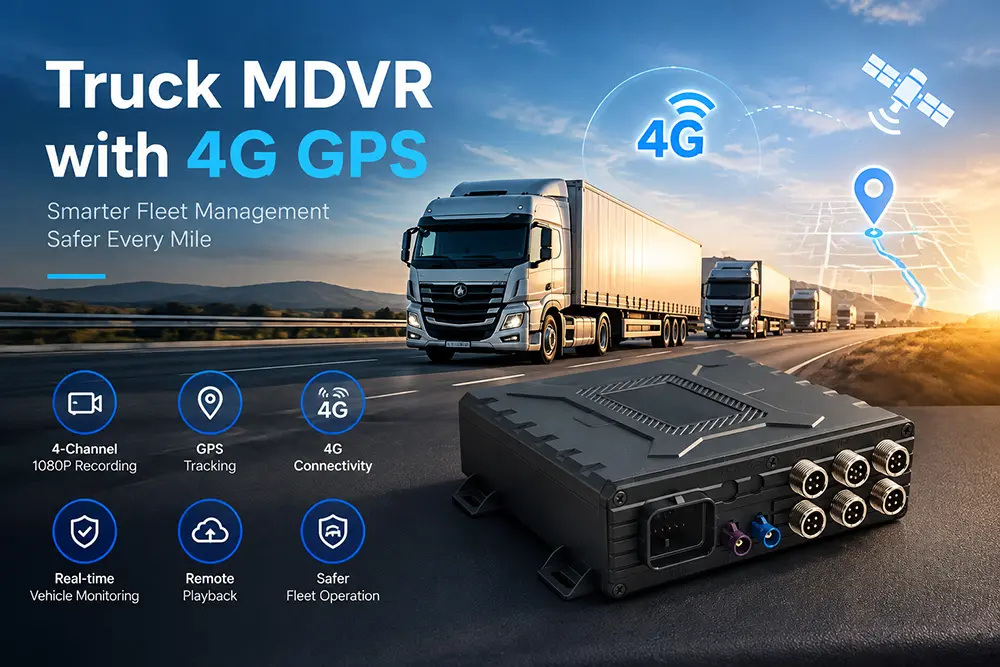
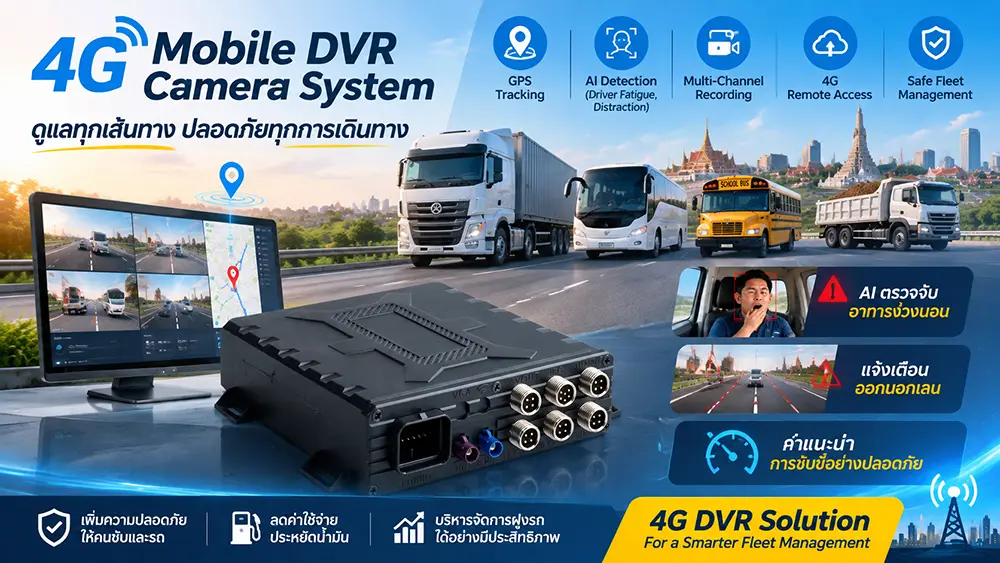
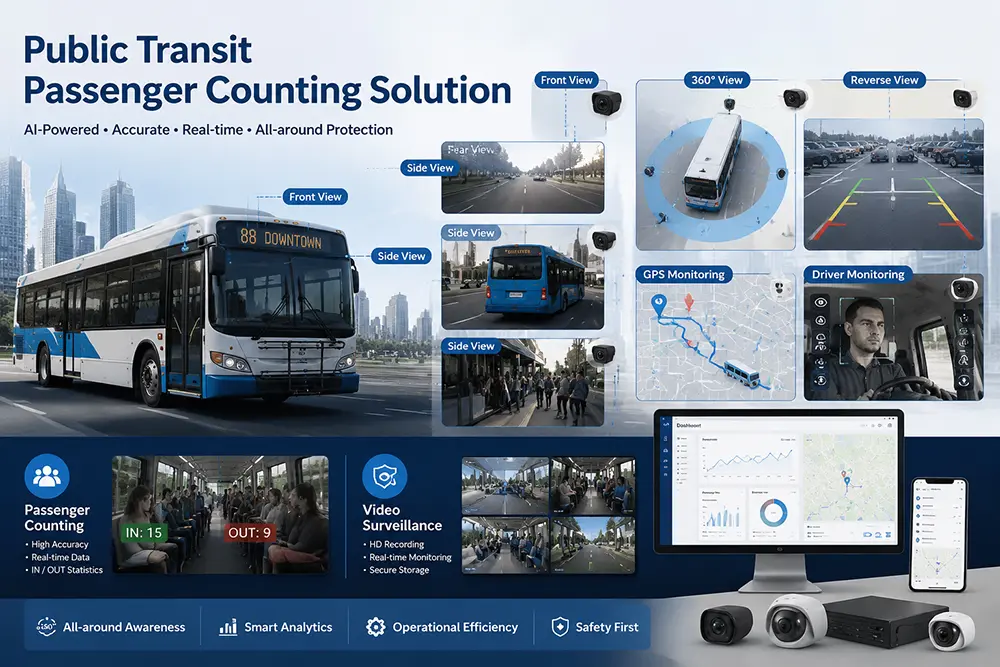
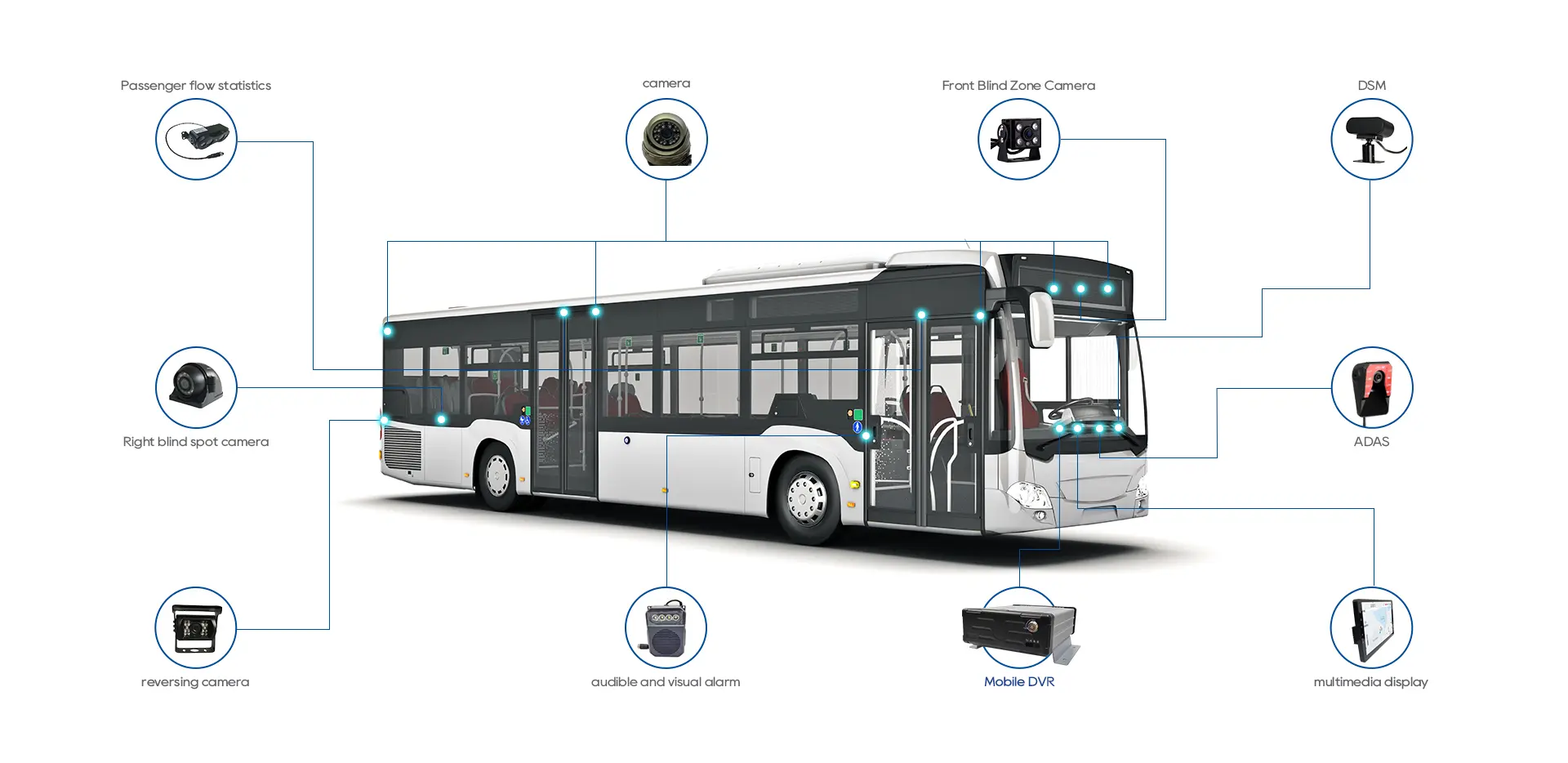
The YUWEI Automatic Passenger Counting (APC) solution consists of an APC in-vehicle host, passenger flow statistics cameras, in-vehicle surveillance cameras, monitors, intercoms, and fuel level sensors:
1.Real-Time GPS Vehicle Tracking: The APC in-vehicle host features built-in GPS and communication modules to grasp vehicle locations in real-time.
2.AI Automatic Passenger Counting: The passenger flow statistics camera utilizes AI visual recognition algorithms to achieve passenger boarding, alighting, and in-vehicle headcount statistics across different scenarios and demographics. It supports single-door, dual-door, three-door, and four-door passenger flow counting.
3.In-Vehicle Video Surveillance: The in-vehicle surveillance camera covers the vehicle's interior and blind spots. It supports infrared night vision, allowing drivers to observe the surroundings via the monitor to prevent vehicle collisions and staged accidents (insurance scams).
4.Emergency Response: The system integrates a two-way voice intercom function, providing a convenient method for emergency handling.
5.Fuel Management: The fuel level sensor collects changes in the fuel tank liquid level in real-time and sends data to the management platform to achieve fuel consumption monitoring.
Fleet Management Platform
1.Passenger Flow Statistics Report: Counts the number of boarding and alighting passengers by time period and station, generating visualized passenger flow statistics reports.
2.Fuel Consumption Data Report: Collects fuel consumption statistical data in real-time to dynamically track the fuel utilization rate.
3.Vehicle Location Tracking: Displays the current location of the vehicle in real-time, traces historical vehicle trajectories, and supports route playback.
4.Vehicle Information Overview: Collects vehicle information—such as speed, GPS location coordinates, alarm information, and other relevant data—in real-time via a 4G network, and aggregates the data on the platform.
5.Visualized Dashboard: Provides a vehicle information overview and real-time insights, effectively improving fleet management and operational efficiency. It allows for an intuitive understanding of vehicle vacancy rates, idling times, and the number of boarding and alighting passengers at each station, achieving real-time cabin occupancy rate monitoring.
Conclusion
The APC system not only improves a fleet's operational efficiency and management capabilities but also plays a positive role in station planning, risk management, and enhancing fleet profitability. YUWEI can assist countries such as Brazil, Mexico, Germany, and Saudi Arabia in building digital public transportation systems, improving travel convenience and service quality for local citizens.