










Fleet Fuel Monitoring System
What is a Fleet Fuel Monitoring System?
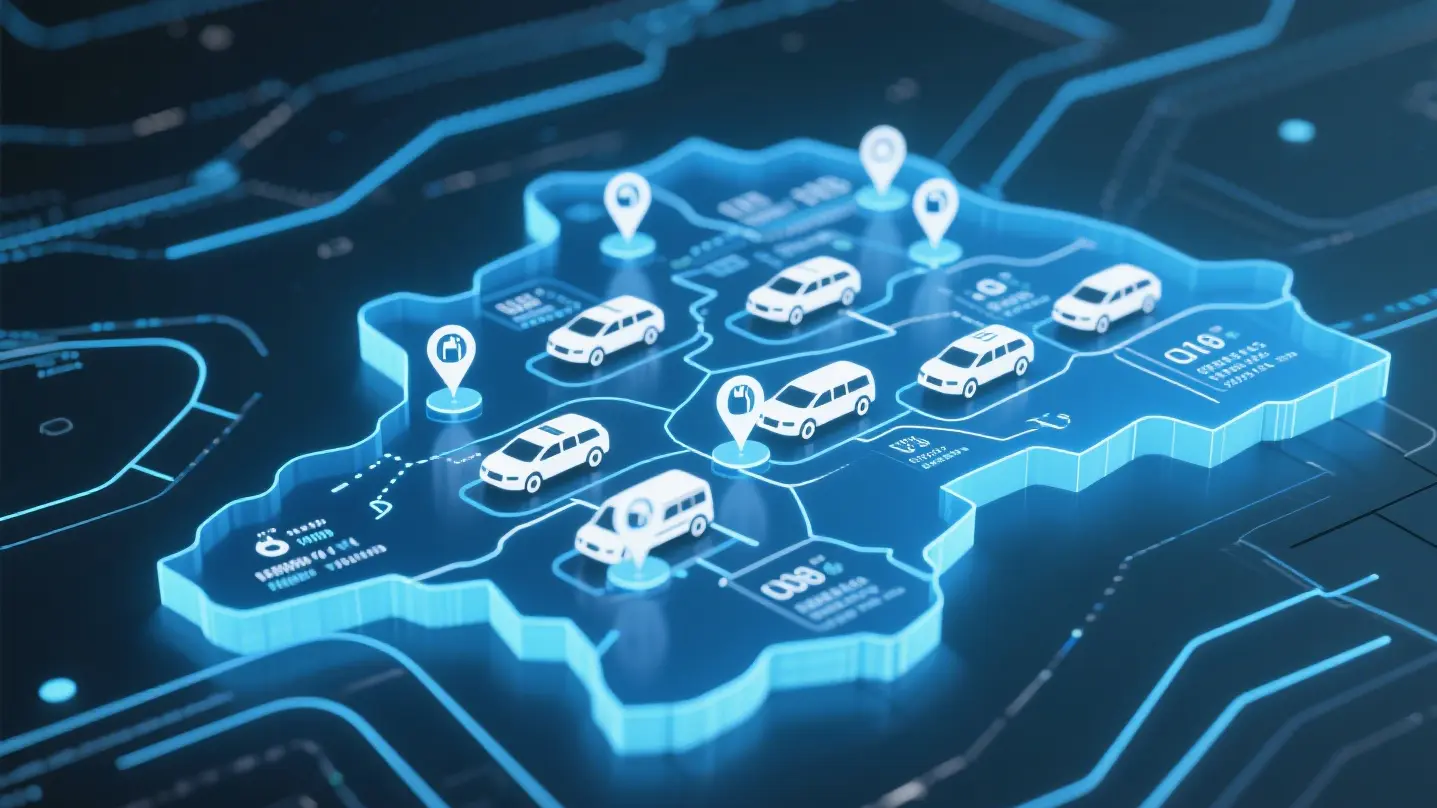
A fuel monitoring system is a real-time system specifically designed to measure the fuel level in the fuel tanks of each vehicle. It provides real-time information and alerts to help detect fuel leaks or theft. A fleet fuel management system is an innovative combination of hardware and software used to monitor and manage fuel consumption across an entire fleet. Through vehicle operation software and telematics technology, it achieves real-time tracking of fuel consumption.
hnweb_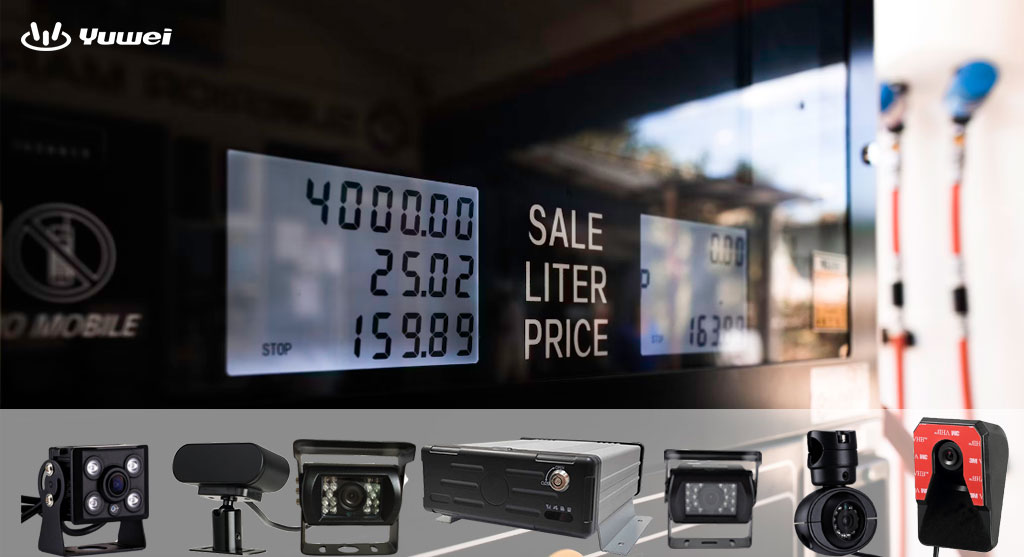
Components of a Fleet Fuel Monitoring System
1.Fuel Sensors: Installed inside or outside the fuel tank to measure the fuel level or flow rate. Common types include capacitive sensors and ultrasonic sensors.
2.Telematics Unit: Obtains engine fuel combustion data via OBD diagnostics or CAN bus, and then transmits it to the cloud platform through GPRS, Wi-Fi, or 4G networks.
3.Central Management Platform (Software): Collects, analyzes, and visually displays all fuel data, providing a unified reporting interface for vehicle location, fuel card transactions, fuel tank sensors, and route data.
Why is Fuel Monitoring Crucial for Fleets?
Fuel costs can account for as much as 30%–40% of the total operating expenses for many fleets, and some studies even indicate that fuel expenses can make up to 60% of total fleet costs. Therefore, fuel cost control is a core operational priority for the vast majority of fleets.
Features of YUWEI Terminals
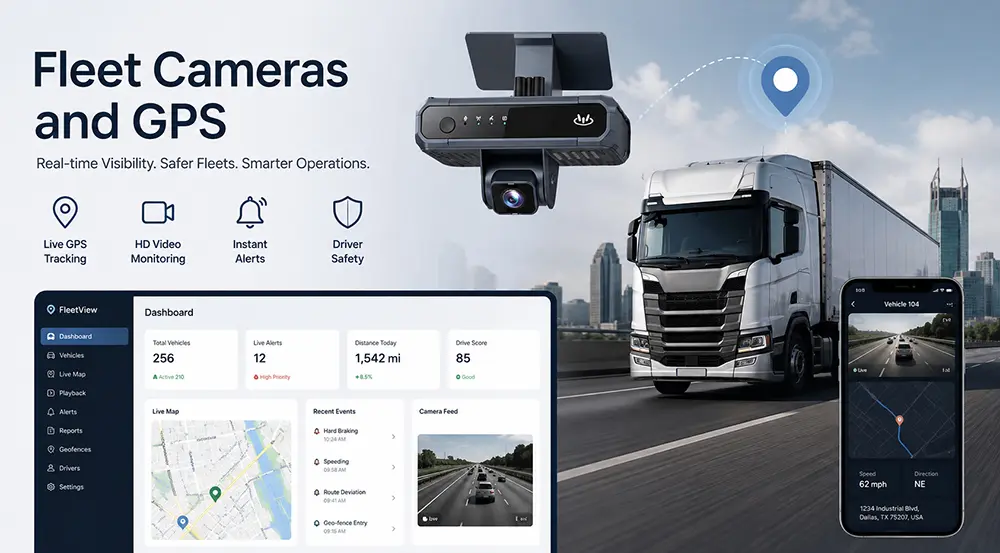
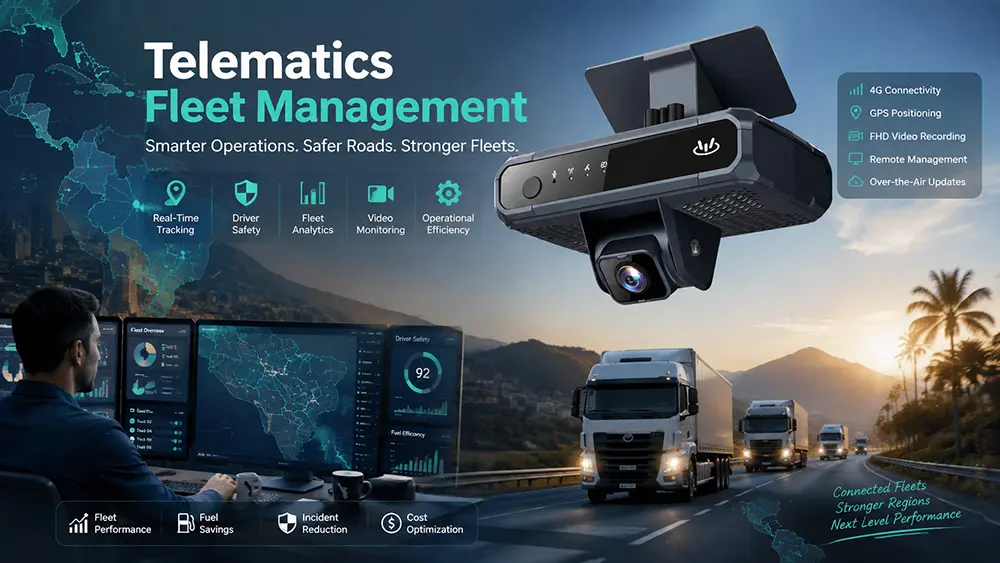
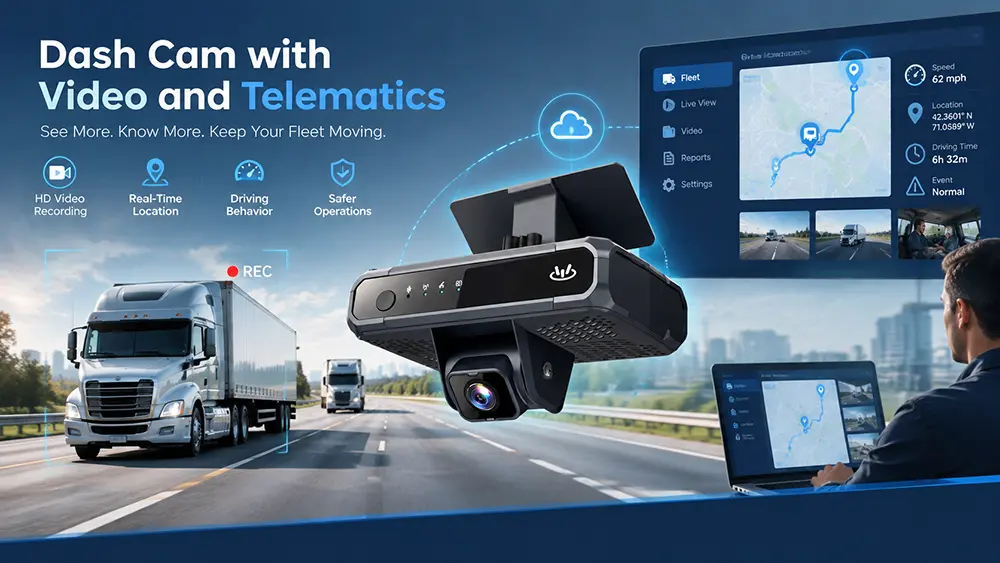
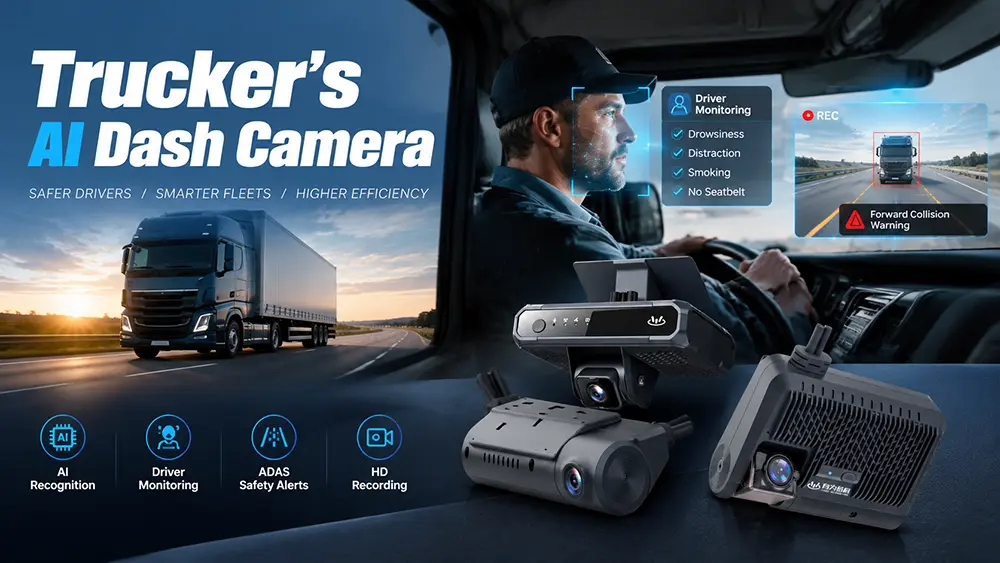
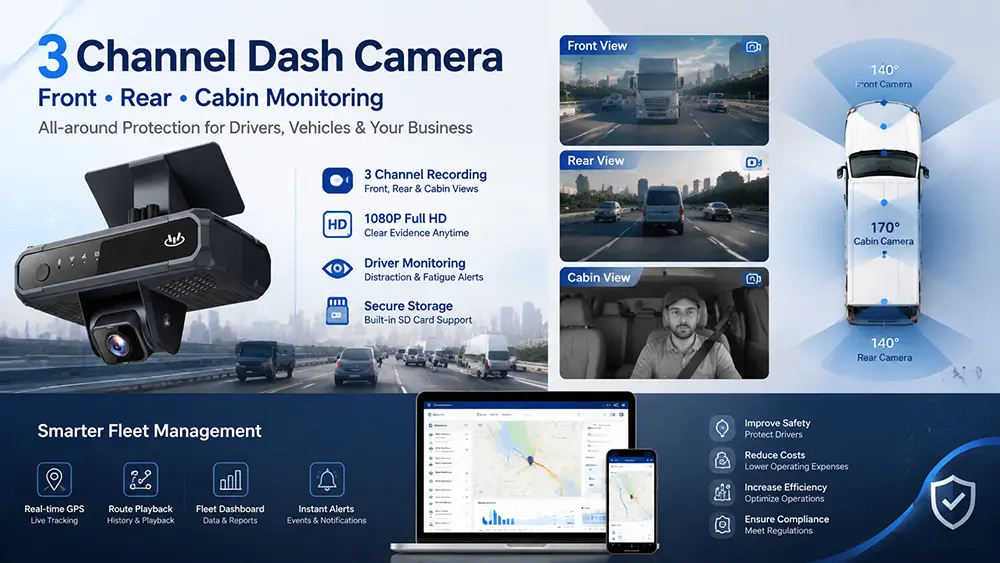
YUWEI commercial vehicle fleet management terminals integrate the following capabilities: Beidou/GPS dual-mode positioning monitoring, 4G network transmission, high-speed CAN communication, K-Line communication, automatic vehicle communication matching, built-in encryption chip, and low-power design. The terminal enables the remote monitoring of vehicle data collection, achieving the comprehensive integration of vehicle operating status data.
Commercial Vehicle Fleet Fuel Management Platform
YUWEI's commercial vehicle fleet management platform provides functions such as real-time vehicle status viewing, vehicle maintenance management, repair management, collision rescue, and illegal maintenance warnings, helping fleet managers achieve digital operations and reduce operating costs.
A.Saying Goodbye to Three Major Fuel Waste Problems
The platform helps fleet managers eliminate the following problems:
1.False Refueling: The fuel volume reported by the driver does not match the actual volume added to the fuel tank.
2.High Fuel Consumption: By analyzing the distribution of fuel consumption during acceleration, deceleration, and constant-speed segments, it identifies vehicles or drivers with unusually high fuel consumption.
3.Fuel Leaks: An abnormal drop in the fuel level after parking may indicate a fuel leak or theft.
B.Multi-dimensional Fuel Consumption Analysis Capabilities
The platform can perform analysis across the following dimensions:
1.Daily, weekly, and monthly fuel consumption calculations and comparisons at the individual vehicle, fleet group, or entire fleet level.
2.Fuel efficiency comparisons of the same vehicle or fleet group over different time periods to evaluate the effectiveness of fuel-saving management.
3.Collection of fuel consumption distribution data during acceleration, deceleration, and constant-speed segments, fuel consumption at different vehicle speeds, and the impact of different driving behaviors on fuel consumption.
4.Collection of dangerous driving behavior data, including sudden acceleration, hard acceleration, sudden braking, quick lane changes, frequent lane changes, speeding through corners, speeding, and overloading.
C.Four Major Real-time Monitoring Capabilities of the Management Platform
The management platform can track real-time changes in the remaining fuel level of the tank and display them synchronously with parameters such as vehicle speed in chart format. It can also:
1.Detect abnormal fuel level drops after parking, alerting to potential fuel theft or leaks.
2.Verify refueling events against the vehicle's GPS location to identify fueling at unauthorized stations.
3.Provide over 100 items of fuel consumption data analysis, including daily fuel consumption per vehicle and fuel consumption per 100 kilometers.
4.Support daily, weekly, and monthly comparisons of fuel efficiency across different vehicles and fleet groups.
Selection and Evaluation Checklist
Before formal deployment, it is recommended to answer the following questions:
1.What is the fleet size? Less than 20 vehicles, 20–50 vehicles, 50–100 vehicles, or over 100 vehicles. The requirements differ significantly for each scale.
2.What types of vehicles are in the fleet? Passenger cars, light commercial vehicles, heavy-duty trucks, construction equipment, and agricultural machinery. Each type of vehicle requires different compatible equipment.
3.What is the fuel type? Diesel, gasoline, biodiesel, or CNG. Vehicles in cold climate regions require sensors that support density compensation.
4.Is software integration required? Ensure the solution can interface smoothly with existing fleet management software, ERP, or reporting systems.
Before full deployment, it is highly advisable to conduct a pilot program on 3–5 vehicles first, focusing on measuring the following three key aspects: sensor accuracy, report usability, and actual cost savings. Only expand the system to the entire fleet after the pilot results are validated.
A fleet fuel monitoring system has evolved from an optional upgrade into an essential operational infrastructure. It not only prevents fuel theft, reduces idling waste, and optimizes routes, but can also be deeply integrated with equipment maintenance, driver training, and carbon footprint reporting.
Email:hello@yuweitek.com