











Kuwait Garbage Truck Fleet Camera Tracking Management
Kuwait Garbage Truck Fleet Management
Entering 2026, facing the latest management requirements for the Kuwait garbage truck fleet, the Kuwaiti municipality announced 12 revised requirements for public cleaning contracts in August 2025, which explicitly proposed: installing 360° smart cameras capable of withstanding harsh weather and vehicle vibration on major operational vehicles, and comprehensively upgrading the vehicle tracking system. The new requirements also include color-coding vehicles by administrative district, deploying sorted garbage transport vehicles, adding garbage bin cleaning vehicles, and gradually adopting electric vehicles.
Challenges in Kuwait Garbage Truck Fleet Management
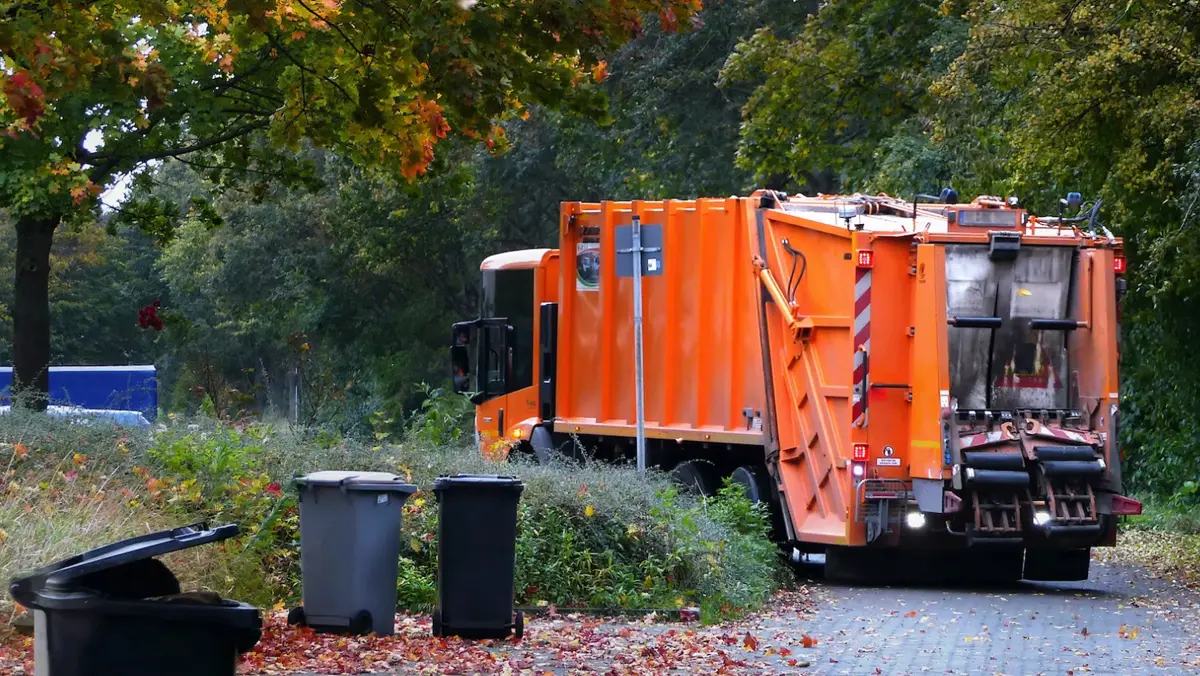
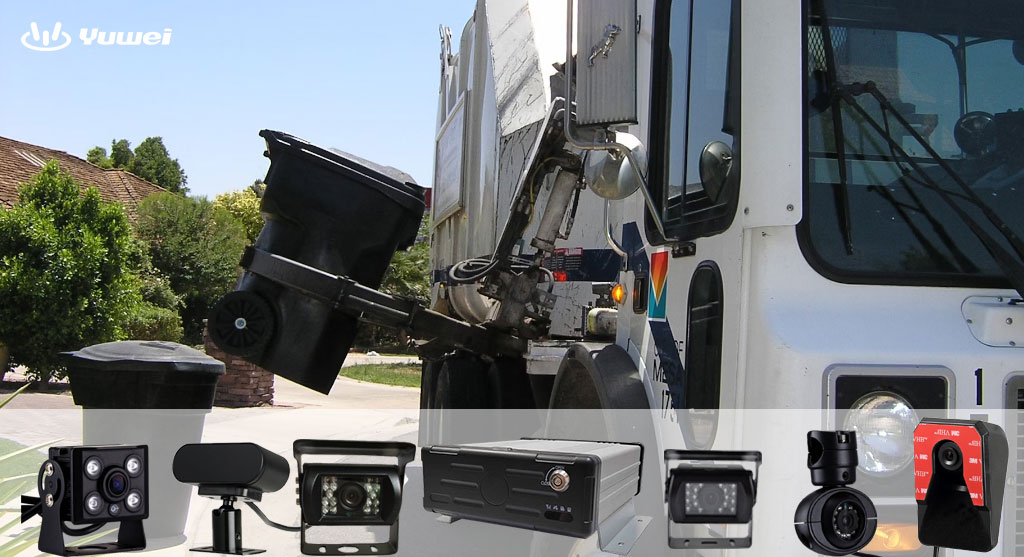
Garbage trucks differ from ordinary logistics vehicles. Their operation process involves frequent stopping, reversing, approaching residential areas, loading and unloading garbage bins, and nighttime collection. There are often staff, pedestrians, and other road users present around the vehicles. Traditional GPS positioning can only show where the vehicle is, but cannot indicate whether the vehicle has completed garbage collection, whether there are missed or spilled collections, nor can it reconstruct the scene when an accident occurs.
1. Lack of Visual Evidence for the Operation Process
The management center may see that a vehicle has arrived at a designated area, but cannot confirm whether the garbage bins have been emptied, whether the road cleaning has been completed, or whether the vehicle has dumped garbage in unauthorized locations. When complaints about missed collections occur, there is a lack of video data for quick verification.
2. Route Deviation and Insufficient Dispatch Efficiency
Garbage trucks may deviate from prescribed routes, stay for long periods, finish operations early, or enter unauthorized areas. Relying solely on manual telephone dispatch makes it difficult to simultaneously manage a large number of vehicles distributed across multiple administrative districts.
3. High Risk in Reversing and Right-Side Blind Spots
Compactor garbage trucks have long bodies, resulting in significant blind spots at the rear and right side of the vehicle. When reversing, turning, or approaching garbage bins, drivers may not be able to spot pedestrians, cleaners, and other vehicles in a timely manner.
4. Driver Fatigue and Distracted Behaviors are Hard to Detect
Nighttime and continuous operations can increase the risk of fatigued driving. Behaviors such as using a mobile phone, smoking, not wearing a seatbelt, looking away from the road, or taking hands off the steering wheel can also lead to safety accidents.
5. Lack of Data Support for Operating Costs
If mileage, working hours, idling time, alarm frequency, and route completion cannot be uniformly recorded, it becomes difficult for managers to accurately analyze vehicle utilization, abnormal fuel consumption, and the operational workload in different areas. The core problems addressed by the YUWEI garbage truck management solution precisely include the inability to grasp vehicle locations in real-time, invisible driver status, route deviation, speeding, and insufficient operational statistics.
YUWEI Garbage Truck Fleet Camera Tracking Solution
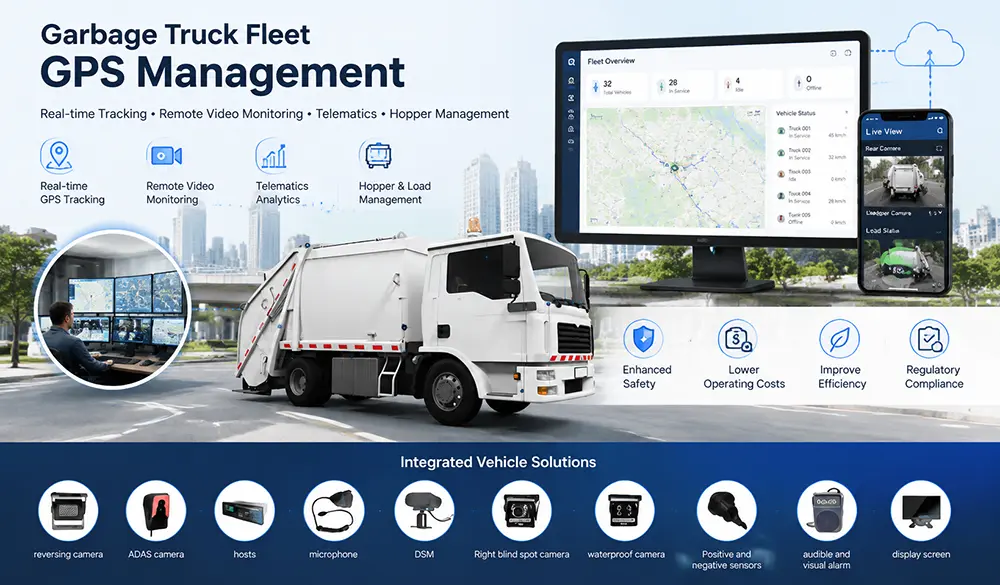
In response to the requirements for 360° smart cameras and vehicle tracking upgrades in Kuwait's new round of cleaning contracts, it is recommended to adopt the YUWEI garbage truck fleet GPS camera tracking management system, which integrates GPS/BDS positioning, 4G video transmission, onboard recording, AI driving safety, and a backend dispatch platform into a single system.
1.Real-Time Positioning and Geo-Fencing
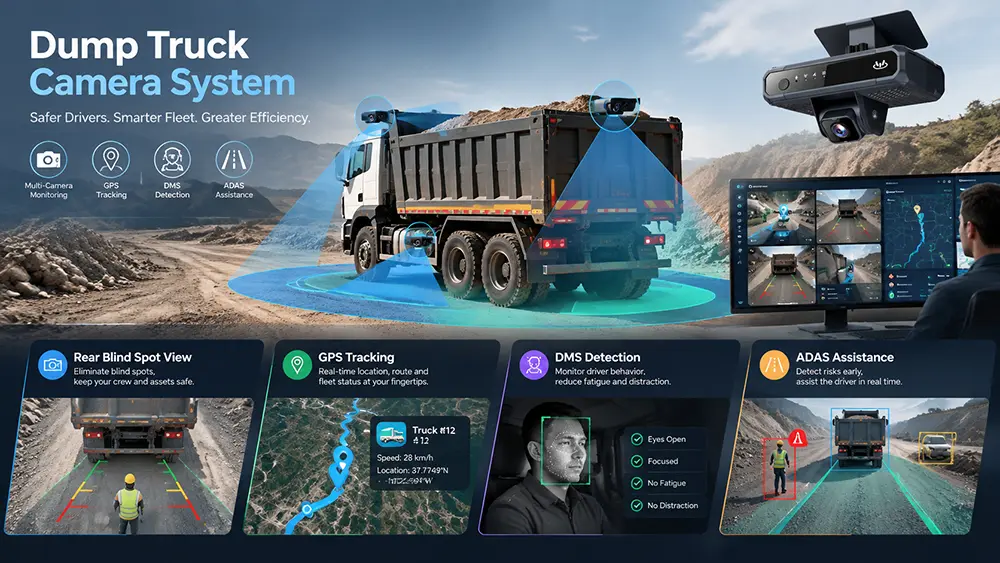
A GPS/BDS positioning terminal is installed on every garbage truck, allowing the management center to view the vehicle's location, speed, online status, and driving direction in real-time. The system can set fixed routes and operation areas according to different cleaning contracts, and automatically trigger an alarm when a vehicle deviates from the route, drives out of the designated administrative district, or enters a restricted area.
2.360° Real-Time Video Monitoring
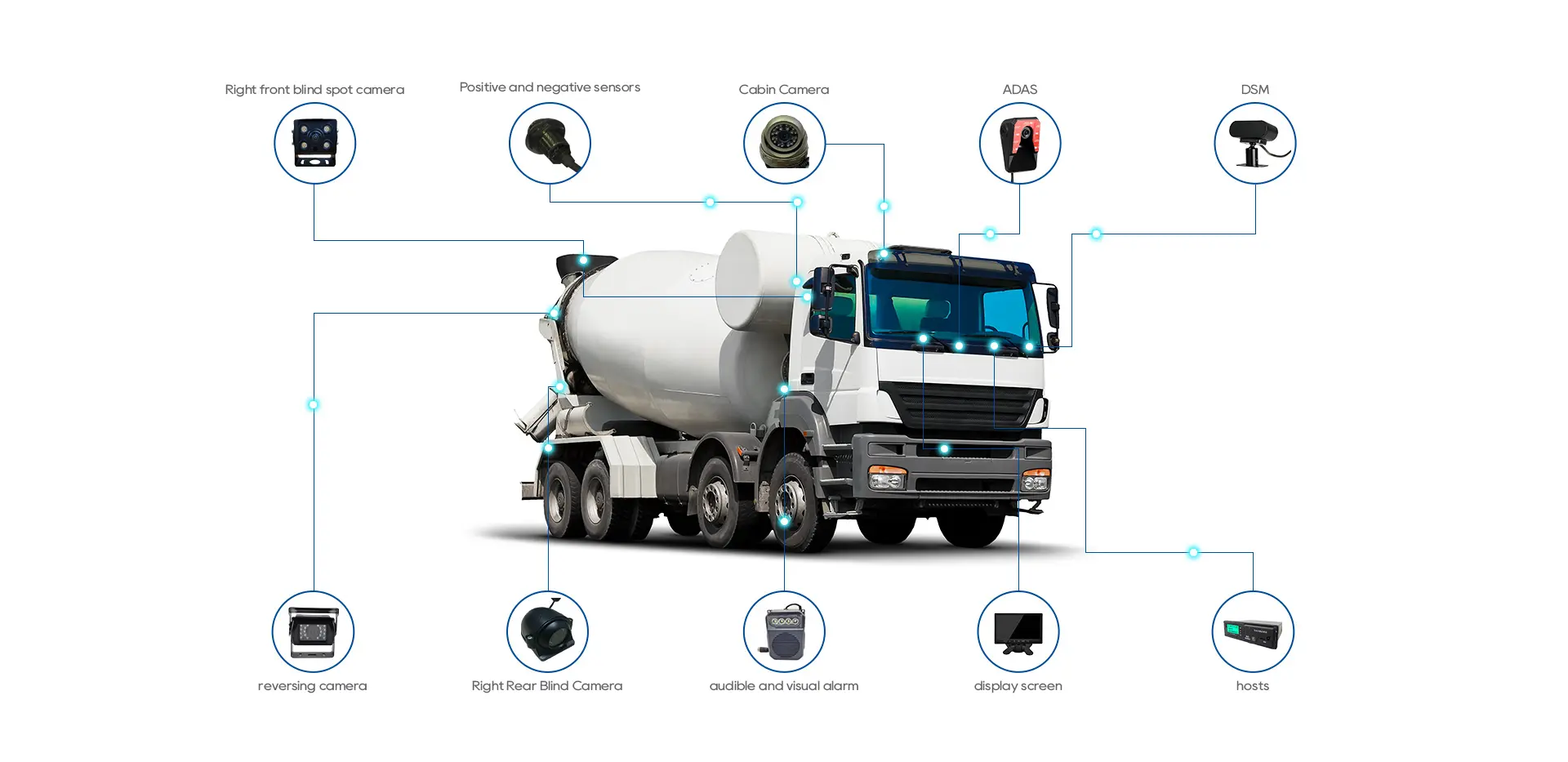
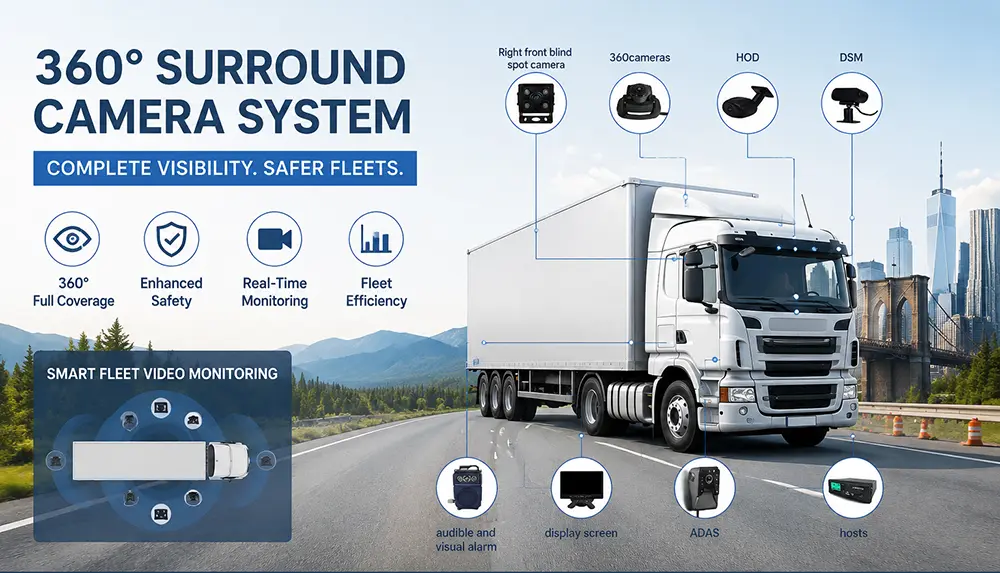
Cameras are installed at the front, rear, both sides of the vehicle body, and the garbage loading/unloading areas, forming a multi-channel video system covering the vehicle's surrounding environment. Management personnel can remotely view real-time footage or retrieve historical video to verify garbage collection, vehicle reversing, road cleaning, and the garbage transportation process.
3.ADAS Active Safety Warning
The forward-facing ADAS camera can identify lane departure, following too closely, potential forward collisions, and pedestrian collision risks, and issue timely prompts to the driver to reduce the risk of accidents during operations on urban roads and in residential areas.
4.DSM and Driving Behavior Monitoring
The DSM camera uses AI image recognition to monitor behaviors such as fatigue, closed eyes, yawning, using a mobile phone, smoking, and distraction. The HOD camera can also assist in identifying dangerous driving behaviors like taking hands off the steering wheel and not wearing a seatbelt.
5.Blind Spot Pedestrian Detection
The right-side BSD camera can identify pedestrians in the vehicle's blind spot. When the system determines a collision risk exists, it can simultaneously issue an audio-visual alarm to the driver inside the vehicle and warn nearby people to stay away from the vehicle via an external alarm.
6.Cloud Recording and Operational Reports
The MDVR continuously saves multi-channel high-definition video, GPS tracks, and AI alarm events. The management platform can generate reports on working hours, operational mileage, alarm records, and route completion by vehicle, driver, administrative district, or date, achieving full-process supervision from "where the vehicle is" to "what the vehicle did."
YUWEI Garbage Truck Camera Tracking System Hardware Configuration
YUWEI's ADAS camera can provide 1080P images and supports lane departure, forward collision, headway monitoring, and pedestrian collision warnings; DSM products can detect fatigue, smoking, phone calls, and distraction; BSD cameras adopt an approximately 148° horizontal viewing angle, IP67 waterproofing, and an IK10 anti-collision structure, making them suitable for external installation on garbage trucks. The 10.1-inch in-vehicle display screen can receive multi-channel video and be used for navigation and vehicle information interaction.
Benefits of Tracking Management for Garbage Truck Fleets
1.Meet Kuwait's Latest Contract Technical Requirements
360° cameras, multi-channel onboard recording, and GPS tracking platforms can directly meet the requirements of Kuwait's public cleaning contracts for installing 360° smart cameras on major vehicles and comprehensively upgrading vehicle tracking systems. Equipment selection can also be configured with high-temperature resistance, waterproof, dustproof, anti-vibration, and large-capacity storage solutions according to local project requirements.
2.Achieve Traceability Throughout the Entire Garbage Collection and Transportation Process
GPS tracks indicate when the vehicle arrives, while video can prove whether garbage collection was completed, whether the vehicle operated as prescribed, and whether there were garbage spills at the scene. Management personnel can correlate location, time, speed, and video to form a complete chain of operational evidence.
3.Reduce Risks of Missed Collections, Detours, and Illegal Dumping
Geo-fencing, route deviation alarms, dwell time statistics, and video verification can help the management center discover situations such as failing to operate as planned, abnormal stops, and unloading in unauthorized areas, thereby improving contract execution transparency.
4.Reduce Reversing and Blind Spot Accidents
Waterproof reversing cameras, 360° surround-view systems, and BSD blind spot recognition jointly cover the rear and both sides of the vehicle. Internal alarms alert the driver, while external audio-visual prompts can simultaneously warn cleaners and pedestrians.
5.Improve Driver Safety Performance
ADAS, DSM, and HOD can instantly alert drivers when dangerous behaviors occur and upload events to the platform. Managers can conduct targeted training based on speeding, fatigue, distraction, and blind spot alarm records, rather than solely holding people accountable after an accident occurs.
6.Improve Dispatching and Vehicle Utilization
The management center can uniformly view the online status, current location, and task progress of all garbage trucks, and rearrange routes based on garbage backlogs, vehicle breakdowns, or temporary tasks. Reports on working hours, operational mileage, and route completion rates can also be used to compare the operational efficiency of different vehicles and administrative districts.
Reduce Costs of Accident Investigation and Complaint Handling
When traffic accidents, missed garbage collections, or property damage disputes occur, onboard recordings can quickly reconstruct the scene. Visual evidence helps reduce duplicate investigations, liability disputes, and claims risks caused by a lack of evidence.
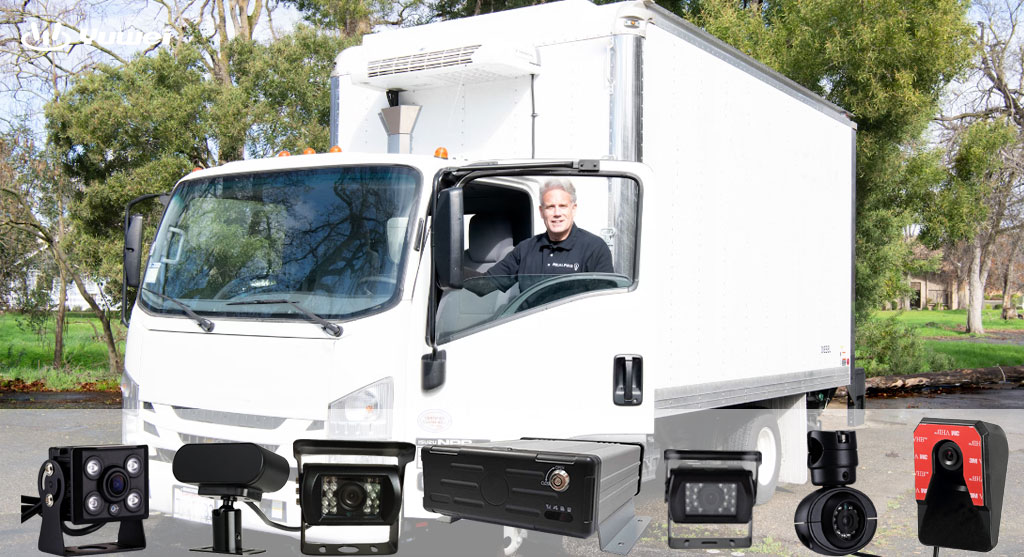
The YUWEI garbage truck fleet camera tracking management solution can flexibly configure Dash Cams, MDVRs, ADAS, DSM, HOD, 360° surround-view systems, waterproof reversing cameras, BSD cameras, and in-vehicle displays based on the structures of compactor garbage trucks, sorted garbage transport vehicles, garbage bin cleaning vehicles, and other sanitation vehicles, providing the Kuwait garbage truck fleet with integrated management capabilities ranging from vehicle positioning to operational video, and from active warning to operational analysis.
Email:hello@yuweitek.com