










Real-Time GPS Tracking Solutions for Commercial Vehicle Fleets
What is Real-Time GPS Fleet Tracking?
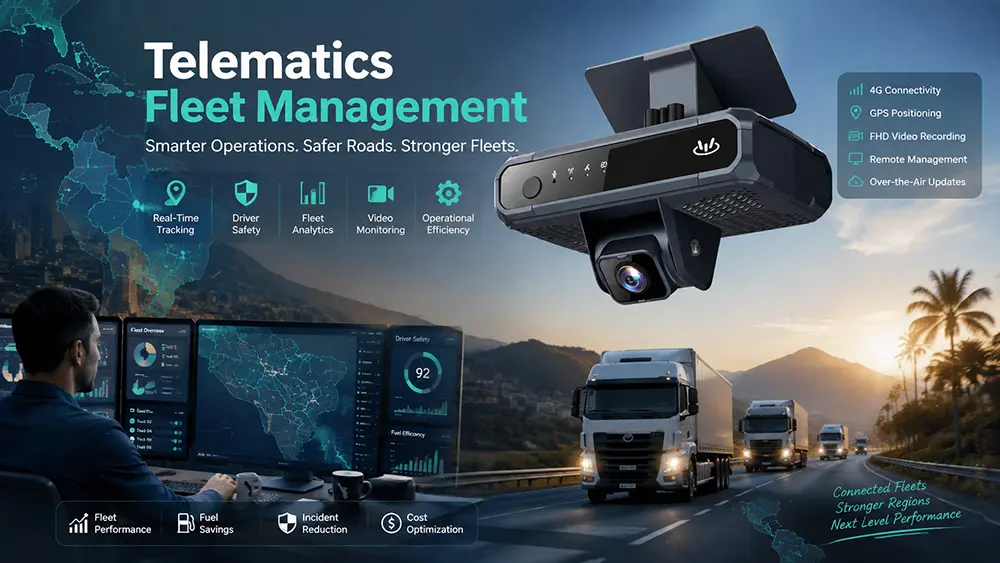
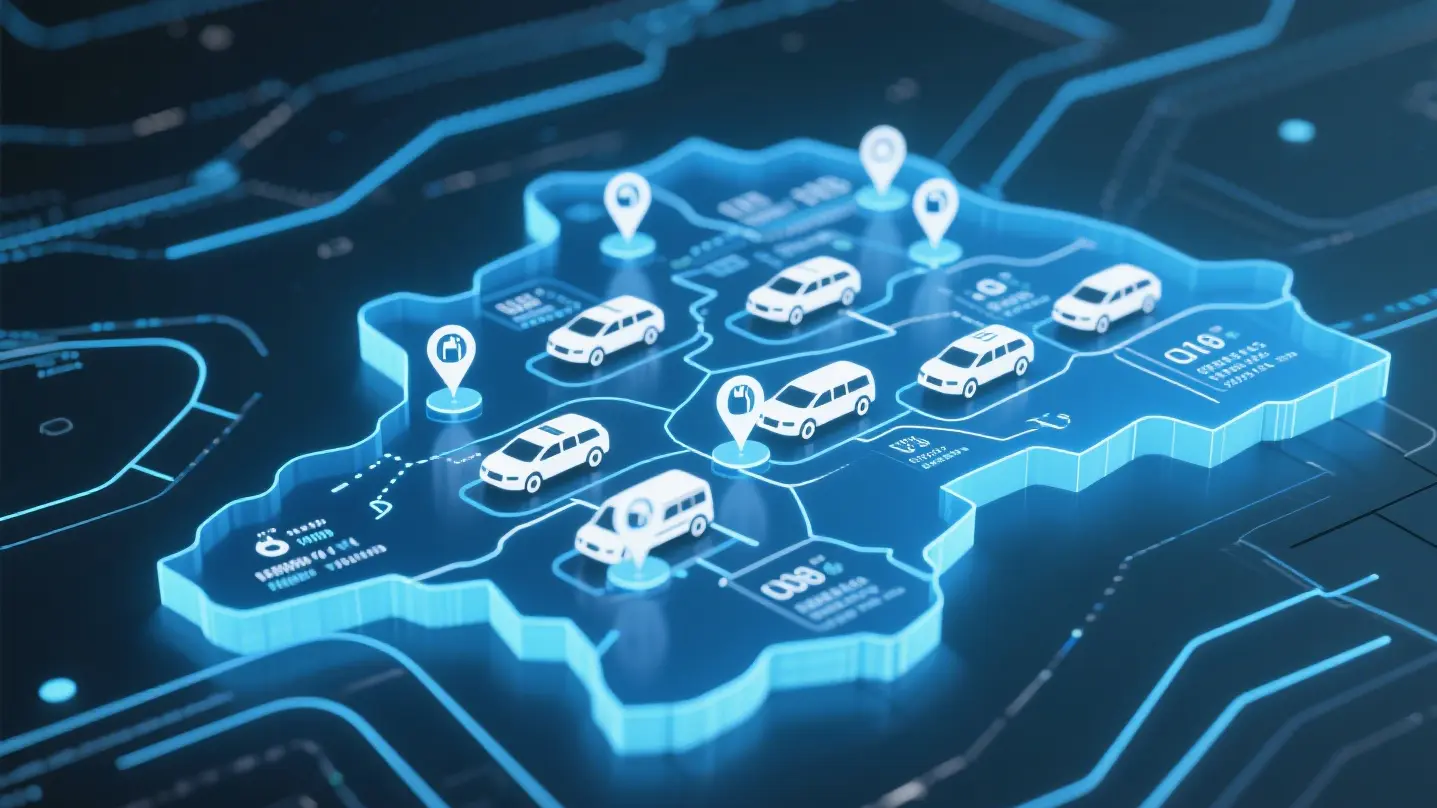
GPS fleet tracking is a technology that utilizes the global positioning satellite system to track the real-time location, status, and driving data of vehicles through electronic navigation devices installed on them. The GPS tracking devices transmit location, movement, and vehicle data to a centralized cloud platform. This provides fleet managers with comprehensive operational visibility, enabling them to make smarter decisions and achieve better control.
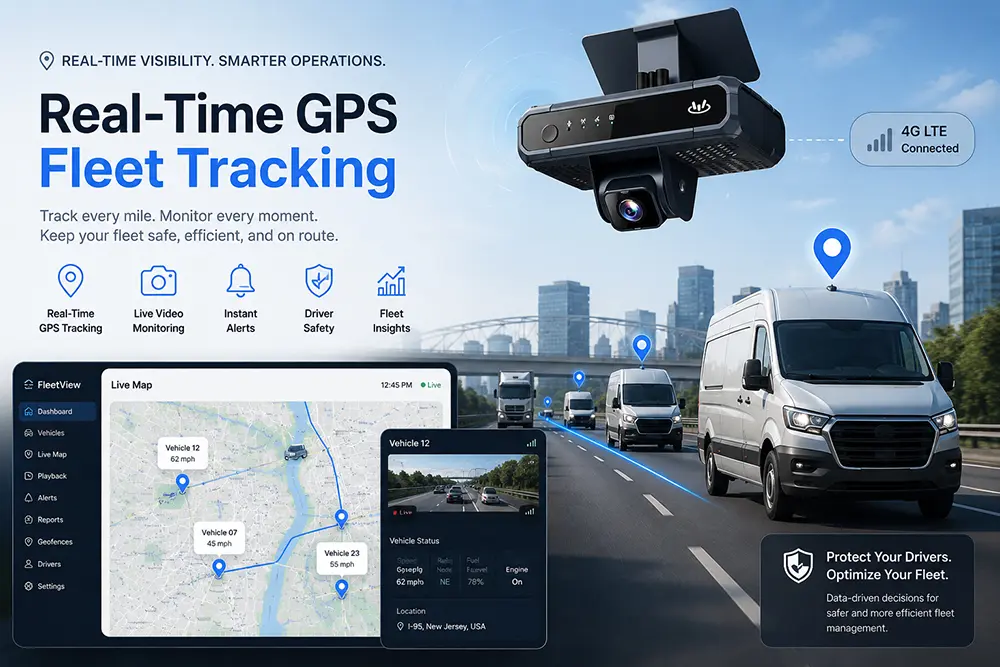
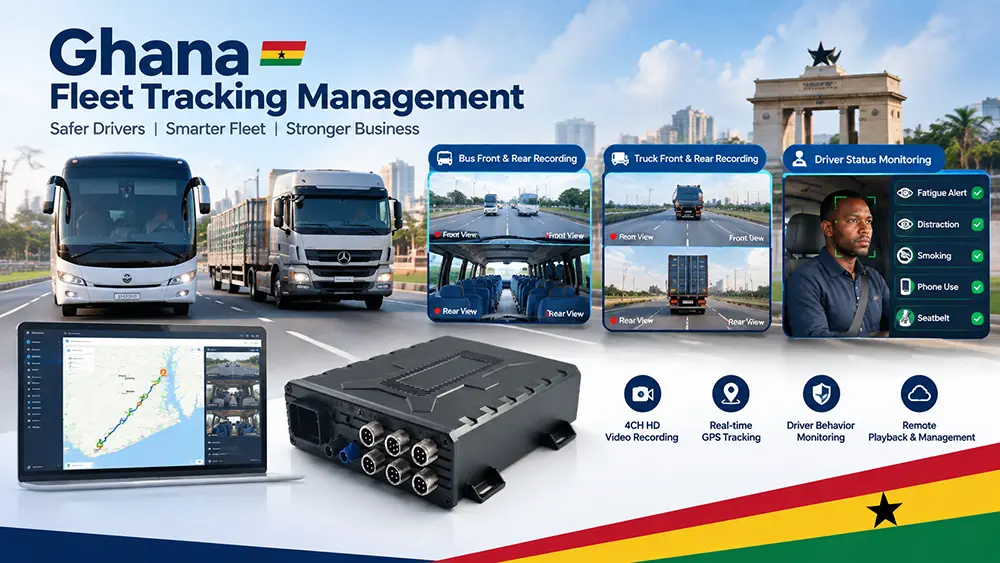
In short, a fleet tracking system allows businesses to monitor vehicle locations in real-time, optimize routes, reduce fuel consumption, enhance driver safety, and elevate customer satisfaction to new heights. Regardless of your fleet size, this technology can bring significant benefits to numerous industries such as logistics, transportation, and delivery.
Core Features of Real-Time GPS Tracking
Types of GPS Tracking Devices
1.Plug-and-Play
Plugs directly into the vehicle's OBD-II port without the need for wiring, taking only seconds to install. Ideal for quick deployment in light-duty trucks, passenger cars, and small fleets.
2.Hardwired
Permanently connected to the vehicle's power system, offering the advantages of being tamper-proof and providing uninterrupted power. Suitable for scenarios requiring long-term, stable deployment, such as Class 7 and Class 8 heavy-duty trucks, contractor fleets, and utility operations. YUWEI recommends hardwired devices as the primary choice for commercial trucks.
3.Battery-Powered
Equipped with built-in, long-lasting batteries, requiring no external power source. Suitable for tracking non-powered assets like trailers, generators, containers, and dumpsters.
4.4G/3G Connected
Supports mobile network communication, allowing real-time data transmission nationwide or even internationally (e.g., European roaming). YUWEI provides GPS real-time tracking devices in both 4G and 3G formats.
Dash Cam and Video Safety Integration
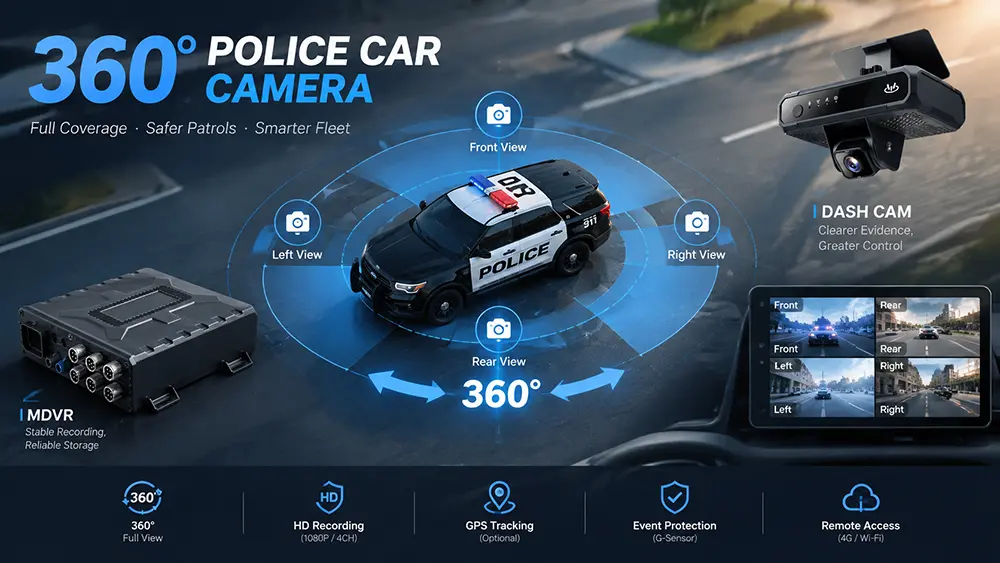
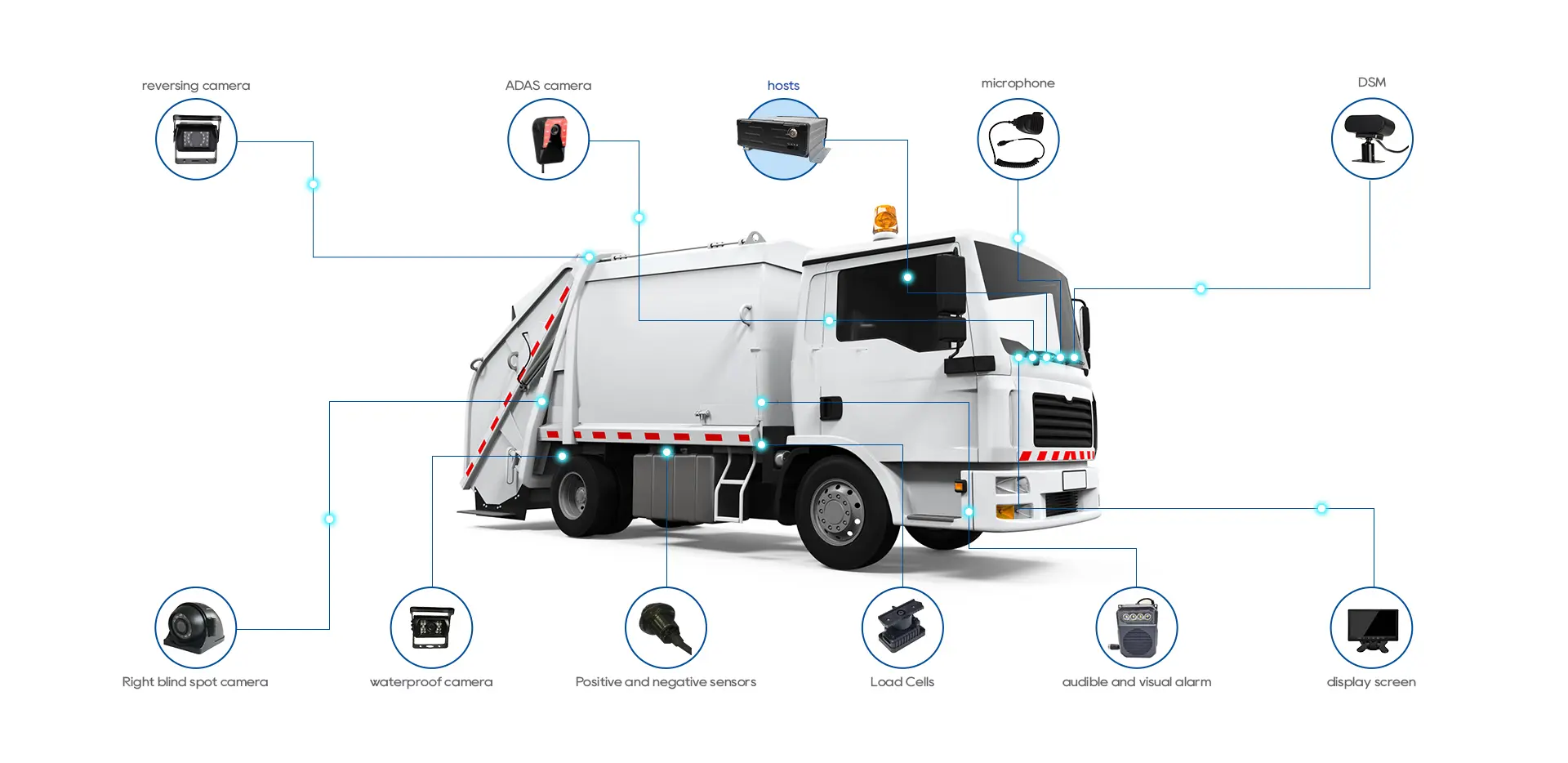
Modern fleet safety management has evolved from simple GPS tracking to an integrated solution combining video and GPS. The deep integration of dash cams and GPS tracking provides commercial fleets with unprecedented visibility and safety assurance.
A.Core Features
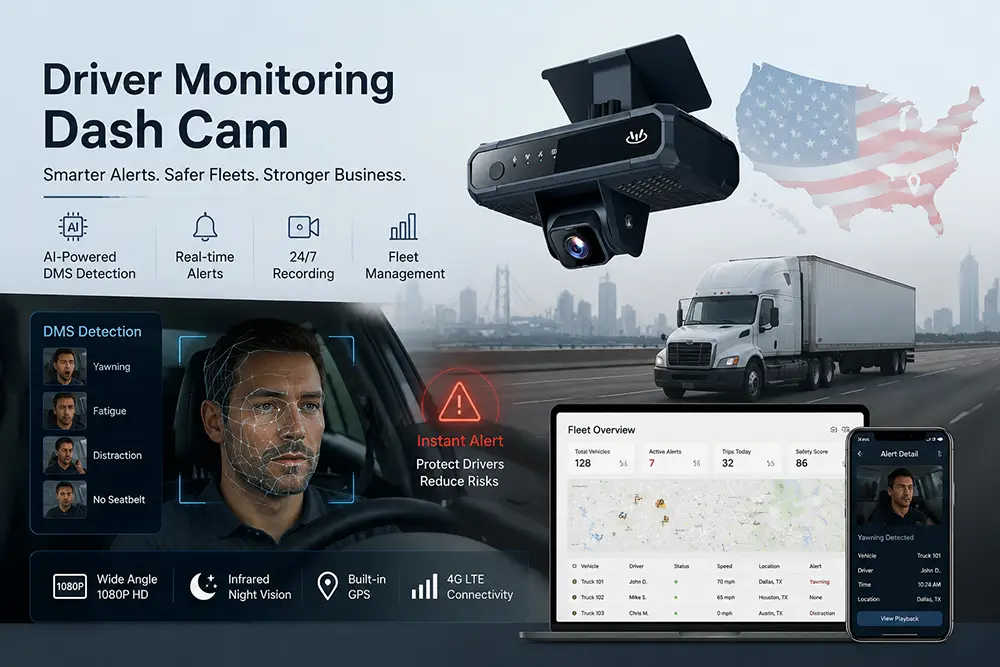
1.High-Definition Recording: Dual-lens recording with a 1080P front-facing camera and a 720P-1080P driver-facing camera, featuring a 140°-150° wide angle to cover blind spots.
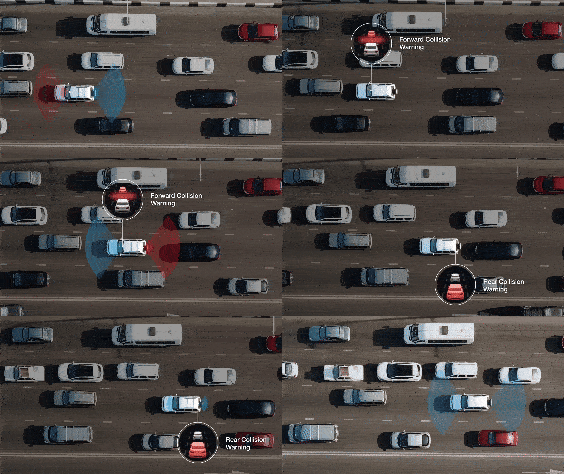
2.AI Smart Detection: Advanced Driver Assistance Systems (ADAS) (lane departure warning, forward collision warning) + Driver Monitoring Systems (DMS) (fatigue detection, distraction recognition).
3.Real-Time Video Streaming: Built-in 4G/Wi-Fi supports real-time video transmission and cloud storage, allowing management personnel to access footage remotely.
4.Event-Triggered Recording: G-sensors detect events like rapid acceleration and harsh braking, automatically saving video clips from before and after the event.
5.Two-Way Audio: Supports in-cabin two-way communication for convenient remote command and emergency contact.
6.Infrared Night Vision: Infrared LEDs ensure clear imaging day and night, providing 24/7 protection.
B.Video Data Management
1.Recording Activation: Powered by the vehicle's battery, recording only starts when the engine is on and the vehicle is in motion, avoiding unnecessary power drain.
2.Event Capture: AI sensors continuously monitor driving behavior, infrared LEDs ensure clear image quality day and night, and wide-angle lenses cover blind spots.
3.Cloud Storage: Trip footage and alert data are automatically uploaded to the cloud, supporting H.264/H.265 compression technology, with optional 1TB TF card local storage available.
4.Monitoring and Management: Fleet managers can receive notifications, view, and download HD videos through a unified management platform, and analyze them in conjunction with synchronized GPS data.
C.Commercial Value of Dash Cams
YUWEI V-series AI dash cams have been proven to significantly reduce collisions and critical safety alerts. Real-world cases show that after deployment, businesses can achieve over $100,000 in annual insurance savings and substantially reduce fraudulent insurance claims.
How the System Works
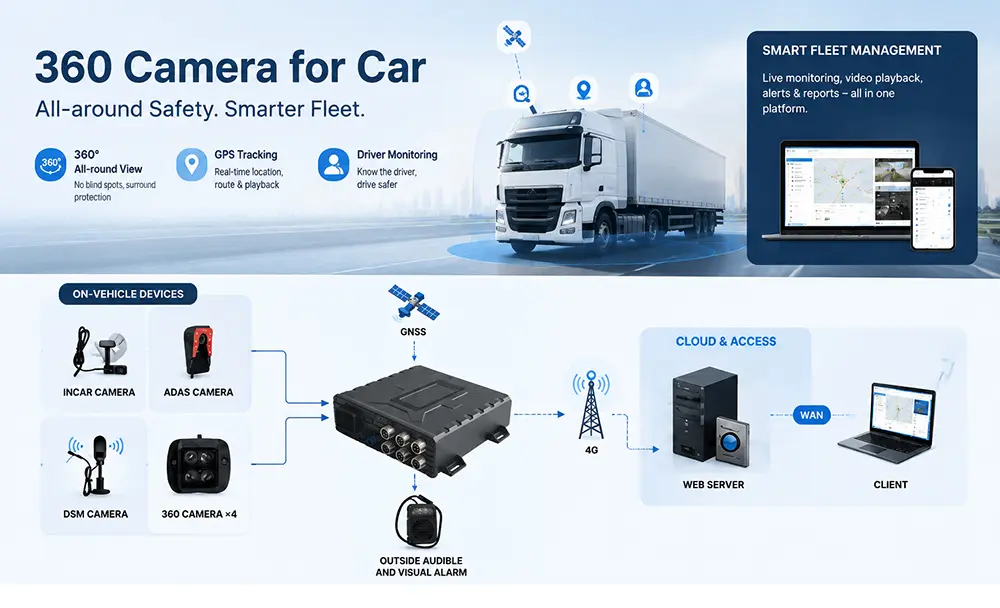
1.Data Collection Layer
GPS tracking devices are installed inside the vehicle. By combining GPS/BDS dual-satellite positioning, acceleration sensors, and OBD engine diagnostic interfaces, they continuously collect multi-dimensional data such as location, speed, engine status, fuel consumption, and fault codes.
2.Communication Transmission Layer
The devices transmit encrypted data in real-time to the cloud platform via the 4G LTE mobile network (with some supporting 3G backup). When the vehicle is out of network coverage, the device stores data locally and automatically uploads it once the connection is restored, ensuring zero data loss.
3.Cloud Platform Processing Layer
Cloud servers receive and process massive amounts of vehicle data, executing tasks such as geofence evaluation, abnormal behavior detection, route optimization algorithms, and report generation. The platform supports integration with third-party systems, such as ELD (Electronic Logging Devices), PTO (Power Take-Off) monitoring, and remote vehicle locking expansions.
4.User Access Layer
Management personnel access real-time data via a Web dashboard or mobile App. The system supports multi-user permission management, custom reports, and Email/SMS alert push notifications. Public API interfaces allow for integration with a company's existing ERP and dispatch systems.
Whether you are managing 5 service vans or 500 long-haul trucks, choosing the right GPS tracking and video safety solution will bring measurable returns to your business: lower fuel costs, fewer accidents, higher customer satisfaction, and stronger market competitiveness.