










Vehicle Blind Spot Detection System
Vehicle Blind Spot Detection Systems
The BSD system plays a crucial role in enhancing driving safety by leveraging sensor technology to address blind spot issues and alert drivers in a timely manner.
1. What is BSD?
Blind Spot Detection (BSD) systems are important tools for improving driver awareness and preventing accidents. Using advanced sensors and cameras, these systems can monitor blind spots and issue visual or auditory warnings when other vehicles are nearby.
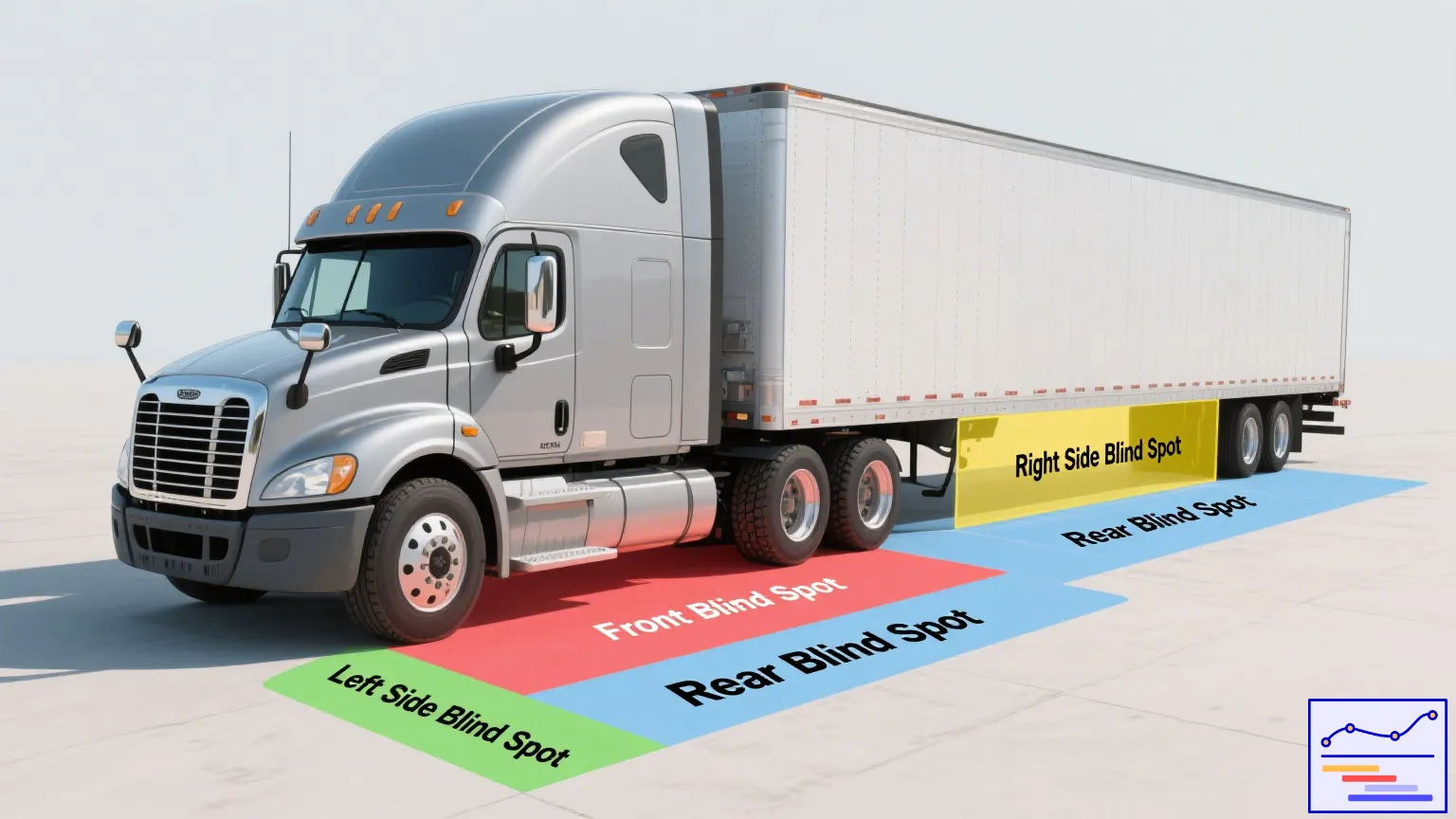
The primary goal of a BSD system is to ensure that drivers have a complete view of their surrounding environment, even in areas that are typically difficult to see. Blind spots refer to the areas around a vehicle that cannot be directly observed via the driver's rearview mirrors, posing significant dangers on the road. However, with the assistance of a BSD system, drivers can receive timely warnings of potential hazards within these blind spots, which helps improve safety and reduce the risk of accidents.
How Does BSD Work?
When a BSD system detects another vehicle approaching from behind or alongside the car, it triggers a warning mechanism, such as flashing lights or audio signals. These warnings remind drivers to exercise caution before performing any maneuvers.
During lane changes or merges, drivers often rely solely on side-view mirrors. However, due to the existence of blind spots, these mirrors cannot always provide a comprehensive view of adjacent lanes or approaching vehicles. BSD systems continuously monitor these blind spots through sensors and cameras installed on the vehicle.
By utilizing various technologies such as radar and ultrasonic sensors, BSD systems can accurately detect objects near the car. The on-board computer then processes this information to determine if any potential hazards exist. If a hazard is detected, it immediately notifies the driver via visual cues on the side-view mirrors or audio warnings inside the cabin, ensuring the user's safety.
In addition to monitoring blind spots during lane changes and merges, some advanced BSD systems also offer cross-traffic alert functionality. This feature is particularly useful when reversing from a parking space or driveway, as it can detect vehicles approaching from the sides and issue a warning.
In summary, the BSD system plays a vital role in improving driving safety by using sensors and cameras to address blind spot problems and alert drivers promptly.
How is BSD Implemented?
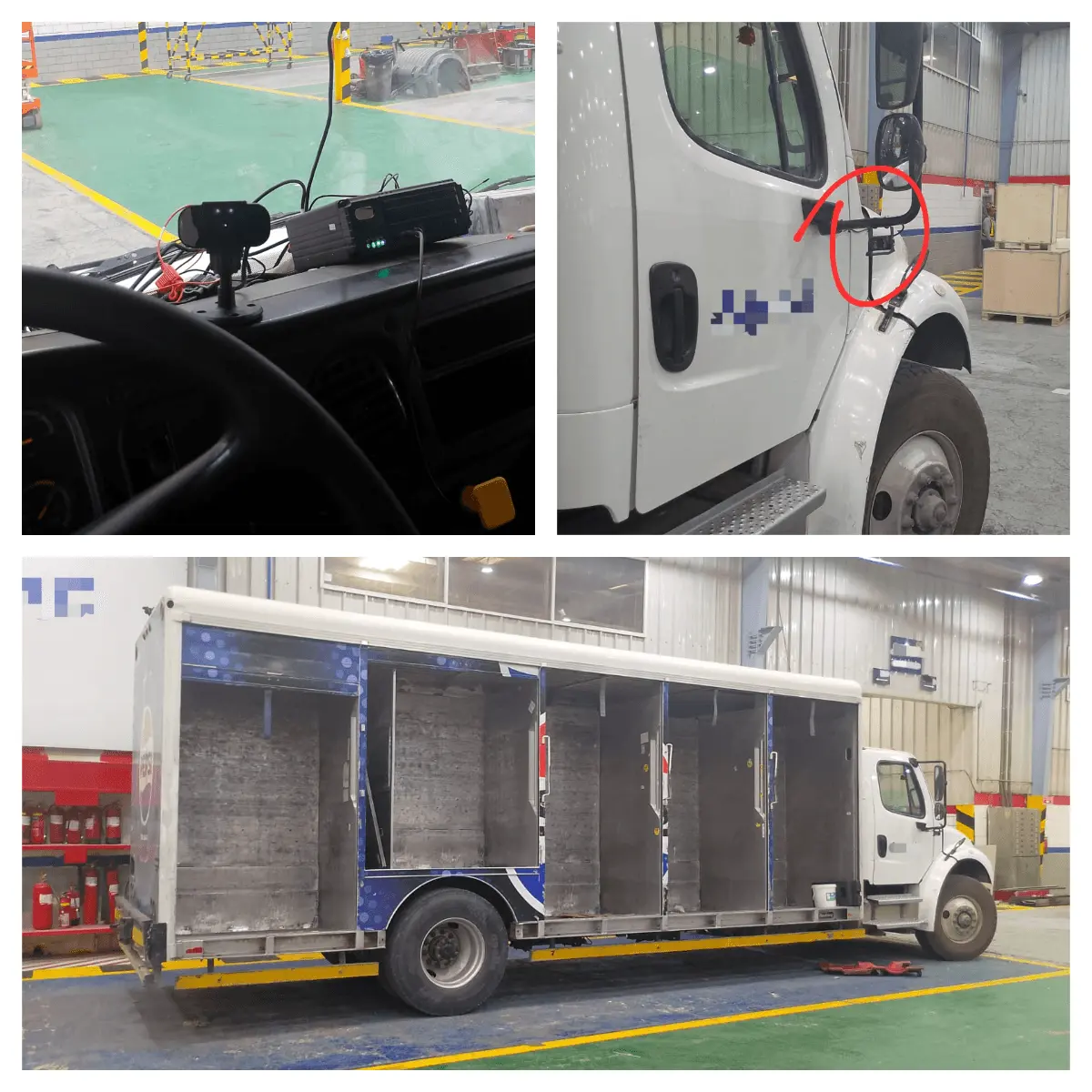
Blind spot detection can be implemented using ultrasonic sensors or corner radar sensors. This function uses sensors to cover dangerous blind spots. If another vehicle is present in the monitored area, the driver is alerted to potential hazards via a warning symbol on the side mirror. If the driver fails to notice or ignores this warning and activates the turn signal to change lanes, the system will trigger an additional warning. The system can identify stationary objects on or beside the road, such as guardrails, masts, or parked vehicles, as well as the driver's own overtaking maneuvers, and will not trigger a warning in such cases.
Currently, the mainstream blind spot detection function (BSD) is implemented through two corner radar sensors hidden inside the rear bumper, one on the left and one on the right. These two sensors can monitor the areas beside and behind the vehicle. Powerful control software collates the sensor information to create a complete image of all traffic conditions in the area behind the vehicle. The detection range of rear corner radar sensors exceeds that of ultrasonic sensors. Compared with ultrasonic-based systems, even fast-approaching vehicles can be detected at an early stage before lane changes.
Advantages of BSD Systems
① Improved Safety: BSD systems help reduce the risk of accidents by alerting drivers to vehicles in blind spots. This advanced warning function gives drivers more time to react and change lanes more safely, thereby lowering the likelihood of collisions.
② Enhanced Driver Awareness: By continuously monitoring the surrounding environment, BSD systems improve drivers' perception of nearby vehicles. This increased awareness boosts overall driving confidence and encourages safer driving habits.
③ Accident Prevention: BSD systems are regarded as essential safety features in modern vehicles and play a critical role in preventing accidents. By improving lane change safety and monitoring the rear three-quarter areas, these systems make a significant contribution to overall road safety.
Conclusion
BSD systems monitor blind spots and improve driving safety. They use radar, camera, and ultrasonic technologies for detection. Drivers are notified of vehicles in blind spots via visual and auditory alerts. BSD systems play a vital role in preventing accidents and enhancing road safety.
Email:hello@yuweitek.com