









Police in car video Camera Systems
Police in car video Camera Systems
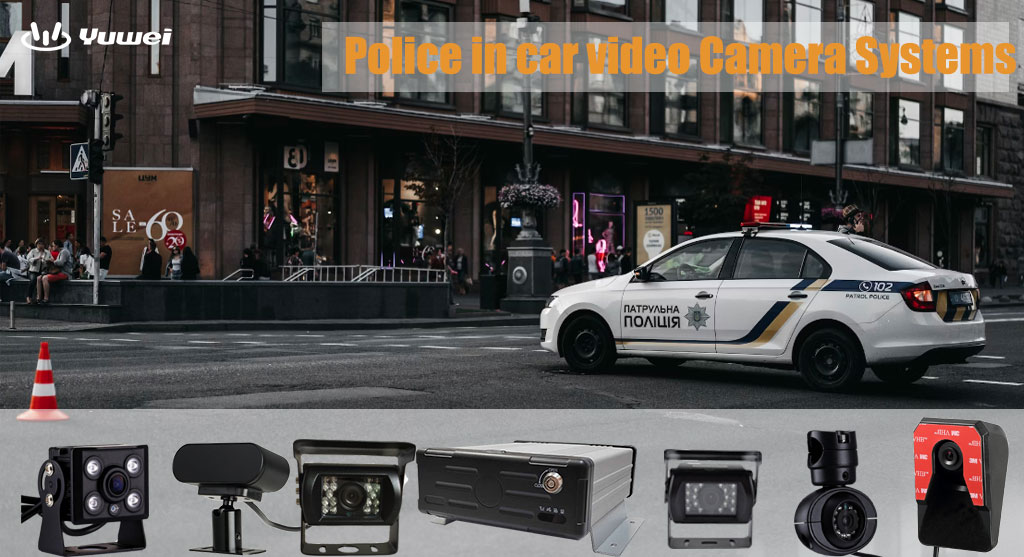
By using police in-car video camera systems, 82% of drunk driving offenders do not defend themselves, saving the department time and money and avoiding court appearances. Additionally, 93% of complaints are against police officers using in-car video camera systems, but these officers are ultimately proven innocent. Police car cameras help prove probable cause for searches and seizures. Criminals are less likely to attack police or display hostile behavior towards the in-car cameras, resulting in a reduction in violence against police. Officer courtesy is improved, thereby enhancing community relations. The use of YUWEI in-car camera monitoring systems captures accident scenes, providing irrefutable evidence in court.
Email:hello@yuweitek.com
Common issues with law enforcement vehicles include lack of evidence for probable cause of searches and seizures, lack of defense for drunk driving offenders, unverified charges, average compliance with department procedures leading to increased police efficiency, and abuse of power by law enforcement officers.
Key considerations for police car dashcam solutions include:
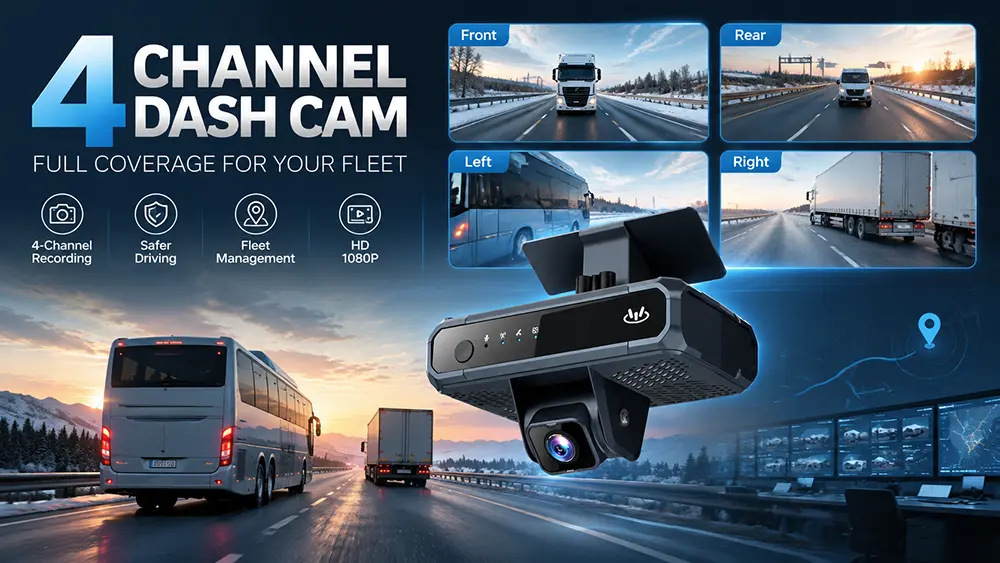
1. Different vehicle safety electronic configurations: Dashcams come in various configurations, including front-facing cameras and dual-facing cameras. Dual-facing cameras can simultaneously capture video of the road and inside the police vehicle.
2. Video retrieval: Some dashcam systems allow for the retrieval of additional video clips based on date, time, or location to assist in investigations and obtain additional video evidence.
3. High-definition video resolution: Dashcams should have a resolution of 720P/1080P to ensure clear recording of the road ahead and identification of license plate numbers.
4. Field of view: Choose dashcams with wide-angle or semi-wide-angle lenses to capture a broader field of view.
5. Night vision capabilities: Optimized dashcams can capture footage during nighttime or low-light conditions, especially crucial for dual-facing cameras in patrol cars without lighting.
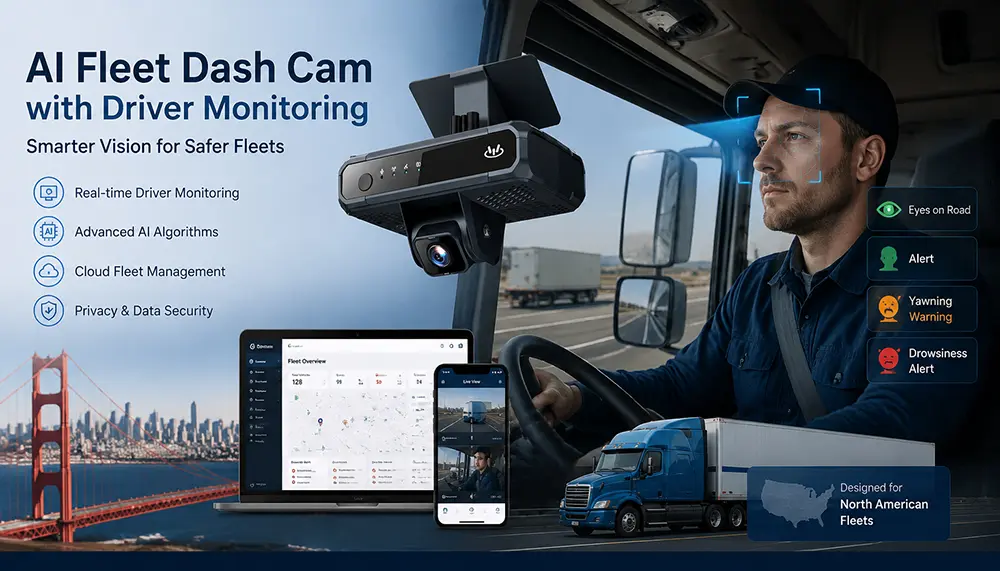
6. Real-time streaming: Some dashcam systems offer real-time streaming capabilities, allowing for the transmission of live video and audio to secure cloud-based dashboards to aid law enforcement agencies in monitoring and handling incidents.
7. Audio speaker and recording: Certain dashcams include built-in speakers that can play verbal and/or audio alerts when unsafe driving behavior is detected, along with support for audio recording.
8. Real-time GPS tracking: Connected to a GPS tracking device, dashcams can provide location data, enriching video evidence and helping to accurately pinpoint the location of recorded videos.
Law enforcement vehicle safety solutions also include camera surveillance systems and radar obstacle detection. Camera surveillance systems eliminate blind spots, prevent collisions, and monitor specific vehicle functions. Radar obstacle detection helps drivers assess distances to obstacles through auditory and visual warnings, enhancing safety during low-speed maneuvers, reversing, or approaching blind spots.
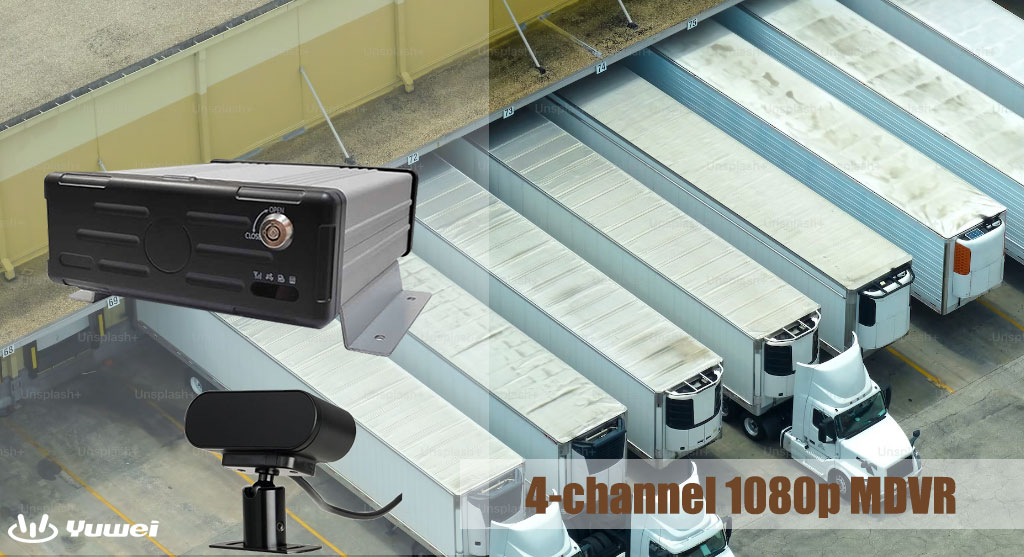
Additionally, mobile digital video recorders can simultaneously record footage from multiple in-car cameras, providing indisputable evidence of accidents and facilitating easy access and data uploading.
By adopting the aforementioned police in-car video camera systems and related solutions, police vehicle safety can be enhanced, community relations improved, and robust support provided for law enforcement work.
hnweb_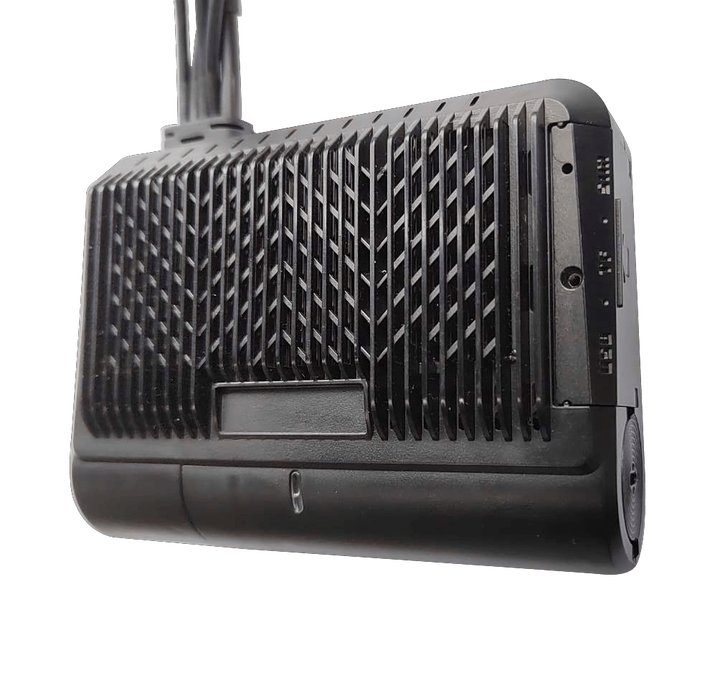
Fleet Dash Cam with GPS
The Intelligent Video Telematics V5 is a feature-rich 4G Dash Camera designed forthe video surveillance industry..
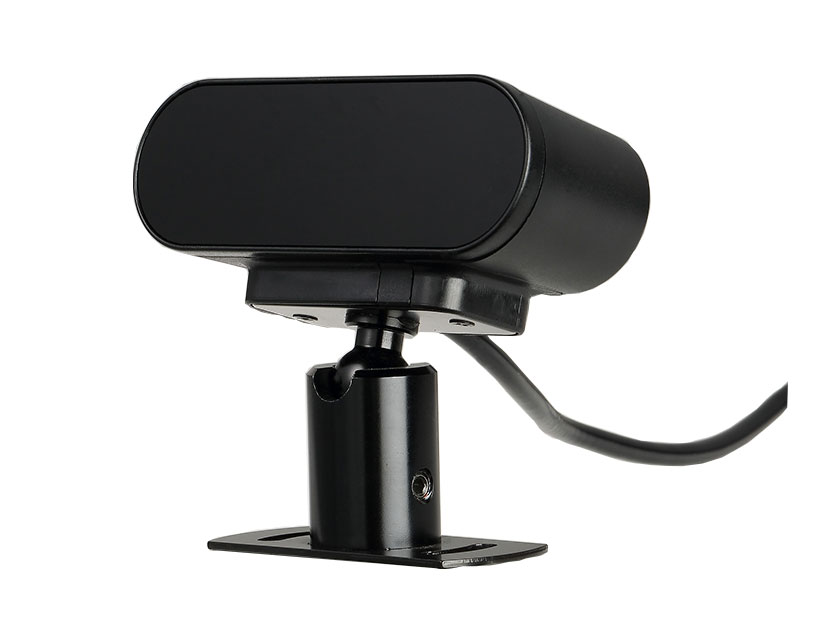
DSM HD camera 720P
This is a specially designed 720P HD camera specifically for car-mounted DSM applications..
hnweb_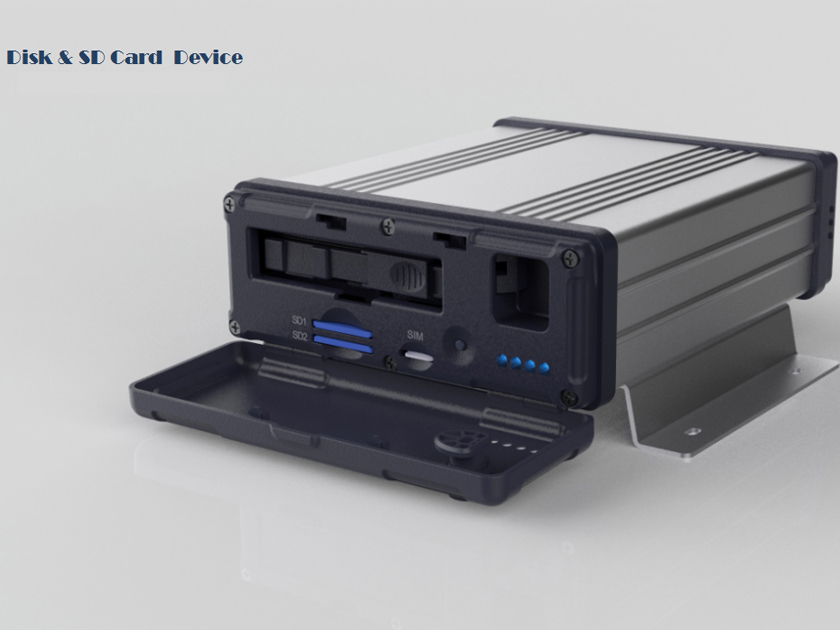
Car Mobile DVR
F4, a cutting-edge high-definition intelligent Al mobile DVR. Built with an industri-al-grade core high-speed processing chip,.
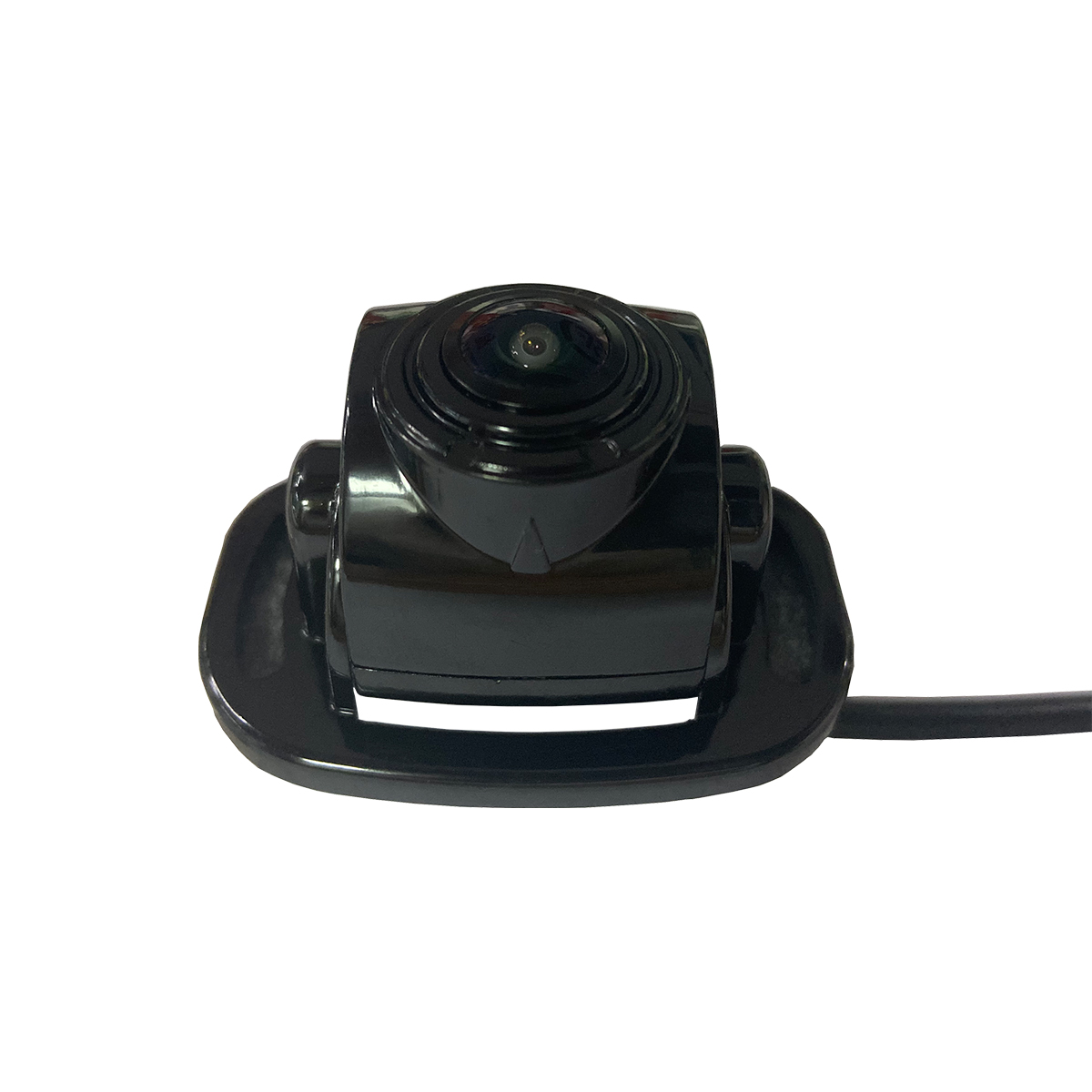
360 Camera for Car
The car 360-degree panoramic image system is a technology that captures the surrounding environment of the vehicle through multiple cameras.
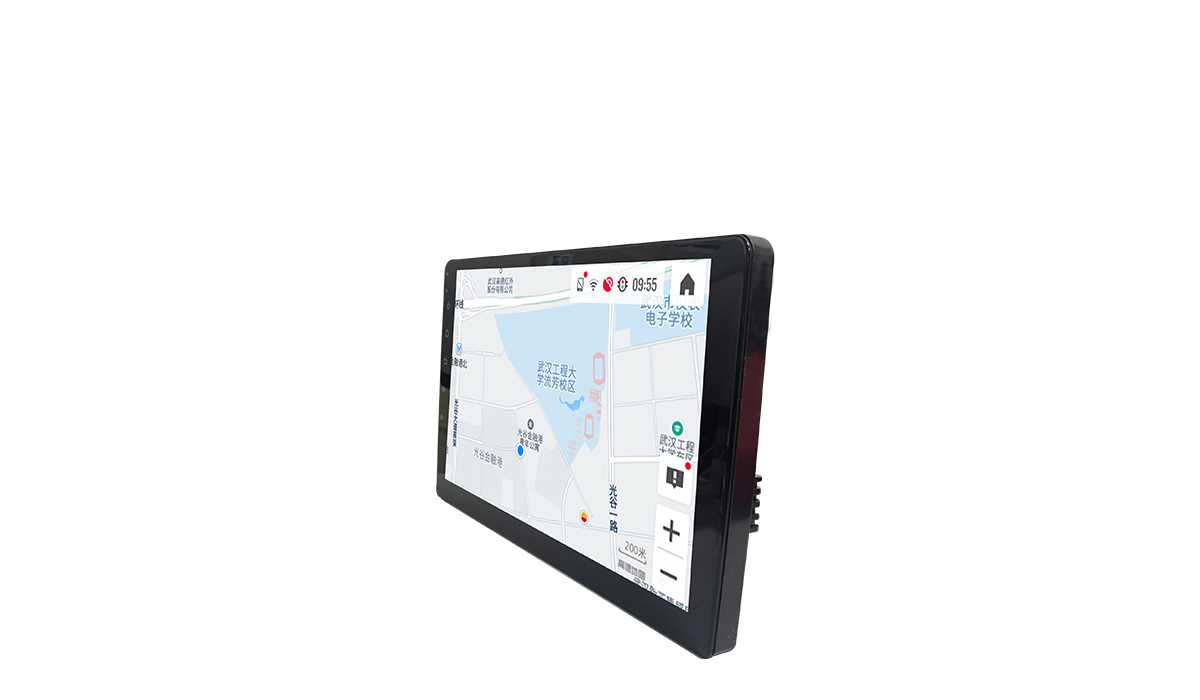
Car Multimedia System
T7 is a Car Multimedia System based on the Qualcomm platform, integrating in-car and external video surveillance as well as audio and video entertainment.
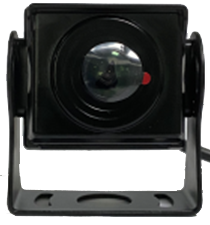
Front blind spot HD BSD camera
The Front blind spot HD BSD camera is a camera mainly used to monitor the blind spot on the right side of the vehicle.
Front blind spot HD BSD camera
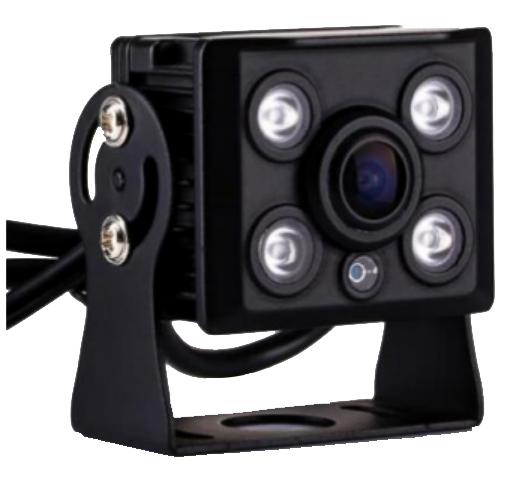
HD BSD camera Right blind spot
The BSD camera is a camera mainly used to monitor the blind spot on the right side of the vehicle. It can transmit real-time images to the algorithm host,