













Argentina Truck Camera System
Argentina Truck Tracking Management
In Argentina, the commercial truck and road transportation market is recovering and growing. Public statistics show that registrations of commercial vehicles over 6 tons in Argentina reached approximately 21,132 units in 2025, representing a year-on-year increase of 43.4%; heavy-duty vehicle registrations stood at around 14,732 units in 2024, up 4.0% from 2023. Meanwhile, the scale of Argentina’s commercial vehicle market is projected to grow from roughly USD 6 billion in 2025 to about USD 8 billion by 2034, with a compound annual growth rate (CAGR) of approximately 3.05%. Following this conservative growth trajectory, logistics, cold chain, port, mining, agricultural product transport and urban delivery fleets across Argentina will continue to expand in the coming years, driving a simultaneous rise in demand for truck camera systems, GPS tracking management and telematics platforms.
Why Argentine Fleets Need Truck Camera Systems
Traditional GPS can only inform managers of where vehicles are located, yet it cannot illustrate how vehicles are being driven.
Examples of unaddressed questions include:
• Are drivers suffering from fatigue while driving?
• Are there distracted driving behaviors such as smoking or making phone calls?
• Do vehicles frequently experience hard braking, speeding or lane departure?
• Do blind spot hazards exist during turning, reversing and lane changing?
• How can liability be quickly determined after traffic accidents?
Video footage, AI recognition and remote data are required to support fleet management for all the above issues. Therefore, modern truck camera systems are no longer merely recording devices, but intelligent fleet management platforms integrating video surveillance, active safety, remote dispatching and operational analytics.
Components of Argentina’s Truck Camera Systems
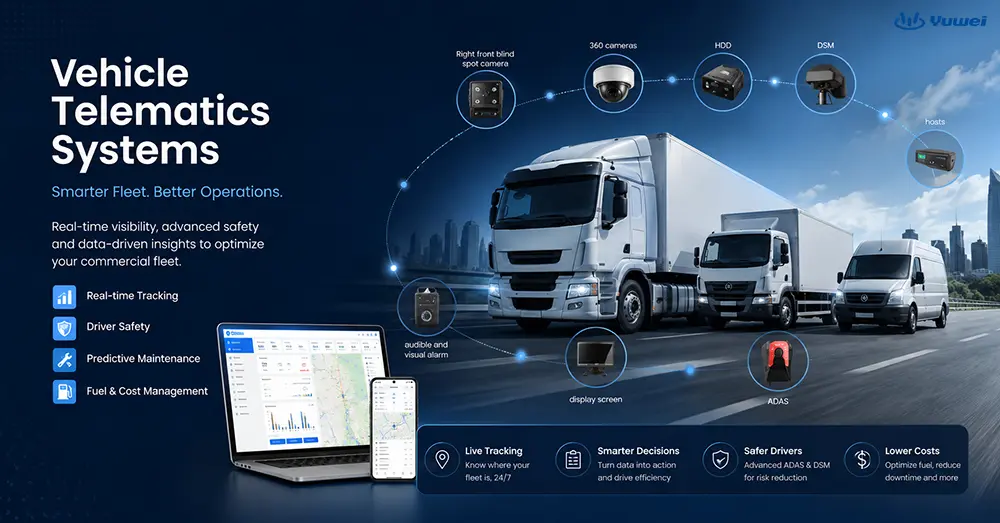
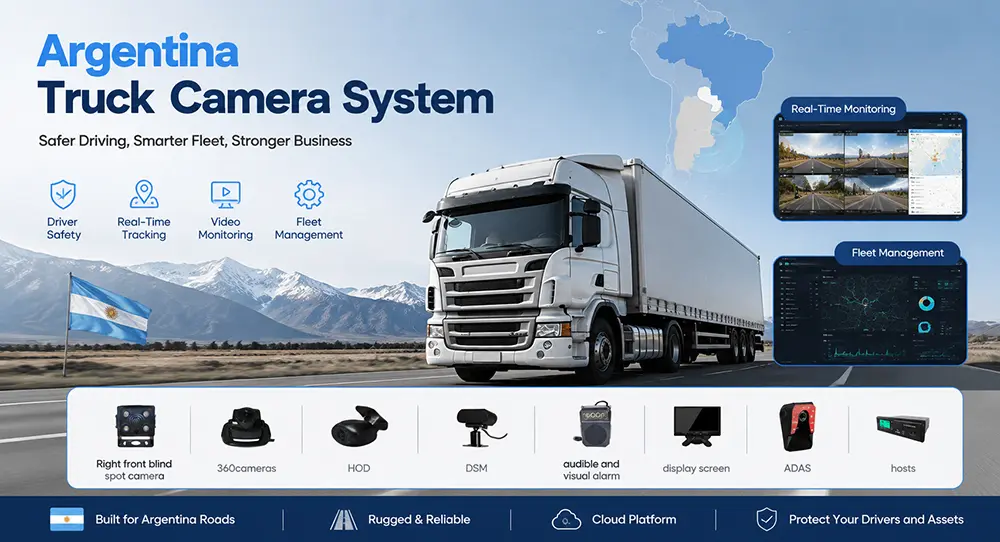
A complete truck camera system generally consists of an on-board main unit, dashcams, interior and exterior vehicle cameras, AI safety cameras, display screens, audible and visual alarms, and a cloud platform. Enterprises can flexibly configure devices based on vehicle types and operation scenarios.
1. Fleet Dash Cam: Vehicle Fleet Dash Recorder
Fleet Dash Cams are designed for forward road monitoring, driving process recording and remote video access. They support high-definition video recording, 4G cellular transmission, GPS/BDS positioning and multi-channel camera expansion.
For Argentine logistics fleets, the core values of dashcams are as follows:
• Capture evidence for accidents and transport disputes;
• Remotely monitor real-time vehicle operation status;
• Identify dangerous driving behaviors with AI algorithms;
• Shift corporate management from post-incident accountability to pre-incident early warning.
2. MDVR: Mobile Digital Video Recorder for Vehicles
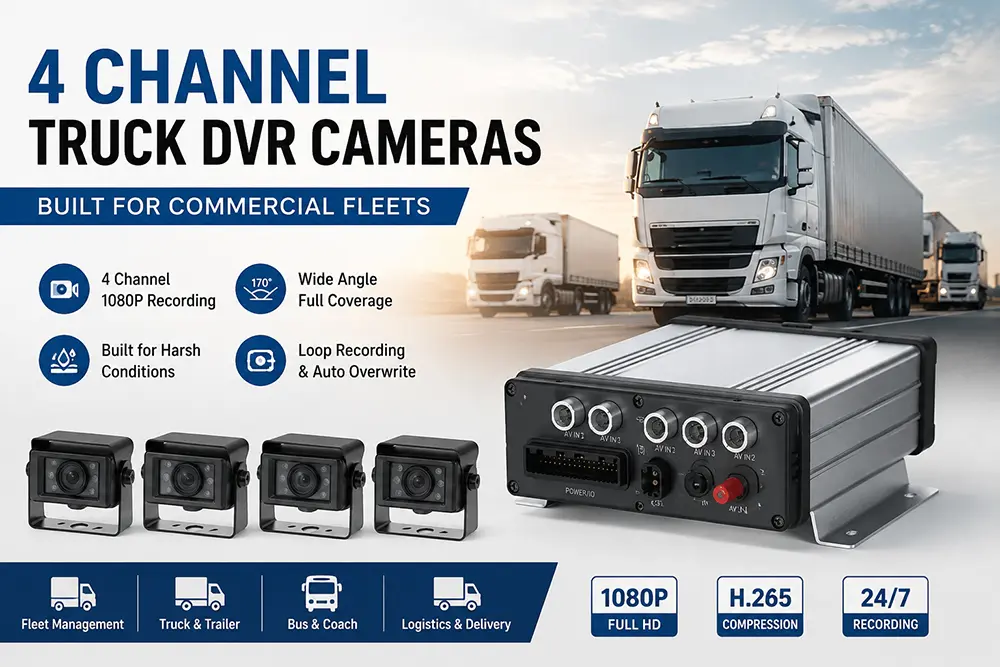
The MDVR serves as the core hardware of multi-camera truck monitoring systems, suitable for heavy trucks, semi-trailers, box trucks, refrigerated vehicles, mining vehicles and engineering transport vehicles.
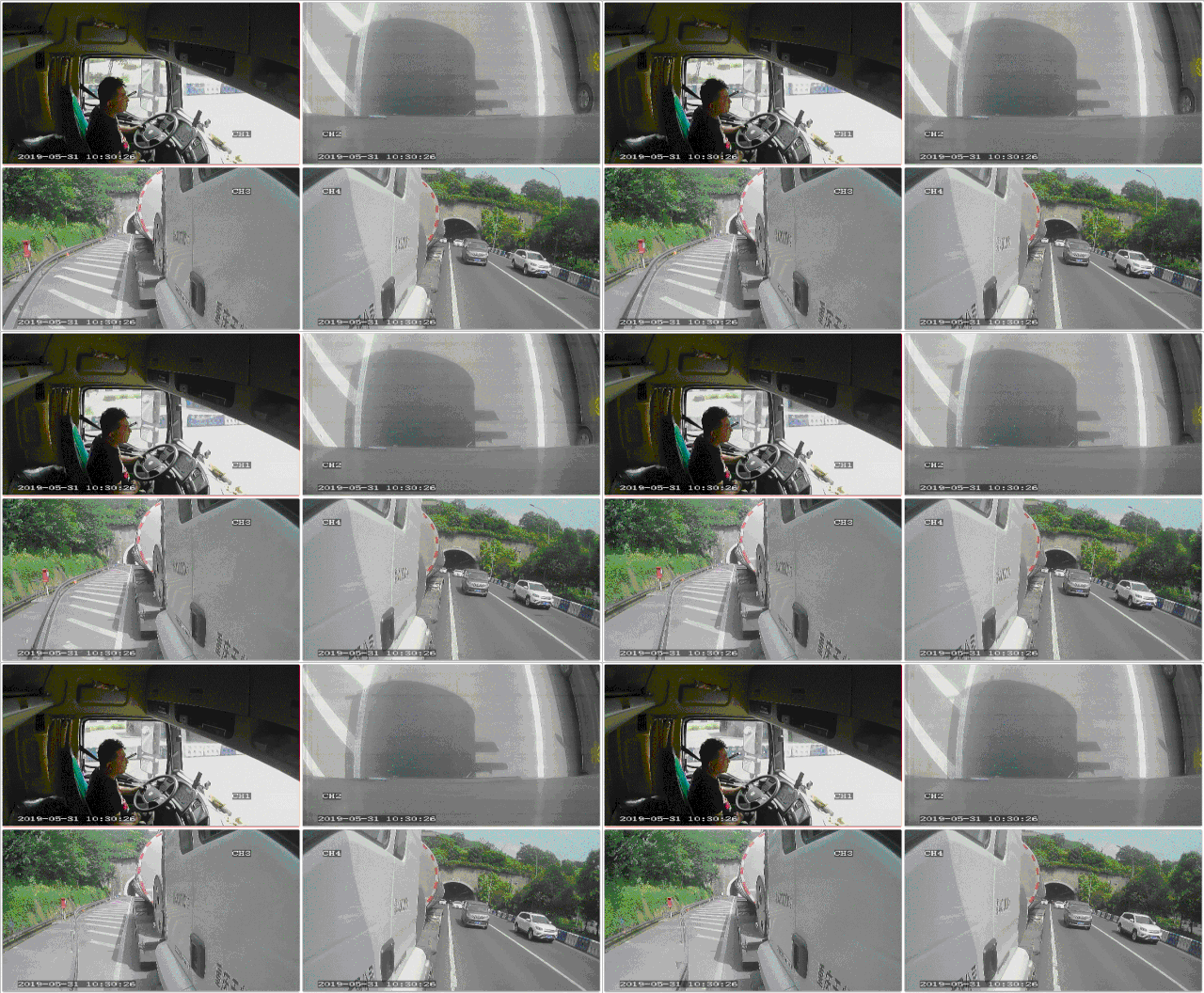
It can connect multiple cameras including forward-view, rear-view, side-view, cabin and blind-spot cameras, while supporting local video storage, remote data upload, vehicle positioning, alarm triggering and back-office management.
Compared with ordinary single-channel dashcams, MDVRs excel at multi-channel video management. For fleets requiring simultaneous monitoring of driver cabins, cargo holds, vehicle sides and rears, MDVRs deliver a comprehensive video evidence chain.
3. ADAS Cameras: Active Safety Early Warning
ADAS cameras identify road hazards ahead, including:
• Lane departure;
• Forward collision risks;
• Insufficient following distance;
• Potential pedestrian collisions.
The system will promptly alert drivers to take corrective actions upon detecting hazardous conditions.
For long-distance haulage, highway travel and night driving operations in Argentina, ADAS effectively reduces rear-end collisions, unintended lane drift and forward impact risks.
4. DSM Cameras: Driver Status Monitoring
DSM cameras are installed inside vehicle cabins to detect driver fatigue, distraction, smoking, phone calls and other unsafe behaviors.
When abnormal driving conditions are detected, the system sends reminders to both drivers and management staff via voice prompts, buzzers or back-office alarms.
For fleet operators, DSM technology is not limited to driver supervision; it underpins standardized safe driving management frameworks. Enterprises can conduct targeted training and corrective interventions for high-risk drivers based on back-office alarm records.
5. HOD Cameras: Driving Behavior Detection
HOD cameras detect hazardous acts such as hands off the steering wheel, mobile phone use while driving and unfastened seatbelts. Deployed alongside DSM and ADAS devices, they enhance the overall identification capability of driving risks.
Even brief moments of distraction can lead to severe consequences during long-distance and heavy-load transportation. HOD systems enable fleets to capture subtle driving hazards that would otherwise go unnoticed.
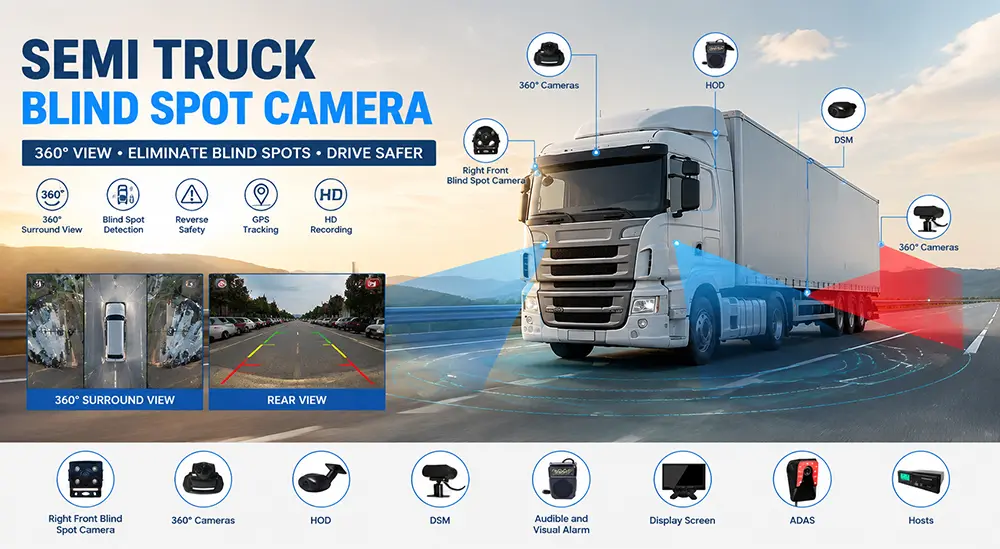
6. 360° / Multi-Channel Camera Systems: Eliminate Vehicle Blind Spots
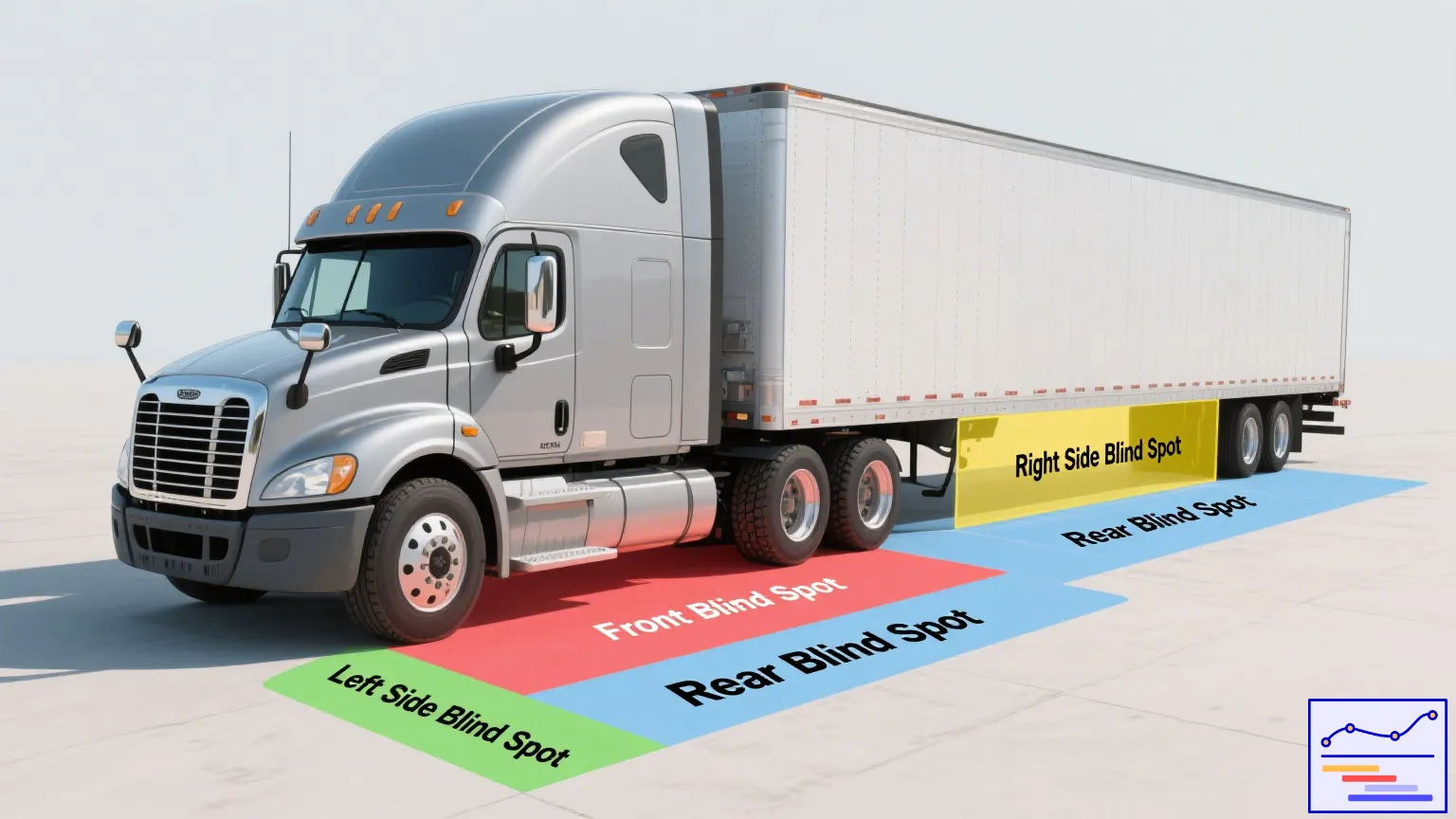
Large trucks inherently feature extensive visual blind zones, particularly on the right side, rear, lower front and turning zones.
Multi-channel forward, rear, left and right cameras create a full panoramic view around vehicles, lowering blind-spot accidents during reversing, turning, lane changes and low-speed travel.
360-degree surround-view or multi-channel blind-spot camera systems deliver exceptional practical value for urban delivery, port transport, mine road and construction site vehicles.
7. On-Board Display Screens: Real-Time View of Critical Visual Feeds
Mounted inside driver cabins, on-board display screens stream real-time footage from rear, side and blind-spot cameras.
When vehicles reverse, turn right, change lanes or enter complex road segments, drivers can reference the screen to observe high-risk areas and mitigate hazards associated with relying solely on side mirrors.
When integrated with blind-spot cameras, reversing cameras and ADAS/DSM alarm functions, display screens form a closed-loop safety system with visual visibility, audible alerts and traceable records.
8. Audible & Visual Alarms: Alert Drivers and Pedestrians
Audible and visual alarm devices are typically mounted externally on vehicles for scenarios including reversing, turning and pedestrian proximity to blind zones.
Upon detecting nearby hazards, the system triggers sounds, voice announcements and flashing lights to warn drivers and surrounding personnel.
For heavy trucks, garbage trucks, engineering vehicles, refrigerated trucks and container haulers, audible and visual alarms strengthen external warning capabilities and reduce low-speed collisions and reversing accidents.
9. Waterproof Reversing & Blind-Spot Cameras
Waterproof reversing cameras are installed at vehicle rears to support reversing and rear-area monitoring. Blind-spot cameras can be fitted to vehicle sides or front sections to monitor right-side blind zones, lower front blind areas and turning paths.
Many transport routes across Argentina feature heavy rainfall, mud, dust and rough road conditions. Exterior vehicle cameras must therefore deliver robust waterproof, dustproof and night vision performance to maintain clear, stable footage under harsh operating environments.
How Telematics Boost Fleet Management Efficiency
The core value of truck camera systems extends far beyond video recording: they unify video streams, positioning data, alarm logs and vehicle operational metrics within a single integrated platform.
Back-office administrators can remotely access vehicle locations, travel trajectories, live video feeds, alarm events, driver status, mileage data and operational reports.
1. Real-Time Positioning & Route Tracking
The system captures vehicle coordinates via GPS/BDS and transmits data to the cloud back-office over 4G cellular networks.
Managers can instantly verify whether vehicles follow designated routes, identify unauthorized detours, excessive idle parking or entry into restricted zones. This function improves dispatching efficiency and cargo security for cross-regional and high-value freight transport.
2. Live Video Streaming & Historical Playback
Through on-board cameras and MDVR hardware, enterprises can remotely view live vehicle footage and retrieve archived video recordings for accident investigations, customer complaints, cargo damage claims and insurance settlements.
Video evidence provides far more objective, efficient documentation compared to verbal driver statements alone.
3. Driving Behavior Alerts
The system identifies high-risk driving activities including fatigue driving, distracted operation, smoking, phone use, unfastened seatbelts, lane departure, insufficient following distance and pedestrian presence in blind spots.
The back-office platform aggregates statistics by vehicle, driver, timestamp and alarm category, enabling enterprises to implement standardized driver safety scoring systems.
4. Vehicle Operational Data Analytics
Telematics platforms compile aggregated data covering mileage, travel trajectories, parking durations, speeding incidents, alarm triggers and task completion records.
Enterprises leverage this data to optimize delivery routes, cut empty-load mileage, control fuel consumption, schedule routine vehicle maintenance and evaluate individual driver performance.
5. Insurance Claims & Liability Determination
In the event of traffic collisions, cargo damage disputes or abnormal transport incidents, on-board video footage serves as critical evidence to rapidly reconstruct incident scenes.
Video records reduce disputes and accelerate resolution workflows for insurance claim processing, liability allocation and internal corporate management reviews.
Typical Application Scenarios Suited for the Argentine Market
1.Long-Distance Logistics Transport
Long-haul trucks frequently face challenges including driver fatigue, speeding, unauthorized route deviation and ambiguous accident liability. Combined Dash Cam, DSM, ADAS and GPS tracking solutions enable full online vehicle supervision and standardized driver safety management.
2.Cold Chain & Food Delivery
Refrigerated transport vehicles enforce strict requirements for delivery timeliness, route adherence and cargo integrity. Positioning, video and alarm systems allow managers to quickly detect abnormal stops, route deviations and transport-related risks.
3.Port & Container Transport
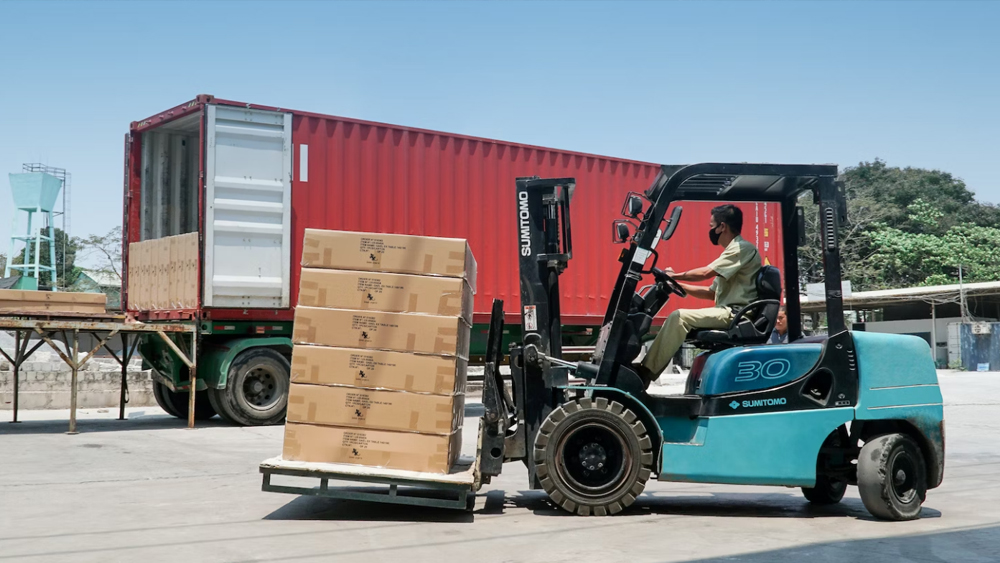
Port and container vehicles conduct frequent reversing, turning and low-speed movement within yards, resulting in elevated blind-spot hazards. 360° camera systems, right-side blind-spot cameras, reversing cameras, display screens and audible/visual alarms enhance overall yard safety.
4.Mining & Engineering Transport
Mining and construction vehicles operate in complex environments marked by heavy dust, intense vibration, steep gradients and extensive blind zones. MDVR units, multi-channel cameras and audio-visual alarm systems reduce collision, scratch and personnel injury risks.
5.Urban Delivery & Municipal Vehicles
Urban delivery trucks, waste collection vehicles, engineering machinery and special-purpose vehicles regularly operate in mixed pedestrian-vehicle zones. Blind-spot cameras, reversing cameras and external audible/visual alarms effectively warn pedestrians to avoid hazardous vehicle zones.
How Argentine Truck Companies Select Camera Systems
Fleets should customize hardware configurations based on vehicle types, operating routes and core management objectives.
Small & Medium-Sized Logistics Fleets
Recommended priority configurations:
• 4G-enabled Dash Cam;
• GPS/BDS positioning module;
• Forward and rear dual cameras;
• Remote live video access.
This setup fulfills basic vehicle tracking, video recording and remote oversight requirements.
Heavy Truck & Semi-Trailer Fleets
Recommended full configurations:
• MDVR main unit;
• Multi-channel camera array;
• DSM driver monitoring system;
• ADAS active safety warning system;
• Blind-spot detection modules;
• On-board display screen.
This solution delivers a comprehensive integrated active safety and video management ecosystem.
Port, Mining & Urban Operation Vehicles
Key mandatory configurations:
• Right-side blind-spot cameras;
• Waterproof rear reversing cameras;
• 360° surround-view camera system;
• External audible & visual alarms;
• On-board display screen.
These devices drastically lower accident risks during low-speed travel, reversing, turning and mixed pedestrian-vehicle operation.
Fleets Prioritizing Driver Supervision
Recommended core configurations:
• DSM driver status monitoring system;
• HOD driving behavior recognition cameras;
• ADAS active safety early warning;
• Cloud back-office alarm statistics platform.
From Basic Vehicle Monitoring to Intelligent Fleet Management
The value of truck camera systems deployed in Argentina has transcended simple post-accident video review.
A truly high-performance integrated system covers the complete operational workflow below:
Vehicle Positioning → Video Surveillance → Driving Behavior Recognition → Blind-Spot Early Warning → Alarm Data Upload → Statistical Data Analysis → Accident Evidence Retrieval → Operational Optimization
By combining Dash Cams, MDVRs, ADAS, DSM, HOD, 360° camera systems, display screens, audio-visual alarms and blind-spot cameras, transport enterprises can build safer, more transparent and fully controllable fleet management frameworks.
For Argentine logistics, mining, cold chain, port, engineering and urban delivery operators, truck camera systems not only improve road traffic safety, but also cut accident-related costs, eliminate management blind spots and drive the digital transformation of fleet operations.
Email:hello@yuweitek.com