











Best 360 Degree Car Camera System
What is a 360 Degree Car Camera System
A 360 degree car camera system (also known as a surround-view camera system) is a mainstream intelligent safety configuration in the automotive industry today. Once only used in luxury vehicles, it is now gradually being popularized in mid-range and entry-level models, serving as a key configuration for improving driving safety and convenience. By deploying multiple wide-angle cameras around the vehicle and combining them with image algorithm processing, the system provides a real-time bird’s-eye view of the vehicle’s surroundings, completely eliminating visual blind spots during driving and parking, and greatly reducing collision risks.
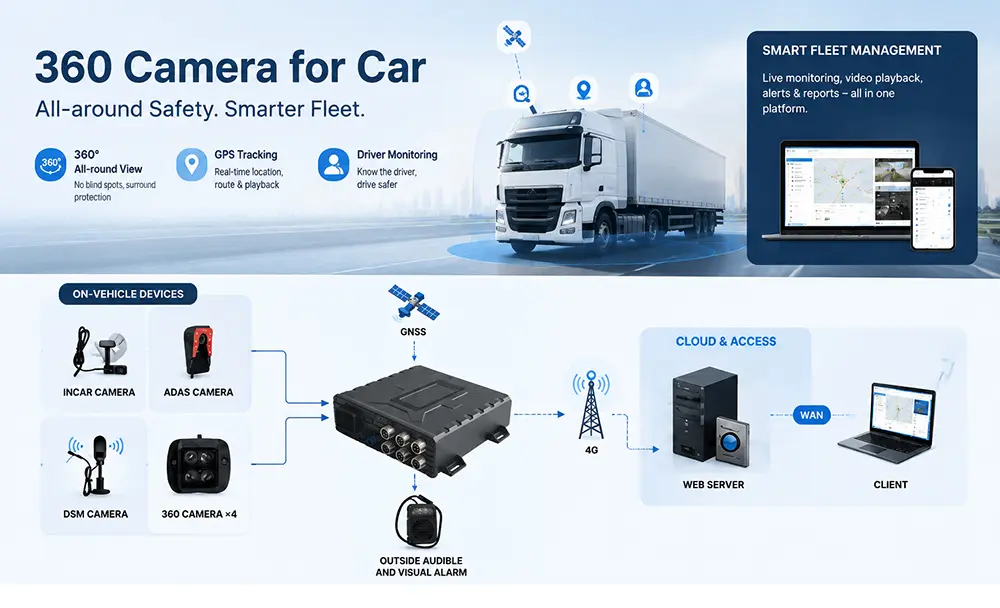
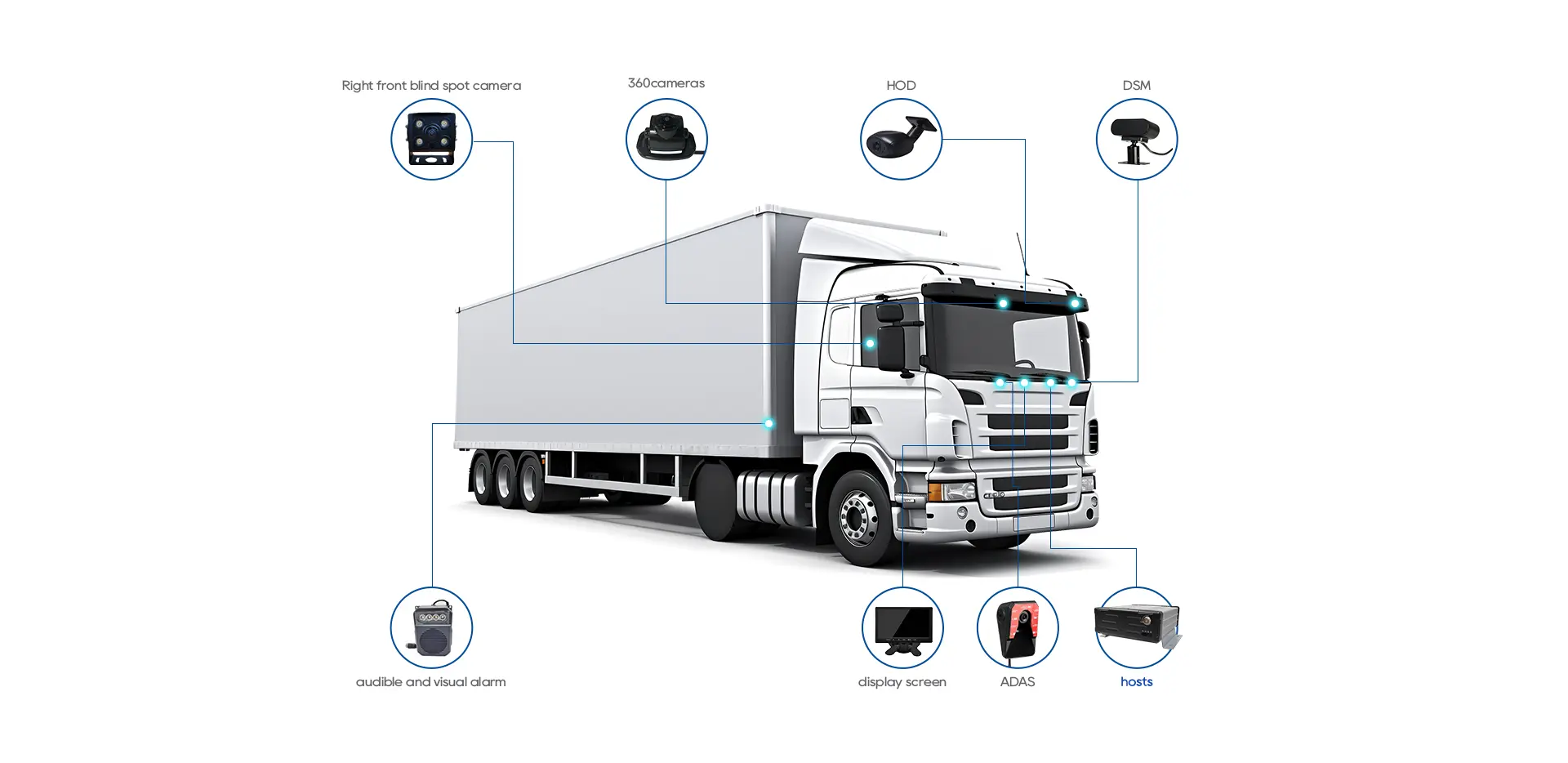
A complete system consists of three core components:
• Multi-directional cameras: Typically 4–6 wide-angle cameras installed on the front grille, rear bumper, and under both side mirrors to capture real-time footage from corresponding directions.
• Image processing software: Uses advanced algorithms to correct image distortion, perform geometric alignment and seamless stitching, and fuse images into a unified bird’s-eye view.
• Display interface: Processed images are displayed in real time on the central control screen. Some systems support switching between single-view and split-screen modes to meet different viewing needs.
Working Principle of the 360 Degree Car Camera System
The core of the system lies in high-precision image collection and intelligent stitching processing, completed in real time with no delay in presenting the surrounding view. The steps are as follows:
• Image capture: Cameras around the vehicle continuously capture real-time video, achieving 360-degree blind-spot-free coverage.
• Image registration: The software identifies key reference points in the footage and accurately aligns them with a virtual grid matching the vehicle’s dimensions.
• Distortion correction: Algorithms correct distortion caused by wide-angle lenses, restoring true lines and object shapes.
• Stitching and fusion: Corrected images are merged, overlapping areas are smoothly transitioned, and color and brightness are unified to form a fluid panoramic bird’s-eye view.
• Real-time rendering: The panoramic or selected view is displayed on the central control screen in real time. Some systems automatically switch views in conjunction with turn signals or reverse gear.
Some advanced systems integrate distance sensors to add distance measurement, improving spatial judgment accuracy during parking and driving on narrow roads.
Core Advantages of the 360 Degree Car Camera System
This system is not only a convenience feature but also an important safety device with significant core advantages:
1. Easier parking assistance
The bird’s-eye view clearly shows the relative position between the vehicle and surrounding obstacles, allowing easy entry into narrow parking spaces and avoiding scratches and collisions, making it especially friendly for novice drivers.
2. Complete elimination of visual blind spots
It covers blind spots caused by vehicle pillars and side mirrors. When changing lanes, turning, or driving on narrow roads, drivers can clearly see pedestrians and vehicles in blind spots, reducing low-speed collision risks.
3. Adaptable to diverse usage scenarios
Suitable for ordinary passenger cars, it also solves visibility issues for large vehicles such as SUVs, trucks, and RVs, and is a practical configuration for commercial vehicles including online car-hailing and delivery vehicles.
4. Multi-layer protection linked with intelligent systems
When integrated with the ADAS system, it enables blind spot monitoring, lane departure warning, and other functions; some systems can trigger automatic braking. Low-light/night vision models enhance visibility clarity during night driving.
Calibration Key Points of the 360 Degree Car Camera System
The system has extremely high requirements for camera installation accuracy, and precise calibration is a prerequisite for normal operation. Even minor offsets can cause image distortion, inaccurate positioning, or even misjudgment by the ADAS system.

1. Scenarios requiring mandatory calibration
Professional calibration is required promptly in the following situations: repair/replacement of body panels or bumpers after a collision; replacement of the windshield or adjustment of mirror positions; suspension system repair or tire replacement; replacement/repair of cameras or related sensors.
2. Common issues caused by inaccurate calibration
Image distortion and misalignment, false/ missed object detection, lagging or delayed footage, failure of automatic parking functions, and even dashboard fault alerts.
3. Core calibration requirements
Calibration must be performed by professional institutions following the original factory process to ensure precise matching between cameras and the vehicle’s geometric dimensions, guaranteeing reliable operation of all assistance functions.
Best 360 Degree Car Camera Systems in 2026
Currently available systems are divided into factory-standard and aftermarket retrofit types. Aftermarket products offer stronger compatibility to meet upgrade needs for different models. Below are representative products from three mainstream brands, among which YUWEI is the cost-effective choice:
(1) YUWEI 360 Degree Car Camera System
Focused on high cost performance, it is a popular choice in the aftermarket. Compatible with various vehicles including trucks, buses, and emergency vehicles, it features easy installation and calibration, with outstanding core advantages:
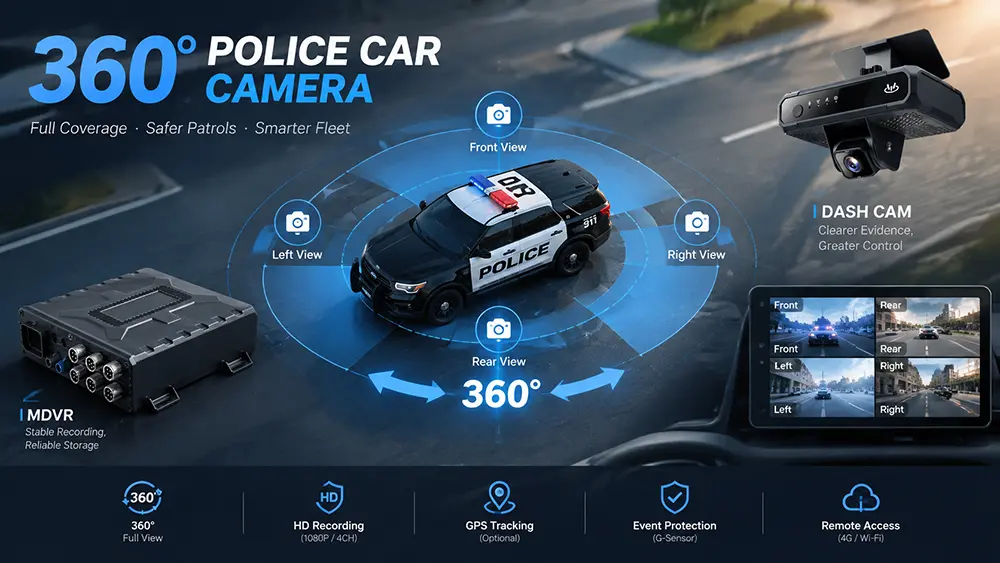
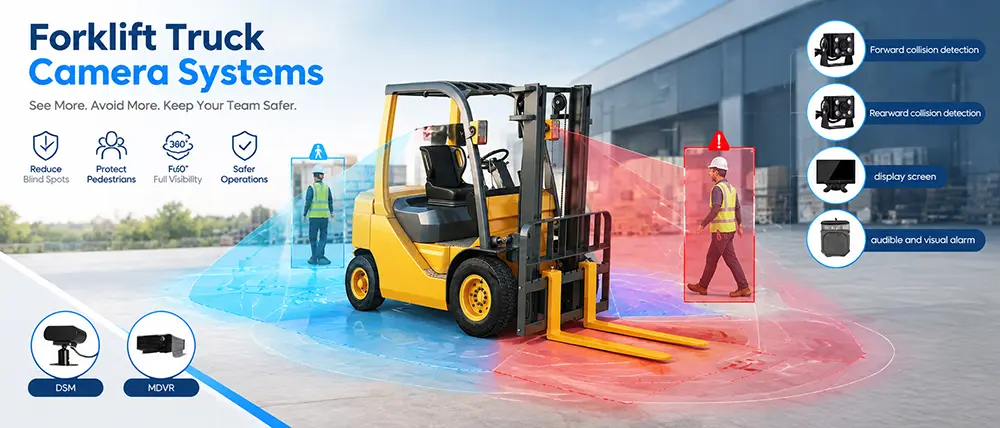
• Core hardware: Equipped with 4 front, rear, left, and right cameras, paired with an MDVR and vehicle-mounted display, achieving clear 360-degree panoramic imaging through proprietary algorithms.
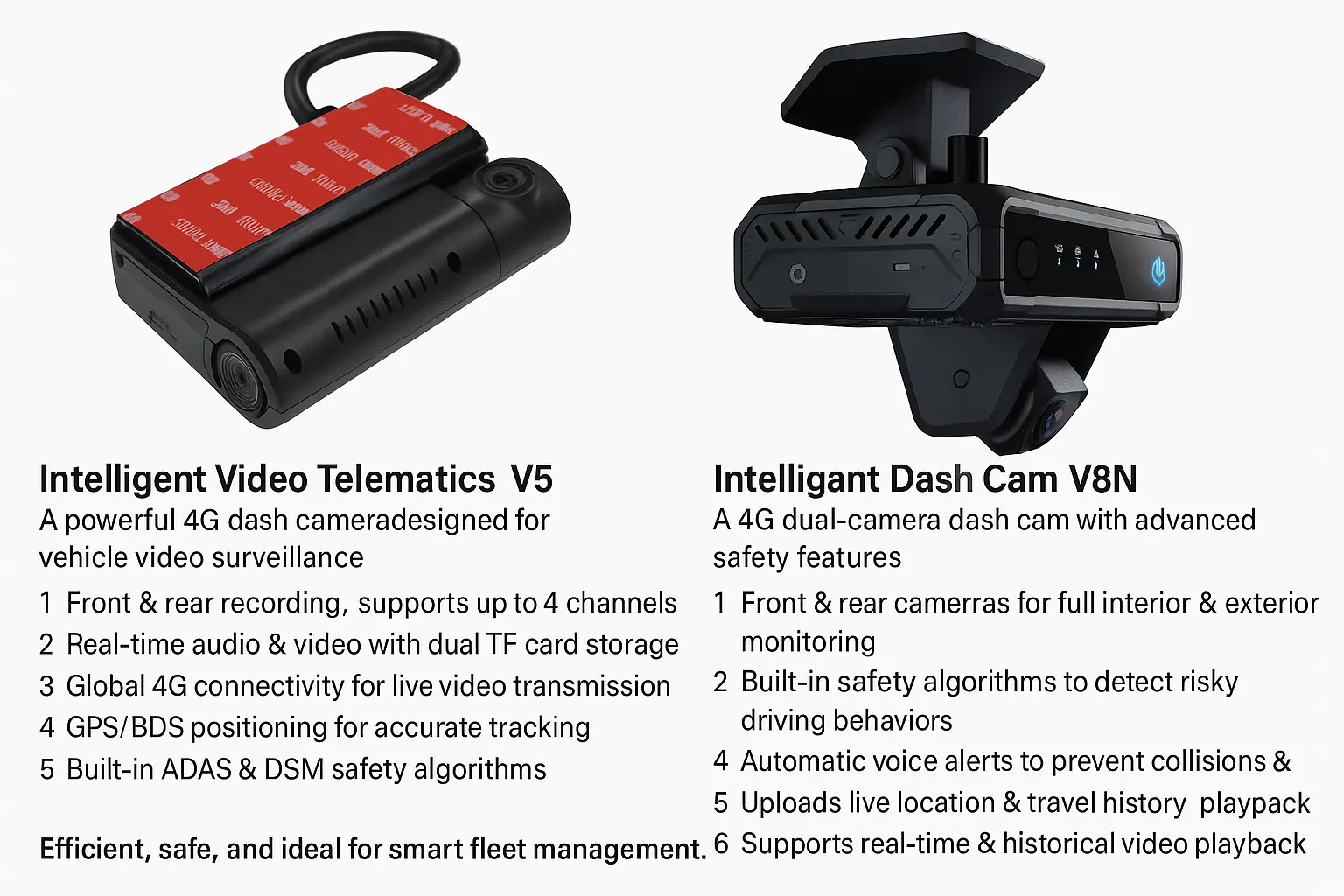
• Rich functional expansion: Can be equipped with driving recorders integrating GPS, ADAS, and DMS functions, with strong expandability to meet diverse driving safety needs.
• Efficient and practical configuration: Supports 1-minute automatic calibration, 1080P HD input and output, with a screen delay of only 150ms; 2×512GB large storage, enhanced starlight night vision, and clear imaging even in 0.1LUX low-light environments.
• Intelligent safety algorithms: Built-in AI algorithms provide multiple warnings such as lane departure, forward collision, and blind spot detection. It also supports AI pedestrian detection and 360-degree surround vehicle detection within 10 meters, ensuring all-round driving safety.
(2) iBEAM TE-360-3D 360-Degree 3D Panoramic Camera System
A classic aftermarket model with DVR recording function. Recommended retail price in Australia is 2,499 AUD (including GST), compatible with various vehicles up to 7 meters (24 feet) in length. Equipped with 4 180-degree fisheye cameras, it supports seamless 3D+360-degree image stitching and dynamic intelligent view switching. The built-in 1080P recorder can automatically record for 28 hours, paired with intelligent power management and dual-interface output. However, the reverse view has no guide lines and requires cooperation with radar or driver experience.
(3) Tadibrothers 360-Degree 3D Panoramic Camera Series
Focused on model-specific customization, the full series includes DVR recording, covering special vehicles such as RVs, semi-trailers, forklifts, and helicopters. Some high-end models support 5G remote viewing, with prices ranging from 1,099.99 to 3,599.99 USD and frequent discounts. Camera angles and system parameters are optimized for different vehicle sizes and usage scenarios, offering strong compatibility. Radar-camera integrated kits are also available to improve environmental perception accuracy.
Email:hello@yuweitek.com