











Driver Fatigue Detection Solution for Commercial Fleets
What is a Driver Fatigue Detection Camera?
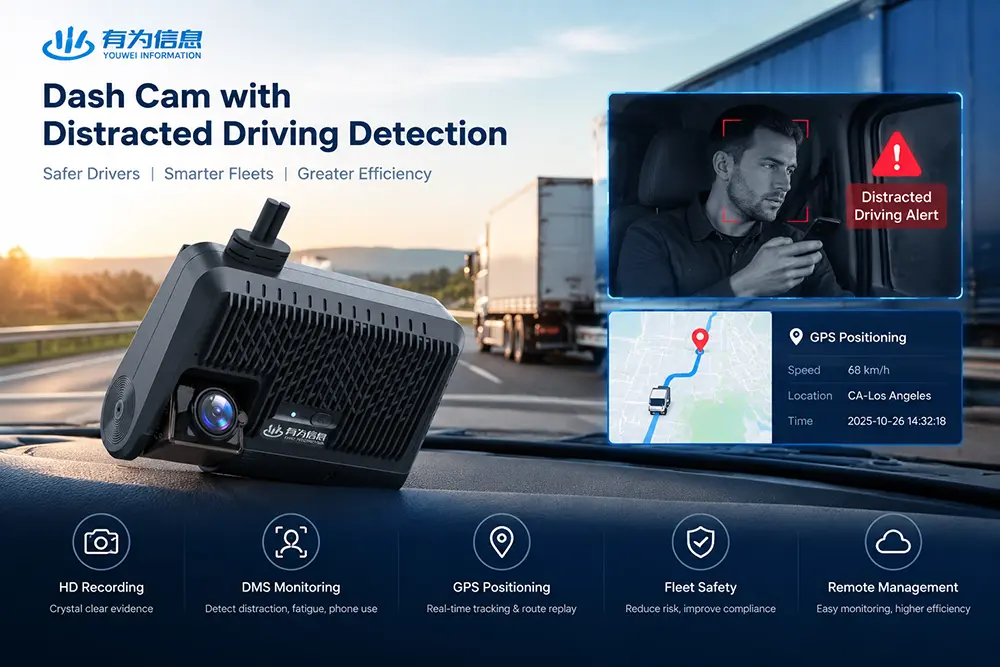
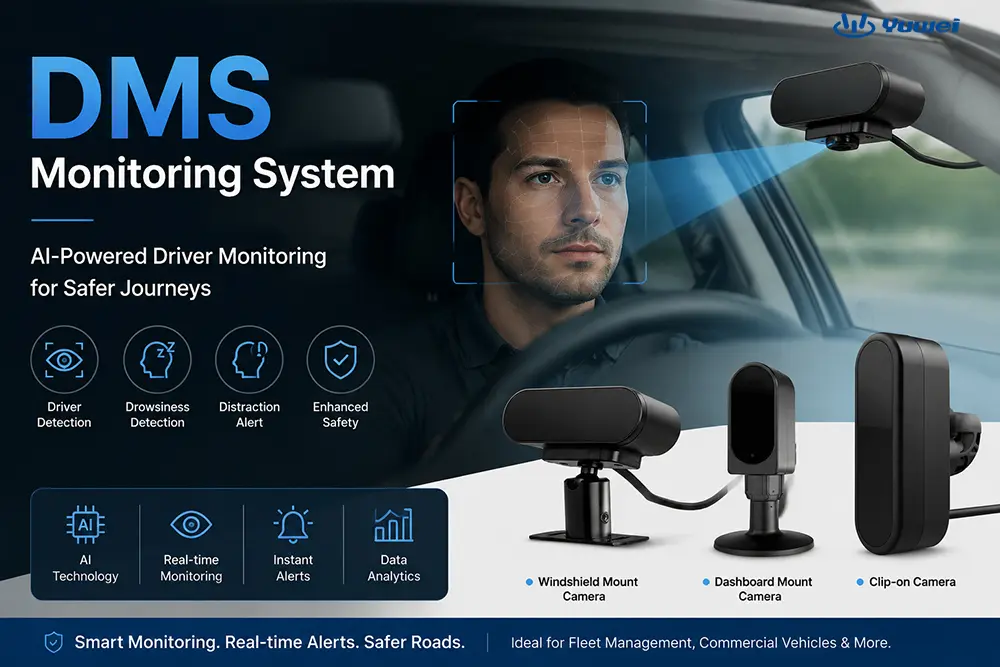
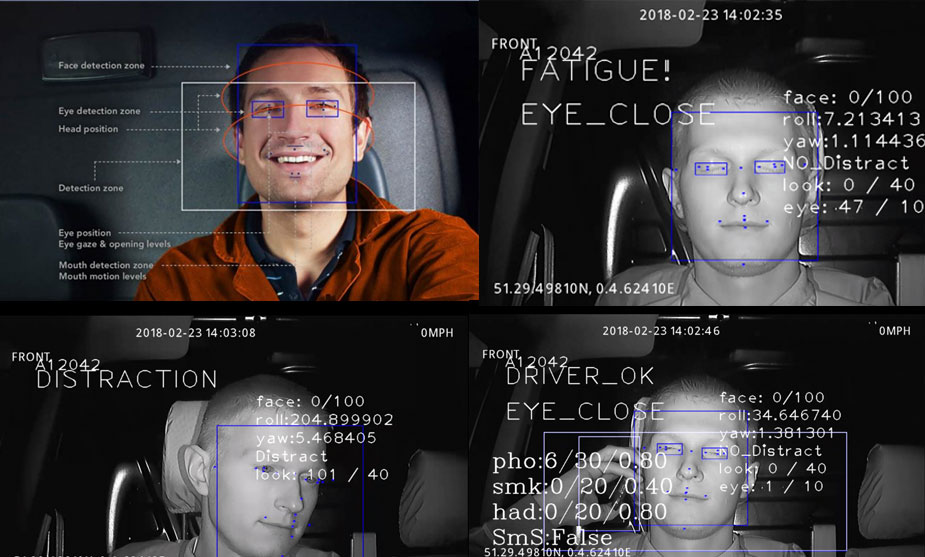
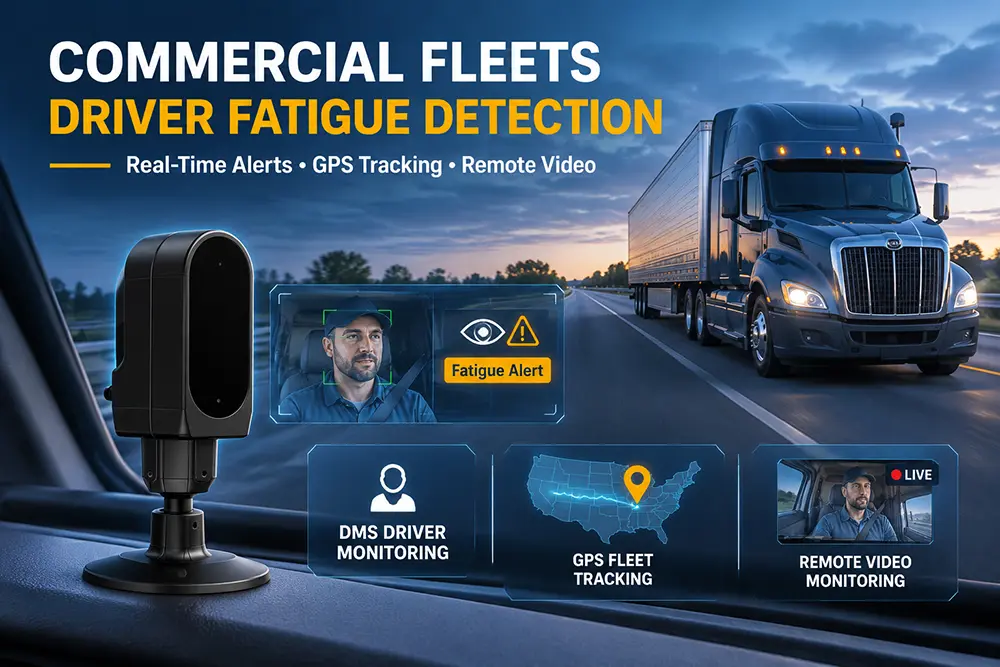
A Driver Fatigue Detection Camera is an in-cabin intelligent monitoring device and a critical component of a Driver Monitoring System (DMS). Unlike standard dashcams, a DMS camera primarily monitors the driver's face, eye movements, and head posture. Using AI image recognition algorithms, the system analyzes eye closure, yawning, head orientation, and attention shifts to identify fatigue and unsafe driving behaviors. When persistent eye closure, distraction, or mobile phone usage is detected, the system triggers real-time safety alerts to prompt driver correction.
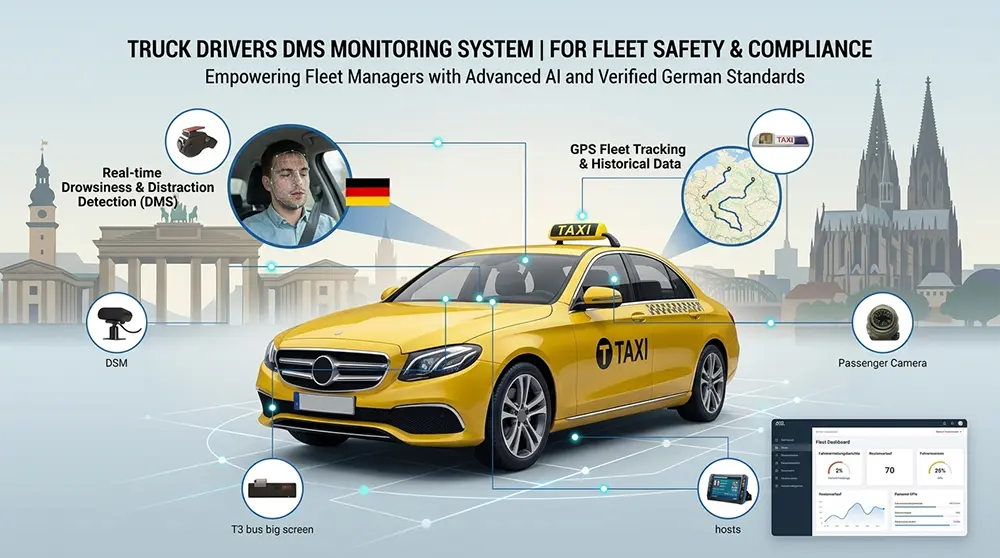
A complete Driver Monitoring System typically includes:
1.DMS Camera: Captures facial and behavioral images of the driver.
2.AI Recognition Algorithm: Analyzes fatigue, distraction, and hazardous driving behaviors.
3.In-Vehicle Smart Terminal / Host: Processes video data and alert events.
4.Audible & Visual Alert Device: Delivers real-time warnings to the driver.
5.Fleet Management Platform: Enables remote tracking of alerts, vehicle locations, and video logs.
Certain DMS cameras support infrared fill-light to enhance night monitoring performance. Actual recognition capability depends on installation positioning, ambient lighting conditions, and algorithm performance.
Why Do Commercial Trucks Need Fatigue Monitoring?
Commercial trucks are typically large, heavy, and require longer braking distances, while drivers often operate for extended hours. Fatigue, distraction, or delayed reaction times can lead to severe accidents.
According to 2024 statistics released by the National Highway Traffic Safety Administration (NHTSA), fatigue-related driving accidents caused 644 deaths, while distracted-driving accidents resulted in 3,208 deaths in 2024.
Features and Benefits of Driver Monitoring Systems
A complete commercial driver monitoring system not only detects fatigue but also integrates vehicle video footage and operational data to improve safety management efficiency.
Note: Specific features depend on the selection of camera, algorithm, in-vehicle terminal, and platform configurations.
Y10 Commercial Vehicle DMS Camera
The YUWEI Y10 is a 720P driver status monitoring camera designed for commercial vehicles (Model: DSM-A720PS-Y10).
Paired with a compatible AI Driver Monitoring System, it identifies driver fatigue, distraction, smoking, mobile phone usage, and other abnormal driving behaviors.
Key Features of the Y10 DMS Camera
1.High-Definition Image Capture: Equipped with a GC1054 image sensor, supporting 1280 × 720 resolution and AHD video output to meet driver monitoring requirements.
2.Night Monitoring Support: Features infrared auxiliary imaging and 3D digital noise reduction (3D DNR) to improve image capture quality in low-light environments.
3.Automotive-Grade Adaptability: Operates within a temperature range of -20°C to 70°C, making it suitable for various commercial vehicle cabin environments.
4.Flexible Installation: Supports angle adjustment and locking, with options for adhesive mount or screw fixation for easy installation across different vehicle models.
5.System Integration: Connects seamlessly to compatible in-vehicle smart terminals to work alongside AI algorithms, alert hardware, and management platforms.
Y10 DMS Camera Specifications
How Y10 Enhances Truck Driving Safety
For long-haul truck drivers, night transit and extended driving hours increase the risk of fatigue and distraction. When integrated into a compatible DMS system, the Y10 enables:
1.Real-Time Status Monitoring: Continuously captures driver images to identify fatigue and dangerous driving behaviors.
2.Instant Safety Alerts: Triggers warnings via the in-vehicle terminal and alert equipment as soon as risk is detected.
3.Remote Event Management: Combines vehicle location, time stamps, and video logs to help fleet managers evaluate driving risks.
Note: The Y10 primarily serves image capture functions. Full AI recognition, voice alerts, and remote management require support from compatible in-vehicle hosts and software platforms.
Truck Safety Monitoring & GPS Fleet Management Solution
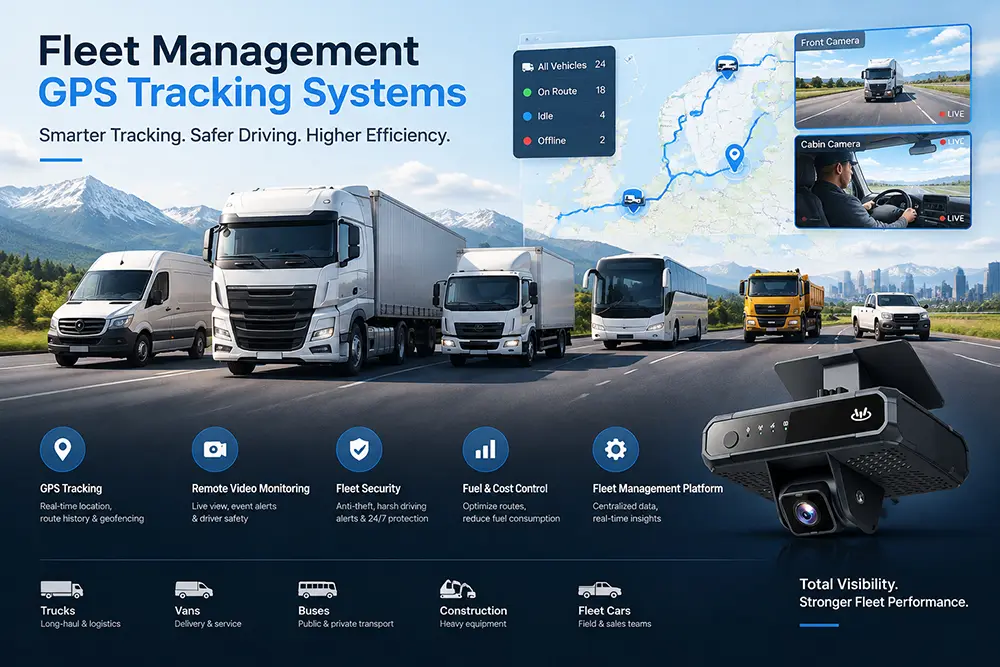
Deploying a standalone DMS camera only addresses driver behavior risks and cannot monitor the vehicle's surrounding environment. Therefore, commercial trucks benefit most from integrating DMS, ADAS, BSD, GPS tracking, and in-vehicle video surveillance into a single management platform.
The YUWEI Truck Fleet GPS Tracking Management System delivers this all-in-one architecture.
Features of the Truck Solution
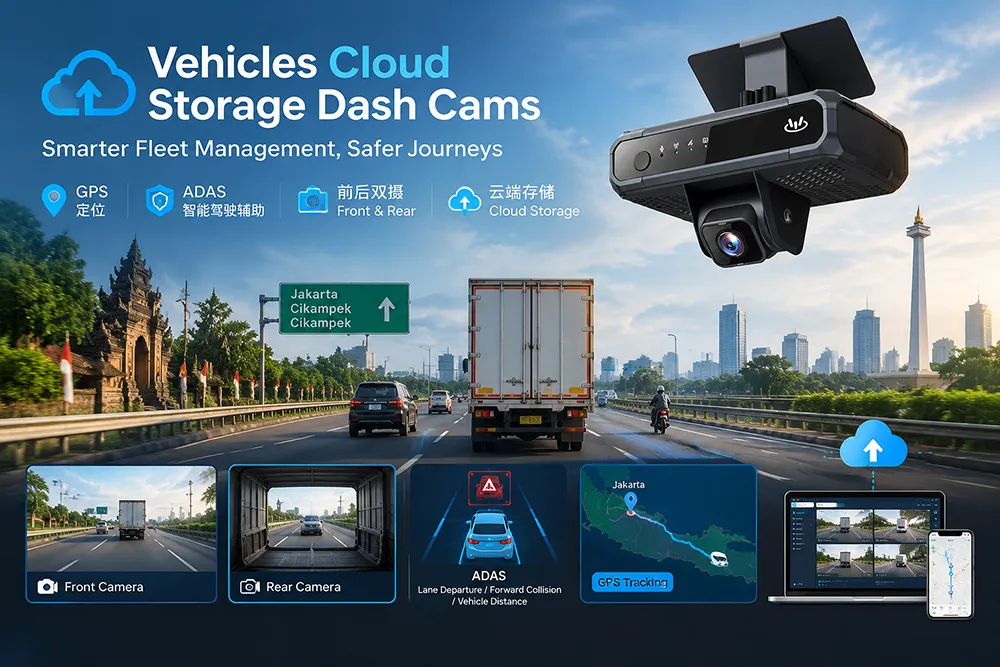
1.GPS/BDS Real-Time Positioning: Monitor live vehicle location, historical routes, and transit paths to boost dispatch efficiency.
2.In-Vehicle Video Surveillance: Connect inside and outside cameras via AI dashcams or MDVRs for real-time video recording, playback, and remote streaming.
3.DMS Driver Monitoring: Integrate compatible cameras like the YUWEI Y10 to detect fatigue, distraction, phone use, and smoking, providing instant safety alerts.
4.ADAS Advanced Driver Assistance: Utilize forward-facing cameras and AI algorithms to provide Forward Collision Warnings (FCW), Lane Departure Warnings (LDW), and headway monitoring.
5.BSD Blind Spot Detection: Assist drivers in detecting pedestrians, cyclists, or vehicles in large truck blind spots using side cameras and alert units.
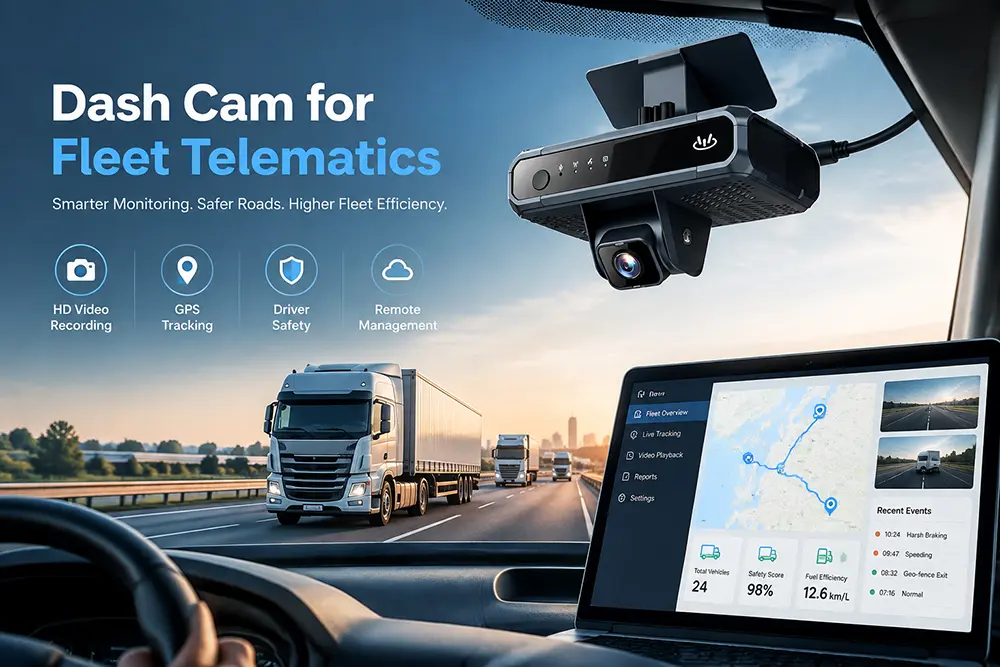
6.Remote Fleet Management: Access vehicle positioning, driver behavior analysis, video event management, as well as fuel consumption, mileage, and operational reports.
Coverage of specific features depends on the selected in-vehicle hardware, algorithms, and software configurations.
YUWEI Truck Solution Hardware Configuration
YUWEI's V5 Smart Dashcam and F4 Smart Mobile DVR serve as references for different vehicle system architectures. When selecting the Y10 as the DMS camera, verify compatibility with the designated host, algorithms, and software platform beforehand.
Recommended Configurations for Different Fleets
Basic Configuration: Small-to-Medium Delivery Fleets
Employs GPS tracking, a DMS camera, an in-vehicle host, and an alert device, focusing primarily on fatigue and distraction monitoring.
Enhanced Configuration: Long-Haul Freight Fleets
Adds ADAS, BSD, and remote video management to the basic setup, extending safety monitoring around both the driver and the vehicle perimeter.
Comprehensive Configuration: Large Logistics & Heavy-Duty Truck Fleets
Deploys multi-channel MDVRs, DMS, ADAS, BSD, multi-angle cameras, and a unified management platform to centrally manage operational and safety data.
Summary
The optimal fatigue detection solution requires not only accurate driver status recognition, but also real-time warnings, video logging, and remote management features. DMS handles driver behavior monitoring, ADAS and BSD cover risks in front of the vehicle and in blind spots, while GPS and the fleet platform deliver vital location and operational intelligence.
Email:hello@yuweitek.com