









360° Car Camera System Guide
360° Car Camera System
stitches the video feeds into a simulated bird's-eye view. For passenger cars, this enables easier parking, curb awareness, and low-speed maneuvering. For larger fleet vehicles like vans, RVs, trucks, and buses, it helps drivers navigate wider blind zones. The key is ensuring the system fits your vehicle's display, wiring, recording needs, and calibration process. This guide explains how 360° camera systems work, when an aftermarket kit is worthwhile, installation costs, and pre-purchase considerations.
What Is a 360° Car Camera System?
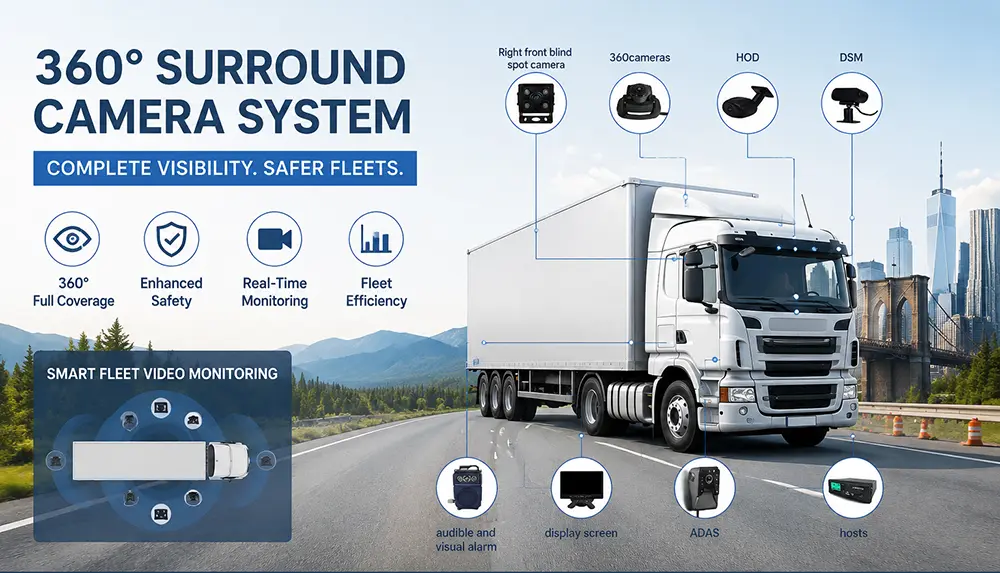
A 360° surround-view camera system (or bird's-eye view system) uses multiple vehicle-mounted cameras to create a simulated overhead perspective. Most aftermarket setups use four wide-angle cameras (front, rear, left, right). An Electronic Control Unit (ECU) corrects lens distortion, aligns the cameras, and stitches the images onto your display.
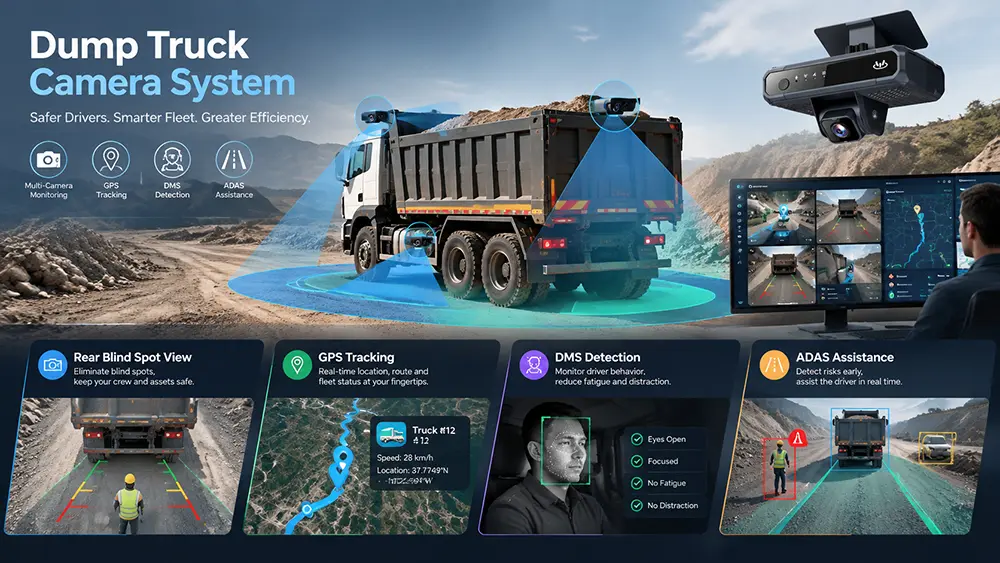
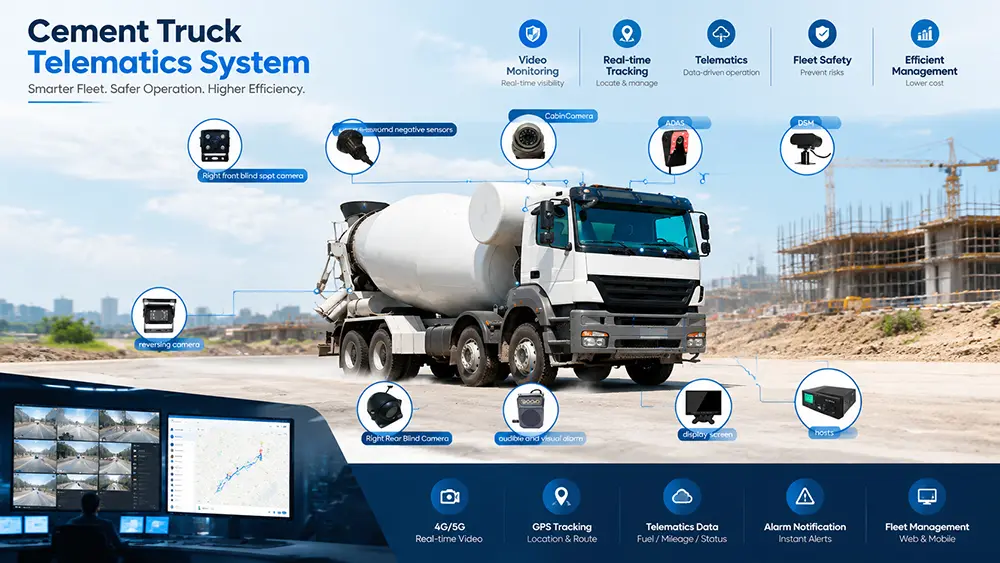
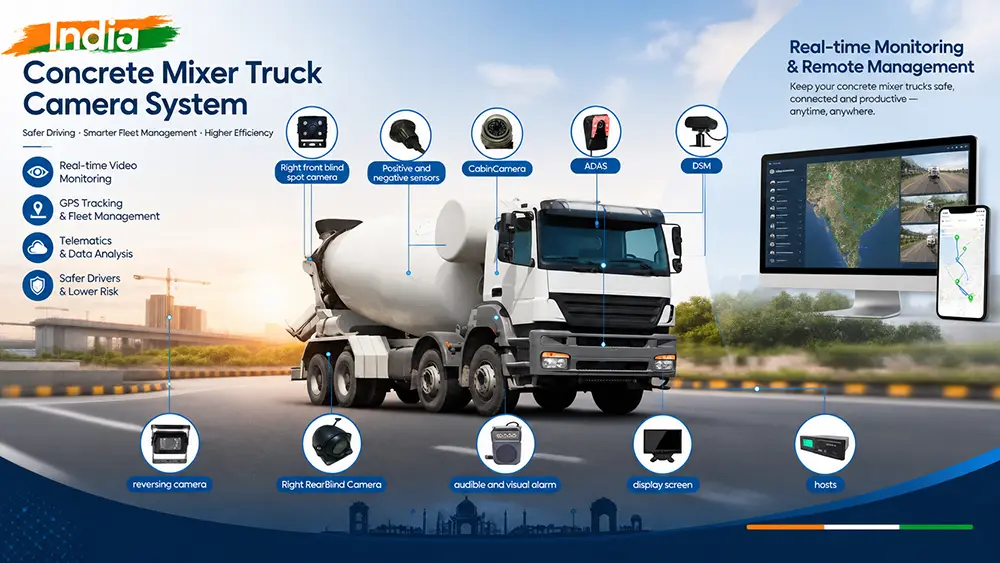
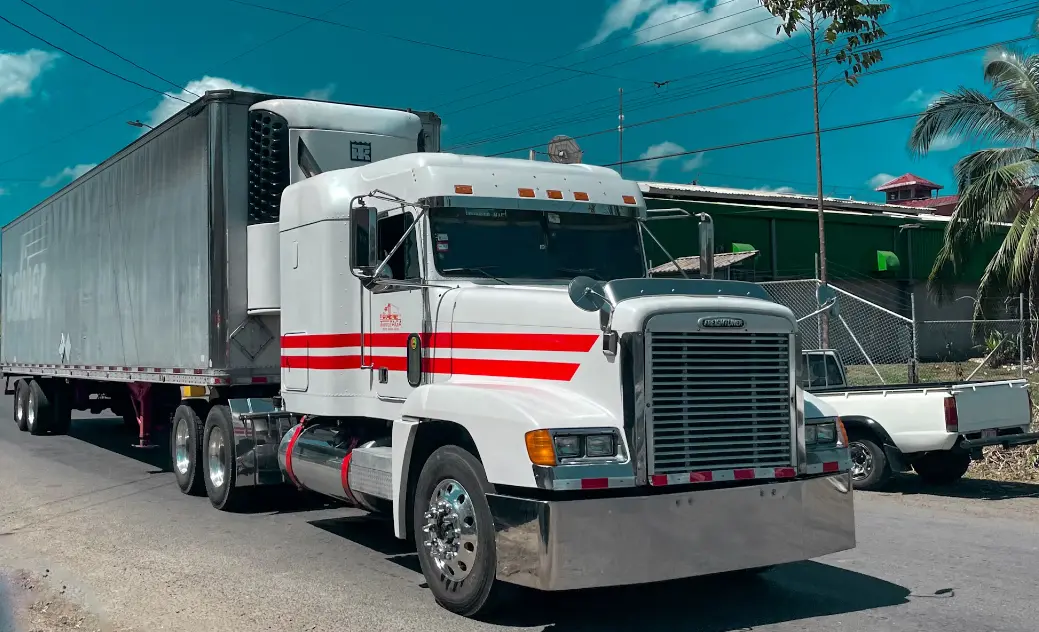
Drivers immediately benefit by seeing low obstacles, lane edges, and tight corners that traditional mirrors miss. For commercial vehicles, camera durability, signal quality, night vision, and accurate calibration are critical for reliable daily use. The ideal setup depends entirely on your visibility needs and vehicle integration.
Which 360° Camera System Fits Your Vehicle?
How Does a 360° Surround View System Actually Work?
The image relies on geometry, not a drone. Cameras fixed to the vehicle body capture overlapping areas. The system corrects wide-angle distortion and stitches these feeds into a digital 360° model. A typical setup includes:
1.Front camera: Near the front grille
2.Rear camera: Near the license plate
3.Left camera: On the driver-side mirror or body
4.Right camera: On the passenger-side mirror or body
All four send video to the ECU, which processes a real-time overhead view. Proper calibration mat placement is critical for accurate stitching, allowing the ECU to map camera positions to exact vehicle dimensions. Displays can show the 360° view alone or combined with direct camera angles for enhanced hazard awareness.
2D vs. 3D: What's the Difference?
Can You Install an Aftermarket 360° Camera on Any Car?
Generally yes, but they aren't universal plug-and-play upgrades. Compatibility depends on the cameras, ECU, display interface, wiring, and calibration method. Key checks include:
1.Vehicle Size & Mounting: Verify clear, stable mounting locations for all four cameras.
2.Display Compatibility: Ensure your factory or aftermarket display accepts the system's output.
3.Format & Resolution: Match video signals (e.g., AHD, CVBS) across cameras, ECU, and display.
4.Power & Triggers: Confirm voltage and triggers for reverse-gear or turn-signals.
5.Cable Routing: Plan safe paths away from heat, moving parts, and EMI sources.
6.Durability: Match camera IP ratings and low-light performance to your operating environment.
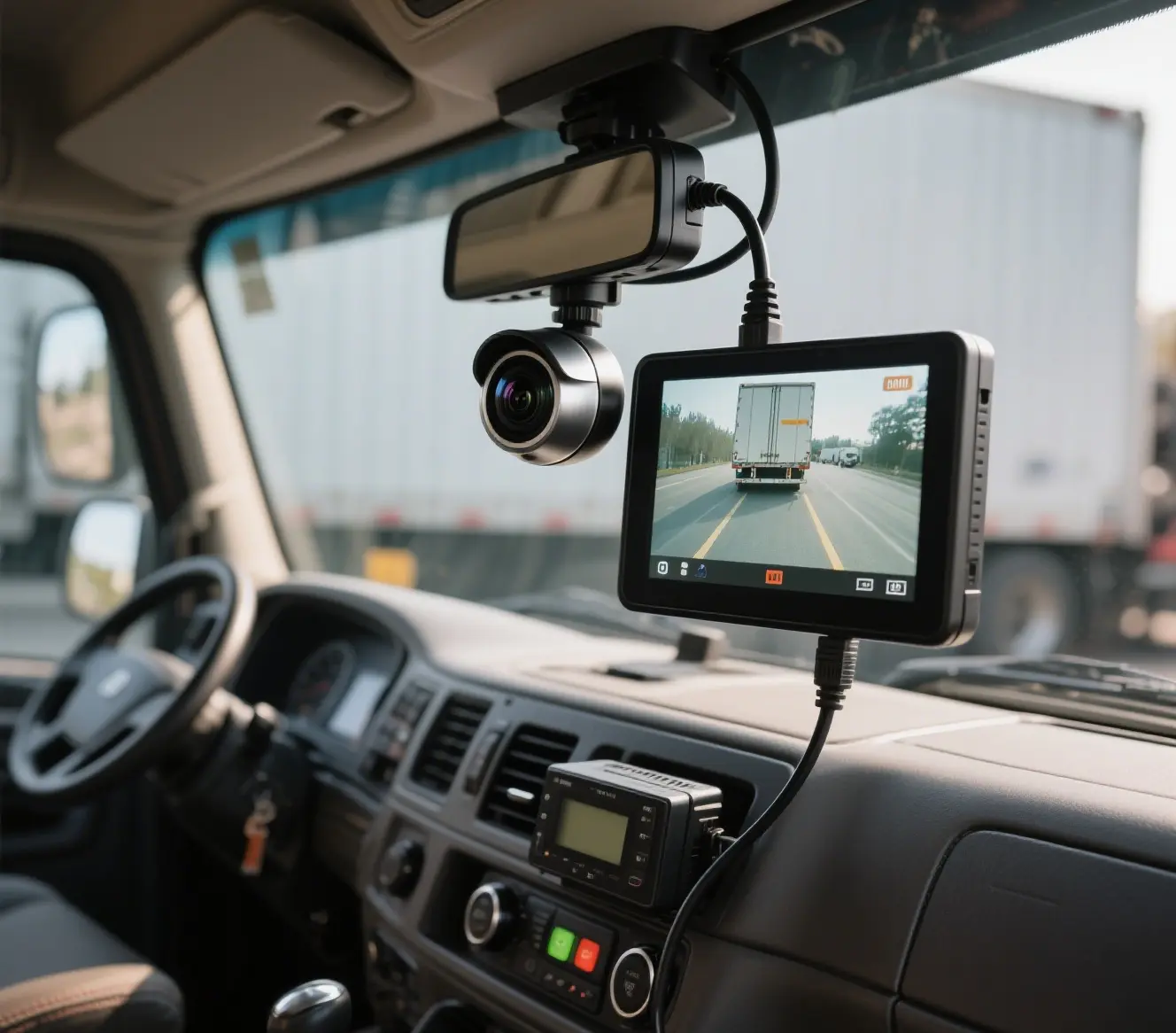
7.Recording Needs: If required, confirm DVR channels, storage, and playback options.
8.Calibration Space: Ensure the installer has correct mats, exact measurements, and level ground.
Why 360° Camera Calibration and Image Stitching Matter
Calibration ensures camera angles align perfectly. Incorrect measurements or mounting cause image gaps, duplication, or edge distortion. Longer vehicles are harder to align due to wider camera spacing, requiring precise measurements and ample calibration space.
What the ECU Actually Does: The ECU corrects wide-angle distortion, maps camera positions, and fuses overlapping zones into one image. On larger vehicles, cable length and signal quality are critical; AHD is common because it transmits HD video over standard wiring, though it requires EMI shielding.
Calibration Mat / 3D Stitching Method: Installers place printed calibration mats around the vehicle and input precise dimensions into the ECU. Poor calibration causes distorted or duplicated objects at stitching boundaries.
Safety Note: Drivers must still use mirrors and direct observation. 360° cameras reduce blind spots but do not eliminate all obstacle risks.
Is a 360° Camera System Worth It?
Real-World Example: Ford Transit Van
We recently installed a 4-camera AHD system on a 22-foot 2022 Ford Transit. The biggest challenge was calibration. Because of the wide overlap zones on a longer vehicle, it took two calibration attempts to perfect the stitching.
Lesson learned: For vehicles over 18 feet, budget extra calibration time and use an installer experienced with long-body vehicles.
Top 3 Mistakes When Buying Aftermarket 360° Cameras
1.Ignoring signal compatibility: AHD cameras won't work with CVBS monitors. Confirm standards first.
2.Underestimating cable length: Standard 6-meter cables often fail on trucks and RVs. Measure the longest run and add a 20% buffer.
3.Rushing calibration: Poor calibration creates false obstacles. Insist on proper mat calibration and accurate measurements.
How Much Does It Cost to Install?
Prices vary widely. Consumer hardware ranges from $250 to over $999. Professional installation includes interior disassembly, wiring, ECU setup, and calibration labor. OEM retrofits and commercial vehicles cost more due to complexity.
360° Surround View vs. 360° Dash Cam
Note: Surround systems may support recording, but verify if your kit includes real-time display only, built-in recording, or needs mobile DVR integration.
Aftermarket 360° Camera vs. Factory 360° System
360° Camera Maintenance Tips
1.Keep lenses clean: Wipe weekly for commercial vehicles and monthly for personal cars to prevent image degradation.
2.Check seals/connectors: Inspect seasonally for water ingress or corrosion.
3.Winter care: Use heated cameras in freezing climates to prevent ice buildup.
4.Firmware updates: Check annually for ECU updates that improve stitching or add view modes.
FAQ
Can I add a 360° camera to a car with an existing backup camera?
Yes, but the old camera won't integrate. You need four matched cameras calibrated together by the ECU to stitch the bird's-eye view.
Will an aftermarket 360° camera work with my factory screen?
Often yes, if you have a compatible video input or vehicle-specific interface. Otherwise, you'll need a separate monitor.
Does a 360° system record while driving or parked?
Only if configured with a compatible DVR-enabled ECU. Parking recording also requires backup power and trigger logic.
What info is needed to confirm compatibility?
Make, model, year, dimensions, voltage, mounting point photos, screen connectors, recording needs, and available calibration space.
Can a 360° camera eliminate all blind spots?
No. It drastically reduces uncertainty, but you must still use mirrors and standard safe-driving practices.
How long does installation and calibration take?
4–8 hours for passenger cars; 8–16 hours for commercial vehicles due to complex wiring and calibration. DIY installations can take a full weekend.
Need Help Choosing the Right Surround-View System?
Contact YUWEI with your vehicle details, proposed camera locations, display inputs, and recording requirements. We'll help you design the perfect 2D or 3D configuration and installation plan.
Email:hello@yuweitek.com