








GPS Integration for Garbage Truck Fleet Platforms
Best GPS Integration for Garbage Truck Fleet Platforms
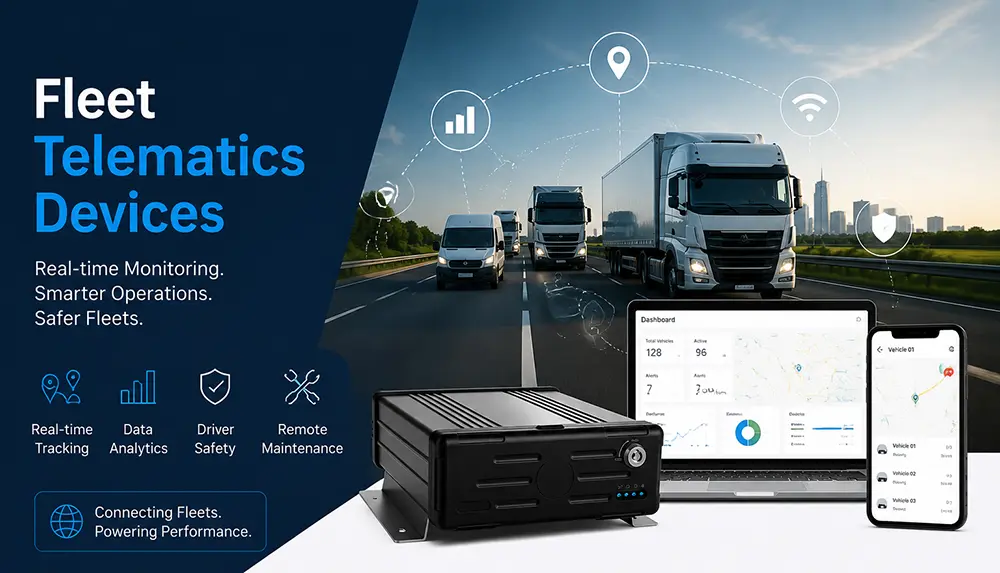
In modern waste management systems, the deep integration of GPS (Global Positioning System) and fleet management platforms has become a core technical foundation for boosting the operational efficiency of garbage trucks. By combining GPS tracking, fleet management and telematics, the waste collection and transportation industry is transitioning from traditional manual planning and dispatching to an intelligent operation model driven by real-time data.
Core System Capabilities
• Real-time vehicle GPS Tracking
• Route Optimization for collection and transportation
• Verifiable Service Execution
• Fleet Safety & Driver Behavior Monitoring
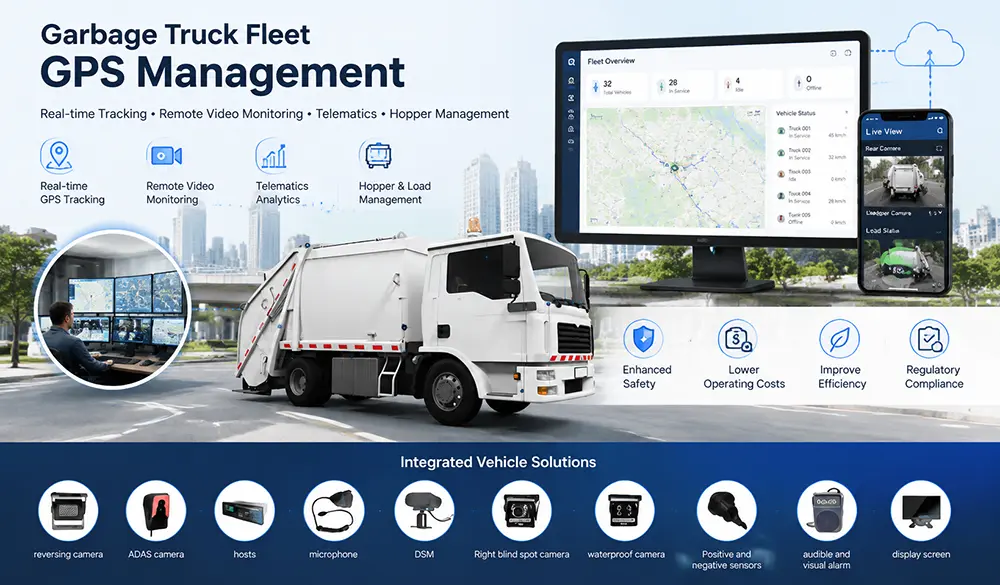
Functional Capabilities of GPS for Garbage Truck Fleets
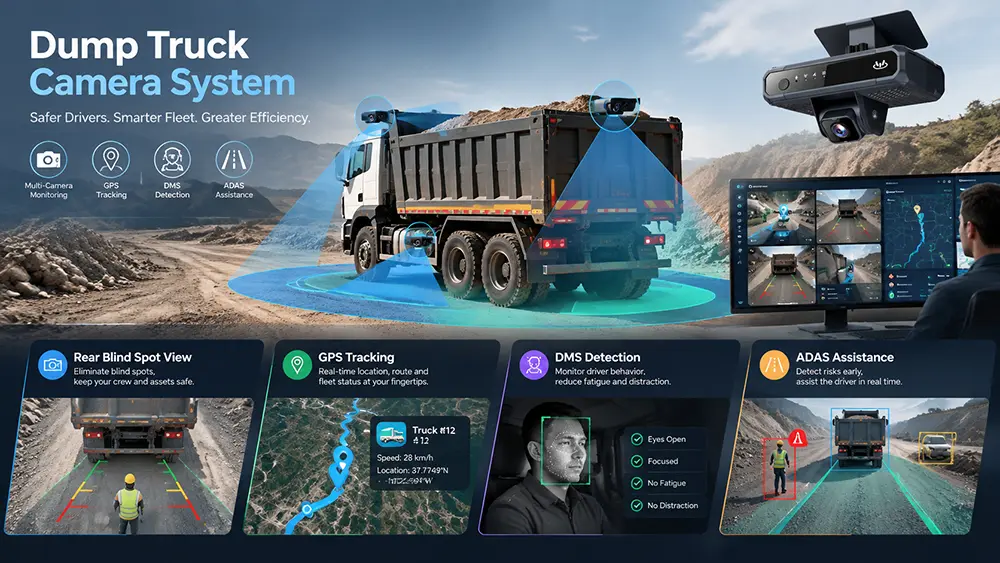
1. Real-time GPS Vehicle Tracking
The GPS system enables full visual management of garbage truck fleets, covering the following dimensions:
• Real-time vehicle location
• Driving speed and travel direction
• Records of vehicle stops and service events
When integrated with on-board vehicle data, the system delivers higher-precision dispatching and abnormal event response, and improves overall fleet transparency.
2. Traceable Waste Collection & Transportation (Service Verification)
A combined technology stack of GPS, RFID and lift detection realizes the following functions:
• Automatic recording of every bin collection operation
• Binding of timestamps with geographic locations
• Visualized status of completed collection tasks
This combination ensures the following benefits:
• Auditability of all service procedures
• Reduction of service disputes
• Improved credibility of municipal service contracts
3. Route Optimization & Cost Control
GPS data-driven route optimization greatly enhances operational efficiency:
• Reduction of unnecessary travel mileage
• Higher daily waste collection throughput
• Lower fuel consumption and vehicle wear and tear
Industry application data shows tangible optimization results:
• Total driving mileage cut by approximately 15–20%
• Fuel costs reduced by 10–15%
4. Driver Safety & Driving Behavior Analysis
The system monitors multiple risky driving indicators:
• Speeding violations
• Hard braking and sharp turning maneuvers
• Reversing hazards
• Quantitative driver scoring system
Architecture of Garbage Truck GPS Systems
1. On-Board Device Layer
• GPS tracking devices
• OBD/ECM data interfaces
• RFID identification systems
• Cameras and multi-type sensors
2. Communication & IoT Layer
• 4G/5G real-time data transmission
• Cloud-based synchronization platform
• Standard API integration interfaces
3. Platform Management Layer
• Live real-time tracking map
• Intelligent dispatching system
• Data analysis and customized report generation
• KPI performance management module
4. Application Layer
• Municipal domestic waste management
• Industrial waste transportation supervision
• Recycling operation management
YUWEI Intelligent Monitoring System for Garbage Trucks
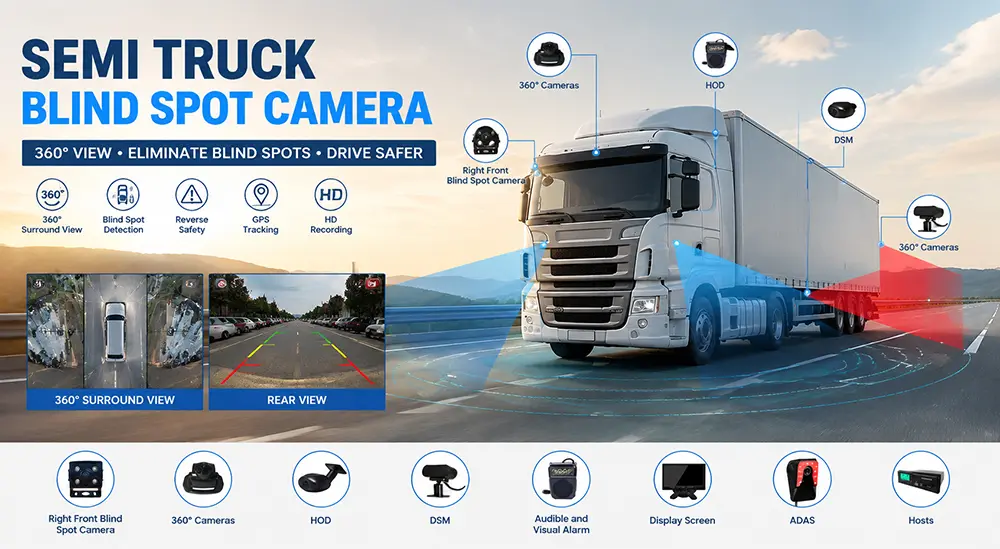
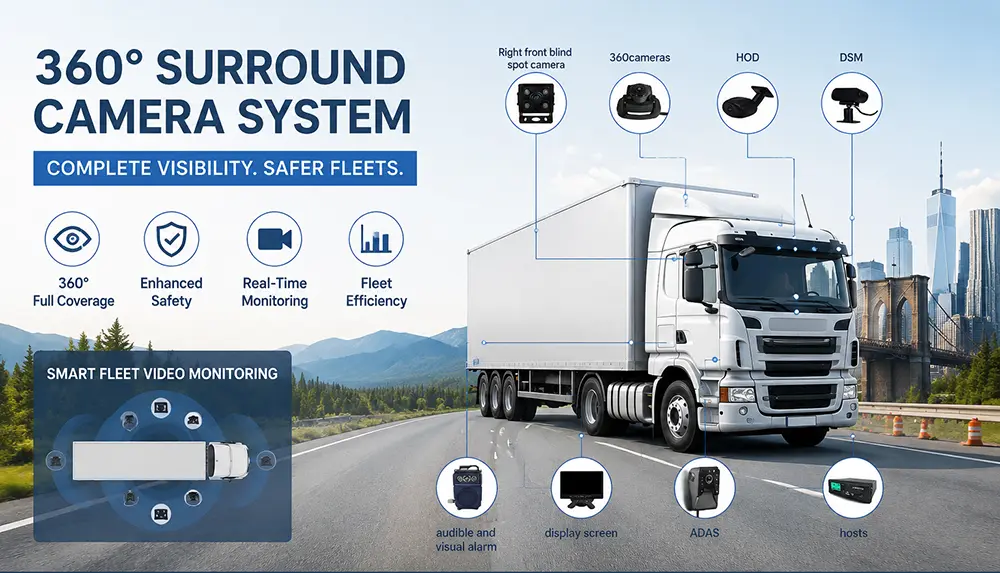
Built upon conventional GPS fleet management systems, YUWEI delivers an integrated garbage truck monitoring solution centered on vision, sensing technology and AI safety enhancement, designed to strengthen safety and controllability under complex operation scenarios.
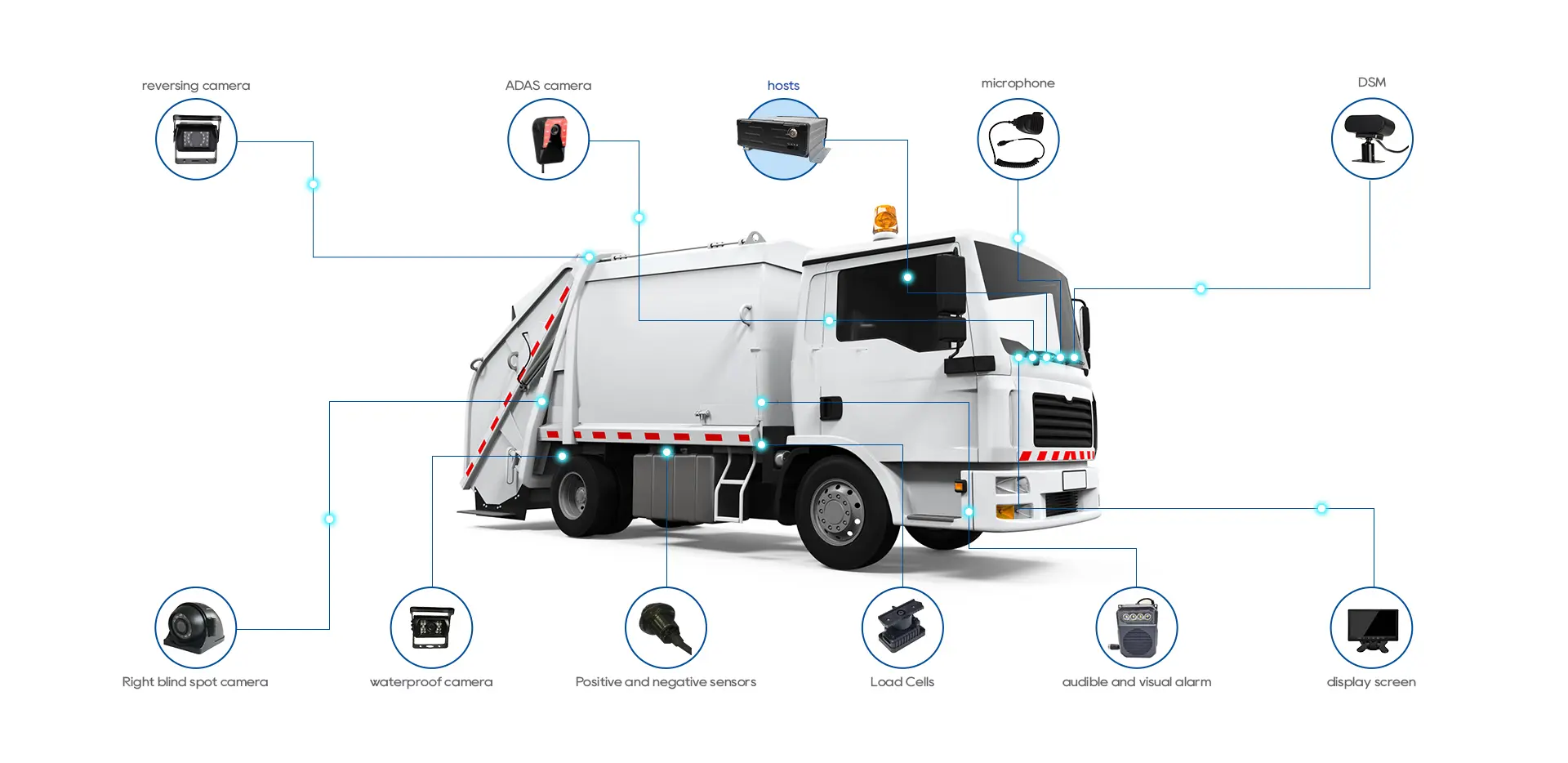
1. Vision & Advanced Driver Assistance (Vision & ADAS)
• Reversing camera system
• Right-side blind spot monitoring camera
• Waterproof industrial-grade cameras
Core Functions
• Mitigate accident risks caused by vehicle blind spots
• Improve operational safety on narrow urban streets
• Strengthen working performance at night and in rainy weather
2. On-Board Monitoring & Driving Behavior Recording System
• MDVR (Mobile Digital Video Recorder)
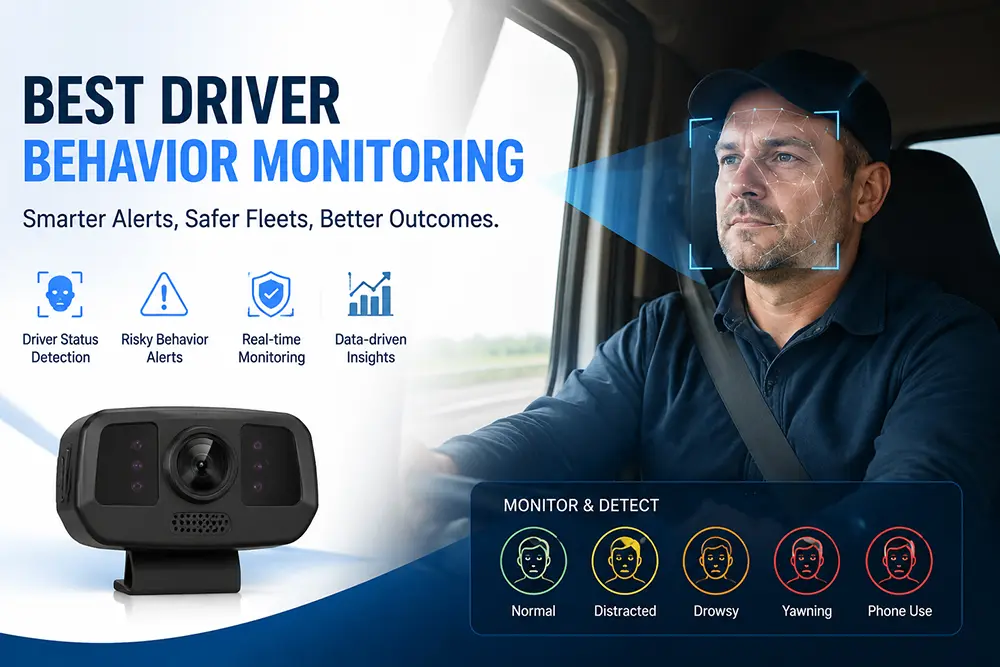
• DSM (Driver Status Monitoring)
• In-vehicle audio microphones
Core Functions
• Video evidence storage of all driving behaviors
• Fatigue driving identification via DSM algorithms
• Full traceability of all on-site collection operations
3. Vehicle Status & Load Monitoring System
• Positive and negative pressure sensors
• High-precision load cells
Core Functions
• Real-time monitoring of waste loading weight
• Prevention of overloaded vehicle operation
• Optimized collection efficiency and fleet dispatching logic
4. Safety Early Warning & Human-Machine Interaction System
• Audible and visual multi-channel alarm system
• On-board display terminal
Core Functions
• Real-time risk alerts for drivers
• Instant two-way feedback between drivers and dispatch center
• Visual presentation of real-time operation orders
Comprehensive Added Value of YUWEI System
When integrated with GPS fleet management platforms, this system brings the following upgrades:
• Upgrade from simple location tracking to integrated management covering safety, vision and AI analytics
• Shift from basic position tracking to full-process intelligent supervision of all collection operations
• Significant drop in accident rates during garbage truck operations
• Improved adaptability for complex urban working environments (narrow lanes, night shifts, rainy conditions)
Typical Application Scenarios
1. Municipal Domestic Waste Collection
• GPS positioning paired with camera footage to verify completed collection tasks
• Higher transparency for municipal service contract execution
2. Waste Recycling & Industrial Waste Logistics
• Cargo loss prevention and intelligent route optimization
3. High-Risk Operation Scenarios (Narrow Urban Roads)
• ADAS + blind spot cameras to lower traffic accident risks
• DSM monitoring to prevent fatigue driving
Email:hello@yuweitek.com