










Türkiye Kamyon Kamera Sistemleri
Türkiye Kamyon Kamera Sistemleri
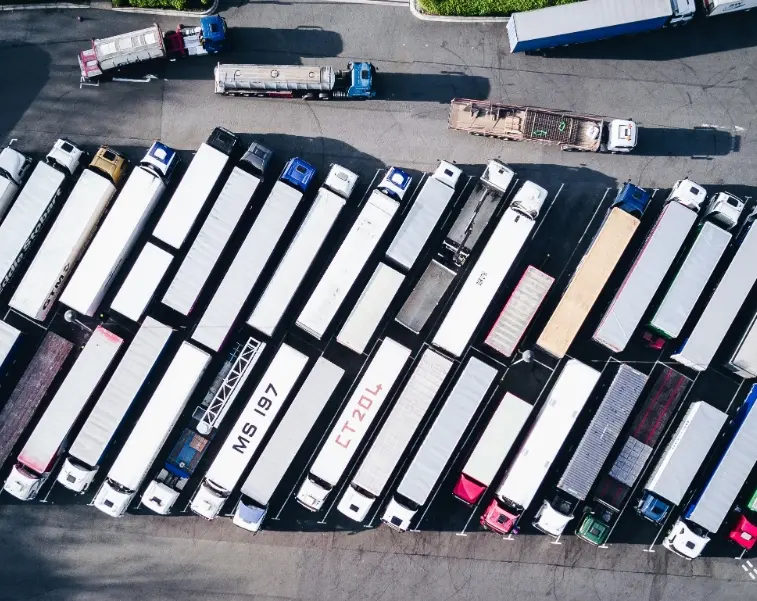
Uluslararası Lojistik Konseyi'nin son verilerine göre, Türkiye'de lojistik, inşaat ve gıda dağıtım sektörlerini kapsayan kayıtlı kamyon sayısı 2 milyonu aştı. BAE, Suudi Arabistan ve Kuveyt gibi komşu ülkelerde de güçlü bir talep var: BAE'de 850.000, Suudi Arabistan'da (Orta Doğu'nun en büyüğü) 1,2 milyon ve Kuveyt'te 250.000 kamyon bulunuyor.
Bu devasa bölgesel filo tabanı, giderek karmaşıklaşan sınır ötesi ulaşım rotalarıyla (Türkiye-Avrupa ve Suudi Arabistan-Asya gibi) bir araya geldiğinde, geleneksel yönetim modellerinin sık sık yaşanan kazaları, artan yakıt maliyetlerini ve sigorta dolandırıcılıklarını ele almasını zorlaştırmaktadır. Akıllı dijital güncellemeler artık zorunlu hale gelmiştir.
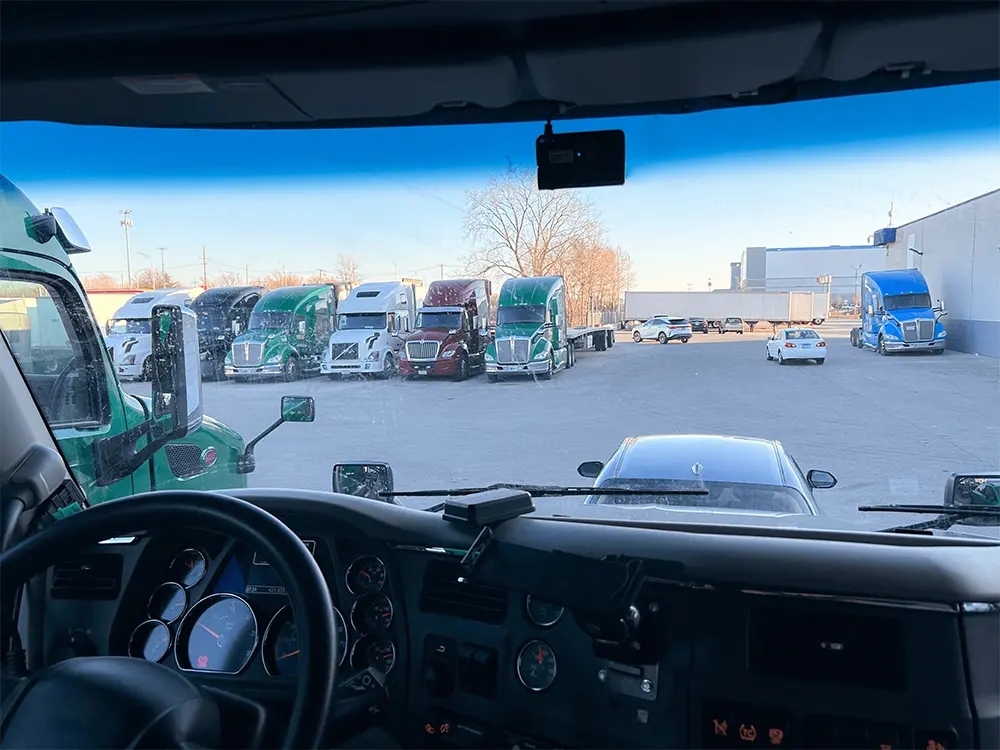
Türkiye'de Kamyon Filosu Yönetimindeki Zorluklar
1. Güvenlik Riskleri: Yorgunluktan kaynaklanan sürüş, cep telefonu kullanımı ve kör nokta çarpışmalarından kaynaklanan sık kazalar. 2024 yılında Türkiye'deki kamyon kaza oranı bir önceki yıla göre %18 arttı.
2. Kontrolsüz İşletme Maliyetleri: Yakıt hırsızlığı ve verimsiz rota planlaması, sefer başına ulaşım maliyetlerini %15-20 oranında artırmıştır.
3. Sık Yaşanan Sigorta Anlaşmazlıkları: Tazminat anlaşmazlıklarının %35'i sorumluluğun belirlenmesindeki zorluk ve video kanıtlarının eksikliğinden kaynaklanmaktadır.
4. Teknolojik Gecikme: Mevcut GPS cihazları ile yerleşik sistemler arasındaki uyumsuzluk.
YUWEI Kamyon Kamera Sistemi
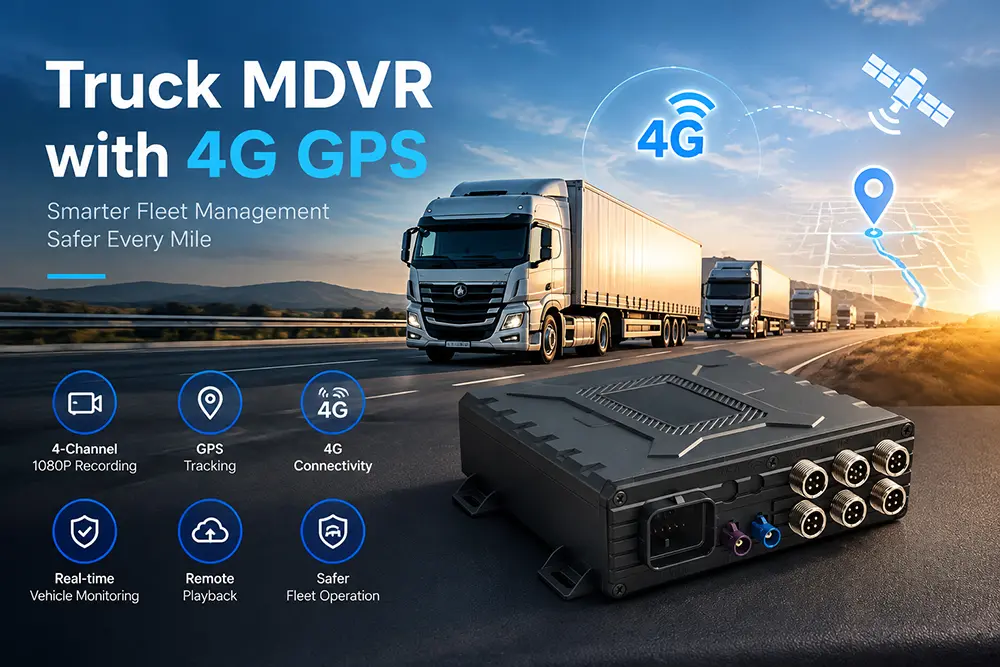
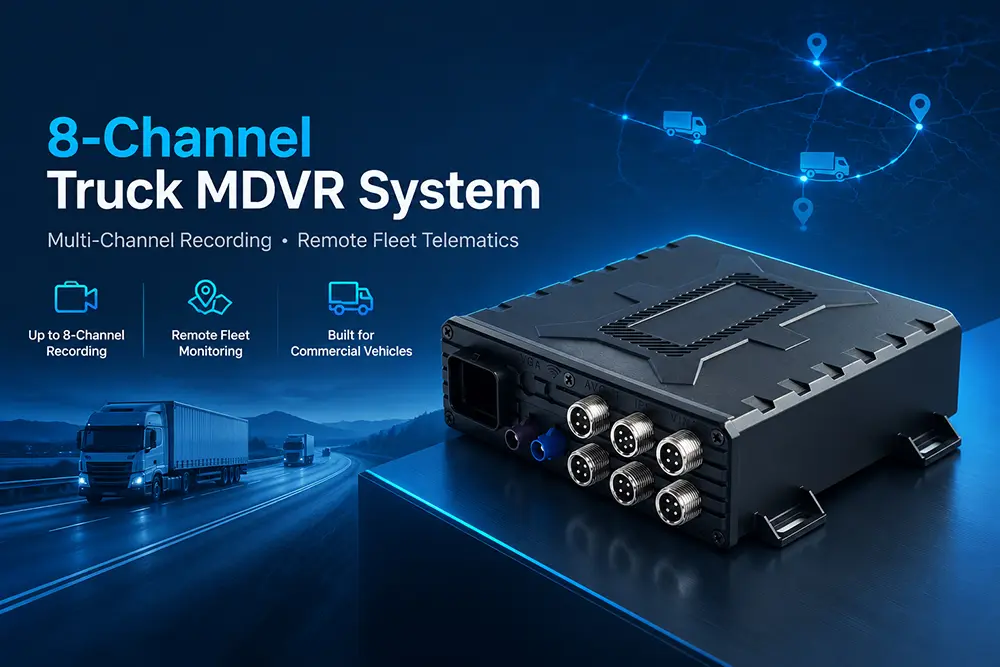
Bu zorlukların üstesinden gelmek için Yuwei, GPS araç kamerası , ADAS (Gelişmiş Sürücü Destek Sistemi), DMS (Sürücü İzleme Sistemi), 360° panoramik görüntüleme ve MDVR (Mobil Dijital Video Kaydedici) entegre eden akıllı bir filo yönetim çözümü sunarak Türk lojistik işletmelerine uçtan uca çözümler sunuyor.
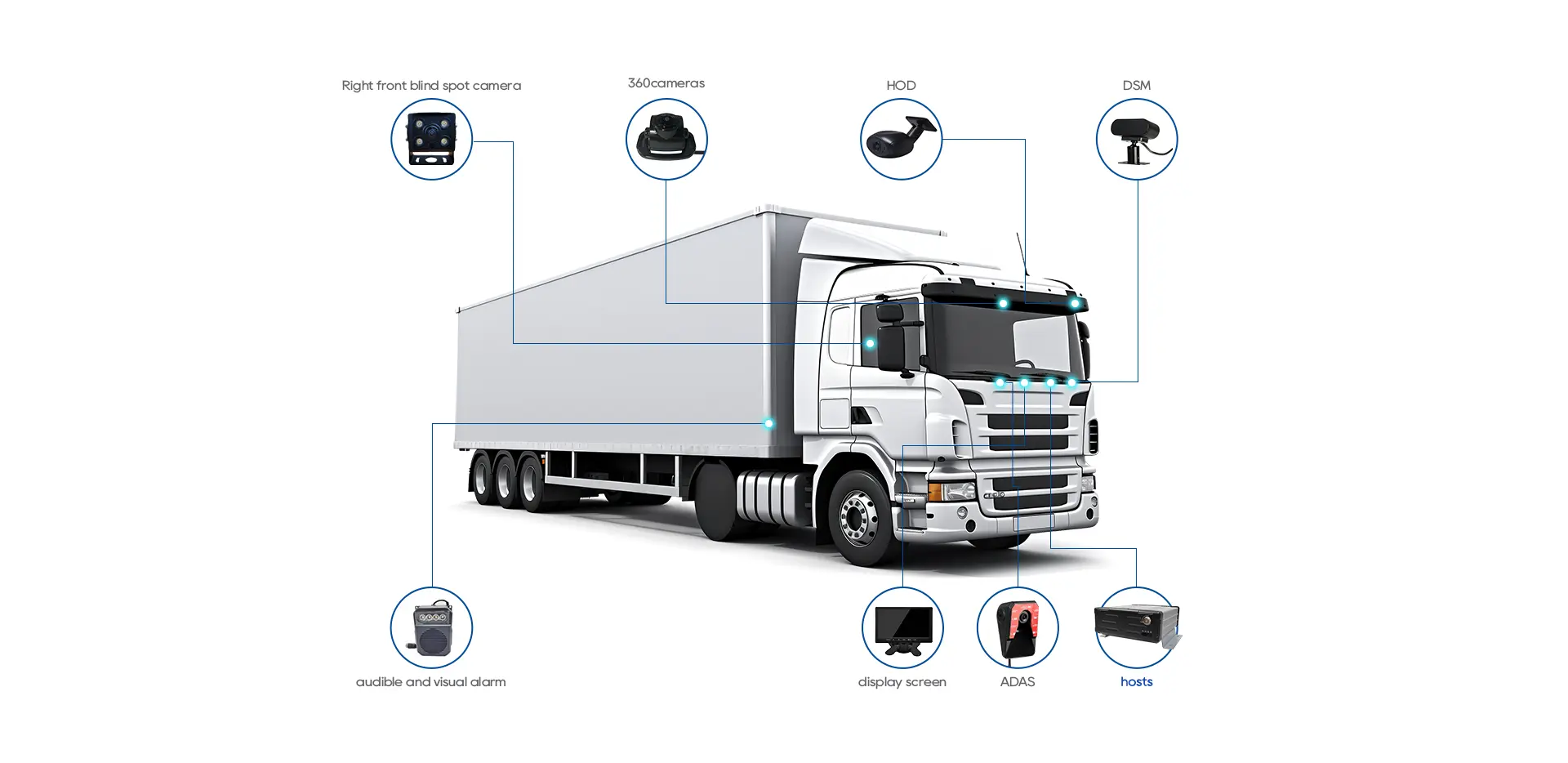
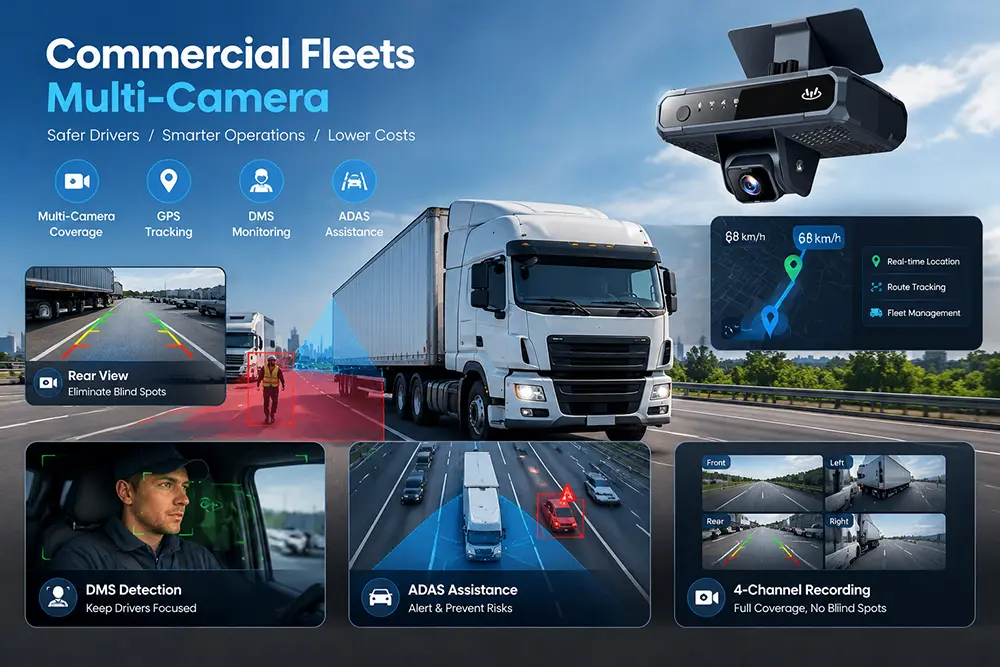
1. 360° Panoramik + ADAS Aktif Uyarı
360° Çevresel Görüş Sistemi: Dört adet geniş açılı kamera ile donatılmış olup, kör nokta olmadan gerçek zamanlı kuşbakışı görüntü sağlar. Dar yollarda daha güvenli geri gidiş ve navigasyon sağlar.
ADAS Akıllı Uyarıları:
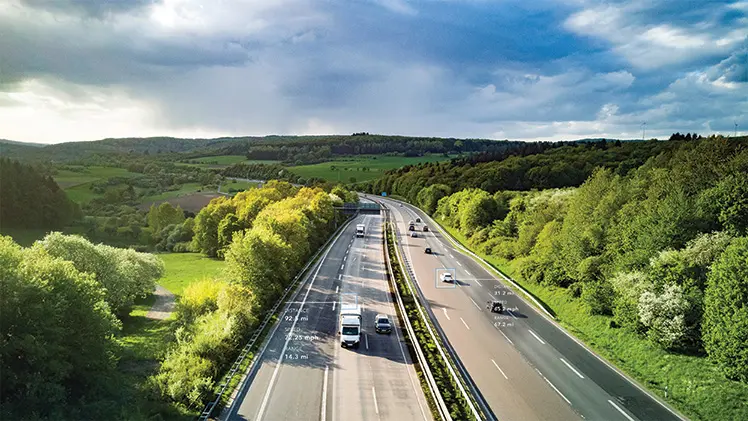
① İleri Çarpışma Uyarısı (FCW)
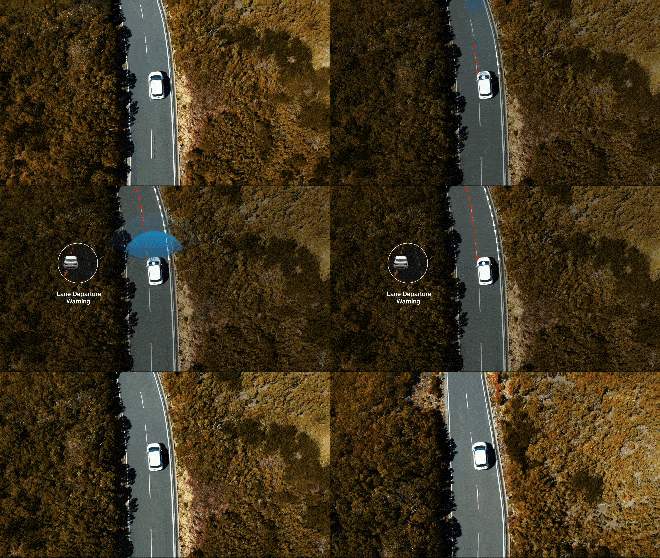
② Şerit Takip Uyarısı (LDW)
③ Kör Nokta Algılama (BSD)
④ Yaya Çarpışma Uyarısı (PCW)
⑤ Yorgunluk Sürüş Algılama (DMS)
⑥ Cep Telefonu Kullanım Tanıma
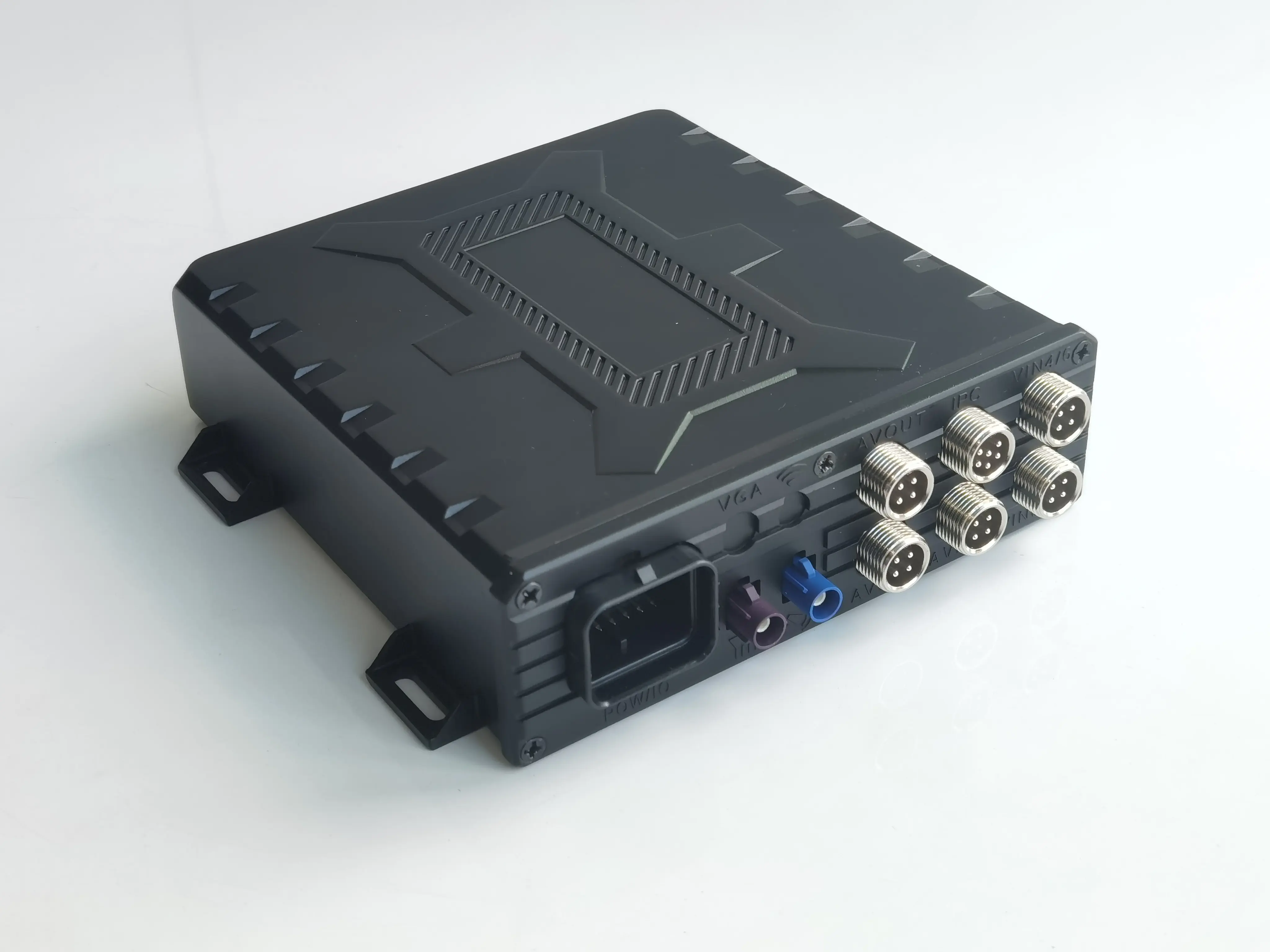
2. MDVR + Telematik
(1) MDVR'nin Temel Özellikleri:
① Çift kanallı kayıt: Hem SD kart hem de bulut yedeklemesiyle 1080P HD video depolamayı destekler.
② Gerçek zamanlı izleme: Çift GPS + BDS konumlandırma, 5 metre içinde oynatma doğruluğu.
③ Olay tabanlı uyarılar: Sert hızlanma/frenleme, aşırı hız ve yorgun sürüş, sesli ve görsel alarmları otomatik olarak tetikler.
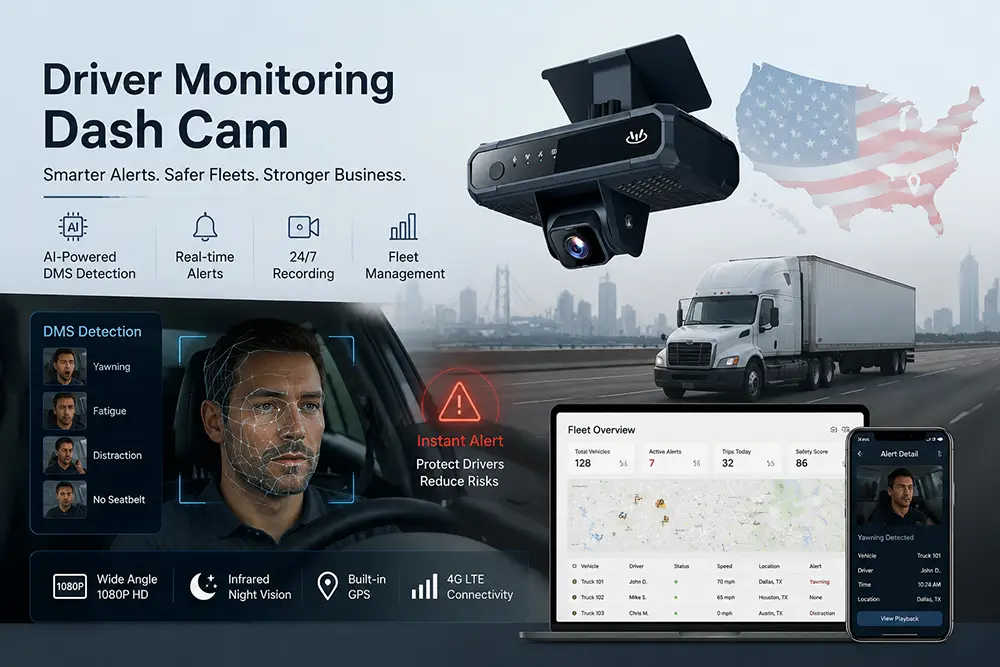
(2) Veri Görselleştirme Platformu:
① Yakıt tüketim analizleri, kilometre raporları ve coğrafi sınırlama yönetimi.
② Sürücü KPI değerlendirmeleri ve kaza görüntülerine tek tıkla erişim.
3. Uyumluluk ve Maliyet Optimizasyonu
① Sigorta Entegrasyonu: Kaza videoları otomatik olarak buluta yüklenir, hasar döngüleri %30'dan fazla kısalır.
② Yakıt Yönetimi: Sürüş davranışı analizi anormal yakıt kullanımını azaltarak araç başına yıllık 2.000 dolardan fazla tasarruf sağlar.
YUWEI Donanım Matrisi: Türkiye Pazarına Özel
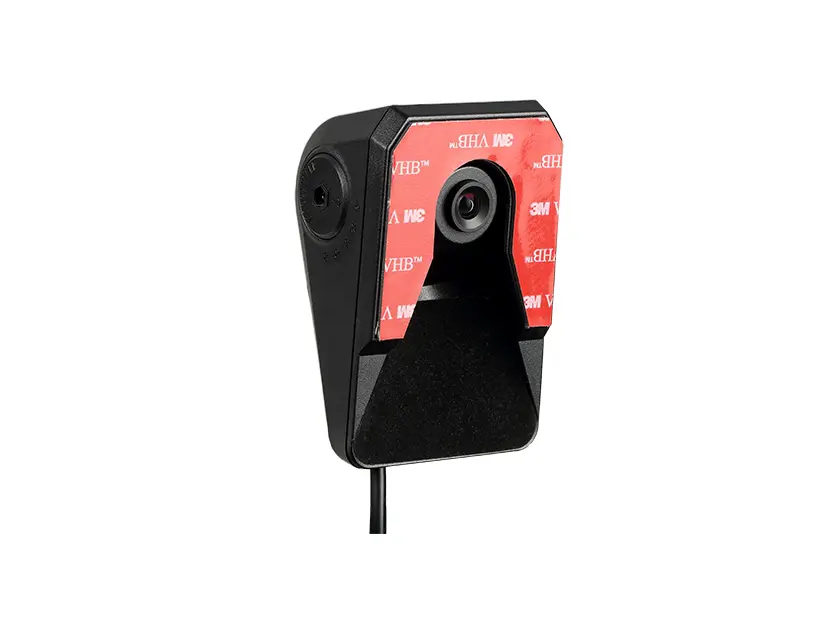
1. Sağ Ön Kör Nokta Kamerası:
Sağa dönüşler ve şerit değiştirmeler için tasarlanan sistem, ölümcül kör noktaları yüksek çözünürlüklü bir görüntüyle kapsıyor. Araçlar veya yayalar sağdan yaklaştığında sistem bir uyarı vererek "sağa dönüşten önce zorunlu dur" kuralını bir teknoloji güvenlik önlemine dönüştürüyor.
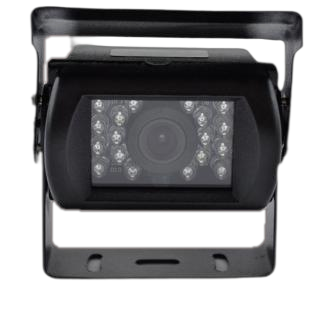
2. 360° Panoramik Kameralar:
Çoklu lensler gerçek zamanlı olarak kusursuz çevreyi bir araya getirerek, dar lojistik alanlarında geri giderken veya manevra yaparken kaygıyı ortadan kaldıran bir "Tanrı'nın bakış açısı" sağlıyor.
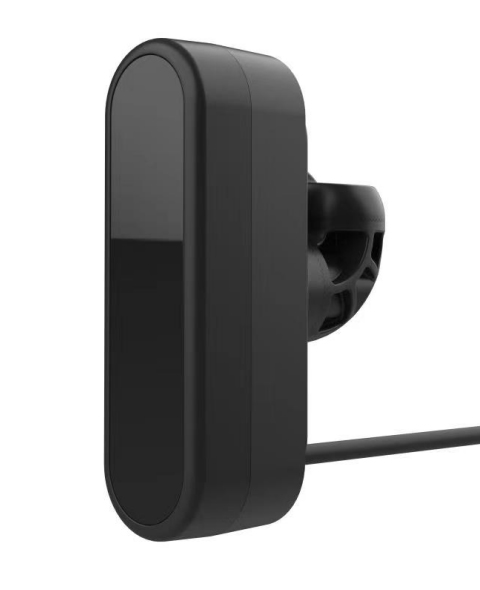
3. Sürücü Durum İzleme (DSM) + Sesli ve Görsel Alarm:
DSM, yorgunluk, dikkat dağınıklığı (telefon kullanımı, sigara kullanımı) ve diğer güvenli olmayan davranışları tespit etmek için kızılötesi algılama ve yapay zeka algoritmaları kullanır. Tespit edildiğinde, alarm sistemi sürücüyü uyandırmak için hem sesli hem de ışıklı uyarılar vererek insan hatası risklerini en aza indirir.
4. ADAS (Gelişmiş Sürücü Destek Sistemi) + Ana Ünite:
Milimetre dalga radarı ve kameraları entegre eden ADAS, ön çarpışma uyarısı, şeritten ayrılma müdahalesi ve adaptif mesafe kontrolü gibi proaktif savunma işlevlerini mümkün kılar. Ana birim, öngörücü güvenlik kararları için çok kaynaklı verileri milisaniyeler içinde işleyerek "akıllı beyin" görevi görür ve kamyonların deneyimli profesyoneller gibi sürmesini sağlar.
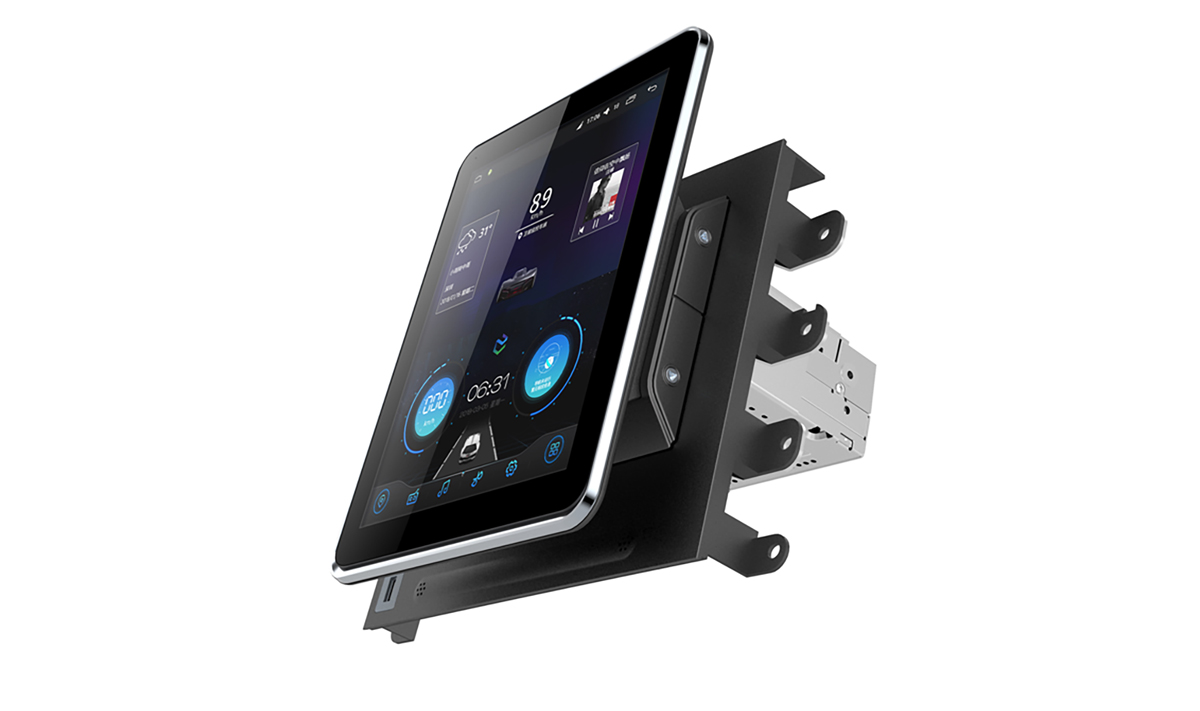
5. Ekran Görüntüsü:
İnsan-makine etkileşiminin merkezi noktası: Kör nokta akışlarını, panoramik görüntüleri ve uyarı mesajlarını tek bir arayüzde birleştirir. Karmaşık sürüş ortamlarında karar alma verimliliğini %30'un üzerinde artırır.
Daha fazla bilgi veya çevrimiçi demo için YUWEI mühendisleriyle iletişime geçin:
E-posta: hello@yuweitek.com