













FAQ on Vehicle DMS Camera Installation
Vehicle DMS Camera Installation
When installing video surveillance in a fleet, the first reaction of many fleet managers is, "As long as it ensures safety, it's fine." However, for fleet managers overseeing overseas fleets, there is another critical issue to consider: will a camera facing the driver cross privacy and compliance red lines? This article focuses specifically on this topic.
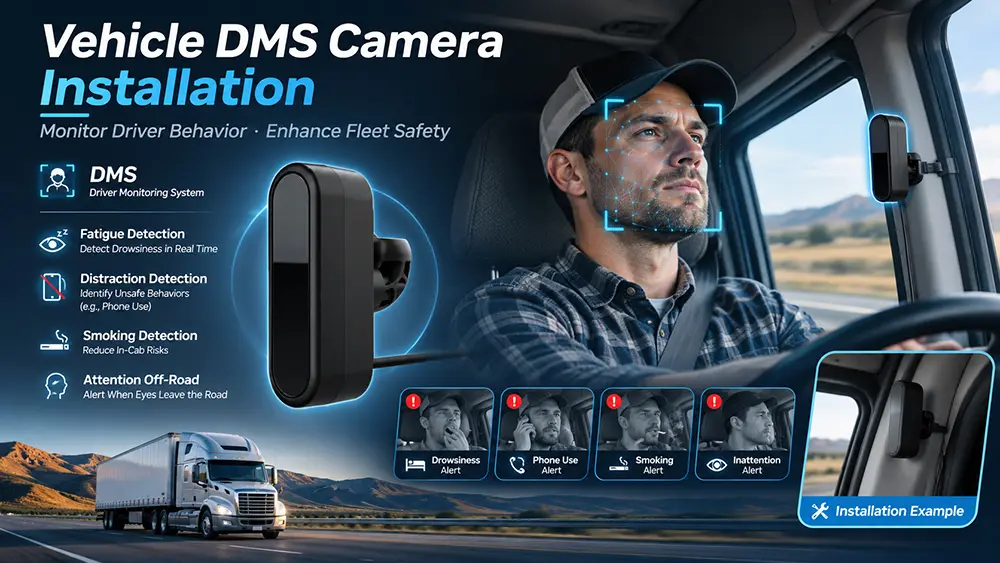
What is the difference between filming the road ahead and filming the driver?
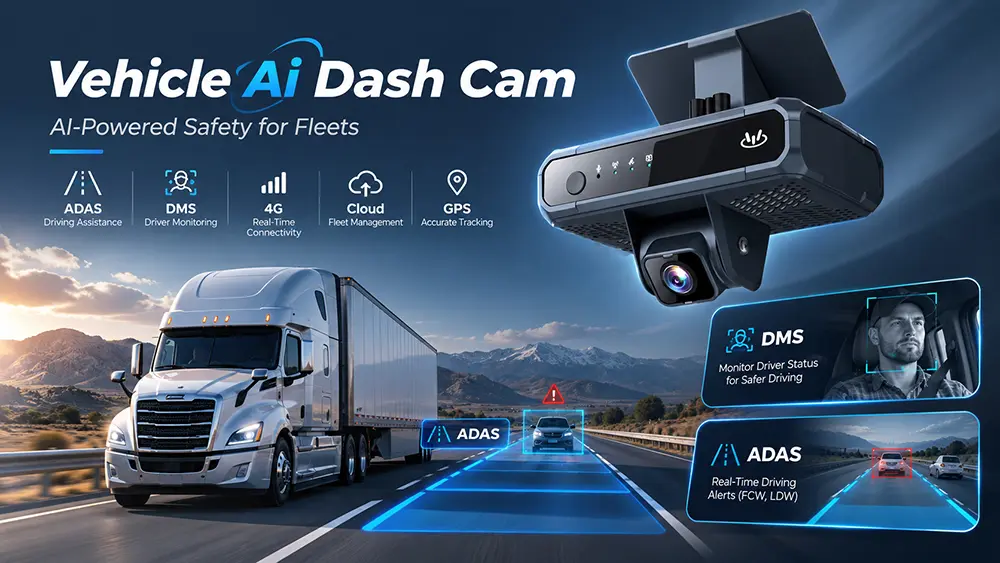
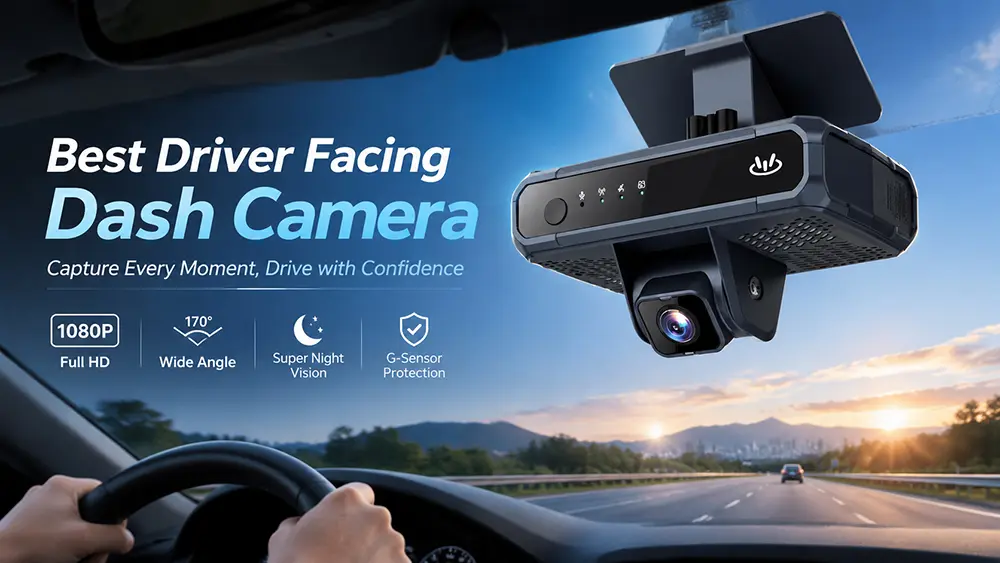
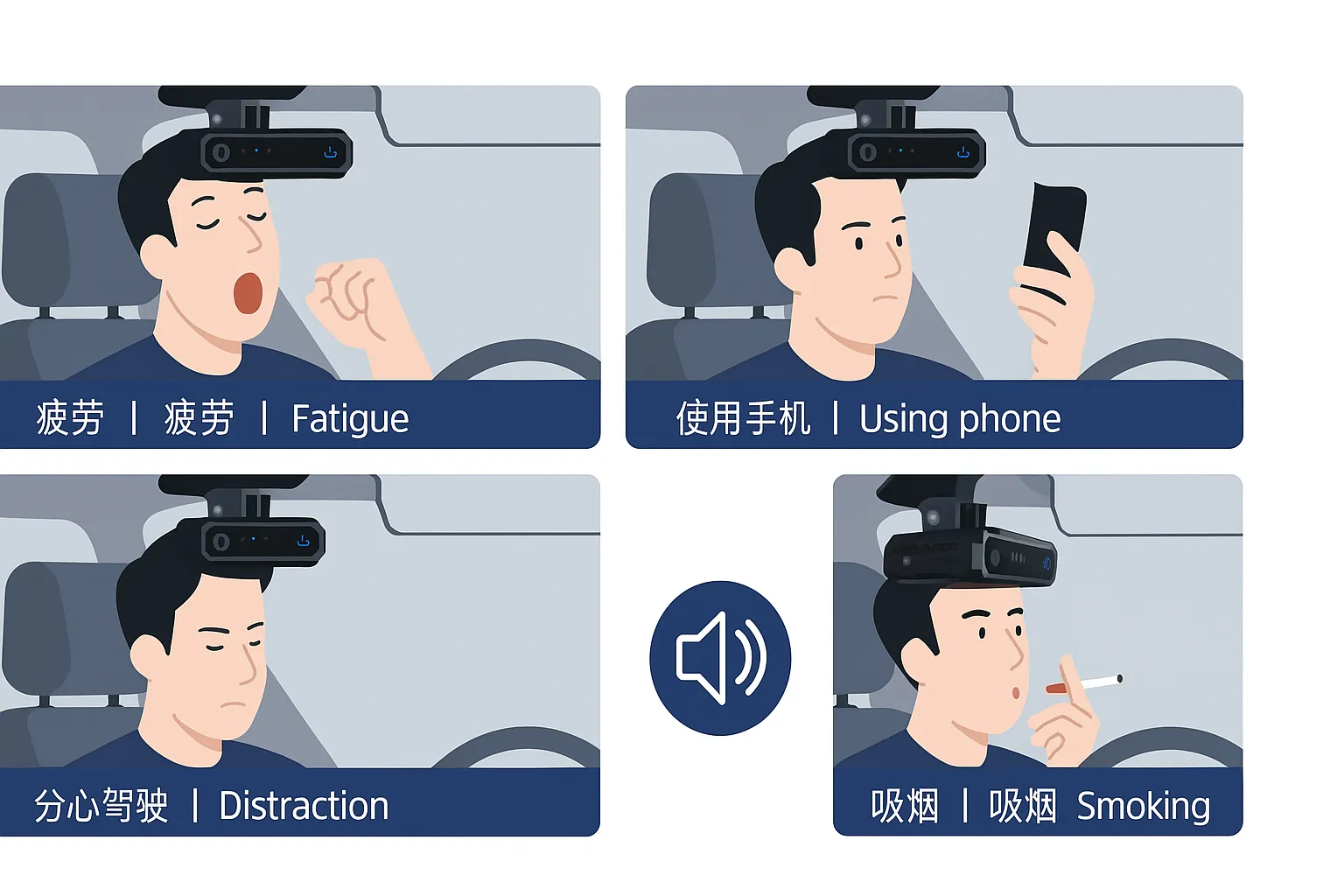
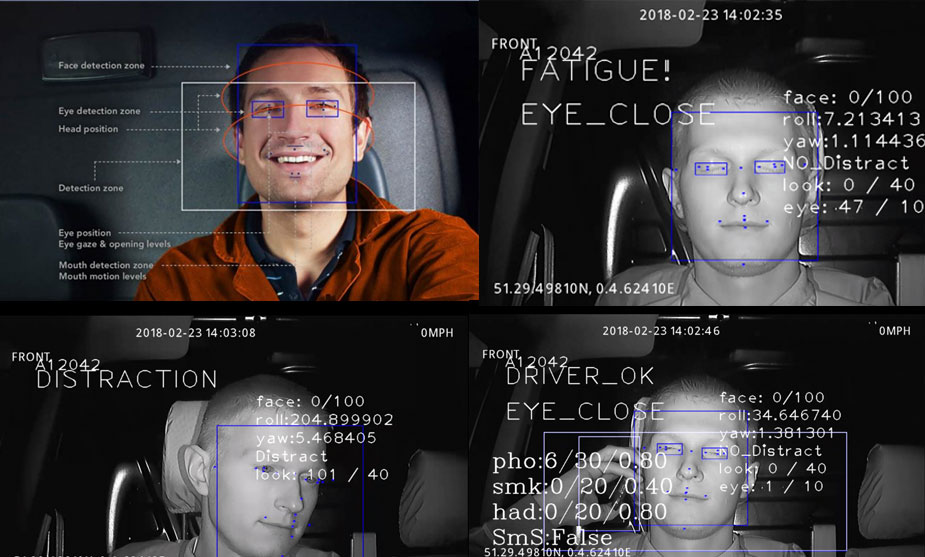
Forward-facing cameras primarily record road conditions and serve as evidence in accidents. In-cabin DMS cameras record the driver's gaze, facial expressions, and movements, involving personal data and the evaluation of work behavior and driving violations (such as drunk driving, fatigue driving, smoking, and using a mobile phone). Consequently, the compliance requirements are significantly higher.
Whether the latter can be installed, how the data is stored, and who has access to view it must be clearly defined before the system goes live, rather than trying to provide explanations after a dispute arises.
How does the EU classify this type of AI system?
Annex III of the EU AI Act — Regulation (EU) 2024/1689 (as amended by Regulation (EU) 2026/1744) classifies AI systems used to monitor and evaluate the performance and behavior of persons in work-related relationships as high-risk uses. Deployers have obligations such as informing affected employees and improving employees' AI literacy.
Which specific in-vehicle functions fall into which category depends on the actual intended purpose of the system. It is recommended to conduct a classification analysis during the solution design phase, rather than waiting for labor unions or regulators to inquire.
What are the notification and data retention requirements in different markets?
Notification Requirements
The UK Information Commissioner's Office (ICO) guidelines require that:
1.Employees know what personal data is being collected and how it is used.
2.Organizations first consider whether there is a less intrusive way to achieve the same purpose.
3.Employees are consulted before introducing new monitoring, and the scope of monitoring is limited to what is necessary for a specific purpose.
Data Retention Requirements
1.China (Local Reference Draft): A domestic local dynamic monitoring management reference draft (Guiyang Draft for Public Comment, feedback deadline August 14, 2026) proposes that trajectory data and alarm audio/video be retained for no less than 6 months, while illegal driving information and handling records must be saved for at least 3 years.
2.Vietnam: Decree No. 319/2026/NĐ-CP specifies tiered minimum retention periods: no less than 30 days locally on the journey monitoring device, no less than 1 year on the server, and no less than 3 years for traffic police retrieval; driver images must be retained for no less than 3 days, and passenger cabin video for no less than 10 days.
Before expanding overseas, requirements must be verified one by one according to the destination country.
How can implementation be carried out safely and reliably?
1.Provide a one-page written notice before going live: Specify the camera orientation, trigger conditions, who can view the footage, how long it is retained, when it is deleted, and explicitly state what the data will not be used for.
2.Treat AI alerts only as signals: Alerts should first undergo manual review and be judged in context before deciding whether to take action, giving drivers the opportunity to explain.
3.Separate coaching for improvement from disciplinary action: Algorithms must not directly determine disciplinary measures.
4.Start with a small-scale pilot: Record false alarms and threshold issues first, then gradually roll out the system.
Summary of Perspectives
The safety value and evidentiary value of in-vehicle video surveillance have been repeatedly proven. However, when facing overseas clients and integrators, compliance design—notification, data minimization, retention periods, and human review—should be evaluated on the same selection checklist as hardware and algorithms. Beyond whether the device can connect to the internet and record video, "how it is used, who can see it, and how long it is stored" are equally critical questions that must be clearly answered before closing a deal.
Email:hello@yuweitek.com