












Vehicle Ai Dash Cam Replaces Standard Dashcams
Vehicle Ai Dash Cam
In 2026, the global fleet monitoring industry reached its biggest watershed moment: standard dashcams that only record video are being phased out in bulk by both Chinese and overseas fleets.
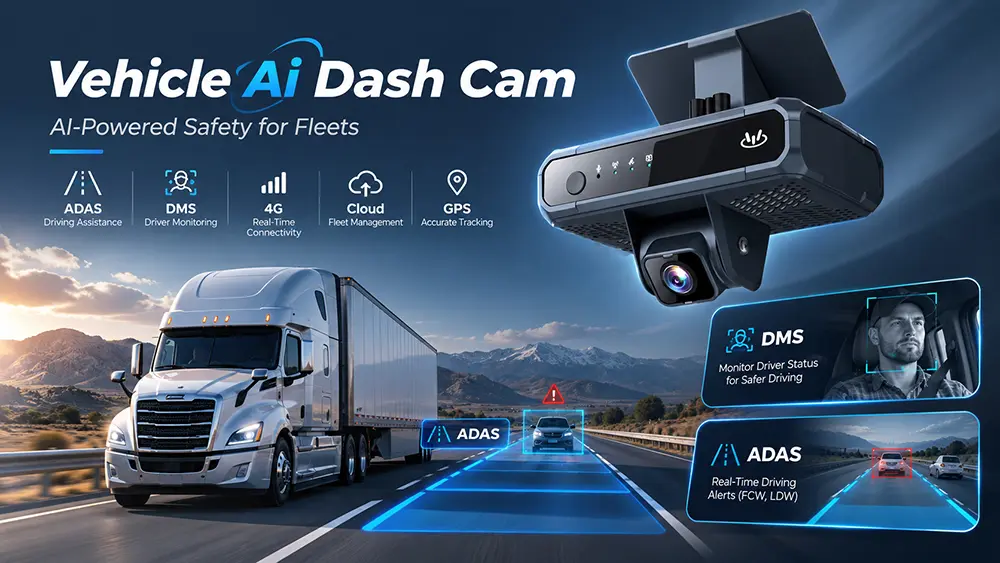
The latest industry data shows that over 70% of newly added commercial vehicle monitoring projects this year are equipped with AI video analytics, DMS (Driver Monitoring System), and ADAS (Advanced Driver Assistance System) active warning functions. Video-only devices no longer meet compliance, insurance, and fleet risk management requirements (Source: 2026 Global In-Vehicle Intelligent Driving Industry Report).
Why Are Standard Dashcams Completely Unsuitable for Fleets?
Many logistics, construction, and sanitation fleet owners are still using traditional monitoring systems:
1.Recording only, no alerts: Incidents are only discovered after an accident has already occurred.
2.No risky behavior detection: Unable to identify fatigue driving, phone usage, or distracted driving.
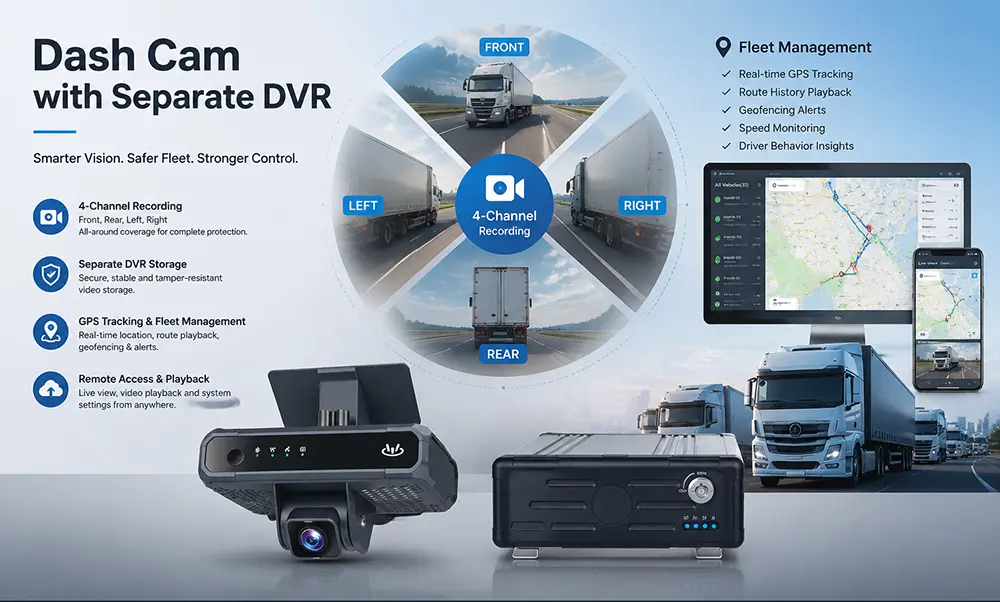
3.No blind spot detection: Leading to frequent right-turn accidents involving construction vehicles.
4.Unreliable performance: Videos are easily lost, devices go offline in high temperatures, and backend connections frequently drop.
5.No insurance integration: Unable to connect with insurance risk management systems, making liability determination difficult after an accident.
Real Fleet Case Study
A 30-vehicle dump truck fleet in the Pearl River Delta had standard 4-channel dashcams installed across all trucks. Within six months, the fleet experienced 3 driver fatigue accidents and 2 blind spot scrapes. The insurance company directly raised the fleet's overall premiums, transportation authorities issued multiple warnings and rectification orders during quarterly inspections, and monthly losses exceeded tens of thousands of yuan.
After upgrading to in-vehicle AI monitoring + DMS terminals: Real-time pop-up alerts were triggered for driver distraction, closed eyes, and looking down at phones, while pedestrians and vehicles in blind spots triggered automatic warnings. The fleet's accident rate dropped directly by 75%, and it smoothly passed annual inspections and compliance checks.
The 2026 Fleet Standard: AI Active Safety Monitoring
Currently, top domestic and international fleets, overseas buyers, and security integrators have unified their upgrade standards:
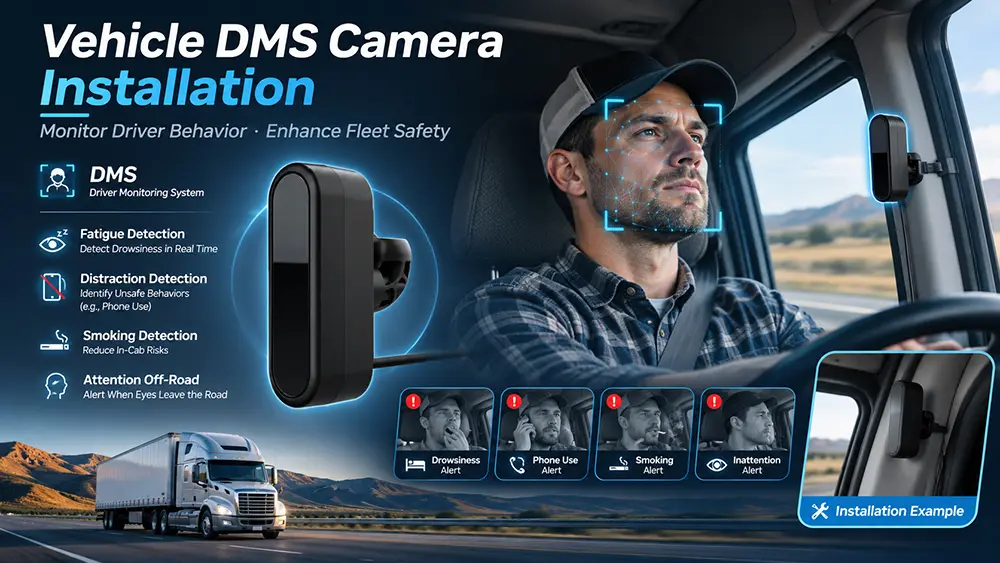
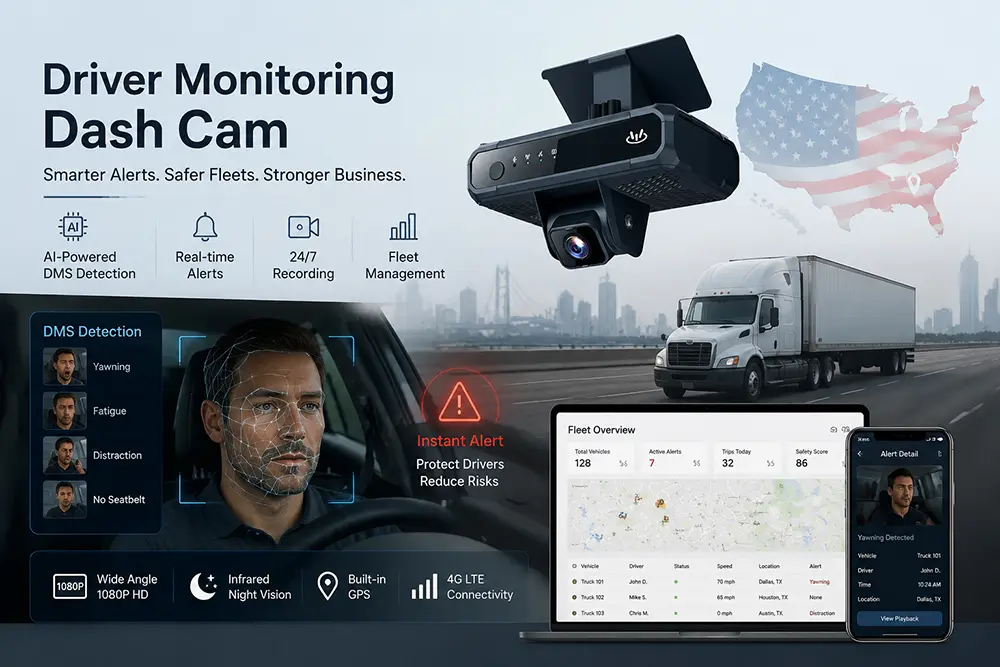
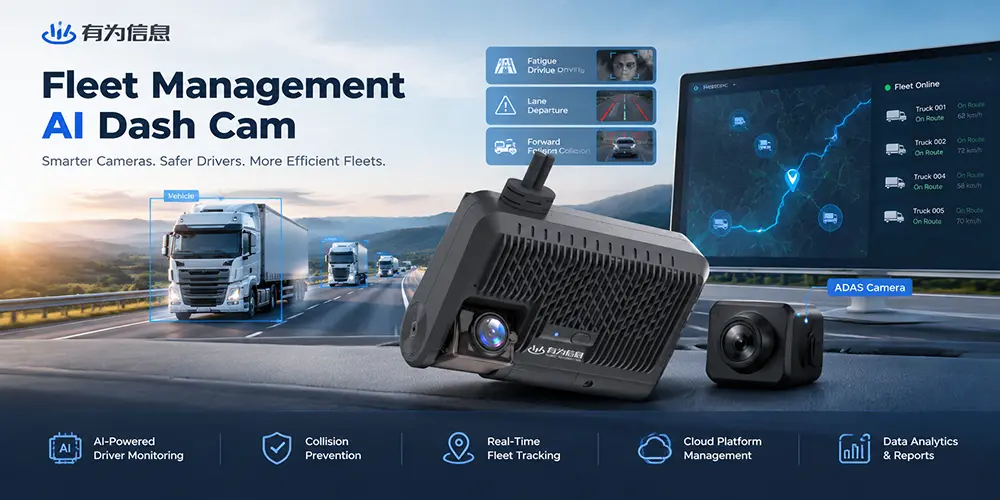
1.DMS Driver Behavior Monitoring Accurately identifies fatigue, closed eyes, smoking, and phone calls—shifting from "reviewing footage after the fact" to preventing accidents before they happen.
2.ADAS Lane Departure & Forward Collision Warning Significantly reduces the risk of rear-end collisions and lane drifting during highway and long-haul transport.
3.BSD AI Blind Spot Detection An essential requirement for construction vehicles, buses, and heavy-duty trucks, eliminating the biggest safety blind spots.
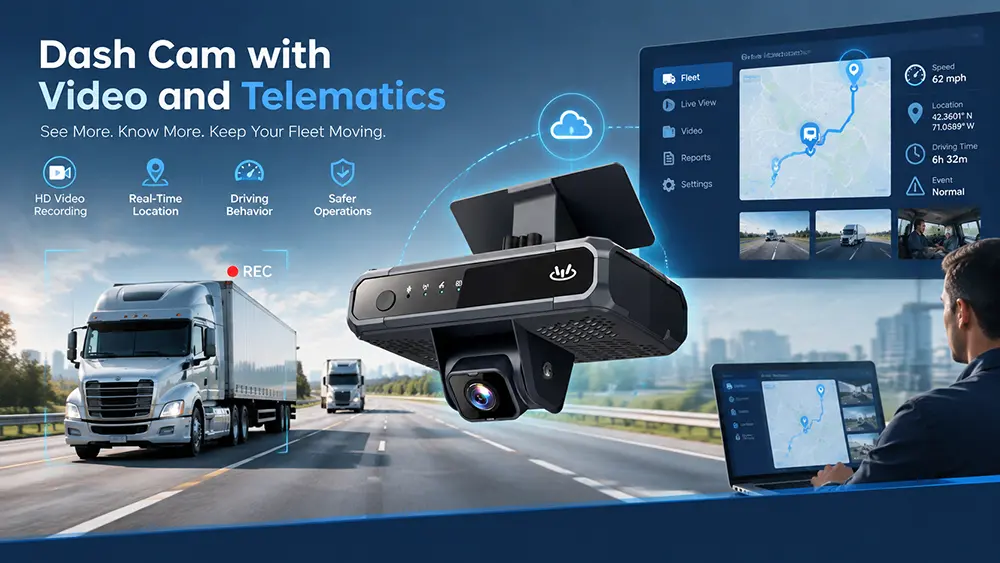
4.4G Full-Network Stable Connectivity CAT4 high-speed transmission ensures uninterrupted connectivity in mountainous and remote routes, allowing the backend to view live footage at any time.
5.Industrial-Grade Wide-Temperature Storage Built to withstand extreme temperatures from -40°C to 85°C, ensuring no video loss or system freezes even under scorching sun or freezing cold.
Industry Trend: Dual Pressure from Compliance and Insurance
In 2026, new freight regulations in Europe, the US, Southeast Asia, and China continue to tighten. Vehicles without AI active safety monitoring are gradually becoming unable to pass annual inspections or qualify for insurance discounts.
Future fleet competition will no longer be about who has the cheapest equipment, but about risk management capabilities, compliance stability, and digital management efficiency.
1.Standard Dashcam = Only keeps evidence.
2.In-Vehicle AI Monitoring = Prevents accidents, saves on fines, lowers insurance premiums, and manages drivers effectively.
For fleets aiming to reduce costs, ensure safety, and stay compliant, AI intelligent terminals are now a mandatory standard.
If you have needs regarding fleet equipment selection, overseas frequency band adaptation, or bulk retrofitting, feel free to speak with YUWEI's engineers.
Email:hello@yuweitek.com