











UK Taxi & PHV DVR Dash Cam System
UK Taxi & PHV Tracking Management
Current Status of the UK Taxi and Private Hire Vehicle Market
The UK boasts one of Europe’s most mature markets for taxis and Private Hire Vehicles (PHVs), with the industry undergoing a transformation from traditional taxi supervision models to digital fleet management systems. According to the latest taxi and private hire vehicle statistics released by the UK Department for Transport, as of April 2024, there were approximately 313,000 licensed taxis and Private Hire Vehicles (Taxis & PHVs) across England. This figure includes around 56,400 traditional Hackney Carriages, alongside roughly 256,600 Private Hire Vehicles (PHVs, mainly ride-hailing fleets such as Uber and Bolt), with PHVs accounting for about 82% of all licensed vehicles.
As Uber, Bolt and local private hire operators continue expanding their market reach, the UK taxi sector has formed a dual-track operation system combining traditional Black Cabs and PHV ride-hailing platforms. Meanwhile, cities including London, Manchester, Birmingham and Glasgow have raised stricter standards for vehicle safety supervision, passenger protection and operational transparency. This has pushed taxi operators to widely adopt DVR dashcam video surveillance, GPS tracking, AI driving analytics and Telematics remote information processing systems, delivering comprehensive improvements in vehicle safety, driver management and operational efficiency.

Upgrading of the UK Taxi Industry
The key distinction between the UK market and other global markets lies in the fact that its taxi industry prioritizes:
Safety Supervision + Service Quality + Data Compliance
rather than simply expanding vehicle fleets.
1. Rigorous Requirements for Passenger Safety Supervision
UK taxis serve a wide range of travel scenarios:
• Urban daily commutes
• Airport transfers
• Nighttime journeys
• Transport for elderly and vulnerable passenger groups
Operators are therefore obligated to guarantee:
• Traceability of all passenger complaints
• Reconstruction of liability for traffic incidents
• Real-time monitoring of driver behaviour
Conventional GPS tracking only displays vehicle locations, and cannot identify:
• Driver fatigue
• Reckless driving conduct
• Conflicts occurring inside passenger compartments
2. Operation Modes of Black Cabs and PHVs
The structure of the UK taxi market is undergoing fundamental shifts:
Traditional Hackney Carriages
Core characteristics:
• Available for street hailing
• Distinct branded vehicle livery
• Stringent regulatory oversight
Private Hire Vehicles (PHVs)
Core characteristics:
• Pre-booking mandatory
• Fully app-dependent operations
• Platform-managed fleets
Both vehicle categories jointly drive rising demand for:
• Video evidence recording
• Cloud-based dispatch management
• Standardized driver behaviour oversight
3. Driven by European Intelligent Transportation Trends
UK fleets are progressively deploying the following technologies:
• AI driver assistance systems
• Cloud vehicle management platforms
• Video-enabled insurance solutions
• EV operation performance analytics
Fleet management workflows are shifting from:
Manual Supervision → Data-Driven Intelligent Supervision
Architecture of Intelligent DVR Systems for UK Taxis
Intelligent DVR solutions tailored for the UK taxi and ride-hailing market adopt a three-tier framework:
On-Board Sensing Layer + Video Processing Layer + Cloud Telematics Management Platform
① Vehicle Sensing Layer
This layer collects real-time operational data from moving vehicles.
Core hardware components are listed below:
Intelligent Dash Cams
Primary applications:
• Road footage recording
• Synchronization with GPS trajectory data
• Automatic storage of collision footage
• Remote real-time video playback
Ideal for:
• Uber and Bolt ride-hailing vehicles
• Small independent taxi operators
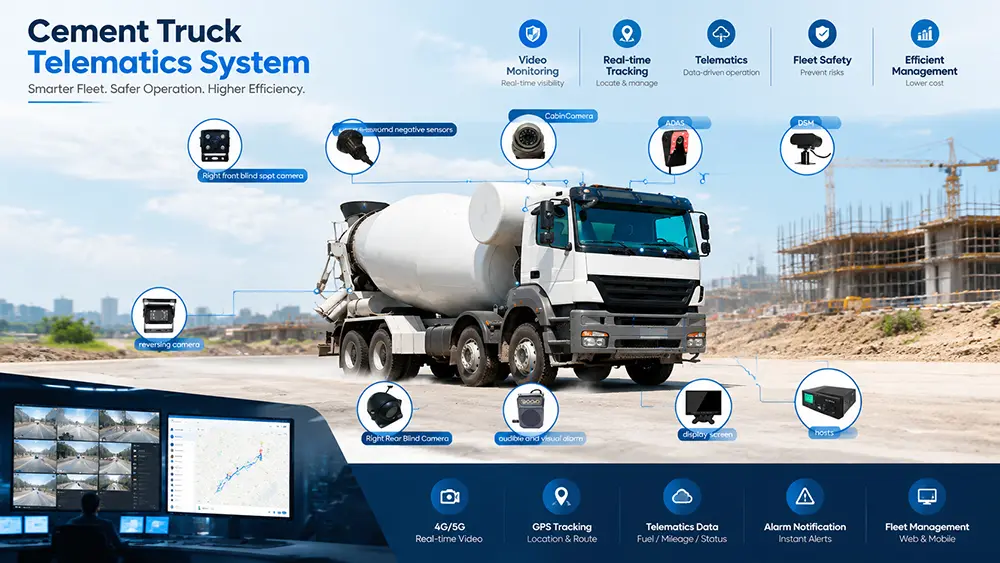
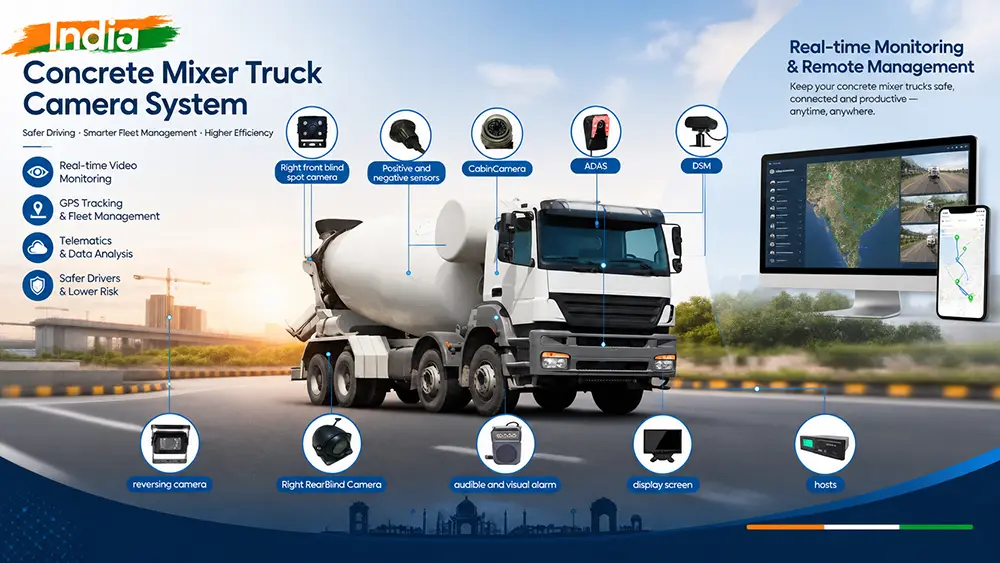
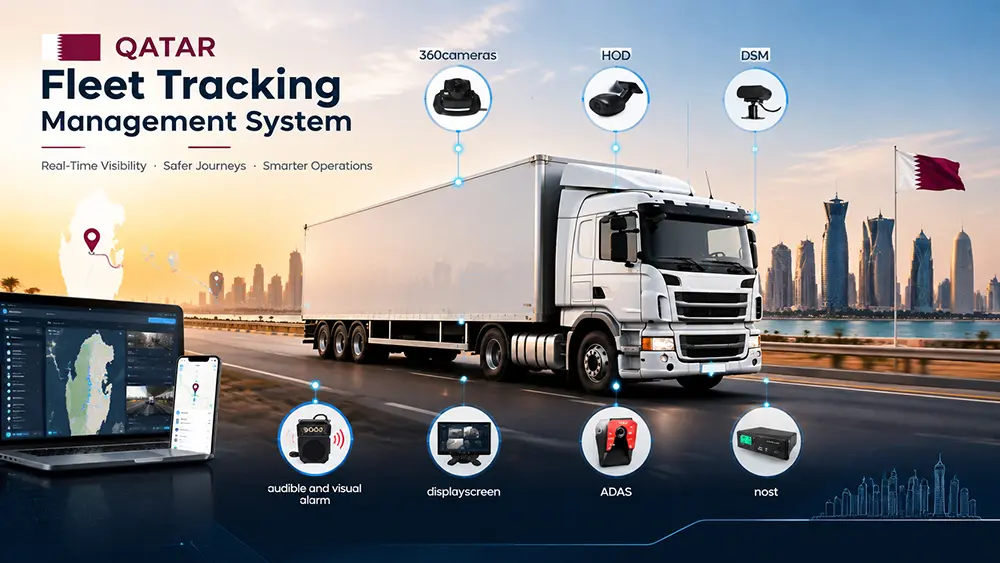
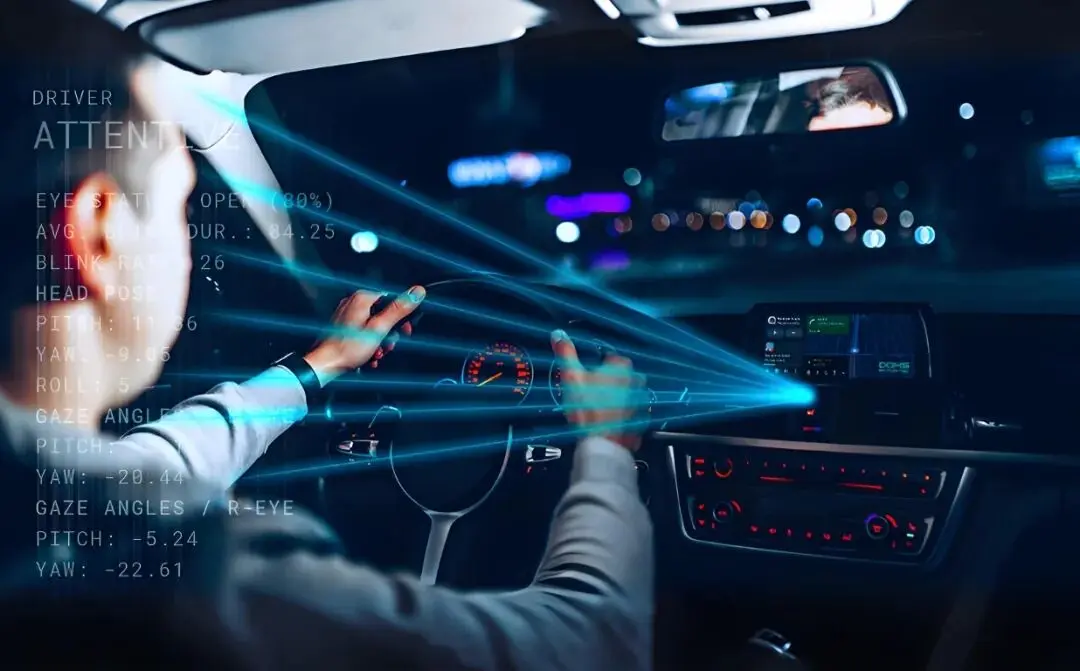
DSM Driver Monitoring Cameras
Designed to detect the following risky driver states:
• Fatigued driving
• Eye closure and yawning
• Mobile phone usage while driving
• Distracted attention
Enables fleets to build standardized driver safety rating frameworks.
ADAS Advanced Driver Assistance Cameras
Delivers active safety alerts including:
• Forward collision warnings
• Lane departure reminders
• Pedestrian detection
• Safe following distance analysis
Especially suited to UK operating environments featuring:
• Rainy and snowy weather conditions
• Complex urban road networks
• Night shift passenger transport
② On-board Processing Layer
Central core hardware:
MDVR (Mobile Digital Video Recorder)
Functioning as the vehicle’s on-board data hub, MDVR supports:
• Multi-channel camera integration
• Synchronized multi-angle video recording
• Fusion of GPS location data
• Local secure video storage
• 4G/5G remote data transmission
For large UK taxi firms and airport transport fleets, MDVR enables simultaneous monitoring of:
• Forward road views
• Driver cabin area
• Rear passenger compartment
• Vehicle blind spots
Achieving full 360° visual oversight of every vehicle.
③ Cloud Telematics Fleet Management Platform
The cloud platform undertakes the following core operations:
• Real-time vehicle geolocation tracking
• Historical route playback
• Remote video stream retrieval
• Automated driving behaviour analytics
• Instant alerts for high-risk driving events
• Comprehensive operational data statistics
This creates a closed-loop intelligent operation workflow:
Video Capture → AI Risk Analysis → Cloud Centralized Management → Data-Driven Operations
Core Hardware Solutions for UK Taxi DVR Dash Cams
1. Fleet Dash Cams
Key Functions:
• High-definition road video recording
• Synchronized GPS positioning
• 4G remote live viewing
• Automatic locked footage storage during collisions
• Cloud-based evidence archiving
Applicable Scenarios:
• Independent ride-hailing drivers
• Solo taxi operators
• Small-scale local fleets
2. MDVR
Key Functions:
• Multi-channel camera connectivity
• Centralized on-board video storage
• Integrated GPS data analytics
• Remote backend fleet administration
Applicable Scenarios:
• Black Cab operating companies
• Large PHV ride-hailing fleets
• Corporate executive transfer vehicles
3. ADAS Systems
Core Capabilities:
• Forward collision early warning
• Lane departure detection
• Pedestrian hazard identification
• Safe following distance reminders
Operational Value:
Reduces the frequency of:
• Urban rear-end collisions
• Night driving safety hazards
• Traffic accidents in adverse weather
4. DSM – Driver Status Monitoring System
Detects the following unsafe driving behaviours:
• Fatigued driving
• Distracted driving
• Handheld mobile phone operation
• Aggressive and reckless driving
Fleet Operational Benefits:
• Early identification of potential safety risks
• Standardization of driver driving habits
• Significant reduction in accident rates
5. Display Screen – Intelligent On-Board Interaction Terminal
Built-in Functions:
• Real-time multi-angle video display
• Reverse driving assist visuals
• Blind spot live monitoring
• Real-time dispatch order notifications
Improves driver performance via:
• Enhanced environmental situational awareness
• Streamlined daily operational workflows
• Overall driving safety upgrades
How Telematics Reshapes UK Fleet Management
For the UK market, the core value of DVR systems extends far beyond basic video recording — the technology leverages vehicle data to boost overall operational performance.
1. Intelligent Fleet Dispatching
The cloud platform supports the following operational optimizations:
• Real-time tracking of all vehicle locations
• Analysis of high-demand passenger order hotspots
• Dynamic vehicle deployment optimization
• Reduction in empty mileage rates
2. Video Evidence for Passenger Complaints and Incident Claims
The system archives complete evidence packages including:
• Multi-angle video footage
• Full GPS driving trajectories
• Precise time-stamped operational logs
Used officially for:
• Formal passenger complaint resolution
• Insurance accident claim processing
• Liability determination in traffic collisions
3. Automated Driving Behaviour Scoring
The platform autonomously analyzes risky driving metrics:
• Sudden harsh braking
• Speeding violations
• Aggressive rapid acceleration
• Signs of driver fatigue
Outputs a standardized quantitative driver safety scoring model.
4. Operational Cost Optimization
Data analytics unlock measurable cost savings through:
• Optimized driving route planning
• Lower overall fuel consumption
• Reduced vehicle wear and tear
• Improved vehicle asset utilization rates
Typical Deployment Scenarios in the UK
1. London Black Cabs
Key operational traits:
• Strict local regulatory control
• Central urban concentrated operations
• Premium standardized passenger service requirements
Recommended Hardware Combination:
MDVR + DSM + On-Board Display Screen
2. Uber / Bolt PHV Ride-Hailing Vehicles
Key operational traits:
• High-volume daily passenger orders
• Centralized platform fleet governance
Recommended Hardware Combination:
Dash Cam + DSM + Telematics Cloud Platform
3. Airport & Corporate Executive Transfer Vehicles
Key operational traits:
• Long-distance cross-city driving
• High-end passenger service expectations
Recommended Hardware Combination:
MDVR + ADAS + DSM
The UK taxi and private hire vehicle market holds a licensed fleet of over 310,000 operational vehicles, with PHVs representing the primary growth segment. Amid continuously tightening UK transportation regulations, elevated safety benchmarks and rising demand for fully digitalized operations:
Integrated DVR Dash Cams, MDVR, ADAS, DSM and Telematics remote information processing platforms have become essential digital infrastructure for the comprehensive upgrade of the UK taxi and ride-hailing industry.
Email:hello@yuweitek.com