










AI Dash Cam Benefits for Fleet Management
What is an AI Dash Cam and Video Telematics?
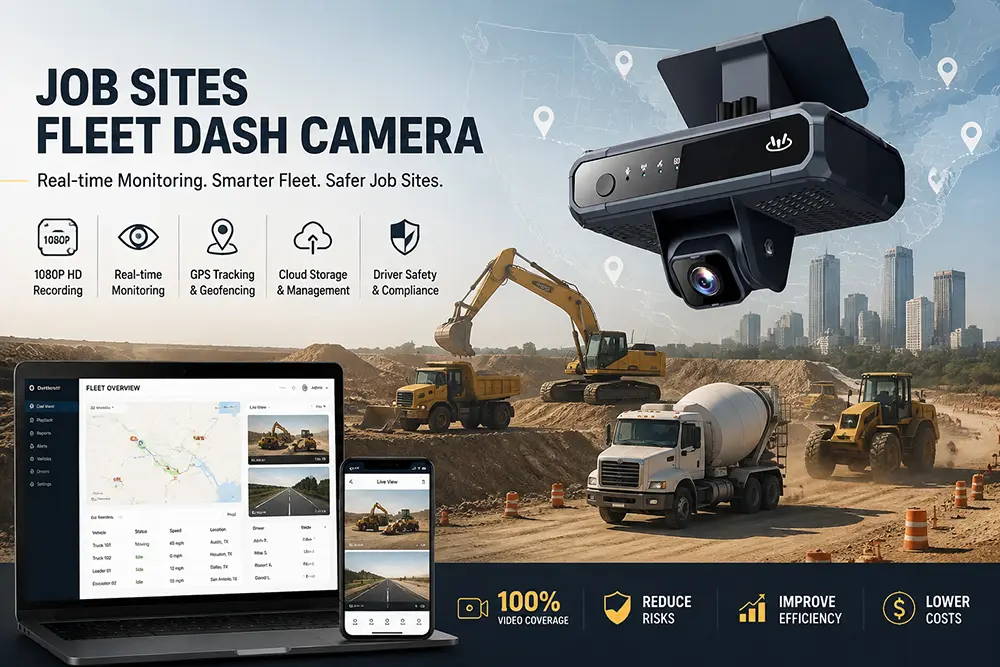
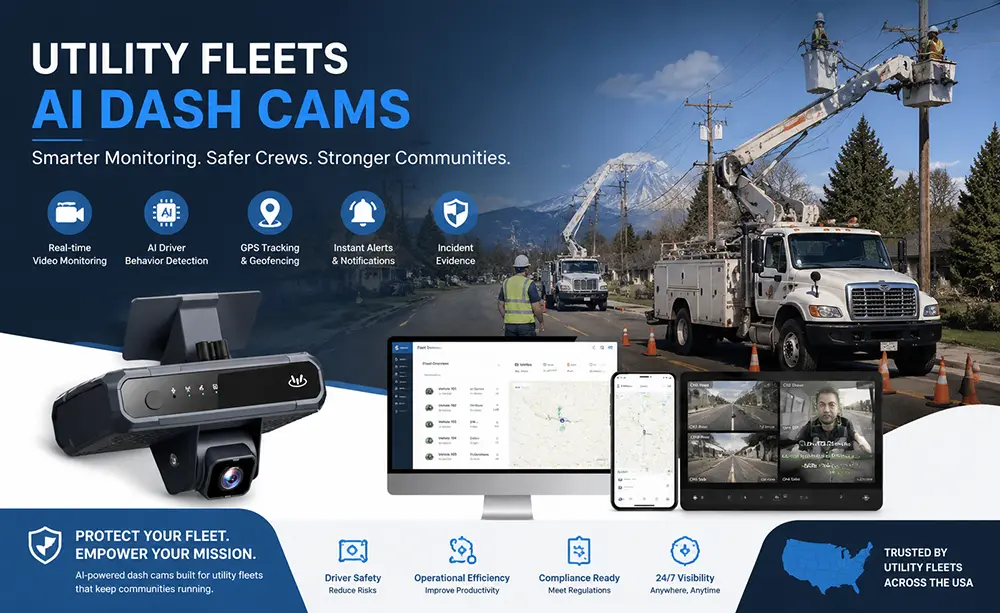
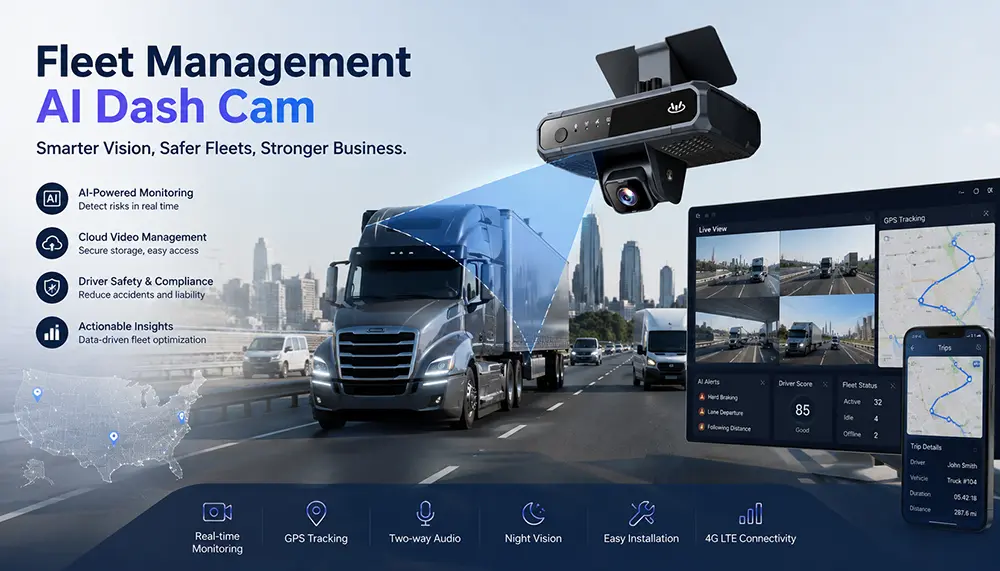
An AI Dash Cam is an advanced device that utilizes artificial intelligence to analyze video footage in real time. It can automatically identify dangerous behaviors—such as distracted driving, drowsy driving, and tailgating—issuing automatic alerts and saving critical footage without any driver intervention.
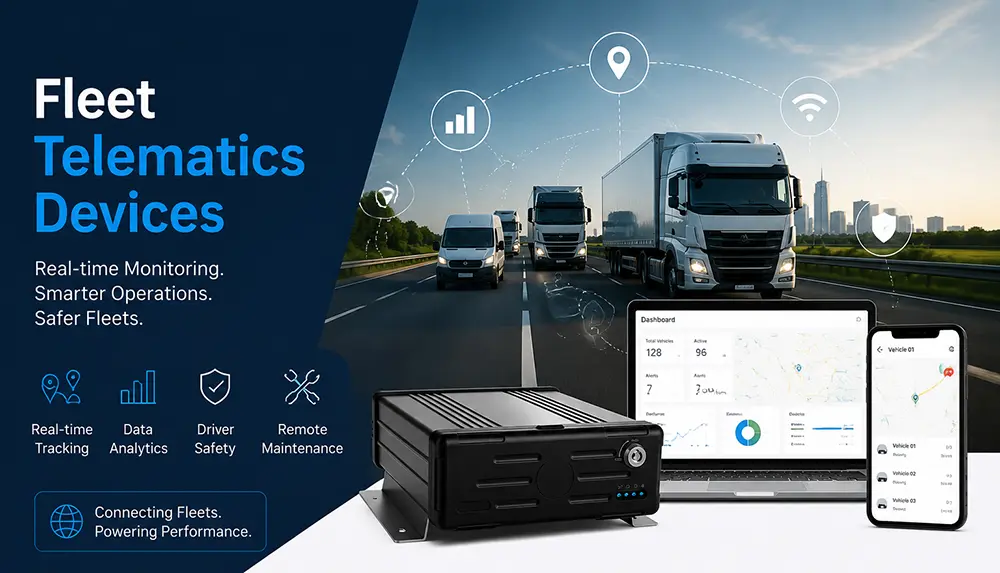
Video Telematics is a specialized technology that combines video recording with traditional telematics data collection. By capturing interior and exterior video footage through cameras and sensors while simultaneously collecting data such as GPS location, speed, and acceleration, it provides fleet operations with comprehensive visibility.
Core Features:
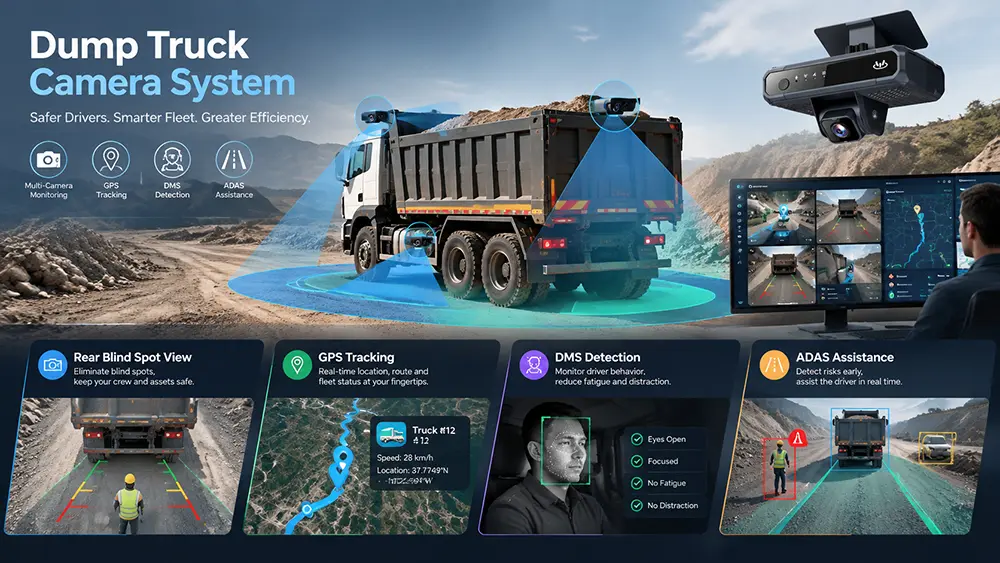
1.Dual-Lens Recording: Simultaneously captures the road ahead and the driver's condition inside the cabin, providing a complete picture of events.
2.Real-Time AI Analysis: Instantly identifies dangerous behaviors on the device edge, issuing alerts without waiting for cloud processing.
3.Cloud Synchronization: Automatically uploads critical event footage to the cloud, allowing managers to access and review it remotely.
4.Data Integration: Merges with GPS and vehicle diagnostics data to form a comprehensive operational view.
Benefits of AI Dash Cams
According to research by the Center for Transportation Technology and Innovation (CTTI), 25% of traffic accidents are caused by the "three accident factors": unsafe driving behaviors, driver inattention, and sudden traffic events.
Reducing Accidents:
25% — Accidents caused by the "three accident factors"
30% to 60% — Reduction in dangerous behaviors after enabling AI alerts
74% — Video telematics users who reported improved driving safety
32% — Users who reported a reduction in accidents
YUWEI customer data shows that after enabling AI dash cams with in-cabin alerts, incidents such as tailgating, phone usage, distraction, fatigue, and smoking decreased by 30% to 60%. In the 2026 Fleet Technology Trends Report, 74% of video telematics users stated that the technology helped improve driver safety, and 32% reported a decrease in accidents.
Typical Dangerous Behaviors Detectable by AI:
1.Distracted driving (mobile phone usage), fatigue/drowsiness, and tailgating (following too closely)
2.Lane departure, harsh braking, harsh acceleration, and harsh cornering
3.Unfastened seatbelts
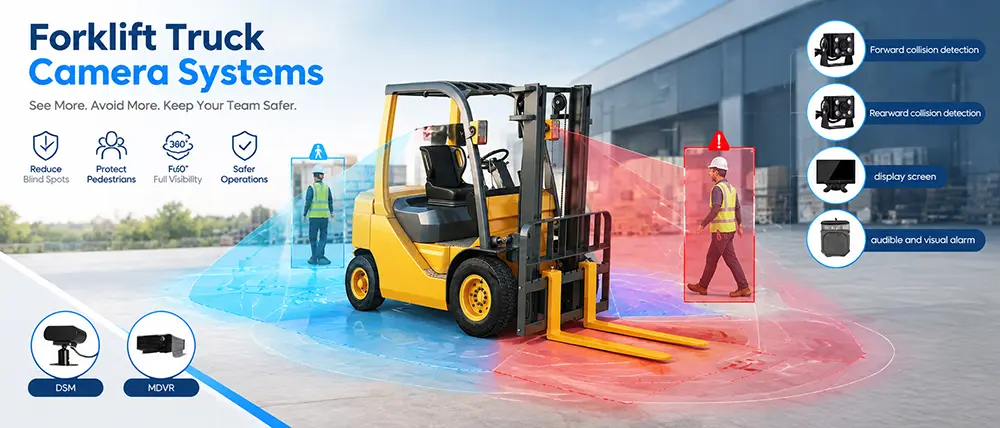
4.Pedestrian approach and forward vehicle cut-ins
Driver Behavior Improvement
One of the most powerful features of AI dash cams is translating video footage into actionable insights. When the system detects dangerous behavior, it immediately notifies the driver via in-cabin audio and visual alerts, enabling them to correct unsafe habits on the spot. Meanwhile, the footage is shared with managers to support targeted coaching based on real events.
Enhancing Operational Efficiency
1.Lowering Fuel Consumption: Directly reduces fuel costs by minimizing behaviors like idling, harsh acceleration, and harsh braking.
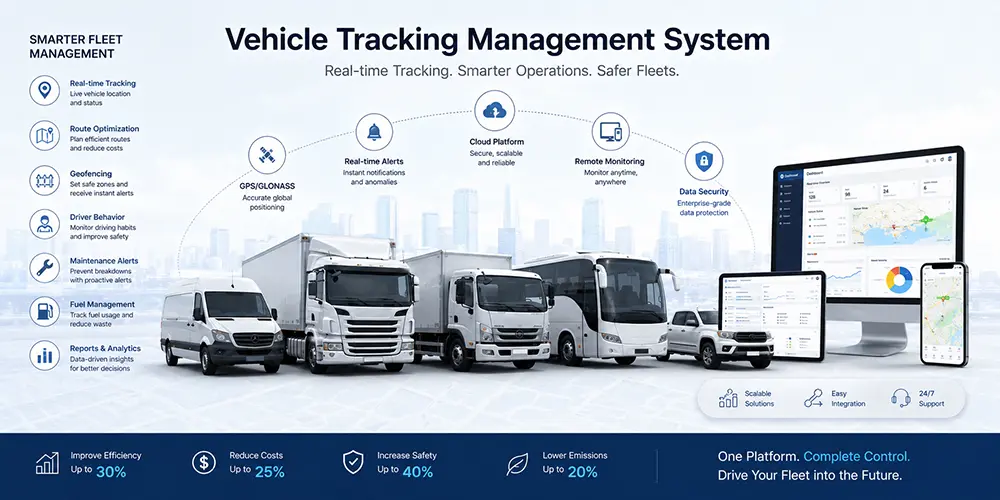
2.Optimizing Route Planning: Combined with GPS tracking, managers can monitor vehicle locations in real time and reroute promptly to avoid delays.
How to Choose the Best AI Dash Cam for Your Fleet
Selecting an AI dash cam depends on your specific goals. Some managers may focus on monitoring driver behavior and customizing coaching programs, while others might require GPS tracking, cloud storage, or integration with broader fleet management systems.
Key Selection Factors
Factor | Description |
Video Quality | At least 1080p HD to ensure clear visibility under various lighting conditions. |
Field of View (FOV) | A wide angle of 140 degrees or more is recommended to reduce blind spots. |
Night Vision | Infrared (IR) or low-light sensors to ensure nighttime safety. |
Storage Solution | Ample local storage plus cloud backup, supporting loop recording. |
GPS Integration | Records location, speed, and route history. |
Event Detection | Built-in automatic footage locking for crashes and sudden events. |
Real-Time Alerts | In-cabin audio and video reminders for immediate driver correction. |
Cloud Access | Remote retrieval of footage and live video streaming. |
Software Integration | Seamless integration with existing fleet management platforms. |
Camera Type Selection
1.Single-Lens (Road-Facing): Only records the road ahead. Suitable for scenarios with limited budgets primarily focused on accident evidence.
2.Dual-Lens (Road and Cabin): Simultaneously records the road and the driver. This is the current mainstream choice, providing a complete event perspective.
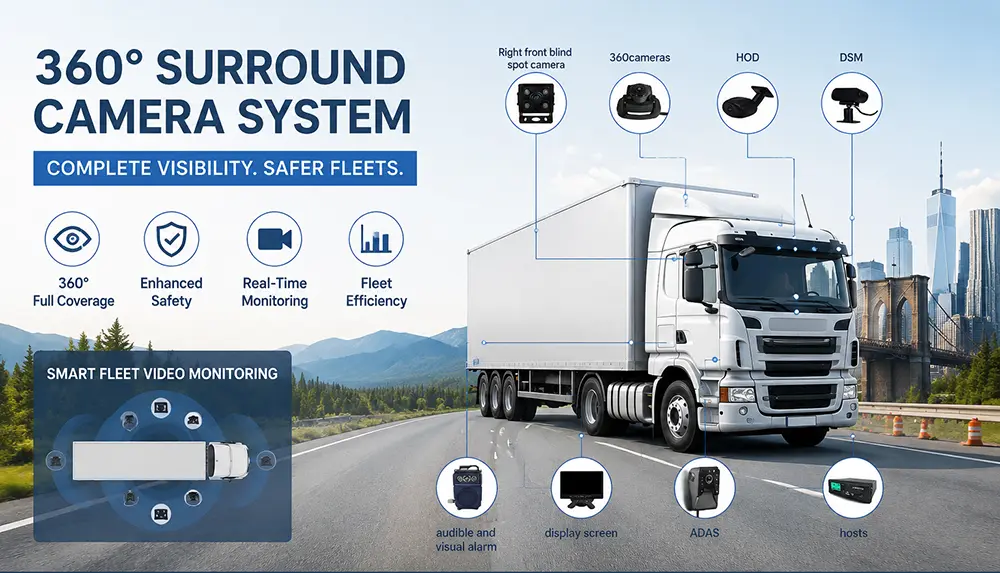
3.Multi-Lens (360-Degree): Supports 4 or more external cameras to achieve comprehensive, blind-spot-free vehicle monitoring.
Commercial-Grade vs. Consumer-Grade
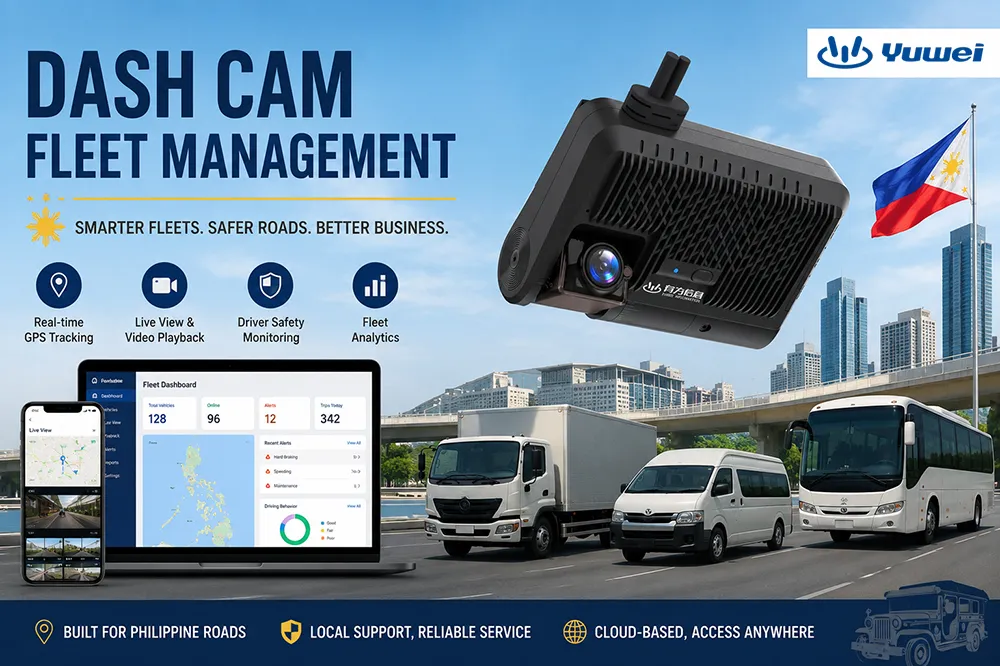
Fleet camera systems are purpose-built for enterprises, featuring GPS tracking, cloud integration, and bulk management capabilities. In contrast, standard consumer-grade dash cams are primarily designed for personal use, lack these critical features, and are entirely unsuitable for commercial fleet requirements.
The AI dash cam has evolved from a simple "video evidence tool" into a comprehensive, intelligent safety and operational platform for fleets. It seamlessly integrates video recording, artificial intelligence, GPS tracking, vehicle diagnostics, and cloud analytics. Ultimately, determining how to select the most suitable solution for their specific operations is the true question fleet managers must consider.
Email:hello@yuweitek.com