











DMS Monitoring System
DMS Monitoring System 2026
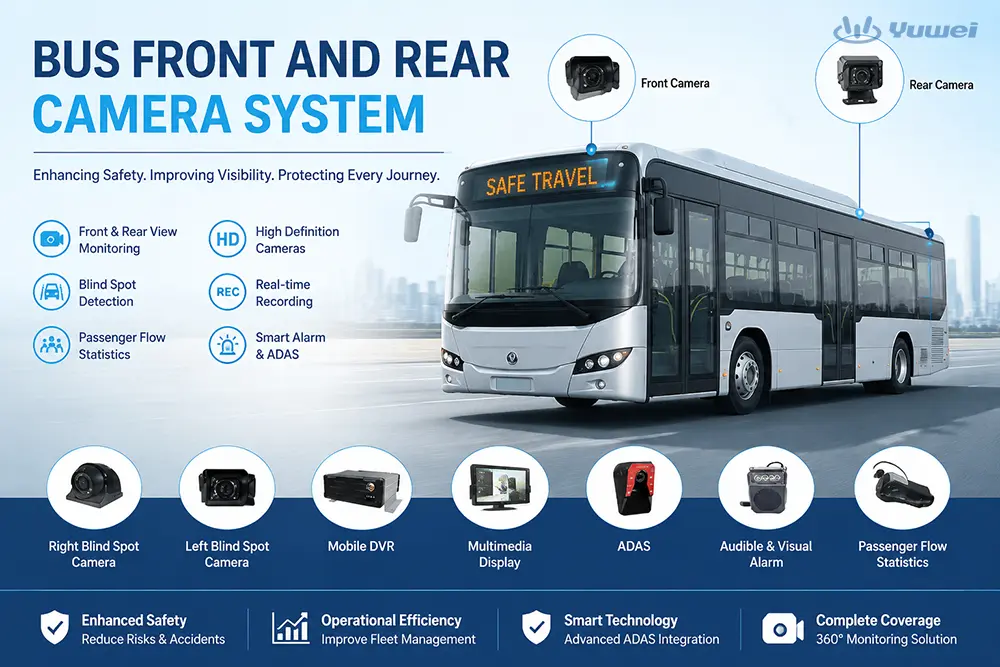
The Driver Monitoring System (DMS) is a core automotive safety technology facing the cabin interior, based on the fusion of AI and multi-sensor technology. By perceiving the driver's state in real-time, identifying risky behaviors, and proactively providing warnings and interventions, it has become a standard safety configuration for global new cars and a foundational capability for smart cabins in 2026.
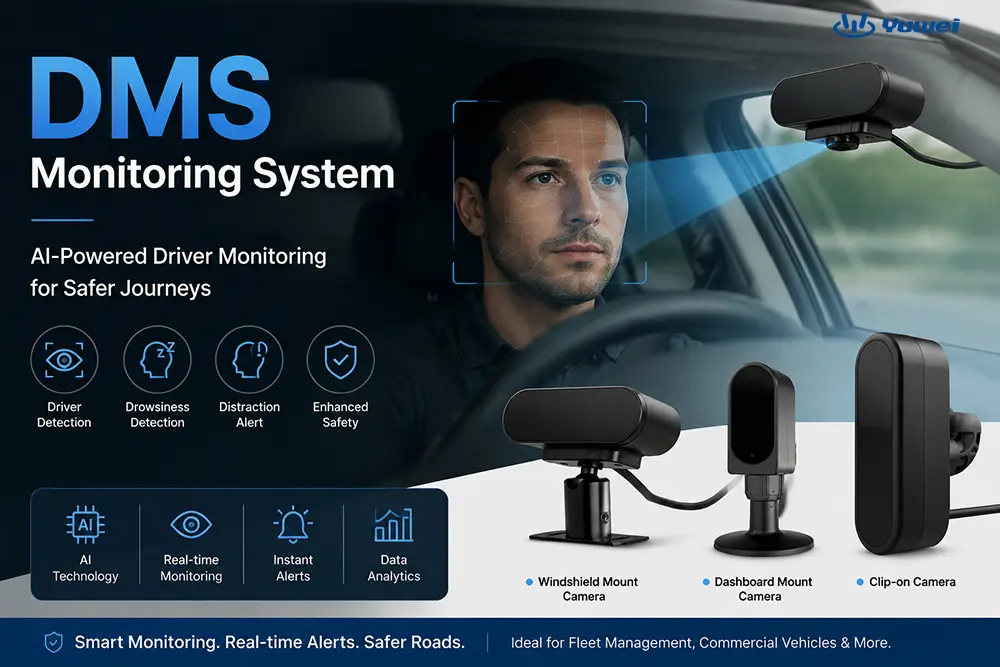
Positioning of DMS in 2026
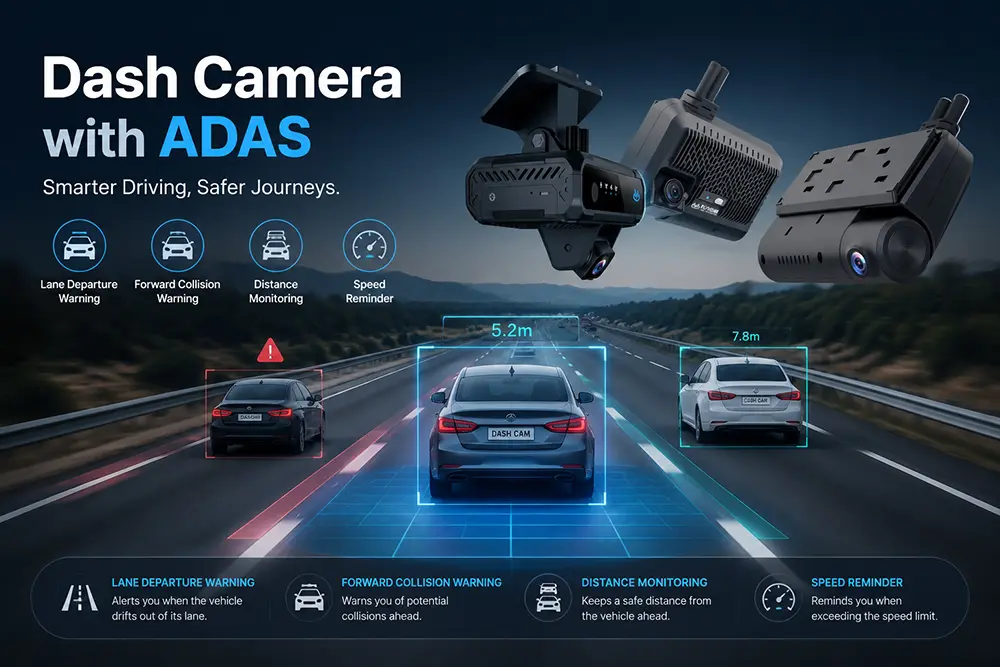
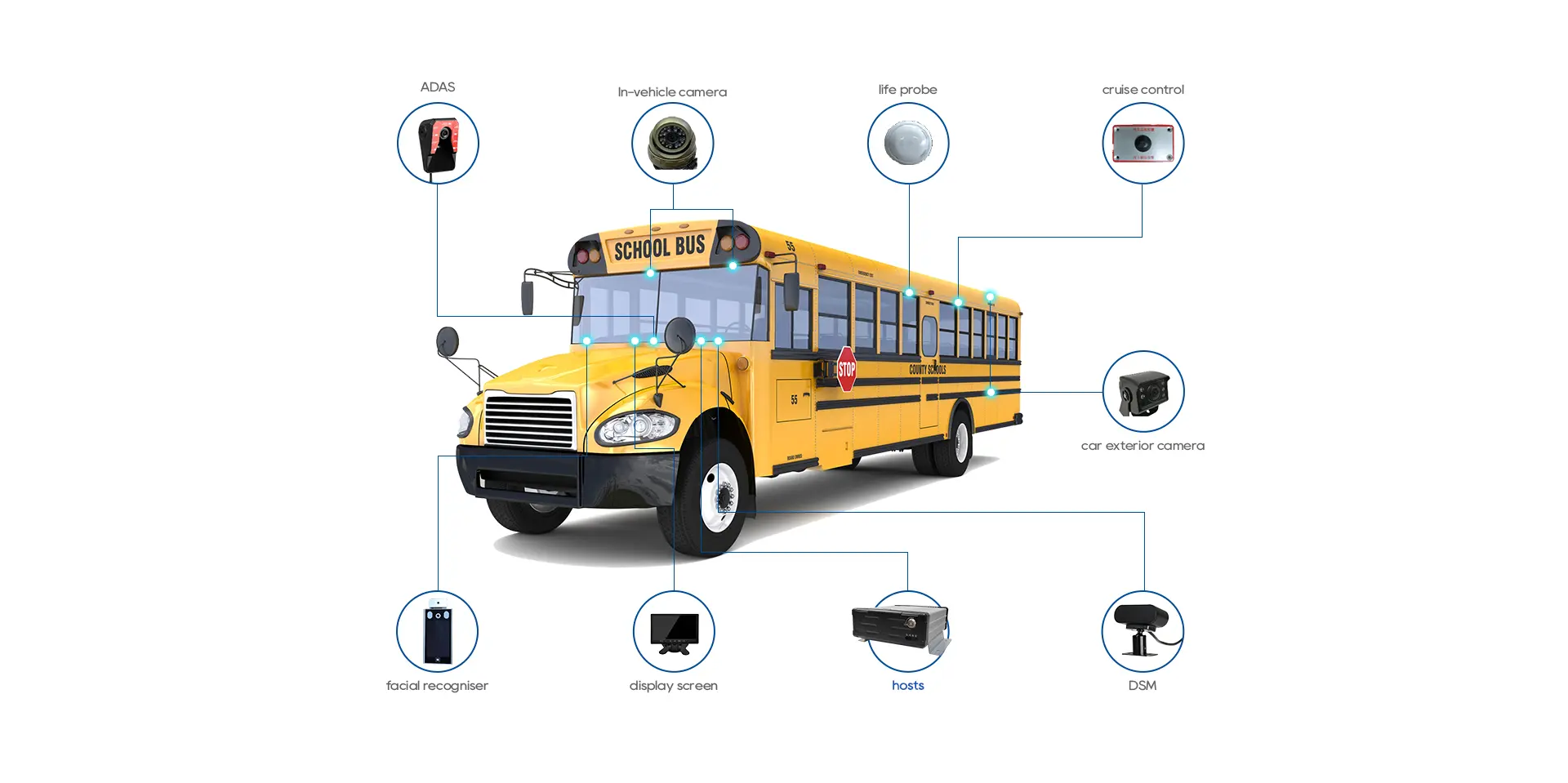
DMS is an in-cabin perception system geared towards driving safety. It typically utilizes an infrared camera as the core perception unit, paired with an in-vehicle processor, sensors, and AI algorithms, to determine the driver's state in real-time—including fatigue, distraction, dangerous operations, and health abnormalities. By reducing accident risks through audio, visual, and vibration warnings or linking to vehicle controls, it is an indispensable component of Advanced Driver Assistance Systems (ADAS) and autonomous driving.
By 2026, DMS has shifted from a high-end option to a mandatory standard configuration under global regulations: the EU requires all new cars to be equipped with DMS starting in 2024; Euro NCAP makes it a key criterion for a five-star safety rating; and markets such as the US and China are simultaneously advancing mandatory installation policies, driving DMS to become a fundamental safety configuration for passenger and commercial vehicles.
Best DMS Camera Systems in 2026
1. YUWEI DSM Camera Y7
As the classic foundational model of the YUWEI DMS family, the Y7 takes stability, practicality, and cost-controllability as its core advantages, meeting the basic driving behavior monitoring needs of conventional vehicles.
Core Features: Fatigue driving (yawning / closed eyes), driver distraction, phone calls, smoking, no driver detection, Face ID, unfastened seatbelt detection, lens occlusion alarm, and seat departure detection.
Hardware Parameters: 1M CMOS sensor, effective pixels 1288×728, focal length 3.91mm, aperture F2.0, viewing angle 75°/60°/42°, AHD-720P video output, dimensions 78×85×50mm.
Applicable Scenarios: Private cars, light commercial vehicles, basic fleet management, and fundamental safety monitoring scenarios pursuing high cost-effectiveness.
2. YUWEI DSM Camera Y10A
The Y10A upgrades the functions and stability based on the Y7, adding aggressive driving detection to achieve dual monitoring of driving behavior and vehicle status, making it suitable for mid-to-high-end fleets and commercial vehicles.
Core Upgrades: Added detection for aggressive driving behaviors such as harsh acceleration, harsh braking, sharp turning, speeding, rollover, and collisions, making hazard recognition more comprehensive.
Function Continuation: Retains all basic functions including fatigue, distraction, phone calls, smoking, Face ID, and unfastened seatbelts; supports automatic photo evidence collection and remote platform uploading.
Hardware Advantages: Continues to use automotive-grade, highly stable hardware configurations, with maximized capabilities for infrared night vision, wide-temperature operation, and high-definition imaging, making it adaptable to high-frequency use scenarios like long-distance operations and heavy vehicles.
Applicable Scenarios: Logistics trucks, passenger buses, taxis, professional fleets, and scenarios requiring comprehensive management and control of driving behavior.
3. YUWEI DSM Camera Y13
As the flagship model of the YUWEI DMS, the Y13 focuses on high-definition imaging and high-precision recognition, adapting to high-end scenarios with stringent requirements for monitoring accuracy and image quality.
High-Definition Upgrade: Optimized image sensor and lens craftsmanship, with a center resolution of ≥500 lines, capturing details more clearly and ensuring no minor dangerous behavior is missed.
Full Function Coverage: Integrates all-scenario functions including fatigue monitoring, distraction detection, dangerous behavior, aggressive driving, identity recognition, and seatbelt detection, meeting all monitoring needs in a one-stop manner.
Ultimate Adaptation: Superb environmental adaptability, featuring low-temperature startup, high-temperature stability, and strong anti-interference capabilities. Adapts to special vehicles, high-end passenger cars, and large fleet management platforms.
Applicable Scenarios: High-end commercial vehicles, special vehicles, large logistics fleets, and enterprise users with high-standard requirements for safety monitoring.
Core Safety Features
2026 DMS Functions (Note: Translated exactly to reflect source numbering)
1. Fatigue Driving Monitoring
Identifies early fatigue signals such as microsleep, prolonged eye closure, and frequent yawning, issuing warnings before an accident occurs; a fatigue state from continuous driving for more than 20 hours is equivalent to the risk of drunk driving, and the DMS can intercept this risk loop in advance.
2. Distraction and Dangerous Behavior Detection
Real-time monitoring of behaviors such as using a mobile phone, smoking, eating/drinking, prolonged deviation of sight from the road, and unfastened seatbelts. A distraction lasting more than 2 seconds immediately triggers a warning, reserving a safety buffer time to avoid accidents.
3. Driver Identity and Personalization
Recognizes the driver through facial features and automatically matches personalized settings such as seats, rearview mirrors, air conditioning, and entertainment systems. It simultaneously confirms driving permissions, enhancing vehicle usage convenience and safety.
2026 DMS Application Scenarios
1. Passenger Cars: Standard Smart Safety Feature
New cars are forced to be equipped with DMS, cooperating with L2-L4 autonomous driving to ensure drivers remain awake and focused when they need to take over, serving as the "last line of defense" for autonomous driving safety.
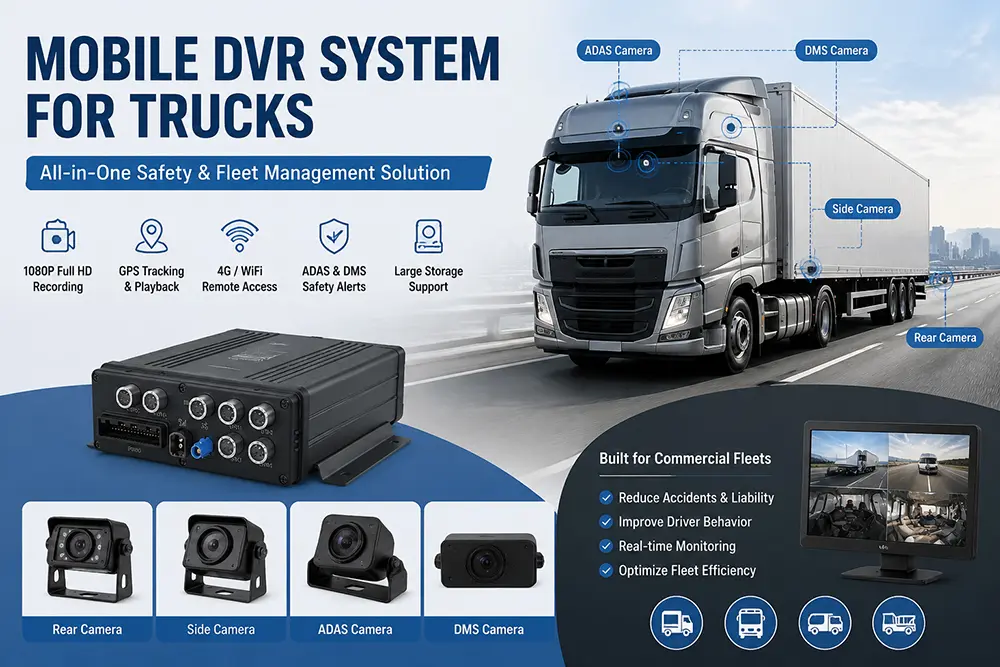
2. Commercial Vehicle Fleets: The Core of Safety and Cost Reduction
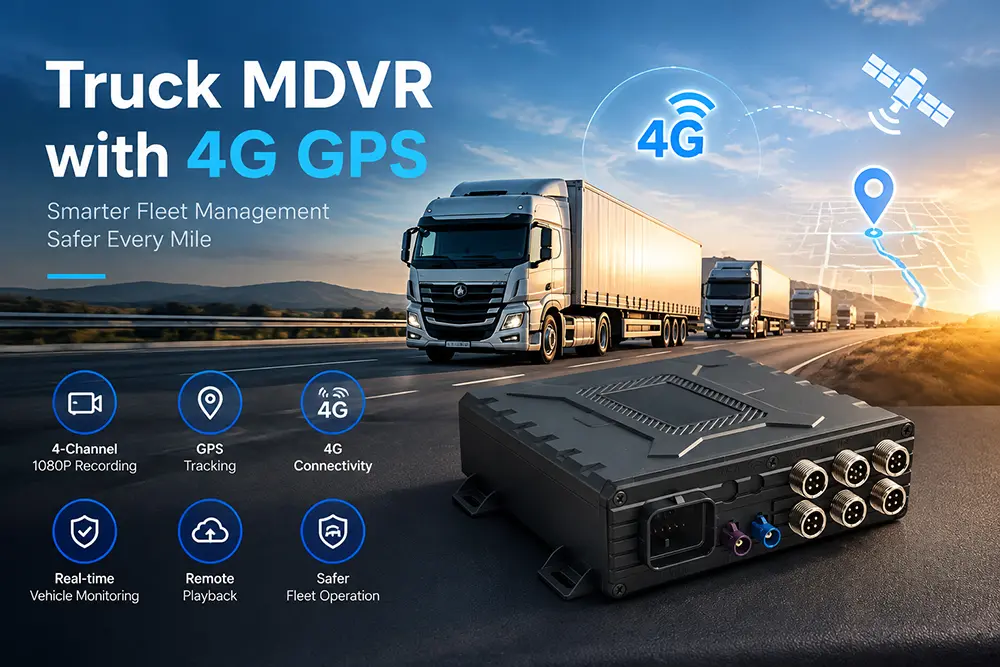
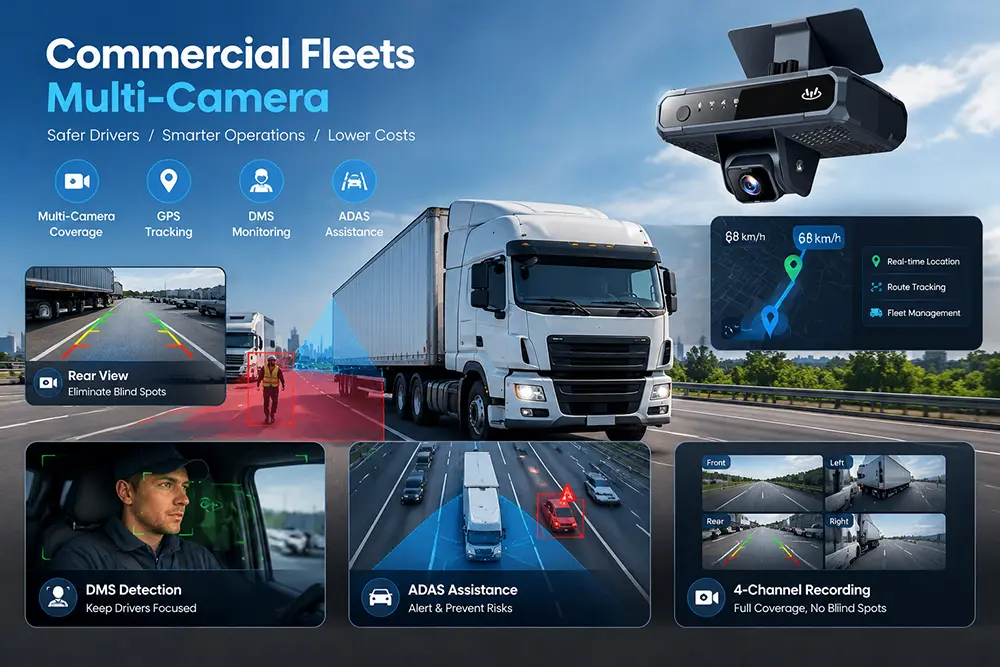
Logistics and passenger transport fleets use DMS to monitor driver status in real-time. Remote alarms and behavior analysis significantly reduce fatigue/distraction-related accidents. Data shows it can achieve a 33% drop in distraction, a 50% drop in fatigue, and a 50% drop in making phone calls while driving, while simultaneously reducing insurance and maintenance costs.
3. Regulations and Ratings: Hard Requirements for Market Entry
In 2026, major global markets will all include DMS as a core criterion for new vehicle market entry and safety ratings. Models not equipped with it cannot obtain a five-star rating, forcing automakers to popularize it comprehensively.
Email:hello@yuweitek.com